Heat resistant glass is a very popular type of material used for cooking pots, pans and other kitchen items. It is good at handling heat (including very high temperatures) as well as looking nice and being strong. This article discusses the various types of heat-resistant glass; their properties; what they can be used for; and common questions.
Heat resistant glassHeat-resistant glass , as the name suggests, has been designed so that it can withstand high temperatures without being broken or deformed. Unlike ordinary glass that can break under rapid heating and cooling, heat-resistant glass has some additional processing features or is made from certain materials, such as borosilicate or tempered glass to allow it to withstand thermal shock.
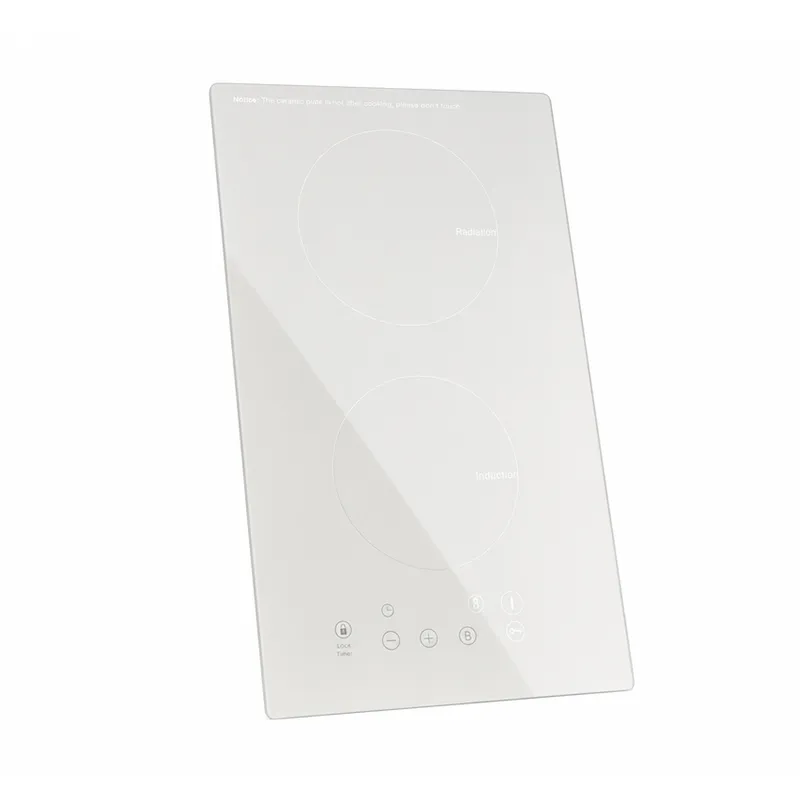
Different types of heat-resistant glass are available, with each having its own characteristics and applications.
1. Borosilicate Glass: Composed of silica and boron trioxide glass is known for having good thermal resistance and excellent overall performance. This type of glass is typically used in the manufacture of laboratory glassware, baking, cooking utensils (such as hot plates), and many other items.
2. Tempered Glass: Tempered or toughened glass has been put through a highly controlled heat treatment process to make it much stronger than regular glass. It is regularly used both in the home and in business, e.g., in oven doors and shower enclosures.
The composition and processing of glass during manufacturing is the most essential component of determining the heat resistance property of that glass. Borosilicate glass will have a sufficient mechanical strength at elevated temperatures due to its unique chemistry, while tempered glass has a robust surface structure resulting from thermal process treatment (tempering). Both the borosilicate glass and tempered glass offer a high degree of thermal shock resistance, allowing them to be used safely in environments subject to excessive heat.
To determine whether glass is heat resistant, consider the following factors:
– Look for labels or documentation that specify it as heat resistant glass.
– Check the manufacturer’s guidelines, as they often indicate the thermal limits.
Perform a basic test at home (with caution) by gradually heating the glass to see how it reacts when heated.
Although tempered glass can withstand high-temperature, there is still a risk of scratching due to improper use. Different types of tempered glass have varying degrees of hardness. Standard tempered glass generally has a higher degree of hardness than standard untempered type but both need proper care and use to achieve scratch resistance. The best way to maintain clarity and surface integrity is by not using any abrasive material when cleaning tempered glass.
Heat-resistant glass is widely used in various everyday items, including:
– Cookware such as baking dishes and roasting pans.
– Laboratory equipment for handling hot liquids.
– Oven doors and fireplace screens.
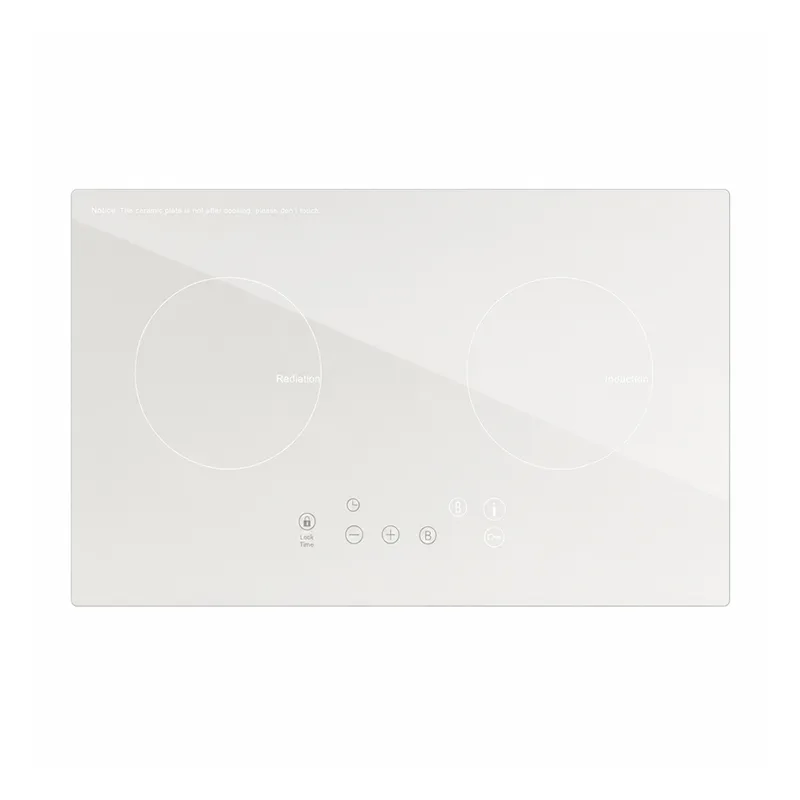
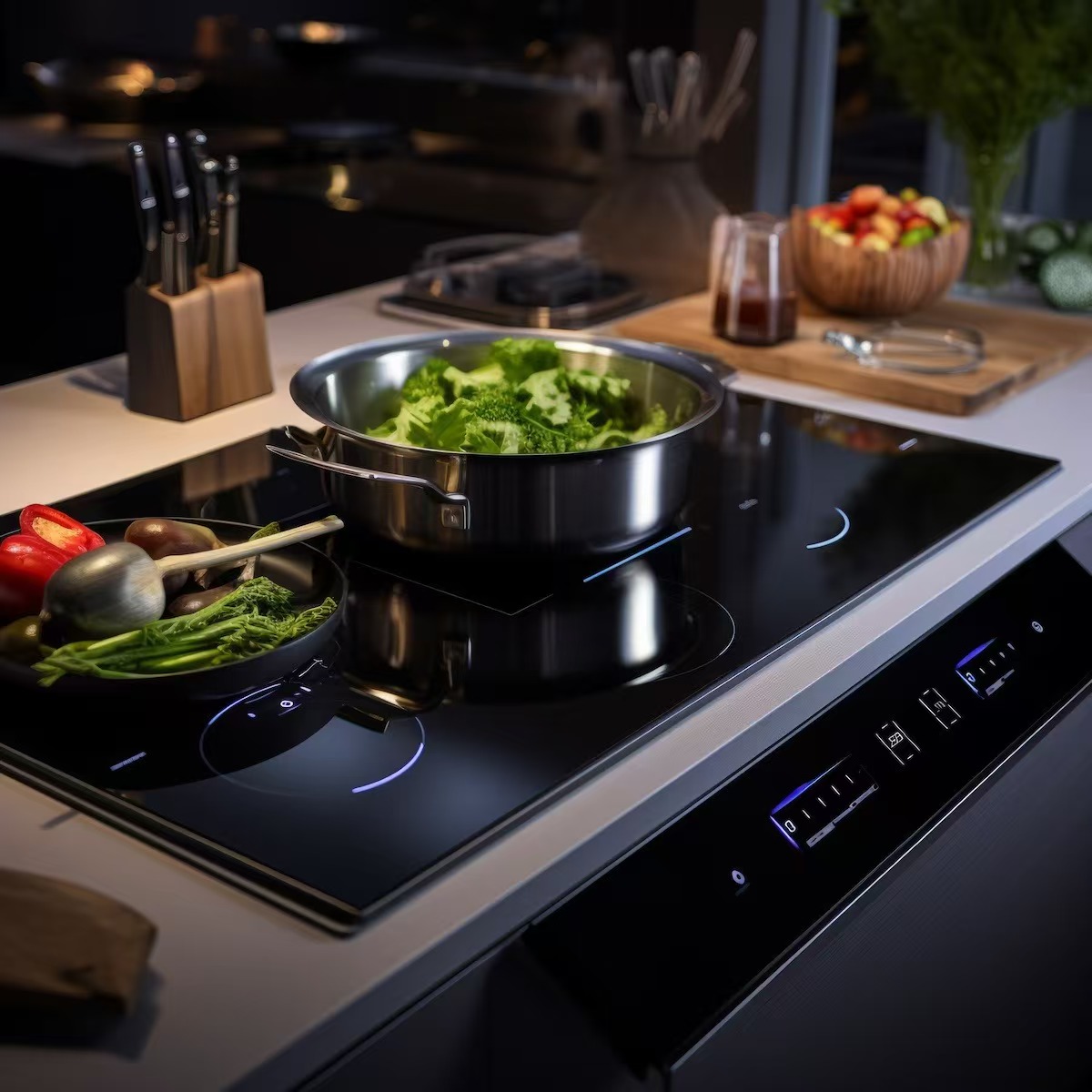
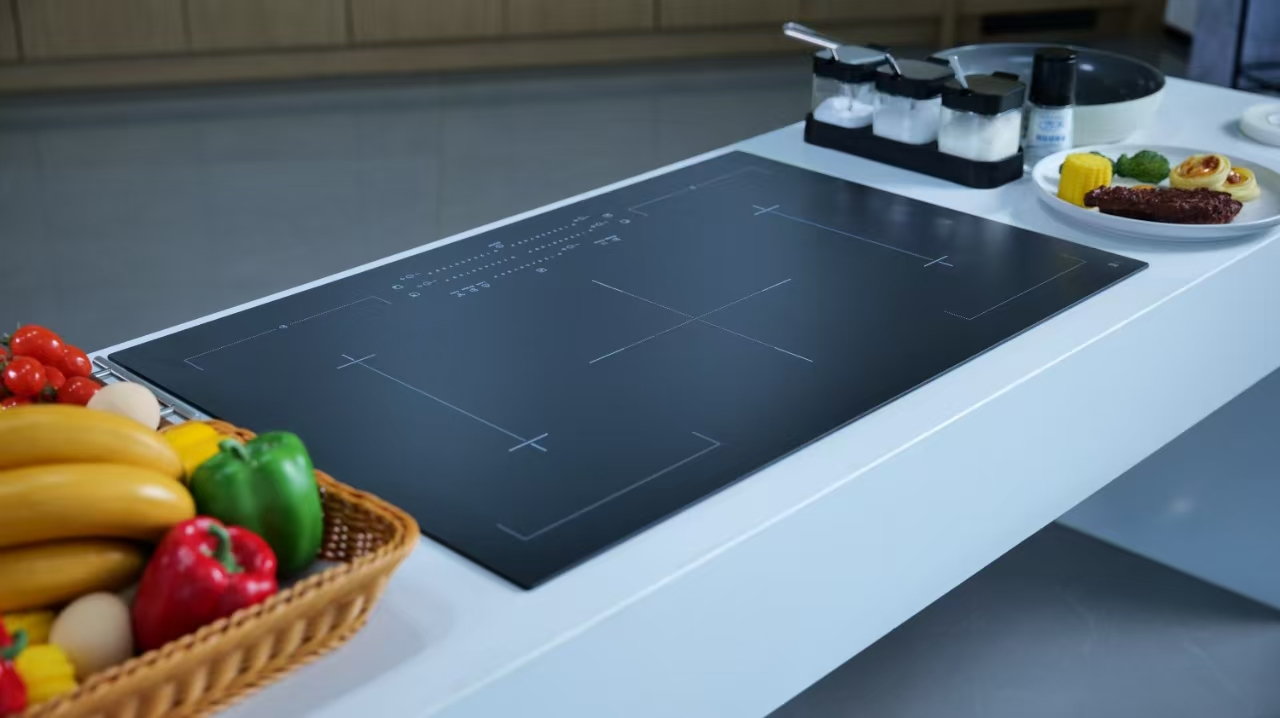
– Glass stovetops and countertops designed for high heat exposure.
– Windows in high-temperature environments like saunas or grills.
Heat resistant glass is durable, functional, and safe. Being able to withstand extreme heat means that heat-resistant glass is perfect for use in your kitchen. It’s also attractive and can add a touch of elegance to any room. In many cases, heat-resistant glass outlasts regular glass, making it a good investment for your dollar.
Knowing how to choose the correct heat resistant glass to use when cooking, performing lab work, or designing an elegant living environment is important if you want to use the appropriate heat-resistant material. Understanding the various characteristics of the different kinds of heat-resistant glasses and their uses will help you pick the best product for your specific use. You can ensure you will be able to choose the right product by reading the label and information from the manufacturer of the product to find out the properties of the glass.