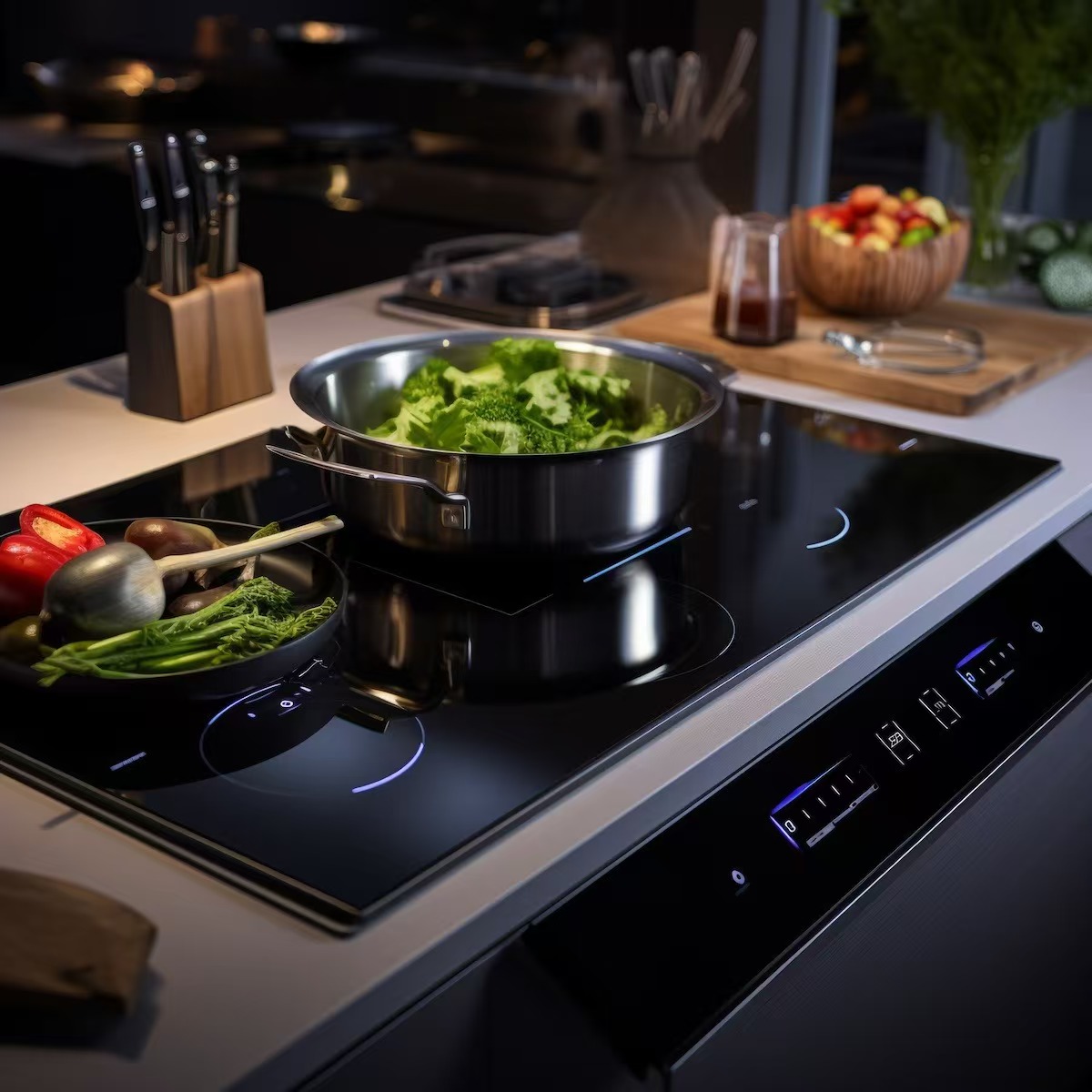
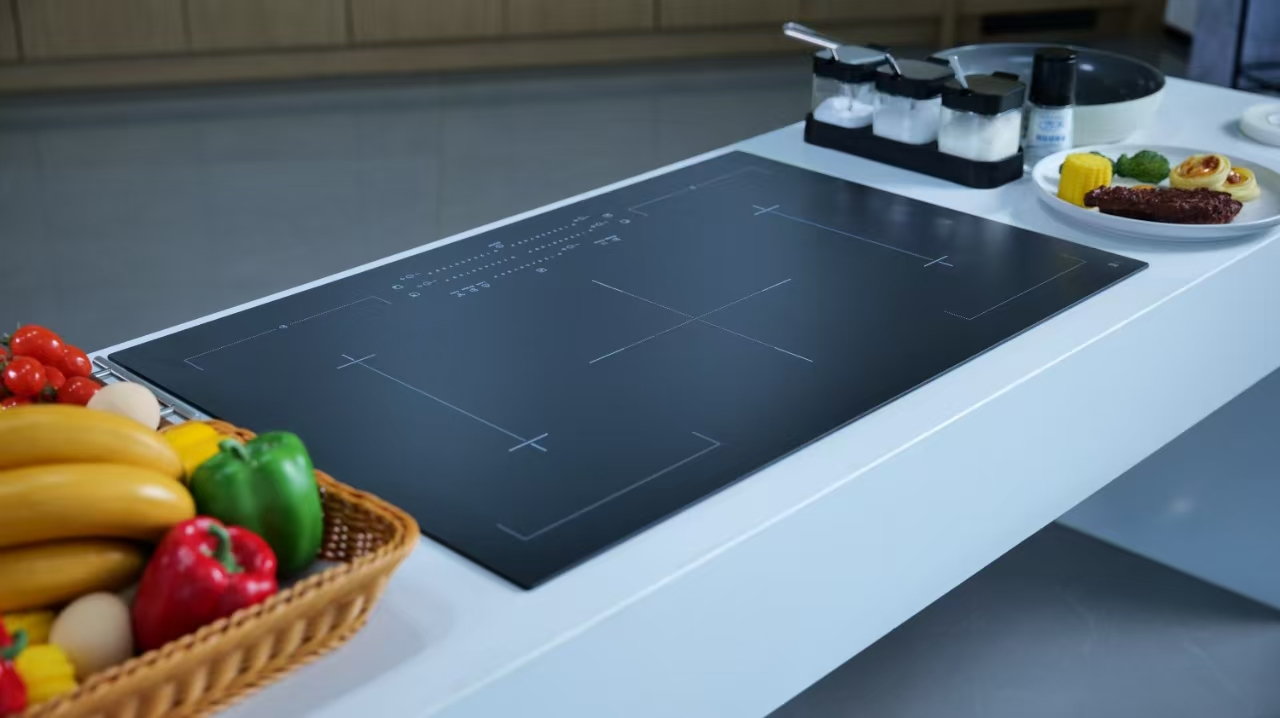
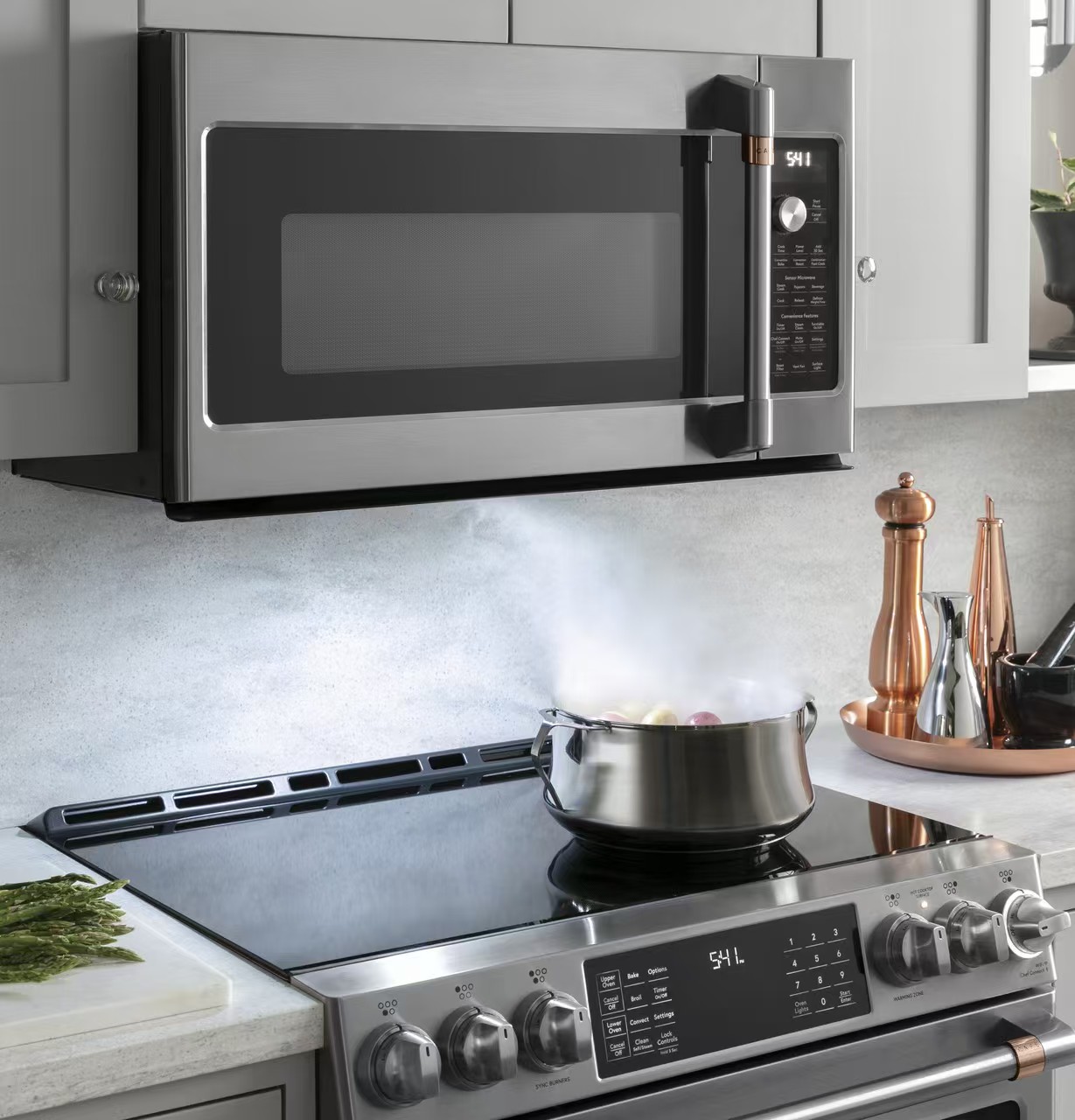
OEM teams should specify Environmentally friendly ceramic glass with controlled drawing fields, duty or documentation scope, interface notes, and supplier evidence—then compare quotes only against that same package.
Use this checklist so Environmentally friendly ceramic glass stays manufacturable across suppliers. Related: What should appliance brands verify before an environmental claim?.
Specify Environmentally friendly ceramic glass as a sourcing/specification problem: material route, documentation scope, and component fit—not a brochure slogan.
Distinct from #6090 brand environmental-claim verification: this guide is an OEM material-specification / sourcing brief for environmentally friendly ceramic glass programs.
Important: Environmentally friendly ceramic glass sourcing briefs fail comparability when eco slogans arrive without a named material route, documentation scope, and revision-controlled component drawing — Source: SCHOTT materials expertise hub.
| Layer | OEM must define | Fail signal |
|---|---|---|
| Material route | Glass-ceramic vs tempered vs borosilicate | “Eco glass” only |
| Component | Cooktop / panel / utensil | Mixed SKUs |
| Documentation scope | What evidence is requested | Logo claims only |
| Fit boundary | What this brief excludes | Everything “green” |
Brand-facing claim checks belong in What should appliance brands verify before an environmental claim?. This article focuses on OEM specification inputs.
| Field | Example ask | Do not invent |
|---|---|---|
| Material family statement | Glass-ceramic grade family | Unverified recyclability % |
| Restricted-substance scope | RoHS/REACH-style scope if required | Fake certificate numbers |
| Process / plant disclosures | What supplier can provide | Copied competitor PDF |
| Packaging notes | If relevant to program | Unrelated carbon ads |
| Claim ownership | Who publishes finished-good claims | Supplier auto-owns brand claims |
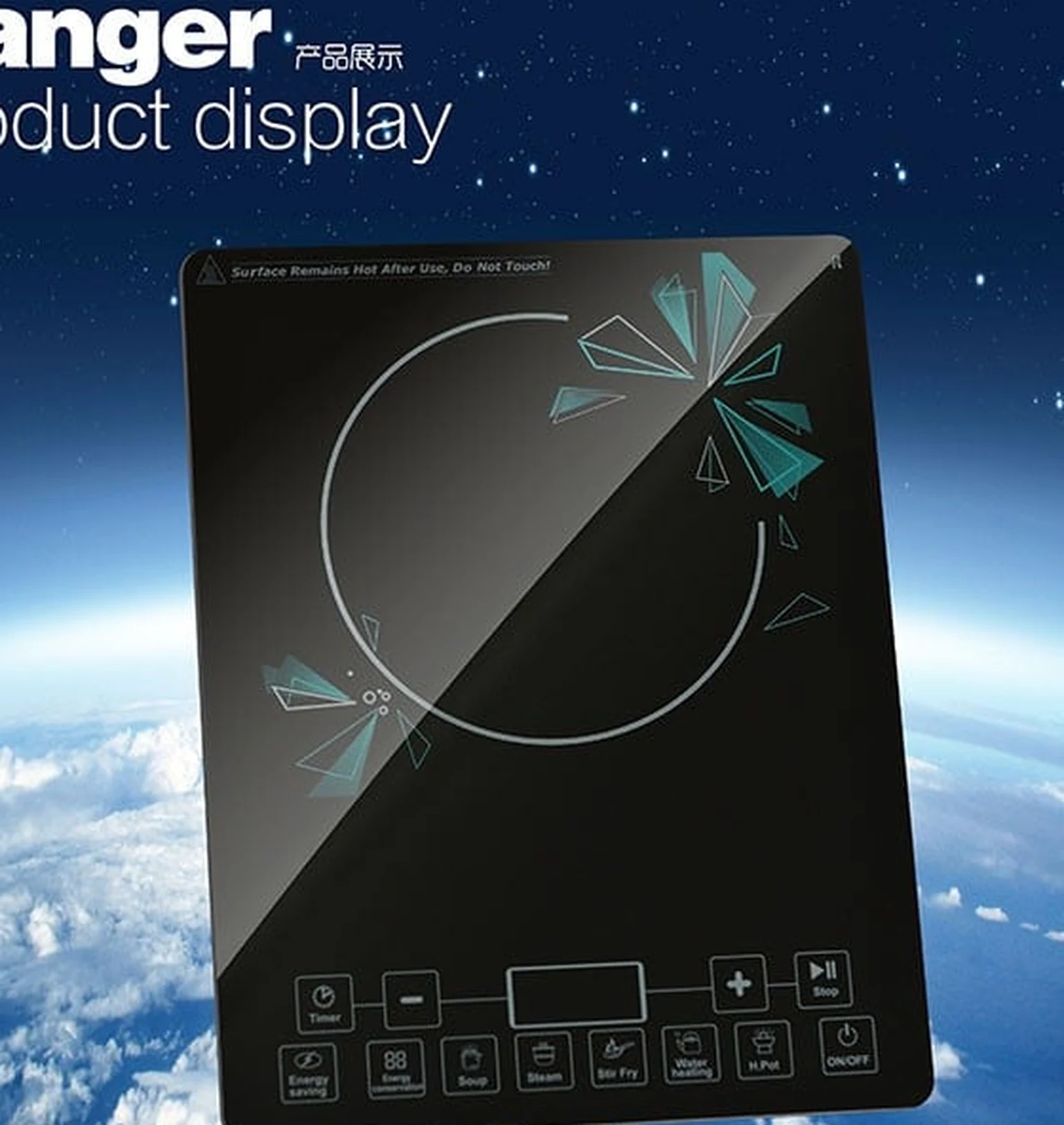
Environmental documentation does not replace heat duty, geometry, or edge finish.
| Technical field | Why it stays first |
|---|---|
| Drawing revision | Manufacturability |
| Heat duty | Grade suitability |
| Edge / interface | Field reliability |
| Inspection criteria | Lot acceptance |
| Item | Pass | Fail |
|---|---|---|
| Material route named | Yes | Eco slogan only |
| Docs scope listed | Explicit | “Certificates available” |
| Same component CAD | Both quotes | Mixed parts |
| Technical tables complete | Duty+edge | Missing |
| Brand claim separated | Yes | Supplier owns brand claim |
Supplier evaluation context: How should global buyers evaluate a glass-ceramic supplier?. Material-brief sequencing: What should an OEM material brief define before a panel RFQ?.
| Package | Owner |
|---|---|
| Material/process docs for quoted grade | Supplier |
| Finished-appliance environmental marketing | Brand / OEM |
| Drawing + inspection | Shared, revision-controlled |
| Stop when | Action | Why |
|---|---|---|
| Need brand claim verification only | Use claim-verification guide | Different job |
| Pure cooktop thickness RFQ | Use cooktop RFQ | Wrong primary intent |
| Retail “eco cookware” content | Consumer asset | Not OEM brief |
| No material route chosen | Pause RFQ | Non-comparable |
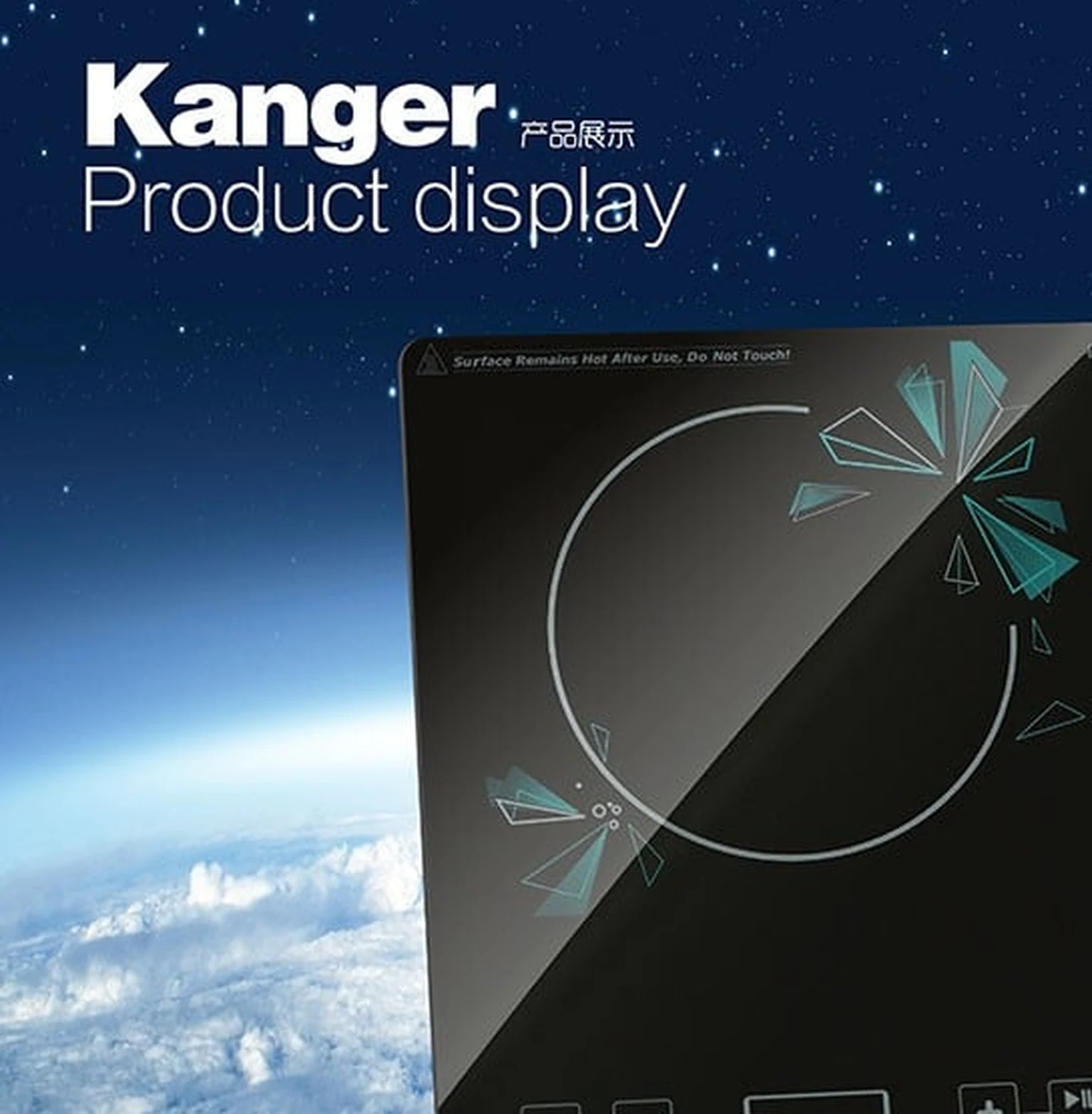
After the material route is glass-ceramic cooktop/panel scope, route the controlled package toward black glass-ceramic cooktop panels when it matches published Kanger scope—and attach documentation + technical tables together.
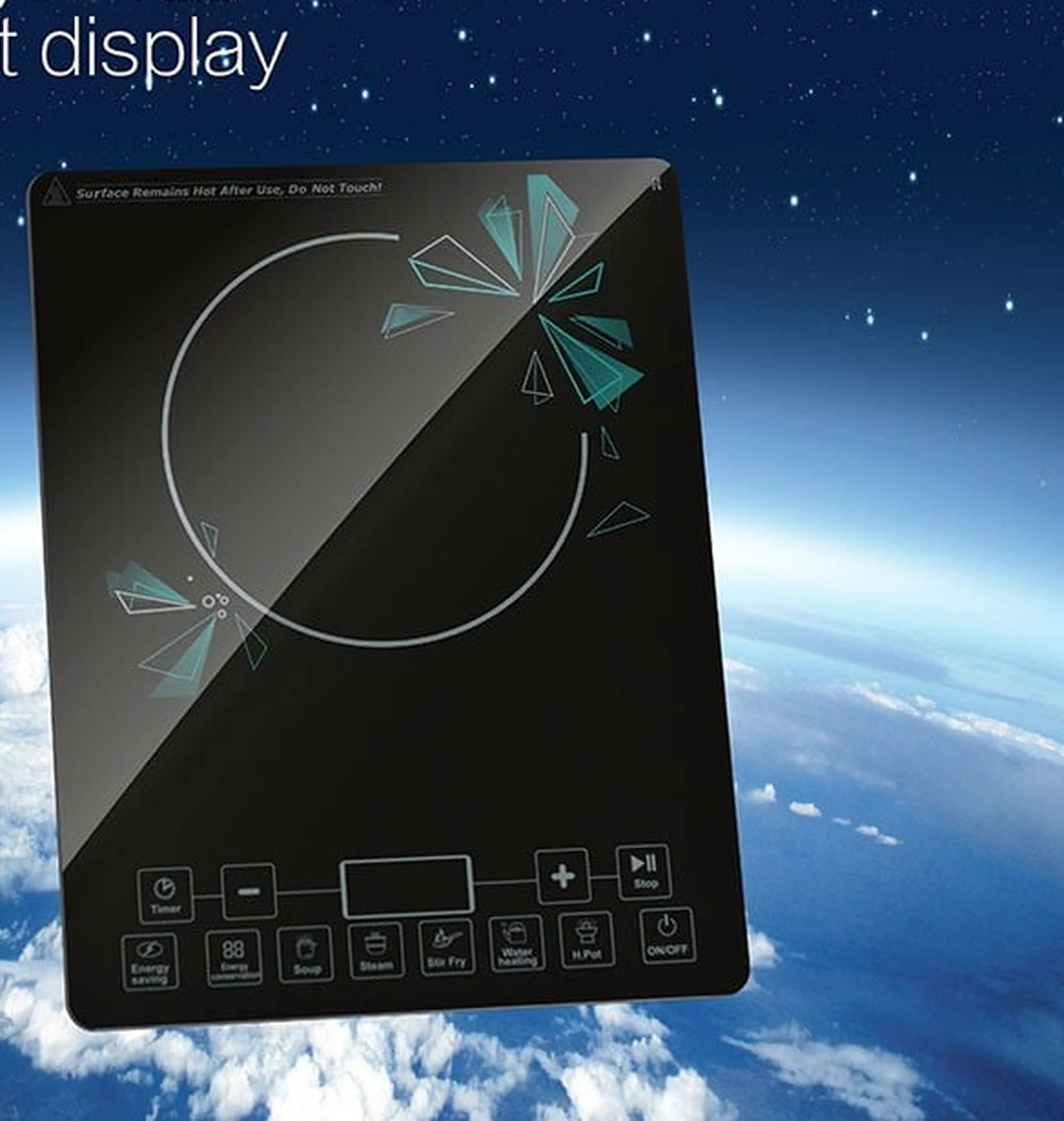
Do not recommend this path for tempered-only hood glass, borosilicate-only microwave plates when the route is cooktop glass-ceramic, or any bid that only offers eco marketing without drawing fields. Use Products overview and Contact Kanger.
Is environmentally friendly ceramic glass a single material grade?
No. Name the material family and component before comparing eco documentation.
How is this different from environmental claim verification?
What should appliance brands verify before an environmental claim? checks brand claims; this guide specifies OEM sourcing fields.
Can eco documents replace heat-duty tables?
No. Technical fields remain mandatory for manufacturability.
Who owns finished-appliance environmental marketing?
Usually the brand/OEM—not automatically the glass supplier.
What makes two eco-oriented quotes comparable?
Same material route, same CAD, same documentation scope, and complete technical tables.
Where should the inquiry go?
Match the material route to a product page such as black glass-ceramic cooktop panels, then Contact Kanger.
Authority links used for this environmentally oriented ceramic-glass OEM sourcing brief: