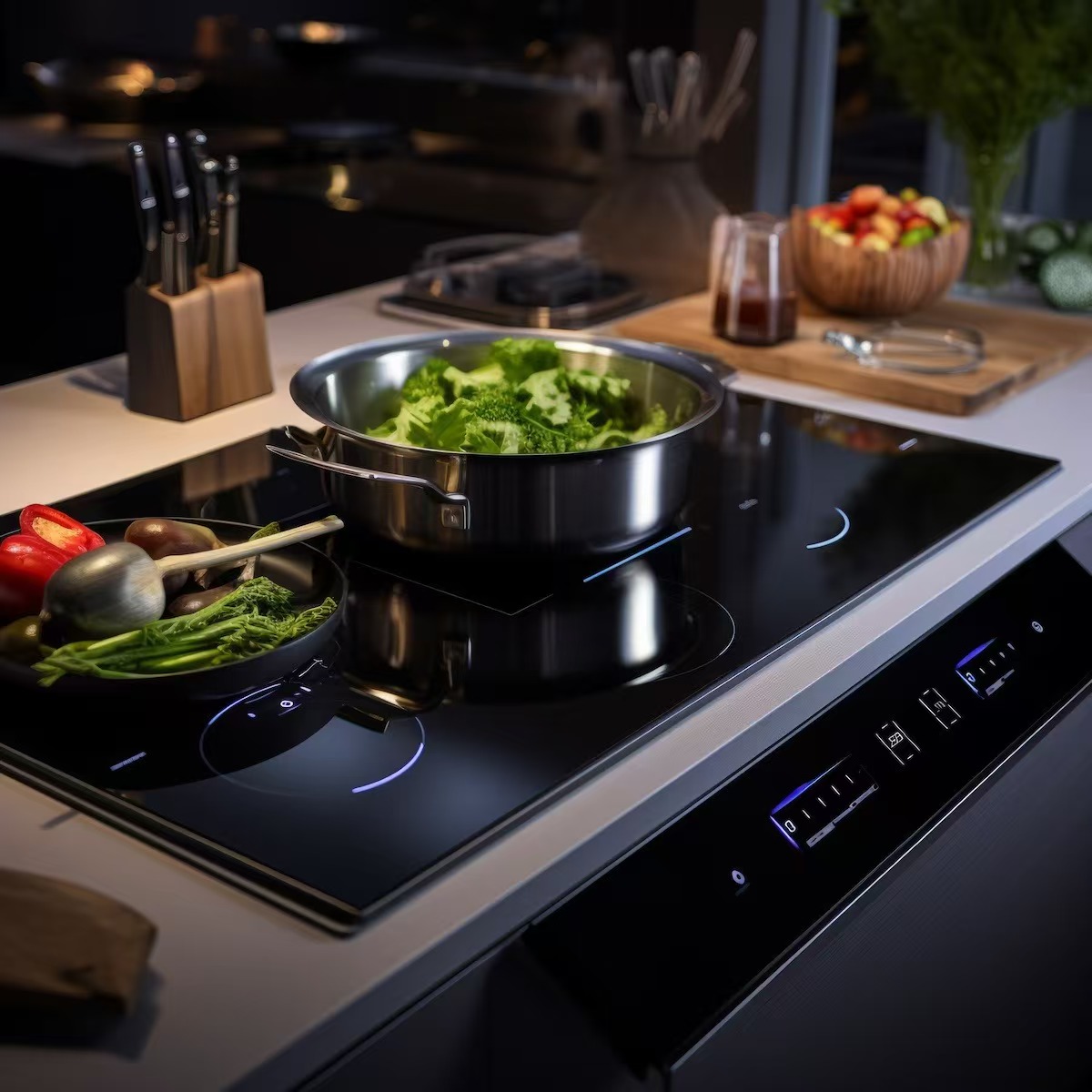
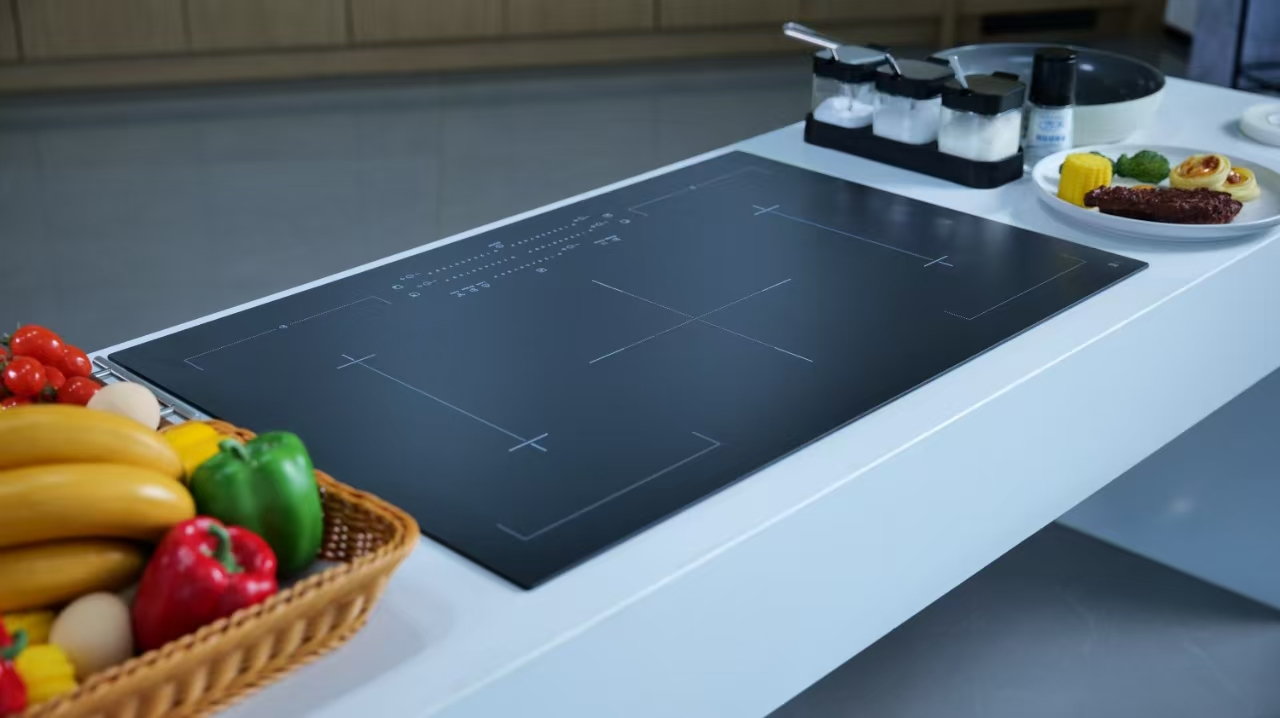
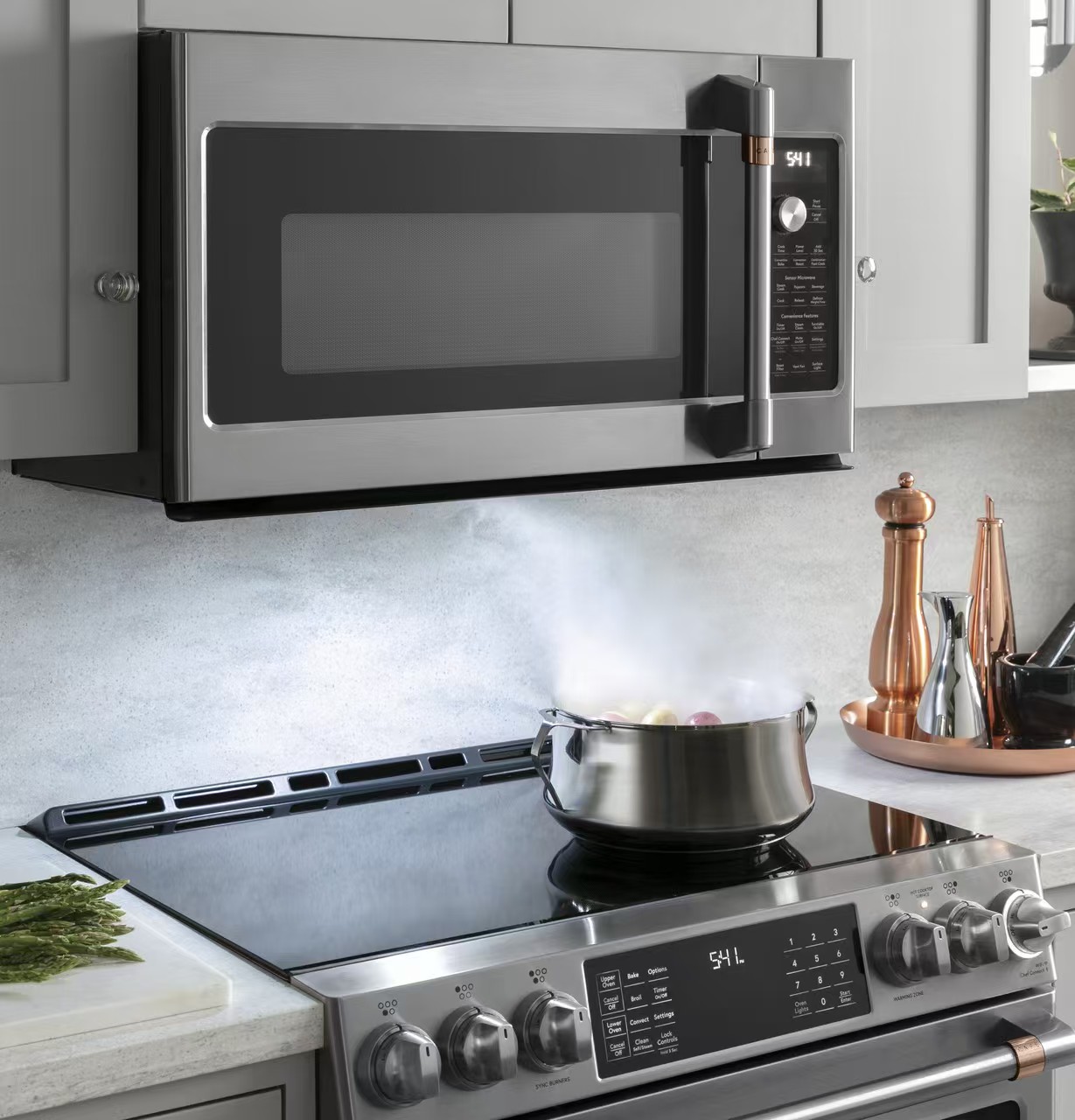
The rise in demand for innovative materials over the past several years across multiple industries has created a growing market for the use of transparent glass ceramic as an advanced material. This article outlines the various specifications and technical parameters associated with this unique material in order to provide potential buyers and professionals in the field with useful information.
Transparent glass ceramic This type is an innovative composite that offers a two-fold benefit: the durability of traditional ceramics combined with the beauty of glass. It’s very hard wearing because it is both translucent and transparent, making it suitable for use in areas requiring visual access such as electronics, architecture and sophisticated optical devices.
This innovative material is characterized by a number of key specifications:
The chemical makeup of crystal-clear ceramic gives it the ability to resist attack from numerous chemical compounds, making it last a long time in corrosive conditions.
The technical properties of a product can assist in determining whether it is appropriate for a particular use when combined with its specifications.
– The flexural strength of transparent glass ceramic generally is greater than that of standard glass, making it an excellent candidate for use in structural applications.
Transmittance: The amount of light that comes through this material will be high, allowing for good transmission of sound in applications where successful transmission requires clear visibility and no distortion.
The controlled thermal expansion of high-transparency glass ceramics reduces the chance of cracking when the temperature is changed, making it critical for many industrial functions.
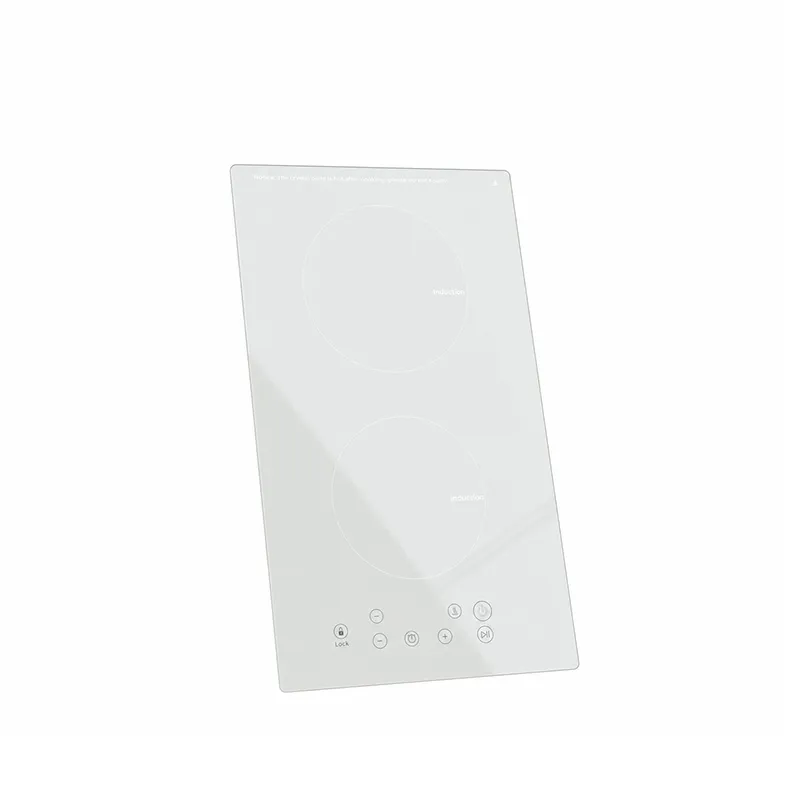
Ceramics tend to be very hard and resistant to heat, while glass is usually transparent and very smooth. When both are combined into one material, a glass ceramic, that material has the best properties of both ceramics (hardness and resistance to heat) and glass (transparency and smoothness).
Many applications currently use transparent glass ceramic as an alternative to tempered (safety) glass because of its superior strength and durability as compared to tempering when considering thermal stability and scratch resistance.
Ceramics are divided into five categories based on the type of use: (1) traditional ceramics that include pottery, as well as (2) advanced ceramics that include items such as a clear glass ceramics; (3) refractories: (4) electroceramics: (5) bioceramics. Each of these categories has its own unique physical characteristics that prescribe their appropriate applications.
The applicability of transparent glass ceramic spans various fields, including:
Many industries can employ the multifaceted characteristics of transparent glass ceramic. In consumer electronics, architecture and many other fields, utilising the optical clarity, high thermal stability and mechanical strength of this unique material will provide endless opportunities to create innovative applications. The developments occurring across all areas of industry will continue to expand the possible uses for this incredible material, which fosters a culture of innovation and evolution.