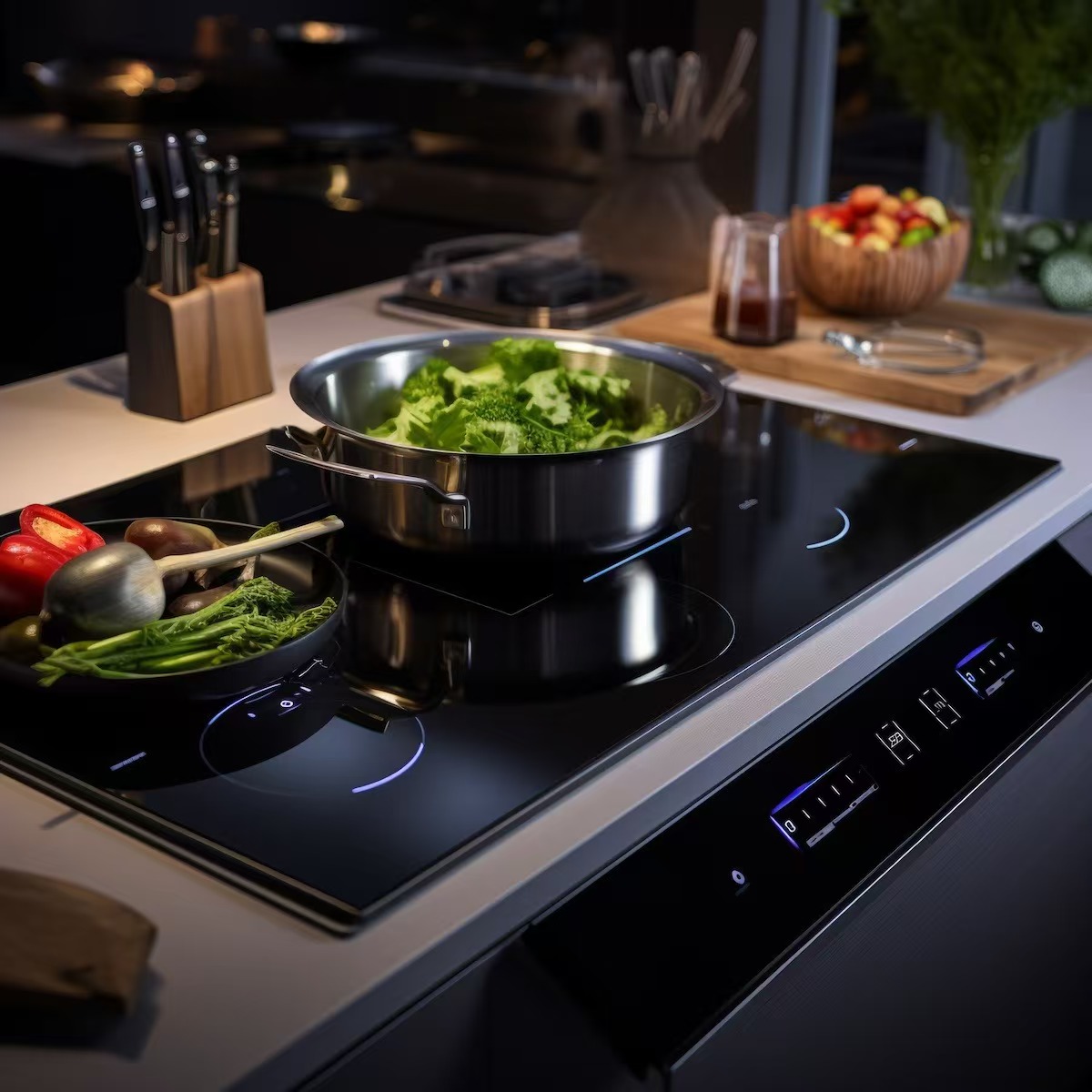
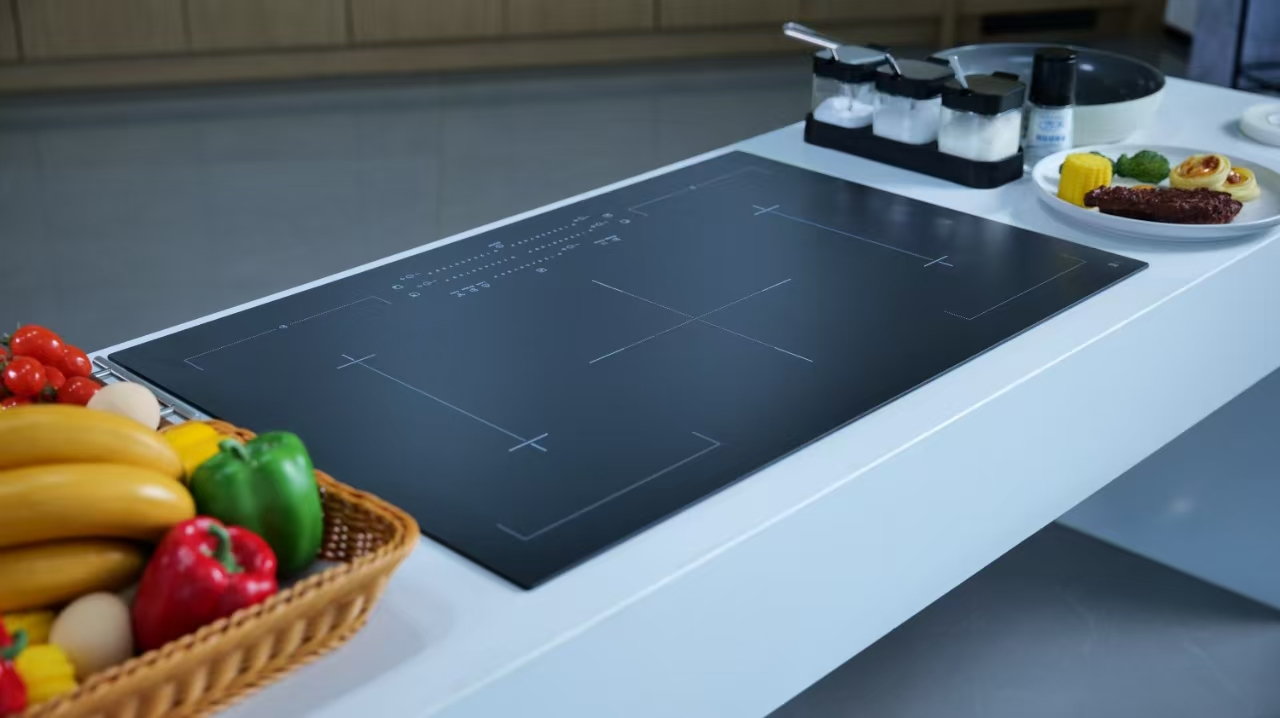
Review a black glass ceramic cooker-plate RFQ by defining the approved heating assembly, panel drawing, edge condition, and supplier test documentation.
Before an OEM team compares suppliers, turn the broad phrase into a controlled component request. The Kanger product overview can identify the relevant family, but the drawing and application record decide whether a quotation is comparable.
Treat black glass ceramic cooker plate as a procurement question rather than a complete specification. The useful first decision is which appliance component is being sourced, where it sits in the assembly, and which controlled document defines the part.
| Decision input | Why it changes the request |
|---|---|
| Appliance component | Separates a panel, viewing opening, door part, or another use. |
| Controlled drawing | Establishes the outline, features, and revision under review. |
| Heating and operating context | Defines the information the supplier must assess. |
| Appearance and interface notes | Records finish, visibility, support, and mating-part expectations. |
Do not use a broad material label as a substitute for the approved component definition.
Confirm the component position, surrounding structure, expected heating context, and any opening, edge, or support condition that appears on the current drawing. These facts let a supplier identify information that is relevant to the actual application instead of responding to a generic keyword.
| Fact to record | Buyer action |
|---|---|
| Component position | Mark it on the assembly drawing. |
| Mating interfaces | Identify frames, supports, seals, or adjacent parts. |
| Heating context | Describe the intended duty without assuming a universal value. |
| Appearance requirement | Attach the approved visual or finish requirement if one exists. |
For terminology context, see the glass-ceramic terminology guide.
A supplier needs the current drawing revision, part outline, relevant cutouts or openings, edge treatment request, datum references, and the location of interfaces that affect the component. If an item is undecided, identify it as a supplier-response field instead of inserting an assumed value.
| Drawing field | What to request |
|---|---|
| Outline and features | Controlled view with revision identifier. |
| Interfaces | Reference surfaces and mating-part locations. |
| Openings and edges | Released requirement or explicit review question. |
| Inspection basis | How the buyer expects the finished part to be evaluated. |
This approach avoids treating an illustrative image or a product-family name as a released engineering document.
Attach the controlled drawing and ask each supplier to state its interpretation, exceptions, and documentation available for the proposed part. A comparable response records what was reviewed rather than implying that silence equals conformance.
| RFQ field | Supplier response requested |
|---|---|
| Drawing and revision | Confirm the reviewed revision and any deviation. |
| Application description | State assumptions and missing information. |
| Material or product-family request | Identify the proposed basis without extending unverified claims. |
| Evidence request | List relevant documentation and its test context. |
| Commercial request | Quote the stated quantity and delivery destination; do not assume MOQ or lead time. |
The durable cooktop-panel RFQ checklist offers related document-control context.
Compare documentation only when it describes the proposed part and the stated application conditions. SCHOTT’s glass-ceramic materials overview and CERAN technical details show why technical records need both a material context and conditions. Their published values are not Kanger product values.
| Check | Safe comparison question |
|---|---|
| Document identity | Does it identify the proposed material or part? |
| Conditions | Does it state the method or operating context? |
| Drawing relationship | Does it apply to the reviewed design? |
| Exception record | Are differences disclosed in writing? |
Request clarification when a document is generic, incomplete, or tied to a different application.
| Scenario | Appropriate next step |
|---|---|
| Current drawing and application facts are available | Request a documented supplier review. |
| Material term is known but the part design is open | Complete the component definition first. |
| A supplier proposes a changed design | Obtain engineering approval before comparison. |
| The request is for an unrelated architectural or consumer item | Use a separate sourcing workflow. |
This article does not establish a size, tolerance, thermal result, certification, MOQ, lead time, or compatibility promise. Final acceptance remains subject to the approved design and the evidence for the exact part.
When the drawing and application record are ready, review black glass-ceramic cooktop panels and contact Kanger with the controlled files. Request confirmation of the proposed component basis and any required documentation before making a sourcing decision.
Use the Kanger page as an inquiry starting point for a requirement that matches the indicated product family. It is not an automatic approval for a particular appliance, feature, or performance result.
| Submit with the inquiry | Why it helps |
|---|---|
| Latest drawing revision | Gives both teams one reference. |
| Application and interface notes | Makes assumptions visible. |
| Documentation request | Defines the evidence needed for review. |
| Quantity and destination | Enables a commercial response without implied commitments. |
It is a starting phrase. The buyer still needs to define the appliance component, controlled drawing, application conditions, and evidence request.
No. Product-family wording does not replace review of the exact drawing, interfaces, and operating context.
Attach the latest controlled drawing and identify its revision, then add the application and interface notes that affect the requested part.
No. Compare records only when the proposed part and relevant test or operating context are clear.
No. State the required quantity and destination in the inquiry and ask for a written commercial response.
Pause it when the part definition, drawing revision, application facts, or required evidence are incomplete.