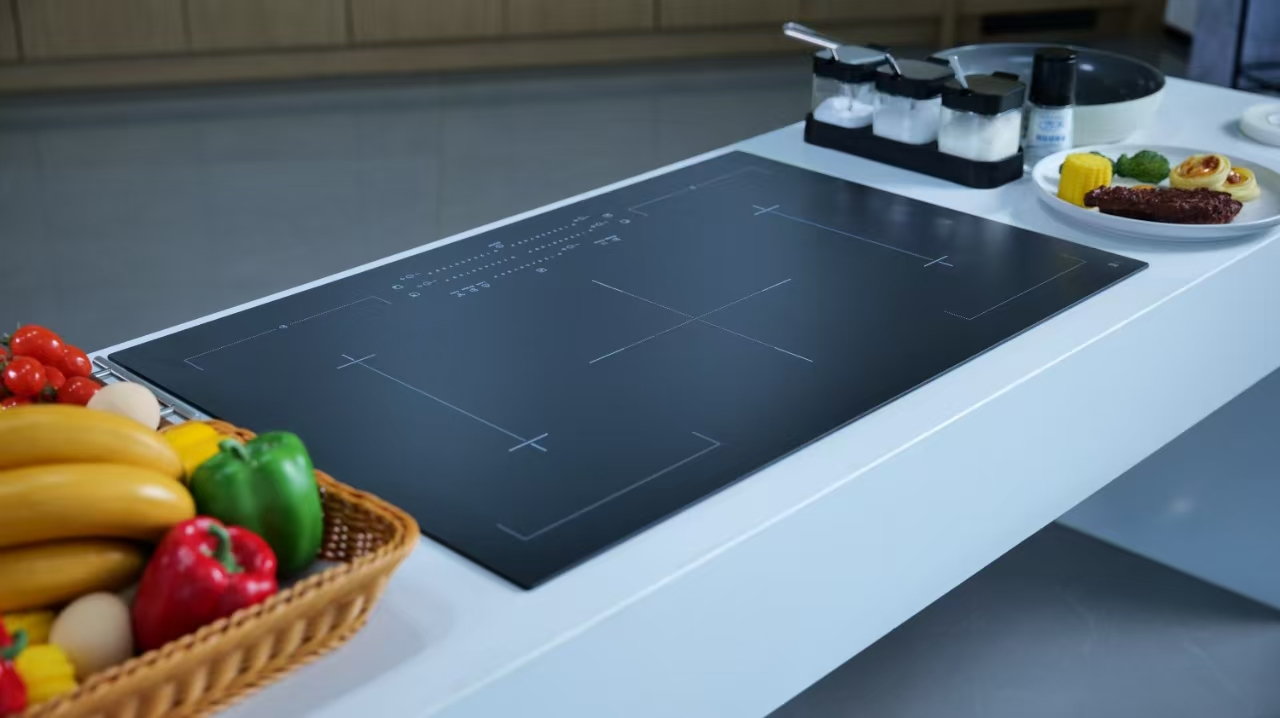
Buyers should request ceramic glass sheet when they own the downstream processing plan; they should request a finished cooktop panel when one supplier must take responsibility for the specified component features. The RFQ must say which boundary applies.
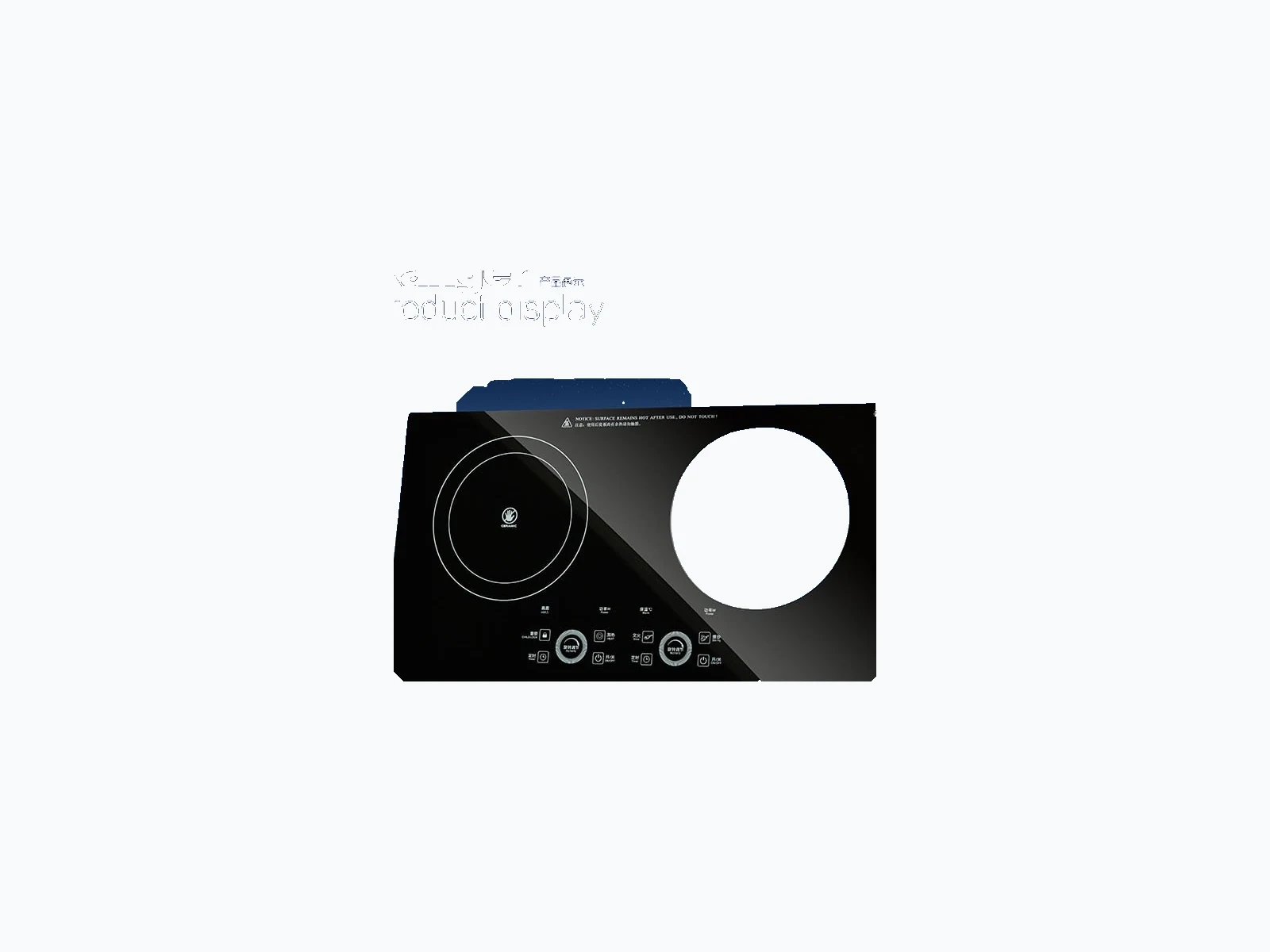
“Glass sheet” and “finished panel” describe different commercial scopes. Sheet supply leaves cutting, edging, printing, decoration, assembly interfaces, and final acceptance with the buyer or another processor. A finished panel request instead needs the buyer to state which of those operations form part of the proposed supply.
| Request type | Best starting point | Decision owner after delivery |
|---|---|---|
| Ceramic glass sheet | Buyer already controls the downstream conversion route | Buyer or nominated processor |
| Finished cooktop panel | Buyer needs a quoted component against a controlled design | Supplier confirms scope against the drawing |
| Mixed request | Scope is split between parties | Define the handover point before pricing |
A sheet quotation is not automatically comparable with a panel quotation. Before asking for prices, list the operations that create the component used in the appliance. This exposes whether a low sheet price excludes work that another quote includes.
| Downstream activity | Why it changes the request | RFQ treatment |
|---|---|---|
| Shape and cutouts | The delivered outline may not be the installed outline | Attach the controlled geometry |
| Edge condition | Edge treatment can affect assembly and handling | Describe the required edge state or request a proposal |
| Surface decoration | Appearance requirements need an approved reference | Identify artwork ownership and revision |
| Interfaces | Supports, seals, fasteners, or controls may affect the part definition | Mark relevant interface zones on the drawing |
Important: A drawing that shows only overall length and width is not enough to approve a finished component. The buyer still needs to identify cutouts, edge conditions, interfaces, and the acceptance reference. This is a procurement boundary, not a claim about a Kanger product. SCHOTT’s glass-ceramic material overview is useful background on material context, but it does not establish a finished-part specification for another supplier.
The drawing should answer a supplier’s first practical questions: what part is being supplied, which revision is current, and which areas are still open for engineering review. Labeling open points is better than allowing assumptions to disappear into a quotation.
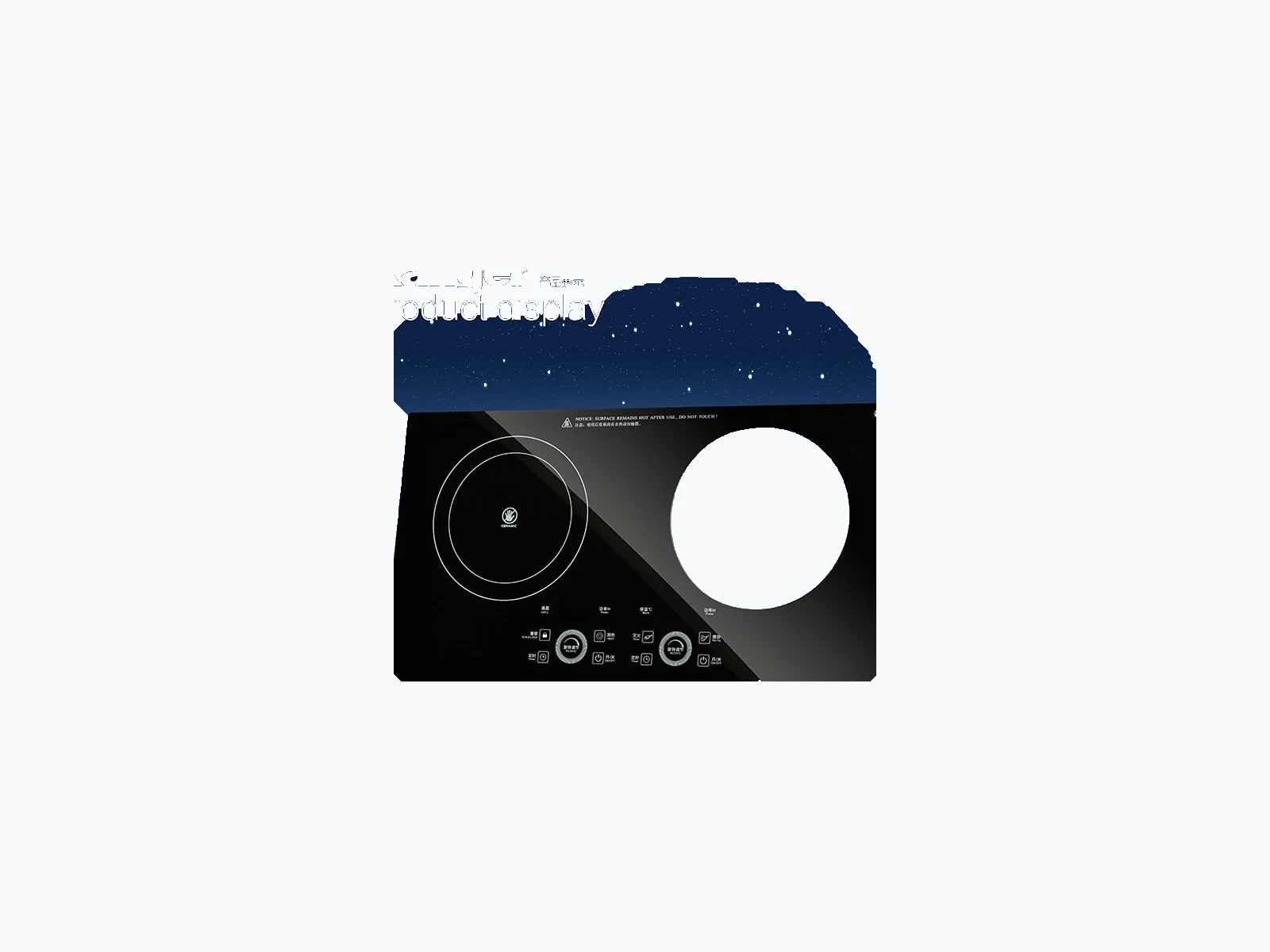
| Drawing item | What the buyer should provide | What the supplier should return |
|---|---|---|
| Revision identifier | Released file name and date | Confirmation of the reviewed issue |
| Part geometry | Outline, cutouts, and datum references | Any manufacturing or interpretation question |
| Interface notes | Contact areas and related components | Assumptions or exclusions in writing |
| Appearance reference | Approved artwork, finish, or sample reference | A statement of the proposed supply scope |
Put the supply boundary in a comparison table before selecting a supplier. A useful quote review does not assume that the same material phrase means the same delivered condition.
| Comparison field | Sheet quote | Finished-panel quote |
|---|---|---|
| Delivered condition | State the material form and any included preparation | State the completed component features included |
| Processing ownership | Name the party responsible after delivery | Name the party responsible before delivery |
| Drawing review | Confirm which dimensions are relevant to sheet supply | Confirm the drawing and open design points reviewed |
| Acceptance evidence | Request material evidence relevant to the agreed scope | Request evidence tied to the proposed component and conditions |
RFQ input for this article belongs in the table above and in the Part 3 drawing table: include the drawing revision, supply boundary, processing owner, quantity context, and requested documentation. Do not compare price until exclusions and assumptions are visible.
Material documentation can support a conversation about a proposed glass family, but it cannot replace acceptance evidence for a finished component. The final review should keep the project drawing, the offered scope, and the evidence package together.
| Evidence item | Useful question | Limit |
|---|---|---|
| Material documentation | Does it identify the proposed material and conditions? | It does not prove the installed component will fit every appliance |
| Supplier quotation | Which operations and assumptions are included? | It is not an approval unless the buyer accepts the defined scope |
| Controlled drawing | Which component is being reviewed? | It does not transfer another supplier’s values or claims |
| Approved sample reference | Which visual or physical reference governs review? | It must be tied to the current revision |
For terminology that can otherwise blur material and component requests, see the glass-ceramic terminology guide. The related durable cooktop-panel RFQ checklist helps buyers document the component context without turning generic claims into acceptance criteria.
Hold the RFQ for clarification when the buyer cannot identify the handover point, the installed component, or the acceptance reference. A supplier may still discuss options, but a price comparison will not yet represent the same requirement.
| Situation | Recommended next step |
|---|---|
| Material name only | Define whether the request is for sheet or a finished component |
| Geometry is provisional | Mark open points and obtain the current drawing revision |
| Two suppliers describe different delivery states | Normalize the processing scope before comparing cost |
| Required evidence is unspecified | Define what must be reviewed and under which project conditions |
| Consumer or architectural use is intended | Use a route appropriate to that application rather than this OEM workflow |
Once the drawing, processing boundary, and evidence request are controlled, use the Kanger product routes to identify a relevant product family and contact Kanger with the project package. Include the appliance position, drawing revision, required delivery condition, and any open questions.
The product route is appropriate when the buyer can describe the intended component and request scope. It is not a promise of a specific dimension, certification, lead time, compatibility, or production outcome; those points need project review.
Sheet is a material form that leaves downstream conversion with the buyer or another processor. A finished panel request defines a component scope that may include specified geometry, edges, decoration, or interfaces.
It prevents suppliers from pricing different delivery states under the same material label. The ownership statement also clarifies who must review any unfinished operations.
No. A datasheet can inform the material discussion, but finished-part acceptance needs the project drawing, offered scope, and conditions for the actual component.
Provide the current revision, outline and cutouts, relevant interfaces, appearance reference where applicable, and any feature that remains open for supplier review.
Pause when one quote covers sheet supply and another covers a finished component, or when the handover point and acceptance evidence are not defined.
Send the controlled drawing, appliance position, required delivery condition, quantity context, and the documentation questions that matter to the project.