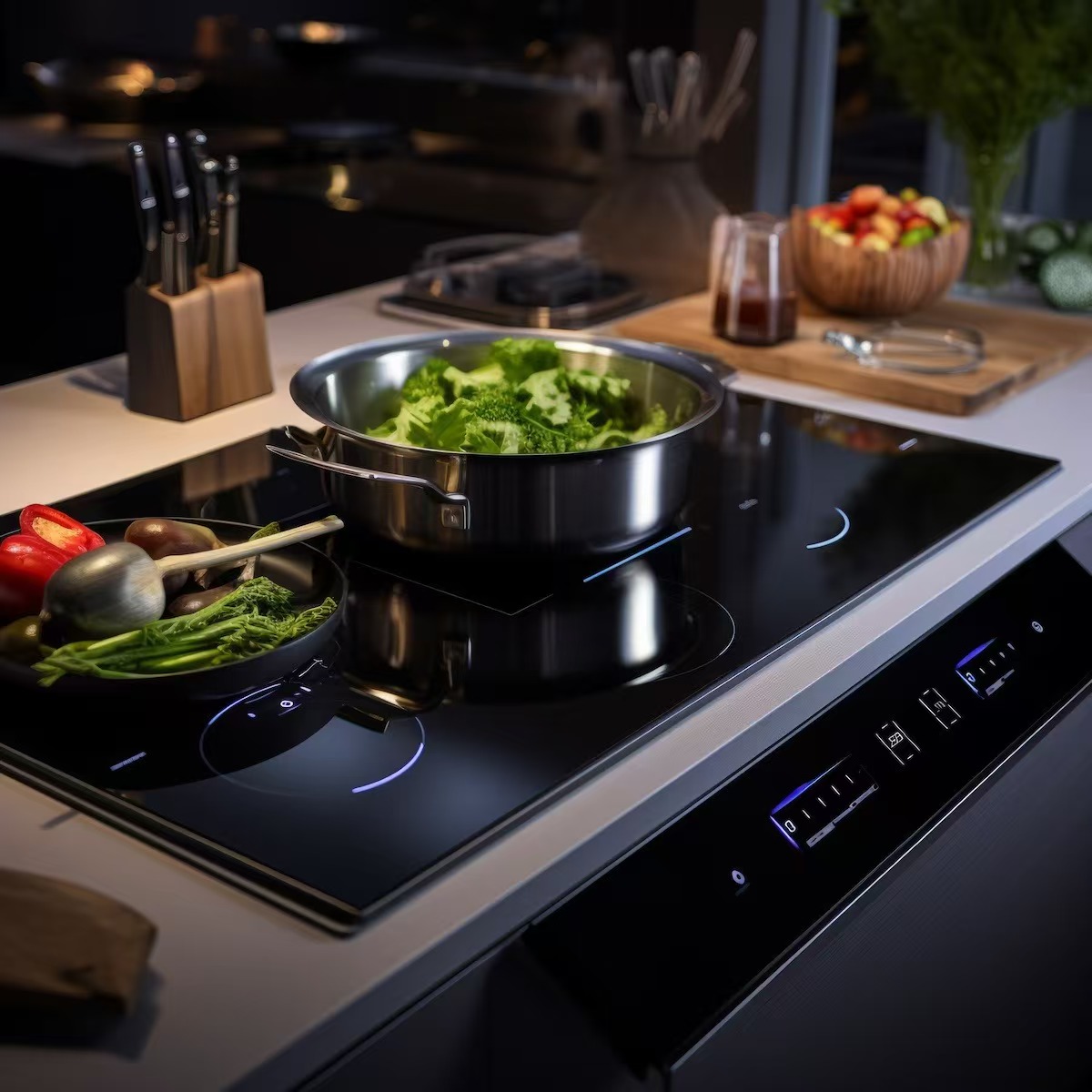
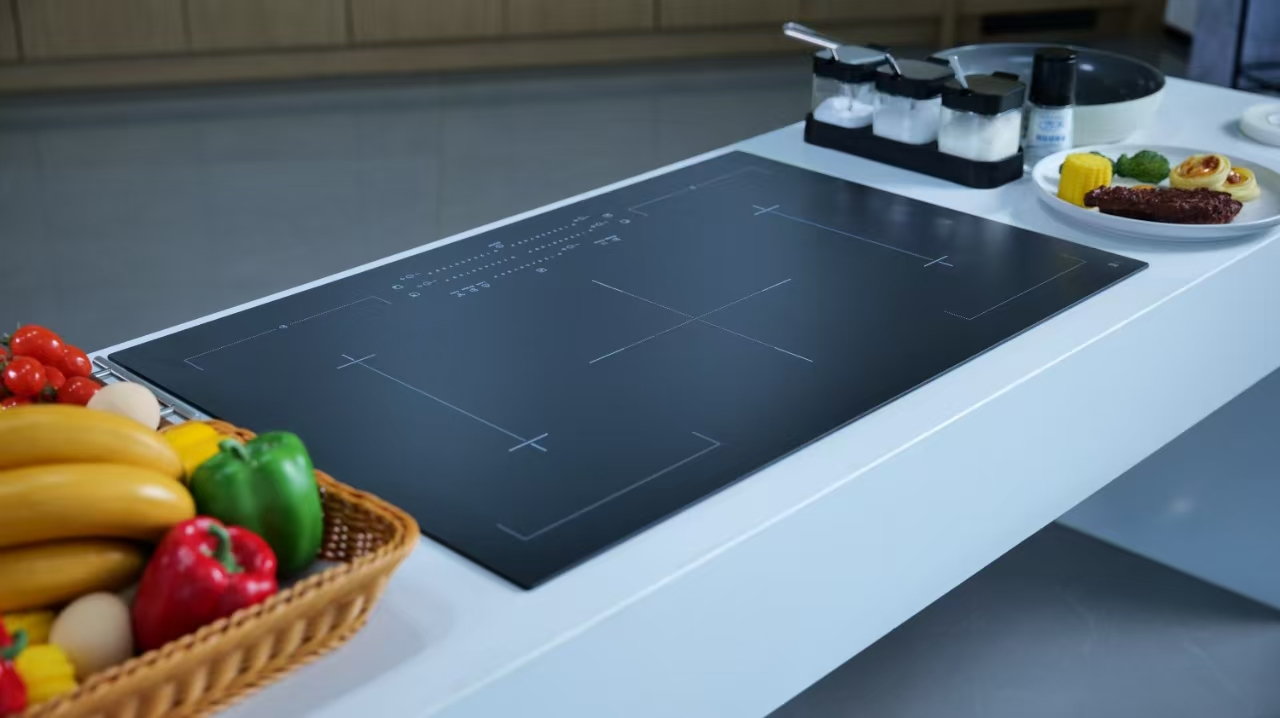
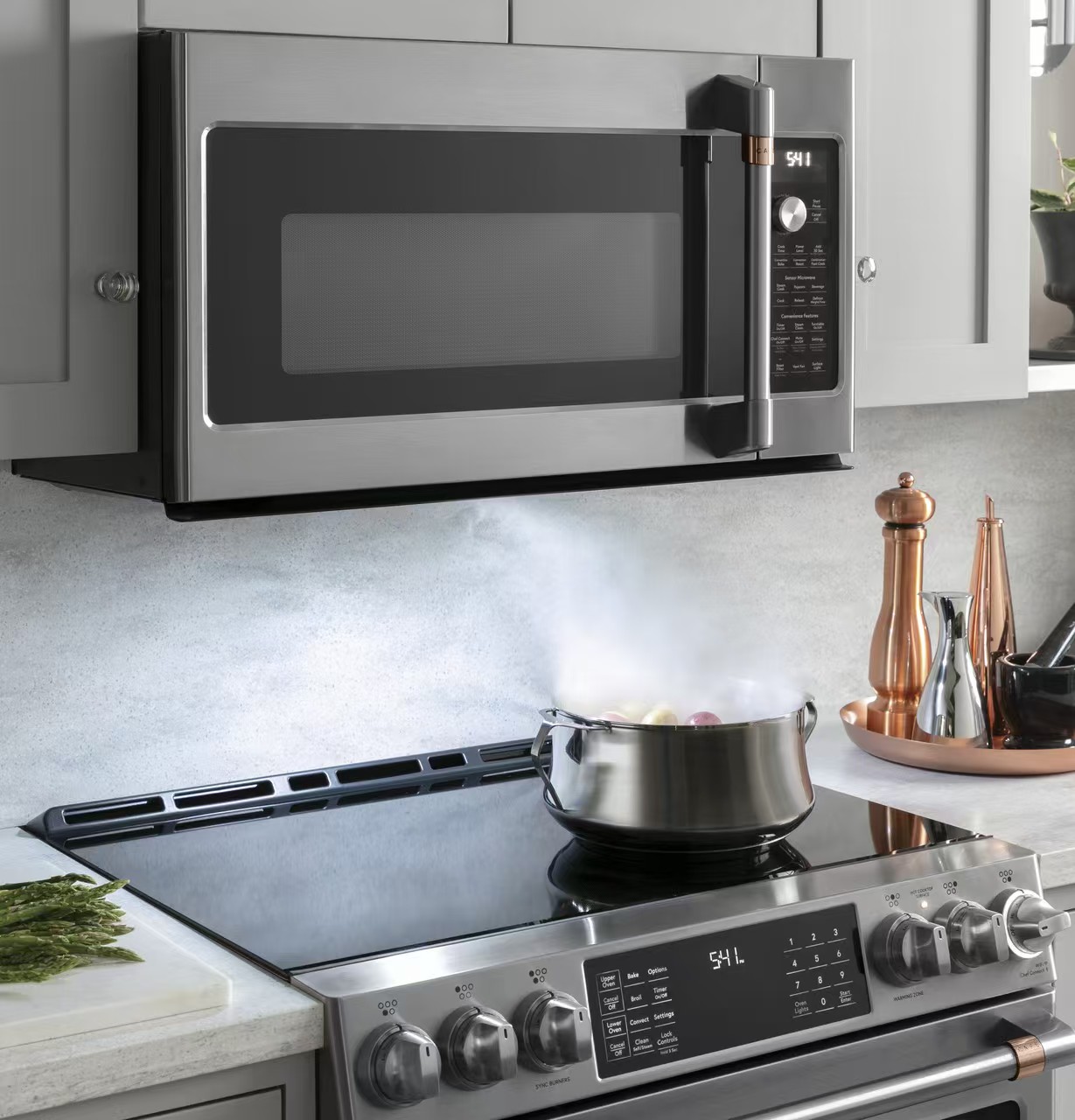
Microwave glass-panel artwork should be reviewed against the current controlled revision by identifying the installed orientation, visible print zones, required legibility decisions, change history, and the owner of every unresolved mark.
Artwork can communicate controls, settings, and customer-facing information, but only when the team knows which version is being reviewed. A disciplined review treats the drawing and artwork file as the reference, not an isolated screenshot or a remembered earlier sample.
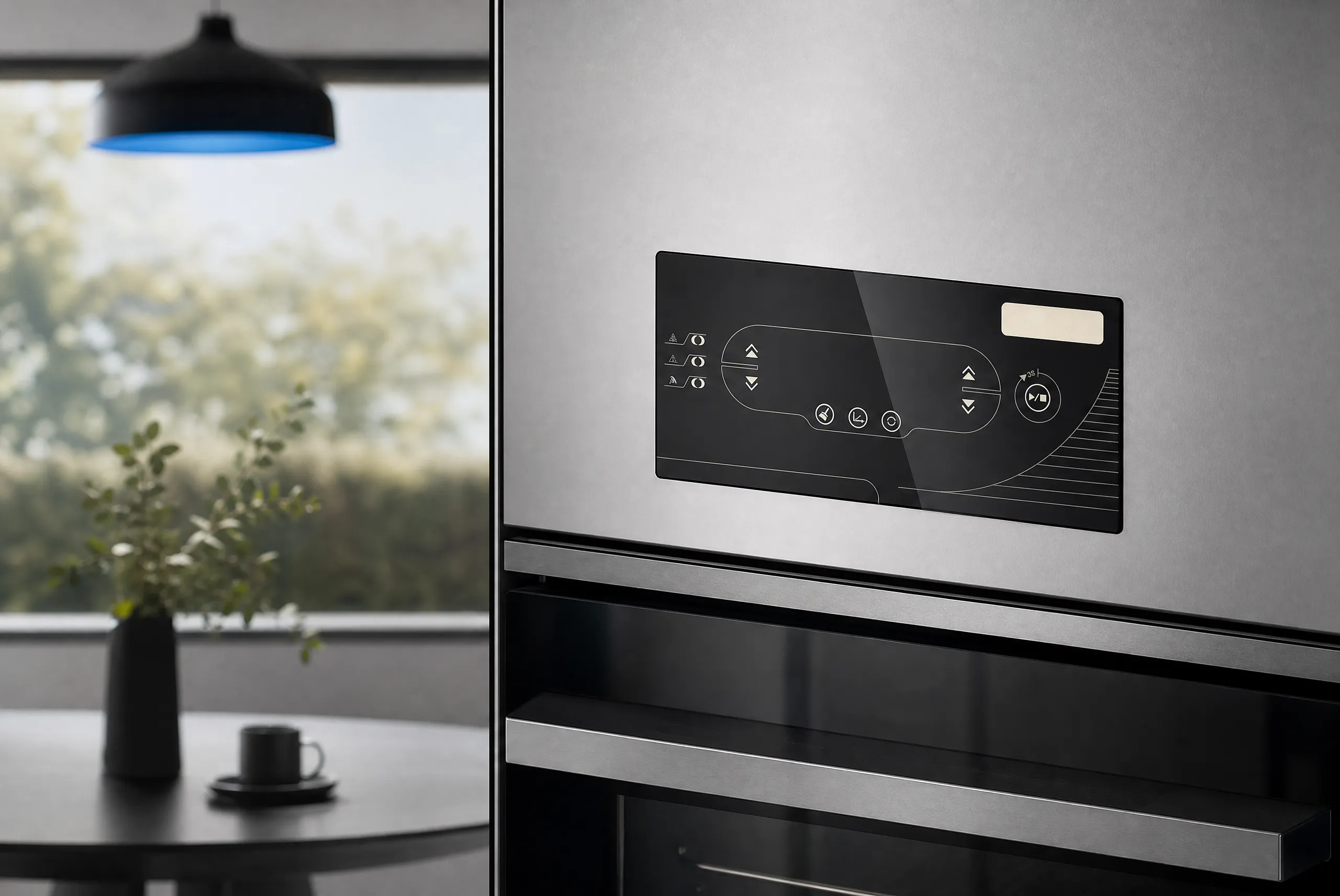
The review controls the communication around a marked glass panel: which revision applies, which face is seen after installation, and which print zones need a decision. It does not make the panel itself suitable for a particular appliance program.
A team may be looking at symbols, lines, fields, or a clear window area. Each needs to be connected to the current artwork rather than judged as an unnamed part of a black surface. ASME’s Y14.5 overview is useful context for document control, not a rule for the artwork of this product.
Important: A visual artwork review does not prove print durability, heat duty, appliance compliance, or customer-use performance. Confirm those questions through the relevant project process. — Source: ISO standards catalogue
Name the artwork revision, drawing revision, and panel orientation before discussing a symbol or line. Include the visible face and the reference direction that the team will use for terms such as left, right, top, or customer-facing.
The review record should also state whether the supplied image is a proof, a marked sample, or a reference photograph. A photo can clarify a conversation, but it should never silently replace the controlled file. For a heat-duty question, use the microwave panel heat-duty RFQ guide as a separate discussion.
Divide the review into the zones that the artwork actually shows. A symbol cluster, a display field, a perimeter line, and an unprinted viewing area may need different questions. This keeps a comment about one mark from being misread as a blanket approval.
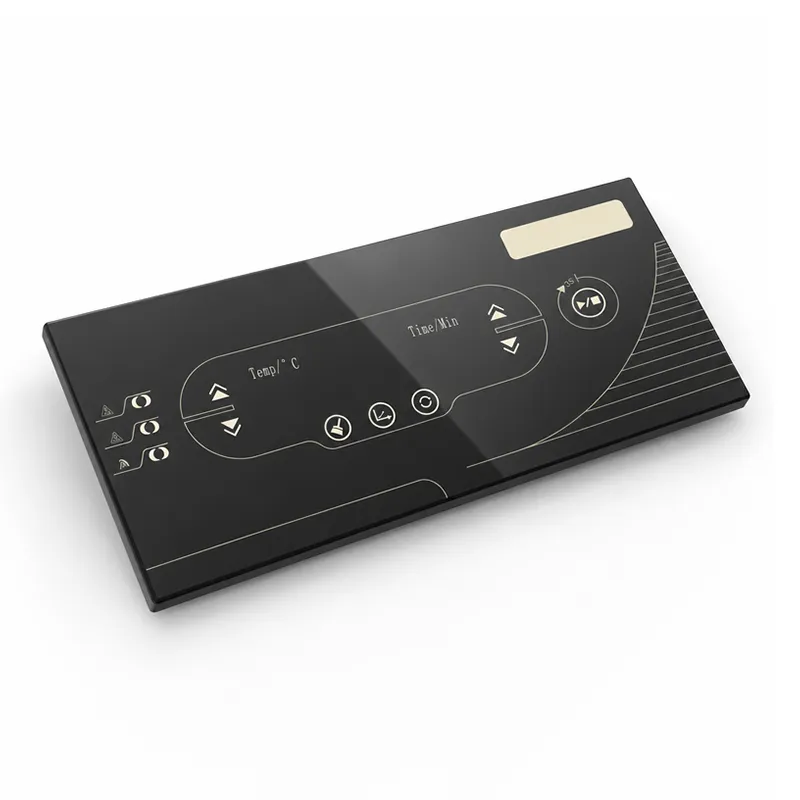
Ask what the team needs to decide in each zone: revision match, position against the drawing, intended orientation, or a legibility question under the agreed review condition. Do not turn the review into a universal claim that every mark will be readable in every setting.
An artwork inquiry works best when the supplier can see the controlled document and the exact decision requested. Keep the information together in the RFQ.
| Artwork-review field | Why it belongs in the RFQ |
|---|---|
| Artwork and drawing revision | Establishes the file set being reviewed. |
| Installed orientation | Connects visible zones to the intended customer view. |
| Named print zone | Lets the supplier respond to one marked area. |
| Source file or approved proof | Distinguishes controlled artwork from a reference image. |
| Legibility or placement question | States the decision the team needs without inventing a universal limit. |
| Change owner | Keeps any revision request with the responsible project function. |
The table preserves a review request. It does not approve a symbol, test a print, or release an appliance panel.
A clear revision and a visible print zone can improve a supplier conversation, but they cannot establish material performance. Material context, heat duty, electrical function, and project compliance must be reviewed against their own evidence.
SCHOTT’s glass-ceramic materials overview describes a material family. It does not validate artwork, declare a printing method, or provide a microwave-panel specification for another supplier.
When a symbol moves, a legend changes, or a screen image differs from the latest file, stop the informal comparison and identify the change owner. Record the question, attach the relevant revision, and ask whether the artwork or drawing needs a controlled update.
This approach avoids a common release problem: a panel sample is judged against an older image while the supplier is asked to follow a newer file. The microwave and oven material brief remains a separate resource for material-routing questions.
Once the artwork revision, orientation, print-zone notes, and open decisions are clear, attach them to an enquiry through the appliance borosilicate glass page. Request supplier feedback against the project package rather than a generic approval of the panel name.
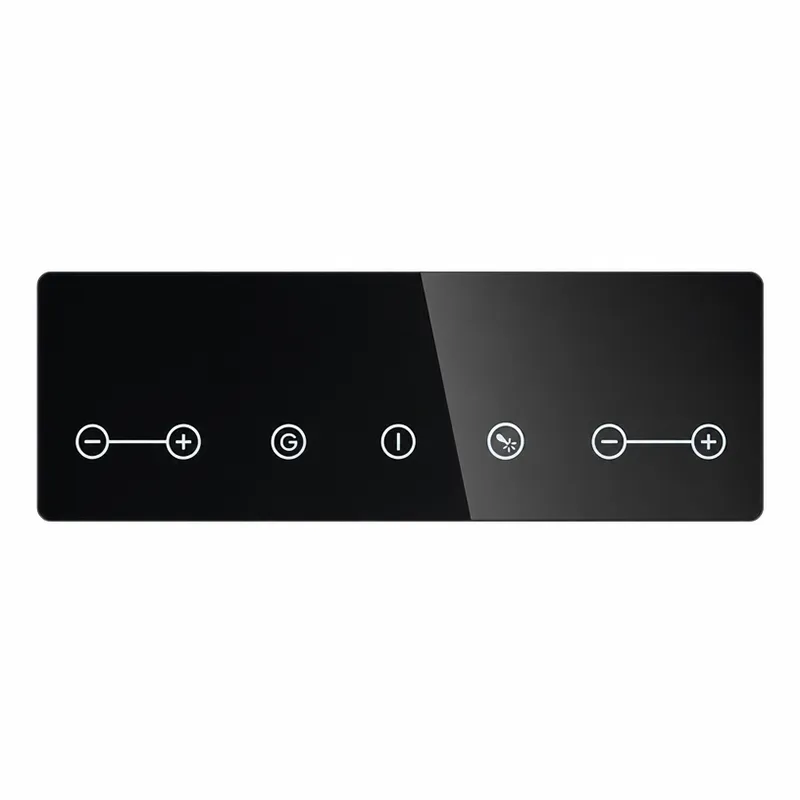
Include the controlled files, visible-zone list, any proof or sample reference, and the response required next. If a different glass family is needed, begin at the KANGER products overview. For a project-specific question, contact KANGER.
It controls the review reference for visible marks: the revision, installed orientation, identified zones, and unresolved decisions. It does not approve panel performance.
The revision tells all reviewers which artwork and drawing they are comparing, preventing an older proof from becoming an unintended master.
No. A photo can support communication, while the controlled artwork file or approved proof remains the review reference.
Include the artwork and drawing revision, orientation, named print zones, controlled source file or proof, the question to answer, and the change owner.
No. Artwork evidence does not establish material behaviour, heat duty, compliance, or final appliance fit.
The responsible project owner should release it through the controlled artwork and drawing process before the supplier is asked to follow the change.