If induction hob pan handles over controls prevent you from seeing or reaching the operating area, review the cookware position before cooking. Use the zone placement permitted by the hob instructions and keep handles from obstructing controls, projecting into a walkway or exposing someone to a spill. Do not move a hot, loaded pan simply to test an arrangement. Check the cold setup first, including adjacent vessels and the intended lifting route. A suitable magnetic base answers a compatibility question; it does not establish that the handle arrangement is practical or safe for your kitchen.
A saucepan may be recognized correctly while its handle covers part of the touch interface. Recognition concerns the vessel and cooking zone; access concerns how a person operates the assembled appliance. Treat both as necessary checks. The same pan can present different access problems when moved between a front and rear zone, especially when another vessel or a tall lid is nearby.
Do not assume that every handle can simply point toward the back. A wall, another hot vessel or the edge of the permitted cooking area may make that direction unsuitable. Read the appliance and cookware instructions together. ENERGY STAR guidance on induction cooking explains induction compatibility; it does not approve a particular handle layout. Our usable pan-base sizing addresses base dimensions, which should be checked separately from the space needed by the complete vessel.
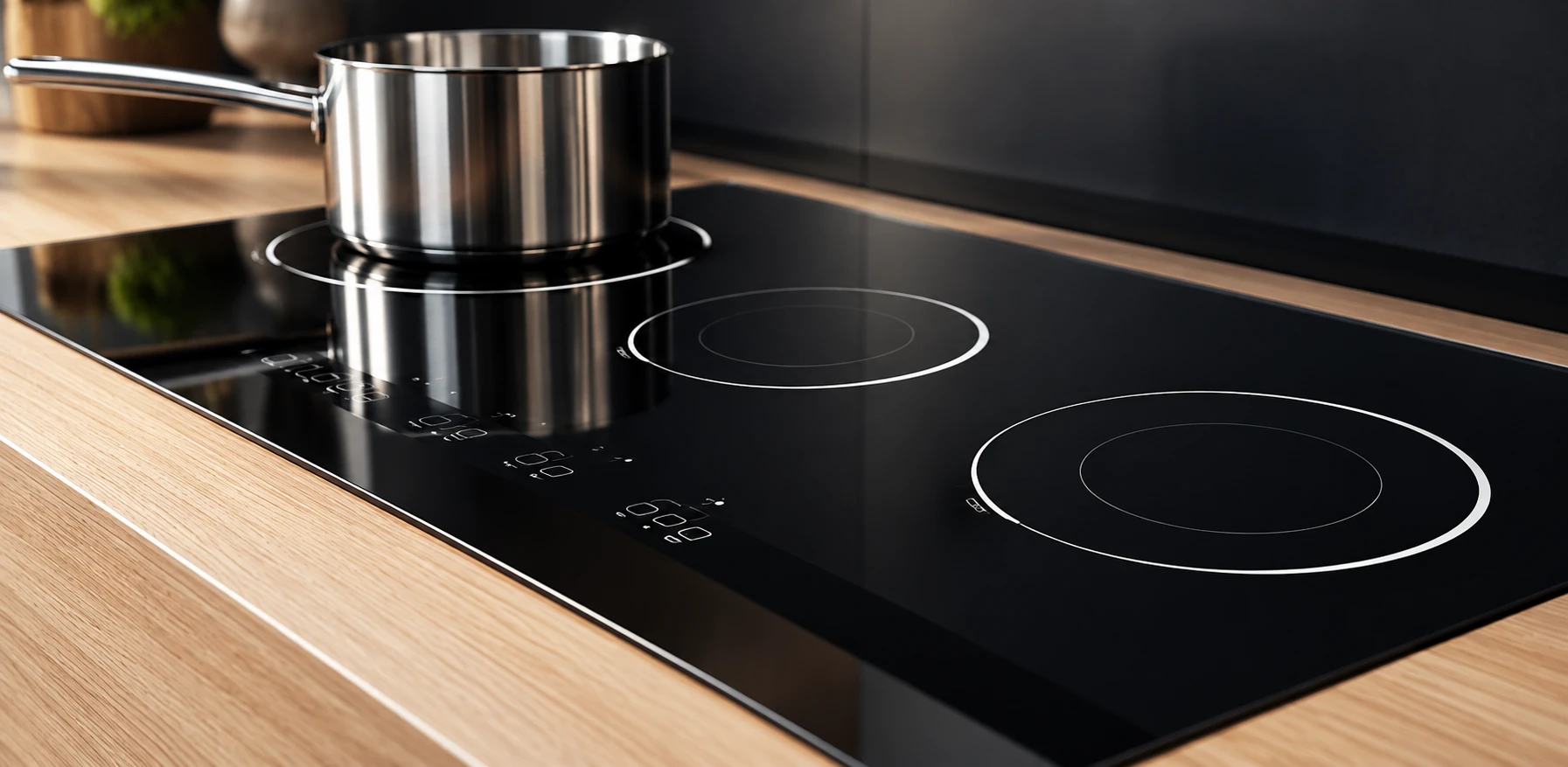
With the appliance off and cool, arrange the empty, clean cookware only within the positions allowed by the manual. Include lids and utensils that affect how you approach the hob. Look at the entire handle, including any second helper handle. A nominal saucepan diameter does not describe this full footprint. Avoid using paper patterns or other materials on an operating hob to check clearances.
Check whether the intended user can see the relevant controls and approach them without reaching over a vessel. Test a comfortable stance without pretending that a cold exercise reproduces hot operation. If children or other people use the room, consider foreseeable contact with projecting handles. U.S. Fire Administration cooking-safety guidance advises turning pot handles toward the back to reduce the risk of a bump or a child pulling them down; apply that advice alongside the appliance’s permitted placement.
Identify the controls you need during the task: power selection, zone choice, timer, pause and the stop function specified by the appliance. Their locations differ between models. A shared control strip may be affected by one large vessel even when another zone is being used. Check the actual interface rather than copying a photograph of a different hob with a superficially similar glass panel.
A handle hovering above the controls can obstruct a view even when it does not physically touch the glass. A helper handle or lid can do the same. Do not rest utensils, lids or pan handles on the control area. If an alarm or unexpected response occurs, follow the manual and stop using the arrangement until the cause is understood. This article does not prescribe a universal reset or button sequence.
| Observed issue in a cold check | Useful response | Evidence to retain |
|---|---|---|
| Handle masks touch controls | Review permitted orientation or use another suitable vessel | Hob model and complete vessel footprint |
| Handle projects into a route | Reconsider the cooking position before use | Counter layout and normal user approach |
| Two handles collide | Review the complete multi-pan arrangement | Both vessel models and intended zones |
| Loaded lifting route is blocked | Choose an arrangement with an appropriate landing area | Handling instructions and task weight |
| Warning appears during operation | Follow the appliance’s specified response | Exact displayed message and operating conditions |
This is a planning table, not a clearance standard. It deliberately gives no universal distance between handles and controls. Use the applicable installation, operating and cookware documents for dimensions and restrictions. If their requirements cannot be met together, change the vessel or the planned task rather than inventing a clearance that looks adequate in a photograph.
A single-pan check can miss a conflict that appears when two handles occupy the same space. Arrange the intended set while everything is cold. Look for a handle that crosses another vessel, blocks a lid or prevents a stable grip on a helper handle. Do not rotate one pan outside its approved zone position to solve the conflict. Cooking-zone placement remains a separate requirement.
Consider the order in which vessels will be used and removed. A rear pan may be easy to reach at the start but inaccessible after a tall front pot is added. A safer plan may involve a different vessel, a different permitted zone or preparing the task sequentially. A crowded layout should not depend on reaching between hot surfaces or carrying a pan over another person.
A handle that is easy to see is not necessarily easy to lift under load. Read the cookware’s lifting and protection instructions. Include the actual grip points and a suitable landing area off the hob. An empty cold check cannot prove that a heavy pot will be manageable when filled, so choose cookware and task quantities appropriate to the user and obtain help when required.
Do not use the glass as a general work surface or assume that every hot vessel may be placed anywhere on it. The appliance instructions govern permitted use. Keep the route clear before heating starts. For a long or rectangular vessel, our roasting-vessel approval and handling discusses the additional questions associated with roasting-pan handling and hob-to-oven tasks. Handle clearance does not establish oven suitability for the complete vessel.
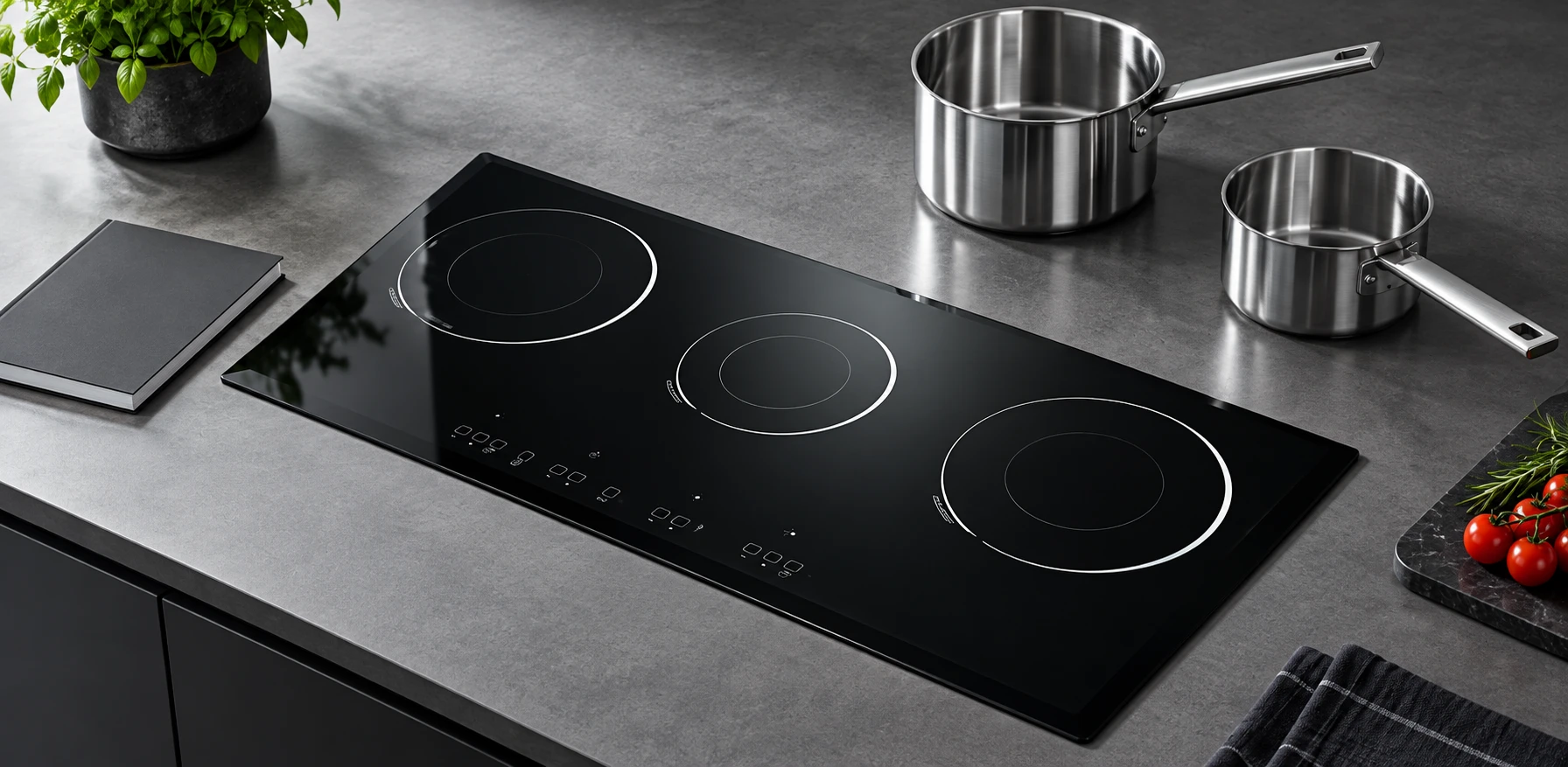
A lock feature can have a defined role in the exact appliance instructions, but it does not make an obstructed interface accessible. Nor does it prevent someone from bumping a projecting handle or spilling contents. Check how the particular feature behaves during cooking and how the user is meant to stop the appliance. Avoid assuming that a feature name has identical behaviour across manufacturers.
Our control-lock guidance explains model-specific control-lock questions. Keep that function separate from physical layout. Do not add tape, homemade guards or wedges to stop a handle moving, and do not place a mat beneath the pan unless the exact equipment instructions permit it. An accessory must not become a substitute for an arrangement that keeps cookware stable and controls accessible.
A spill can change access by wetting the controls, covering the glass or leaving a hot vessel in the way. Follow the appliance’s response instructions and the appropriate fire-safety guidance. Do not reach through steam or over a hazardous vessel just to restore a preferred handle direction. If the appliance needs service or there is visible damage, stop using it as directed and contact qualified support.
Our boil-over and spill response covers boil-over and spill handling. Keep cleaning advice separate from emergency response: a routine wipe-down method is not a fire procedure. Do not spray into openings or dismantle the control area. When support is needed, record the message and conditions after the situation is safe rather than attempting photographs during an active hazard.
For a supplier discussion, identify the hob model, the vessel model and the permitted cooking-zone position. Explain which control becomes inaccessible and what additional cookware is present. A photograph of a cold, safe arrangement can help when the supplier requests one. Include the actual handle direction and any wall or counter restriction, without supplying measurements that were estimated from an image.
Ask whether a different suitable vessel or permitted zone is recommended. If a replacement appliance is being considered, compare the complete interface and cooking arrangement before purchase. A wider glass surface does not automatically mean better access because the placement of controls and zones also matters. Keep written advice with the operating documents so another user does not repeat an unsuitable arrangement.
The Kanger black glass-ceramic cooktop panel provides a visible reference for Kanger’s black glass cooking surface. The black glass-ceramic material overview discusses the material family. Neither a product image nor a panel description approves a finished appliance’s ergonomics, cookware clearance or control behaviour. Those depend on the actual drawings, assembled appliance and operating instructions.
For an OEM evaluation, review zone graphics and control graphics against the assembled design. Record the cookware used in a layout assessment and the questions sent to the appliance designer. Do not infer hidden sensor positions or electronic behaviour from the printed symbols. Clear records allow a panel drawing issue to be distinguished from a cookware or appliance-layout issue without attributing every access problem to the glass material.
Technology Connections explains induction and cookware geometry. The demonstration provides physical background; it does not certify the material, coating, base or size of a particular vessel, or approve accessories for your appliance.
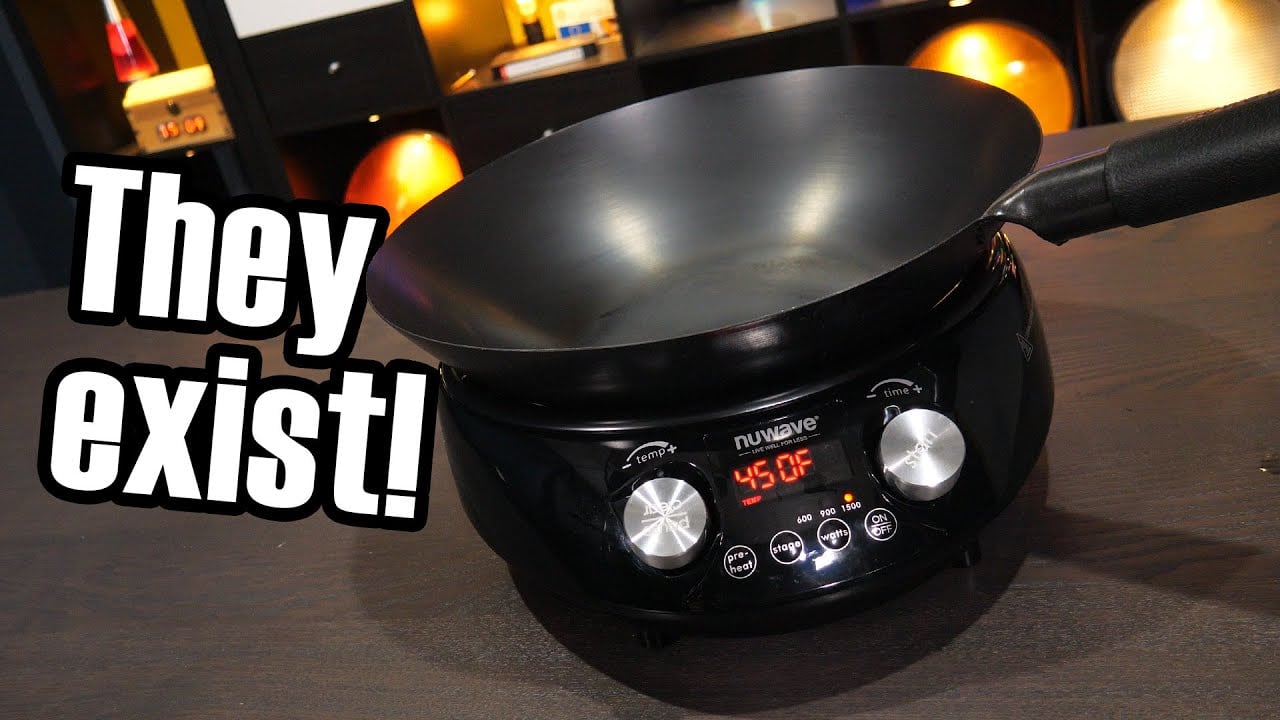
Video: Induction cooking – but what about woks?, Technology Connections. Open the educational video on YouTube.
Plan the permitted cookware position so the necessary controls remain visible and accessible; follow the exact appliance instructions.
No. Recognition, control access and loaded handling are separate checks.
No. A lock does not remove a physical obstruction or prevent a projecting handle being bumped.
No. Plan with cold equipment first and follow the cookware handling and appliance instructions during use.



