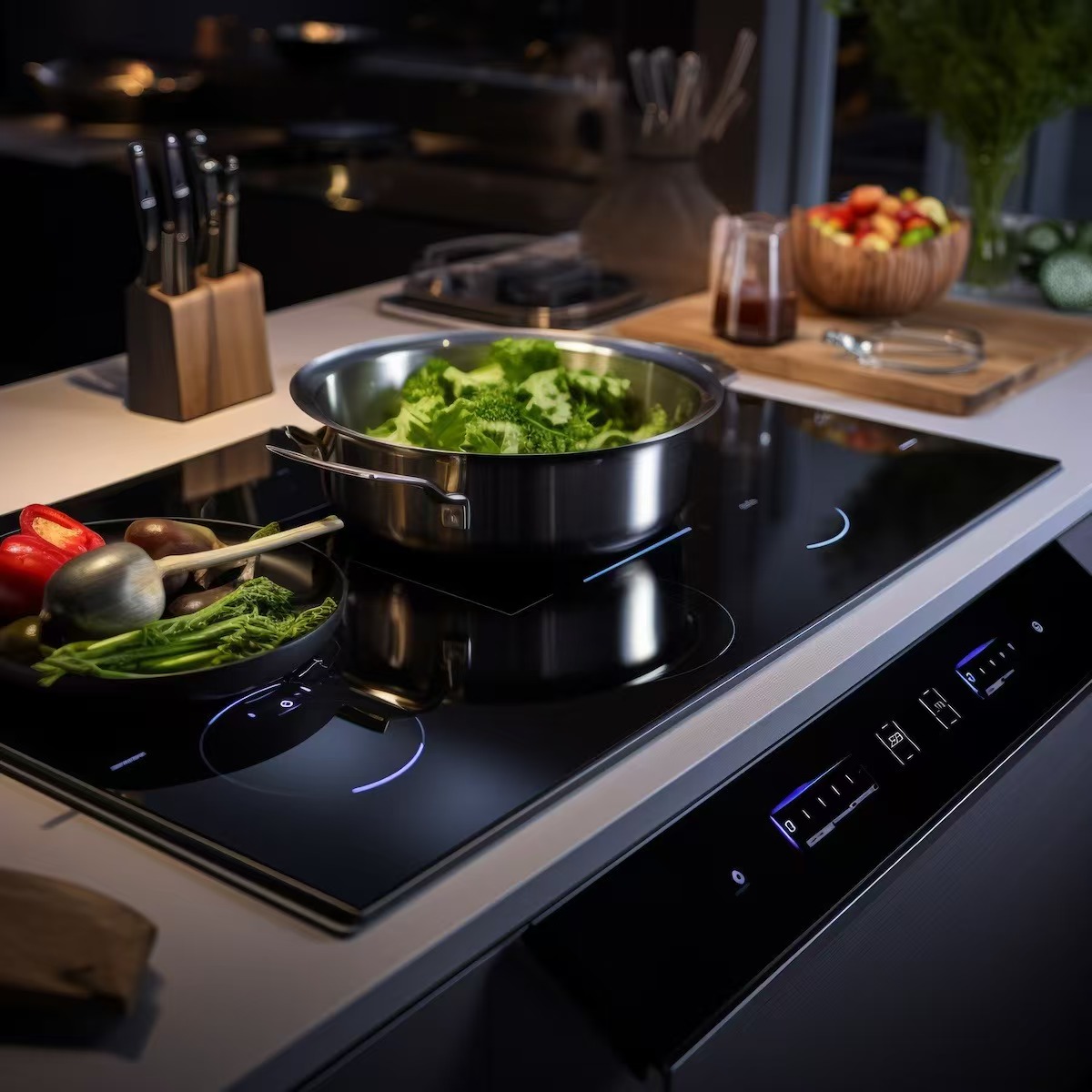
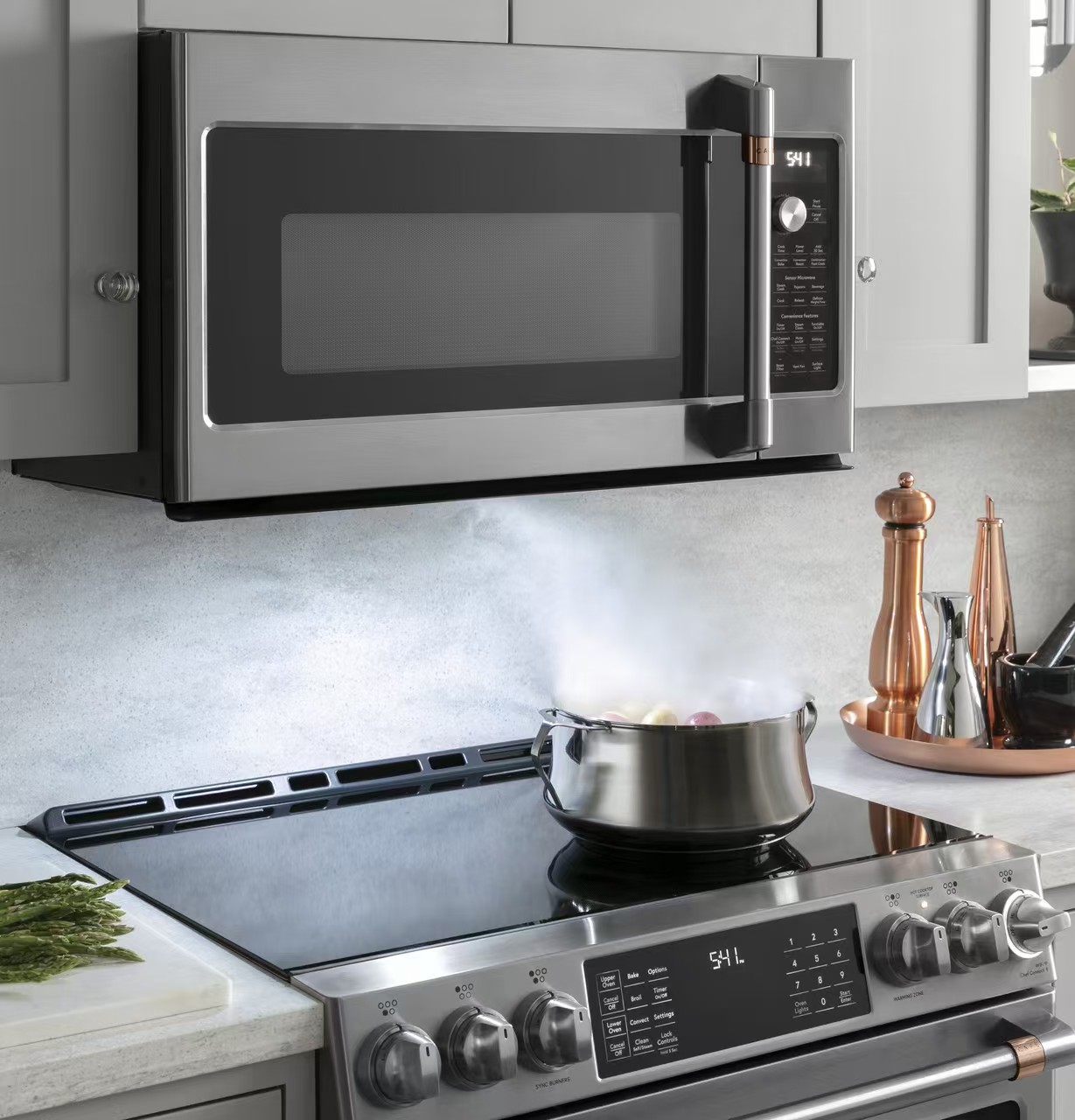
An induction hob stockpot needs an induction-compatible base, a size permitted by the appliance instructions and a handling arrangement that remains practical when the pot is filled. Check the exact stockpot model and hob model together. A large advertised capacity does not establish the usable base diameter, the permitted load on the appliance or whether you can reach both handles safely. Separate these decisions before purchasing a tall pot for stocks, soups or batch cooking.
This guide concentrates on the deep vessel and its access requirements. It does not provide a universal maximum pot weight, boiling time or heating setting. Those depend on the products and the intended task. It also does not turn ordinary stock preparation into a validated food-preservation process. The useful outcome is a documented cookware choice and a realistic plan for filling, supervising and emptying the vessel.
Obtain the stockpot instructions and match them to the actual model and size. A family photograph or a retailer’s broad description can cover several constructions. Look for induction suitability for the selected version, along with any limits on the type of appliance or heating method. Stainless appearance alone does not show how the base is constructed. An induction symbol is useful evidence, but it must belong to the product you will receive.
ENERGY STAR guidance on electric cooking products describes induction cooking through magnetic interaction with appropriate cookware. That supports checking the base rather than judging only the sidewall material. A magnet may help screen a candidate where the supplier recommends it; it cannot replace the manufacturer’s complete designation. Keep any supplier clarification with the model record so a later replacement is checked against the same requirements.
Tall stockpots may have a curved transition between the wall and base. The advertised diameter may describe the upper opening rather than the part relevant to the hob’s cookware guidance. Obtain the usable base dimensions and compare them with the appliance instructions. Our guide to measuring the usable pan base explains how to distinguish these measurements without assuming that every circular outline on the glass represents an acceptable vessel size.
Inspect an empty, cool pot on a stable work surface. Check that its base is clean and that it sits as the cookware maker intends. Do not use repeated high-power attempts to force recognition of an unsuitable pot. If documentation and actual placement disagree, ask the responsible supplier before heating. An approved arrangement on one appliance is not automatic approval on a different model.
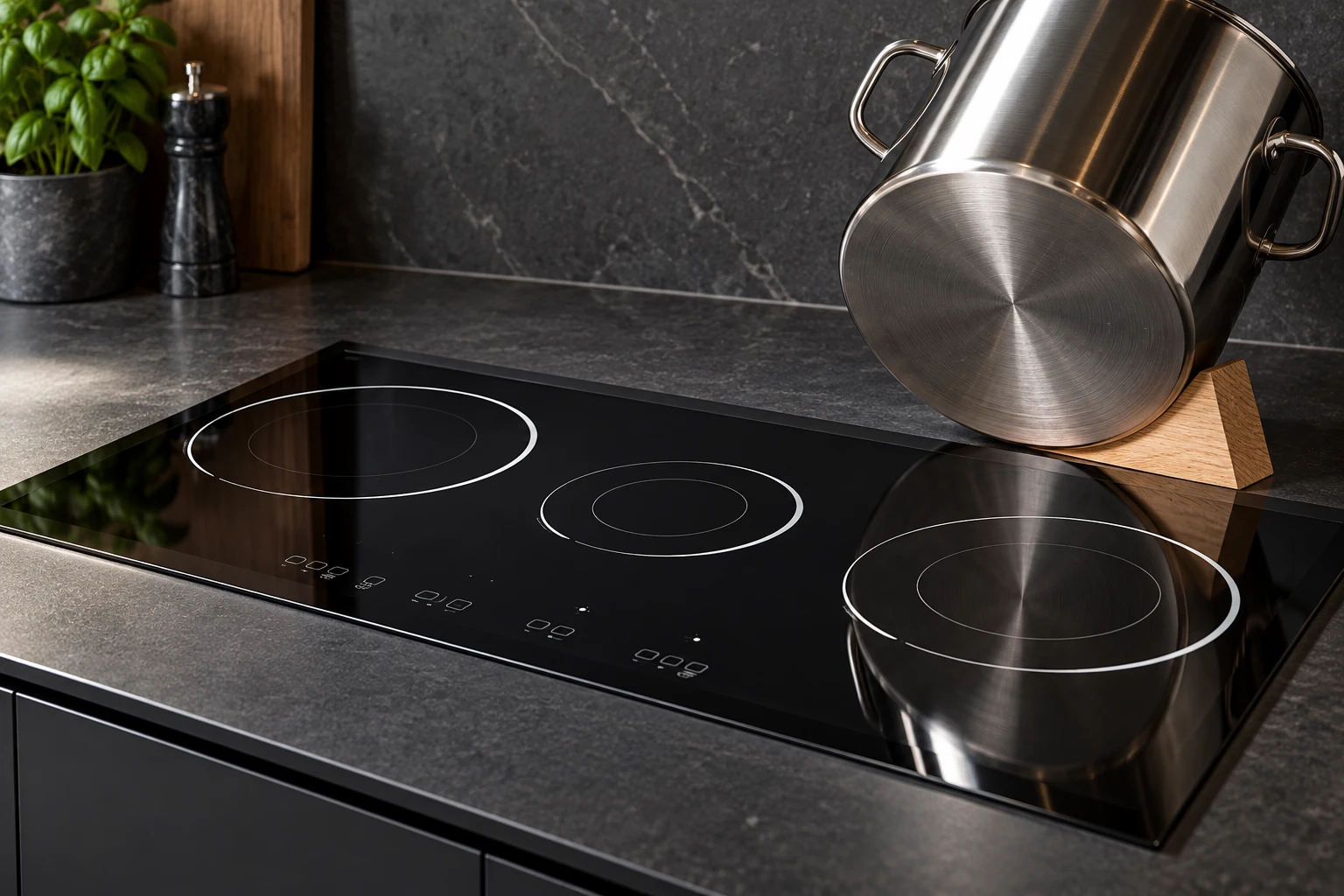
A capacity label describes volume, not the complete weight of the cooking arrangement. The pot, liquid, ingredients and lid all contribute to what must be supported and handled. Read the appliance’s loading instructions where supplied and ask its manufacturer when the intended load is not covered. Do not infer a permitted weight from glass thickness, a showroom display or another kitchen’s experience.
The working fill level also needs its own instructions. A nominal capacity is not permission to fill to the rim. Leave whatever space the cookware directions and cooking task require, without inventing a universal fraction. Plan how the pot will be filled and emptied before it is hot. If the filled vessel cannot be handled comfortably, choose a more manageable permitted arrangement or divide the task using appropriate equipment.
The table below records decisions to resolve before use. Its induction principle follows ENERGY STAR guidance on electric cooking products, while dimensions, loading and filling limits must come from the specific product instructions. Empty cells in your own purchasing record are questions for the supplier, not an invitation to estimate a safety limit from an online photograph.
| Decision | Information to obtain | Action before heating |
|---|---|---|
| Induction suitability | Exact stockpot model and size designation | Match documentation to delivered product |
| Base fit | Usable bottom dimensions and hob requirements | Confirm a permitted zone and position |
| Loaded arrangement | Appliance loading guidance and intended working fill | Resolve any unsupported load with the maker |
| Handle access | Two-handle grip and clear lifting route | Rehearse while empty and cold |
| Lid handling | Grip instructions and stable nearby resting place | Keep controls and walking routes clear |
A pot that fits the zone can still be awkward beneath a cabinet or beside another vessel. Examine access to both handles while the pot is cold. Allow room to grip as the maker directs, and consider the extra clearance needed when the lid is removed. Do not move the pot partly off its approved position to make the handles reachable. Change the layout or choose another suitable vessel.
Our guide to keeping cookware handles clear of controls covers control access around cookware. Apply the same reasoning to a deep stockpot: avoid blocking the power controls or making the user reach across another active pan. Check the route to the intended resting surface as well as the starting position. A nearby sink is not helpful if a tap, cupboard or narrow aisle makes the lift unstable.
Identify how the lid is gripped, where it can be rested and how the user avoids reaching across the pot opening. Follow the cookware instructions for any protective equipment. Do not assume a handle stays cool because induction has no exposed flame. The condition of the handle and its attachment matters as well; a loose or damaged part requires attention before the vessel is used.
Use a stable, appropriate resting surface for the lid, away from the hob controls. Keep the preparation area clear so a hot lid does not have to be balanced on an improvised edge. This planning is particularly useful with a tall pot because its opening is higher and the lid may interrupt the view of the contents. The cold rehearsal should reveal those access problems before cooking starts.
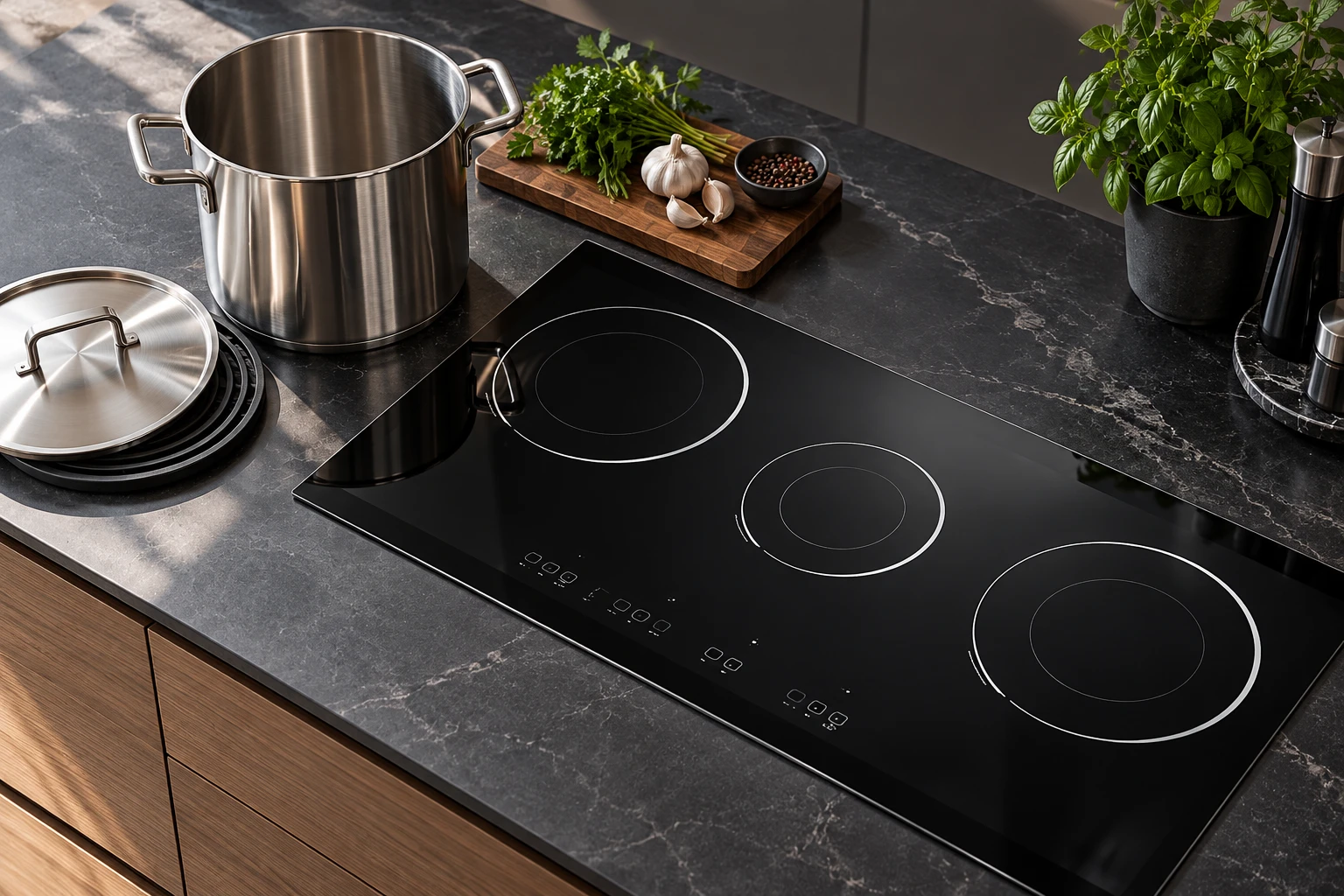
Follow the hob and stockpot instructions for the initial setting and any later reduction. Do not assume boost is required simply because there is a large volume to heat. A setting copied from a smaller saucepan or another appliance may not be appropriate. Check the intended cooking task and keep the controls accessible throughout, including when other cookware is added to the hob.
U.S. Fire Administration cooking-safety guidance advises attending cooking and keeping combustible materials away from the stovetop. A large pot does not remove that need. Prepare ingredients and utensils so routine tasks do not pull you away from the cooking area. A timer or a lid is not a substitute for supervision. If the pot is involved in an abnormal event, follow the relevant instructions rather than using the remaining liquid as proof that continued operation is safe.
If the hob does not recognize the stockpot, record the displayed message and check the permitted base and zone arrangement. Do not slide the loaded pot between zones while repeatedly raising power. Read the appliance’s cookware guidance first. A pot can have a large outer body and still present a base outside the model’s specified range; the body width alone cannot resolve that question.
If the pot is recognized but the cooking result differs from expectations, review the actual equipment and recipe rather than diagnosing the glass component from heating time. The amount and starting condition of the contents matter to the task, but this guide does not calculate a promised boil time. Provide the hob and pot model numbers, placement and observed behavior when requesting support.
After use, follow the stockpot’s cooling, cleaning and drying instructions. Do not transfer an abrasive or chemical treatment from another finish. Inspect the underside before its next use and remove residue using the maker’s permitted method. A clean base helps avoid trapping grit against the glass, but cleaning cannot certify a visibly damaged or distorted vessel as safe to use.
Lift cookware instead of dragging it across the panel. Our guide to understanding glass surface marks explains why surface residue and structural concerns require different responses. Do not press down on a rocking pot, reshape its base on the appliance or continue using visibly damaged glass. Stop and obtain the appropriate service advice when the condition falls outside ordinary care instructions.
Record the stockpot model, size, base measurement, hob model, permitted position and supplier answers. Hospitality buyers should repeat this check when a replacement pot has the same nominal capacity but a different base or handle arrangement. Include instructions in the handover so the person who uses the vessel receives the information gathered by the purchaser.
Kanger’s Kanger black glass-ceramic cooktop panel and black glass-ceramic material overview concern the glass component in this cooking environment. They do not establish a finished appliance’s pot-weight limit or approve every stockpot. OEM buyers should define panel and integration requirements in their own project documentation, then validate the complete appliance and intended cookware through the responsible process. Keeping those records separate makes the component discussion accurate and the cookware decision usable.
This neutral educational explanation shows induction heating and the role of cookware geometry. It supports understanding the lower vessel and its base, not approval of a stockpot load, a steaming insert, a double-boiler assembly or a particular recipe.
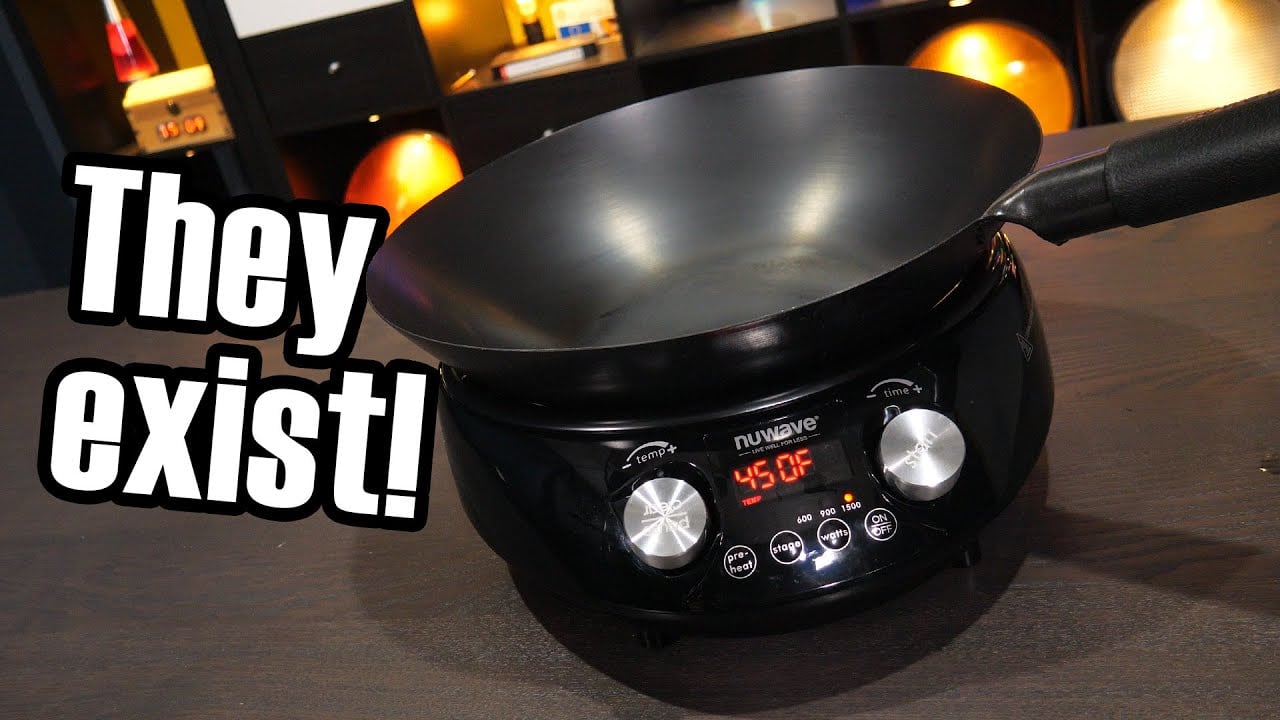
Video: Induction cooking – but what about woks?, Technology Connections. Open the educational video on YouTube.
No. Obtain the usable bottom dimensions separately and compare them with the exact hob instructions.
No. Use the appliance loading guidance and ask its manufacturer when the intended arrangement is not covered.
Follow the pot and hob instructions. Pot size alone does not establish the appropriate heating sequence.
Check both handles, the intended grip, the complete lifting route and a stable resting place while the pot is cold.