When you notice induction hob glass scratches, first stop and identify what you are seeing. A line on the surface may be residue, a metal-transfer mark, a scratch or damage that requires service. Do not assume that every visible line can be polished out, and do not test it with sandpaper, abrasive powder or a sharp object. Follow the appliance’s cleaning and damage instructions. If the glass appears cracked, chipped or otherwise unsafe, stop using the appliance and contact qualified support. A photograph alone cannot establish the depth or safety significance of a mark.
Switch off cooking and follow the manufacturer’s instructions for the condition you have encountered. For ordinary inspection and routine cleaning, allow the surface to cool as directed. Some spill types have specific urgent handling instructions, so do not replace the manual with one blanket rule for every substance. In particular, our separate sugary-spill guidance explains why sugary spills need their own decision process. Never touch the surface simply to decide whether it looks cool enough.
If there was an impact, a spreading line, a chipped edge, a liquid ingress concern or a service warning, explain that history to support. Do not continue cooking merely because the zone still heats. Electrical operation does not certify the condition of the panel. Keep people away from the area as instructed, and avoid dismantling the appliance or reaching beneath it to investigate. The safe next action depends on the exact appliance and observed damage.
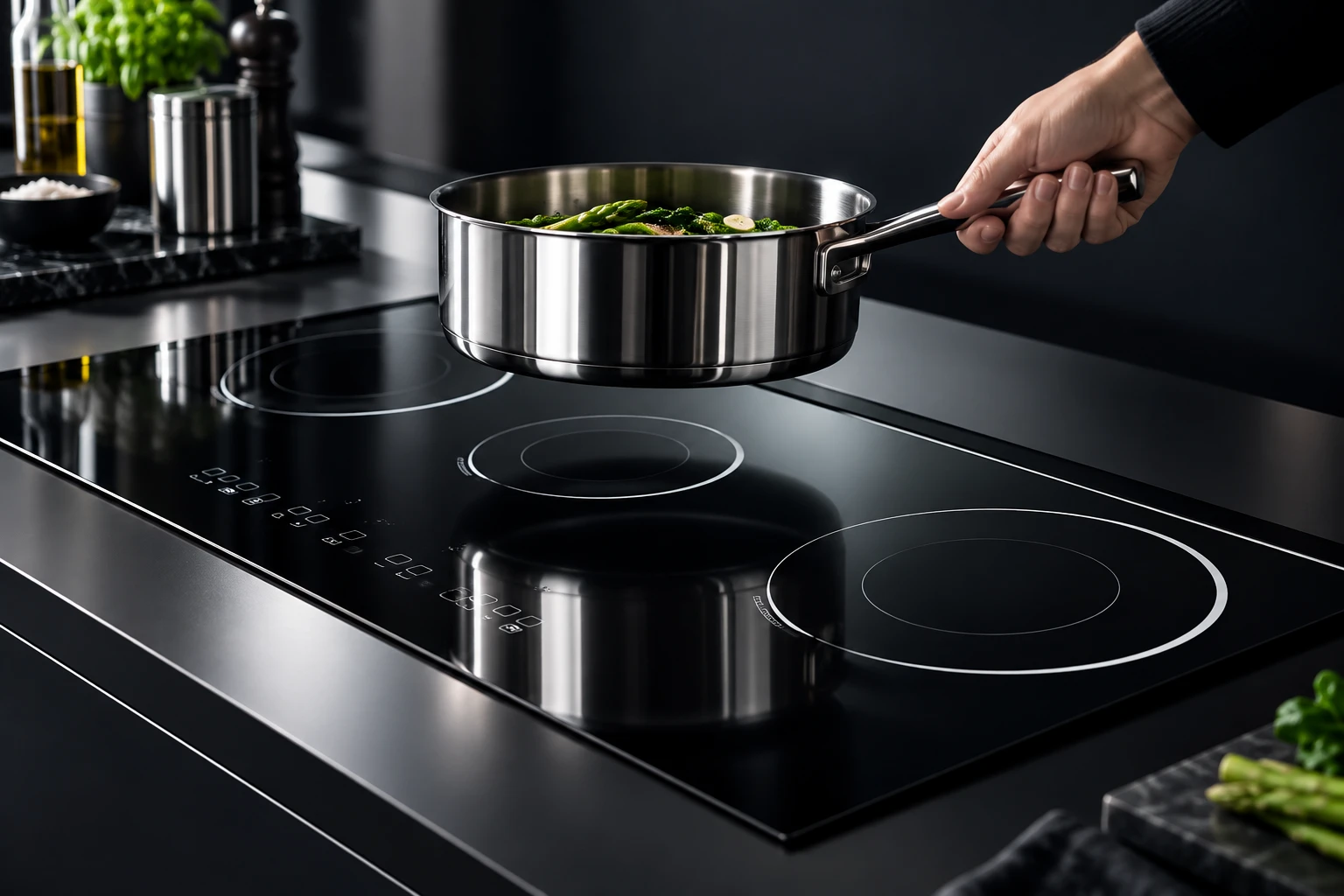
Look at the cool surface under ordinary good lighting. Record where the mark sits, whether it crosses a printed zone or control, and what happened before it appeared. Take a wider photograph showing its position and a closer photograph showing its appearance. Change the light angle rather than scratching the line to see whether it catches. Do not use a fingernail or tool as an improvised depth gauge.
Residue and transferred material can resemble damage, while lighting can make a small line look different from one photograph to another. An approved cleaning attempt may help establish whether a removable deposit is involved, but it cannot certify structural safety. Describe the observation honestly: a pale line, dark deposit, reflective streak or visible crack. Avoid promising that the panel is sound simply because a mark becomes less noticeable after cleaning.
ENERGY STAR electric cooking guidance notes the vulnerability of glass and ceramic cooking surfaces to scratching and cracking. That is a reason for appropriate handling, not permission to use a universal polishing procedure. Read the care section supplied with your hob. Confirm the approved cleaner, applicator and any restrictions around printing and controls. A product sold for ordinary window glass or metal polishing is not automatically suitable for a glass-ceramic appliance panel.
Use only the method and tools allowed by the manufacturer. Follow the cleaner’s directions as well as the appliance instructions. Do not mix chemicals, improvise an abrasive paste or add extra force because a mark remains. If the manual permits a specialized scraper for a particular deposit, its instructions and safety conditions govern that use. This article does not turn that limited permission into a general scratch-removal technique.
Polishing is not simply cleaning with more effort. An abrasive process can change a surface and affect markings or appearance. Without an approved appliance-specific method, there is no basis for recommending a polishing compound, drill attachment or sanding grade. A video showing an apparently successful repair on another surface does not establish compatibility with your panel, printing or assembly.
Do not try to erase a line by working progressively harder until the surrounding area looks different. Stop when the approved cleaning process is complete and document what remains. Ask support whether the observation is cosmetic, needs inspection or requires replacement. Keep the answer associated with the model and case rather than turning it into a general assurance that all scratches are harmless.
| What you observe | Appropriate next step | What to avoid |
|---|---|---|
| Deposit after an ordinary spill | Use the appliance-approved cleaning process | Unapproved chemicals and improvised abrasives |
| Line remains after approved cleaning | Photograph and ask support for assessment | Repeated aggressive polishing |
| Visible crack or chipped area | Stop use and follow damage/service instructions | Testing safety by running a zone |
| Mark appears after sliding cookware | Check the cold pan base and document handling | Dragging the pan again to reproduce it |
| Uncertain mark near controls or edge | Describe location and history to qualified support | Probing, dismantling or assuming cosmetic damage |
The table organizes observations; it does not diagnose damage from a description. Appliance-specific instructions take priority, especially when a crack, impact or electrical concern is involved.
Inspect the cold cookware base for attached debris, rough areas and contamination using the cookware and appliance instructions. Do not place a dirty pan onto a newly cleaned surface. A clean worktop does not guarantee that a pan moved from another area is clean underneath. Keep food preparation debris away from the cooking interface and use a separate rest for utensils and lids where appropriate.
Lift cookware rather than deliberately sliding it across the panel, using suitable protection and handling practices for its temperature and weight. Do not balance a heavy vessel on an edge or use the hob as a staging surface for tools. The cast-iron handling guide guide discusses the separate question of cast-iron compatibility and handling. A pan material being induction compatible does not mean every base condition or handling method is acceptable.
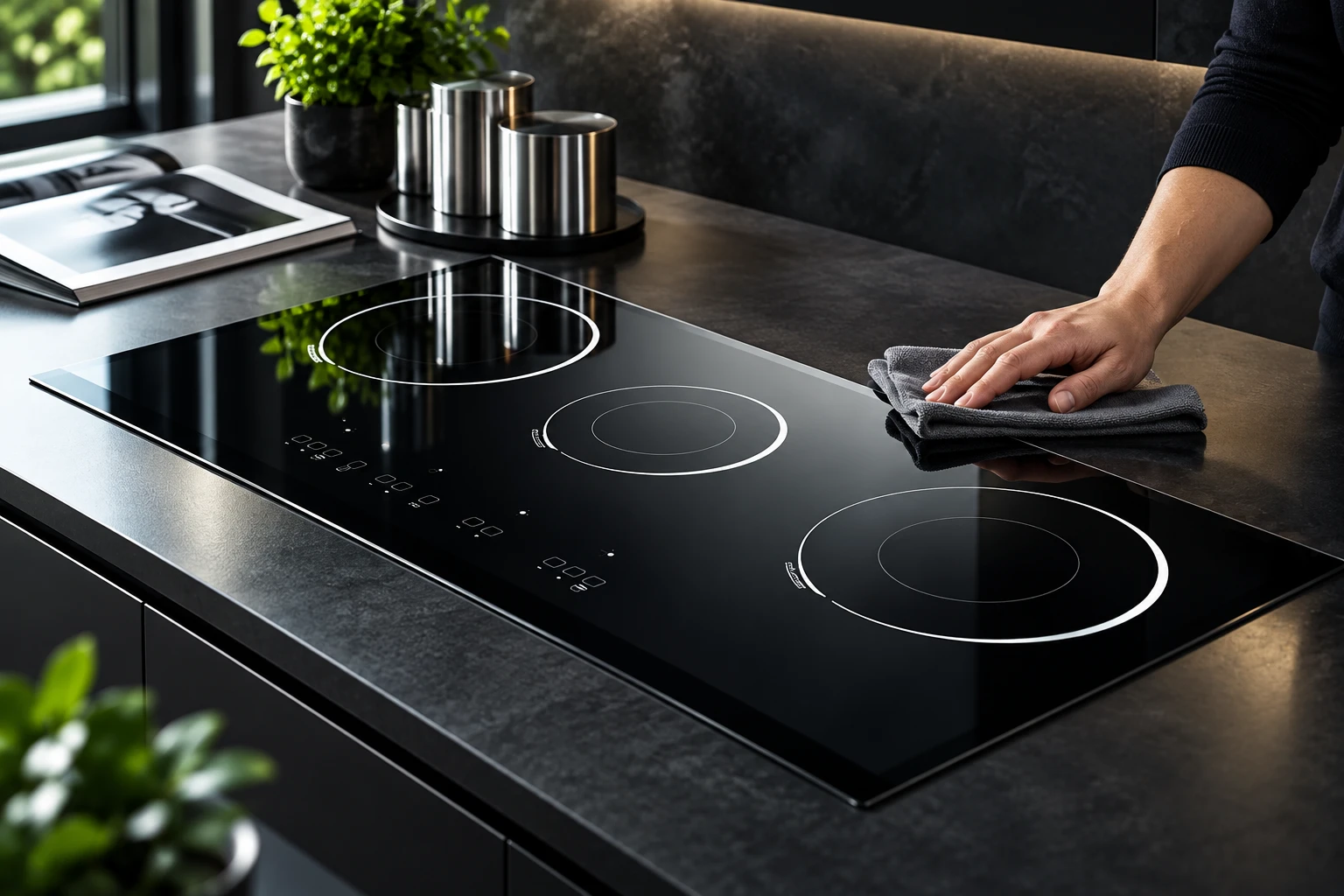
A mat, cloth or sheet can seem like an easy response to scratching concerns. It also changes the cooking interface and may conflict with appliance instructions. Do not introduce one merely because another owner recommends it. Check the exact model’s permitted accessories and operating conditions before adding any layer between the pan and panel.
Our silicone-mat permission checks covers silicone mats and the need for appliance permission. Keeping the surface and pan base clean, handling cookware carefully and following the manual remain distinct responsibilities. A protective accessory cannot repair existing damage or establish that a questionable panel is safe. It should not be used to conceal a line that needs inspection.
An in-service mark and a controlled material test answer different questions. A factory test needs defined equipment, loading, specimen preparation and acceptance criteria. A kitchen photograph does not reproduce those conditions. Conversely, a generic statement that a material is scratch resistant does not mean that it cannot be marked under all cookware and contamination conditions.
The existing factory scratch-test planning article addresses test planning for appliance buyers. This guide addresses what an owner should do after seeing a mark. Keep those records separate. For a warranty or quality discussion, provide the actual panel and appliance details, history and photographs. Do not translate a claimed hardness or laboratory result into an unsupported guarantee about a specific used surface.
The Kanger black glass-ceramic cooktop panel connects this topic to Kanger’s black glass-ceramic panel business. For a procurement discussion, identify the drawing revision, visible finish, printed decoration and agreed inspection conditions. Ask how appearance concerns should be recorded and assessed within the actual supply agreement. Do not infer a certification, coating or scratch-performance number from the product image.
The black glass-ceramic material overview provides material context, while the finished appliance manufacturer controls its operating and care instructions. For an assembled hob, installation, support and replacement decisions must consider the full product. A replacement panel should not be selected by appearance alone or fitted through an improvised procedure. Use the authorized service route for the appliance.
Include the model number, date you noticed the mark, its location and the event that preceded it. State which approved cleaning process was used and whether the appearance changed. Provide photographs with consistent lighting and a wider image for orientation. Keep personal details and unrelated objects out of the images where possible, and retain the original files for the support case.
Ask for a clear next step: approved further cleaning, inspection, continued-use guidance for that exact case or service replacement. If the response is unclear, clarify the observation rather than experimenting with stronger tools. A documented decision protects the surface from unnecessary intervention and gives the manufacturer a better basis for assessing the concern.
The Corning Museum of Glass conservation resources provide background on careful glass assessment. They do not authorize appliance repairs. The museum conservation video below offers background on examining and caring for glass objects. Its relevance is careful observation and conservative treatment, not a cooktop repair method. Museum glass and appliance glass-ceramic have different uses and requirements; the appliance manual remains the authority for cleaning, operation and service.
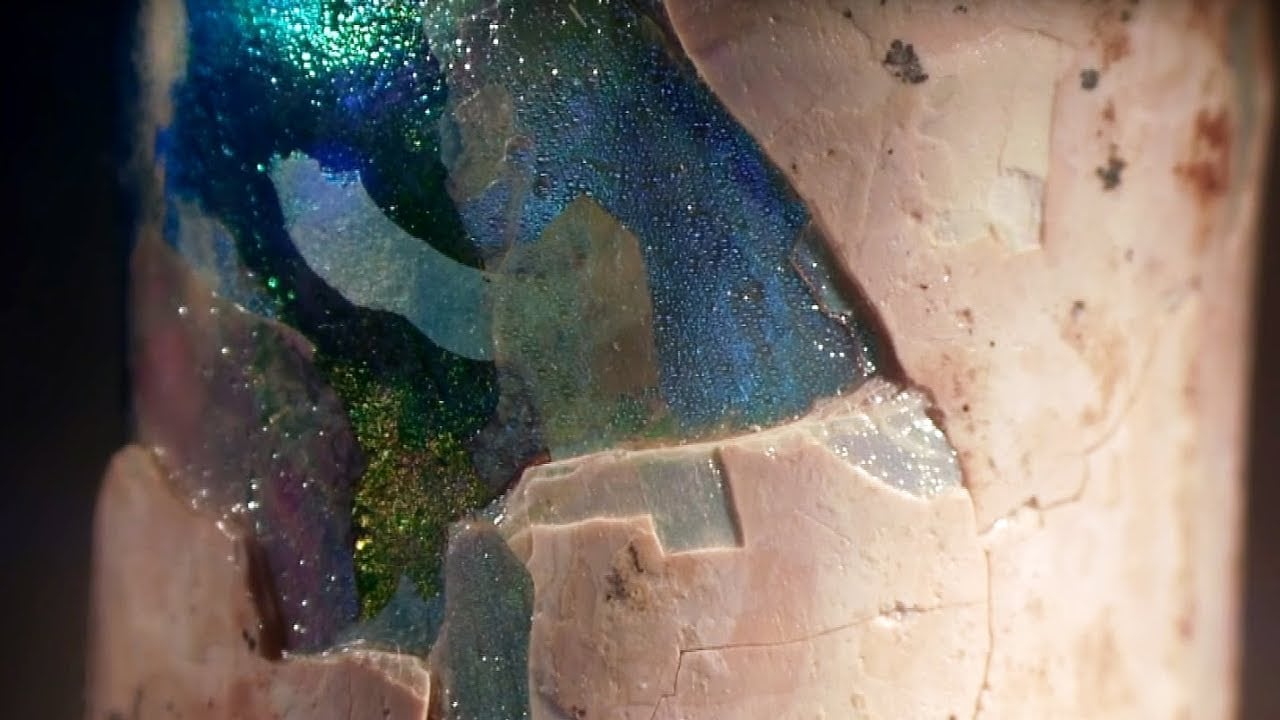
Video: Conservation Live Stream: Glass from a Conservator’s Perspective, Corning Museum of Glass. Open the educational video on YouTube.
No. A line may be residue, transferred material or actual damage. Avoid unapproved abrasive repair and ask support when approved cleaning does not resolve it.
A general article or photograph cannot certify that. Follow the appliance’s damage instructions and obtain assessment when a crack, chip or uncertain condition is present.
Only if the exact appliance permits that accessory and use. A mat does not repair existing damage or replace proper cleaning and handling.
No. Treat resistance claims within their stated conditions and continue following the appliance’s cookware, cleaning and handling requirements.



