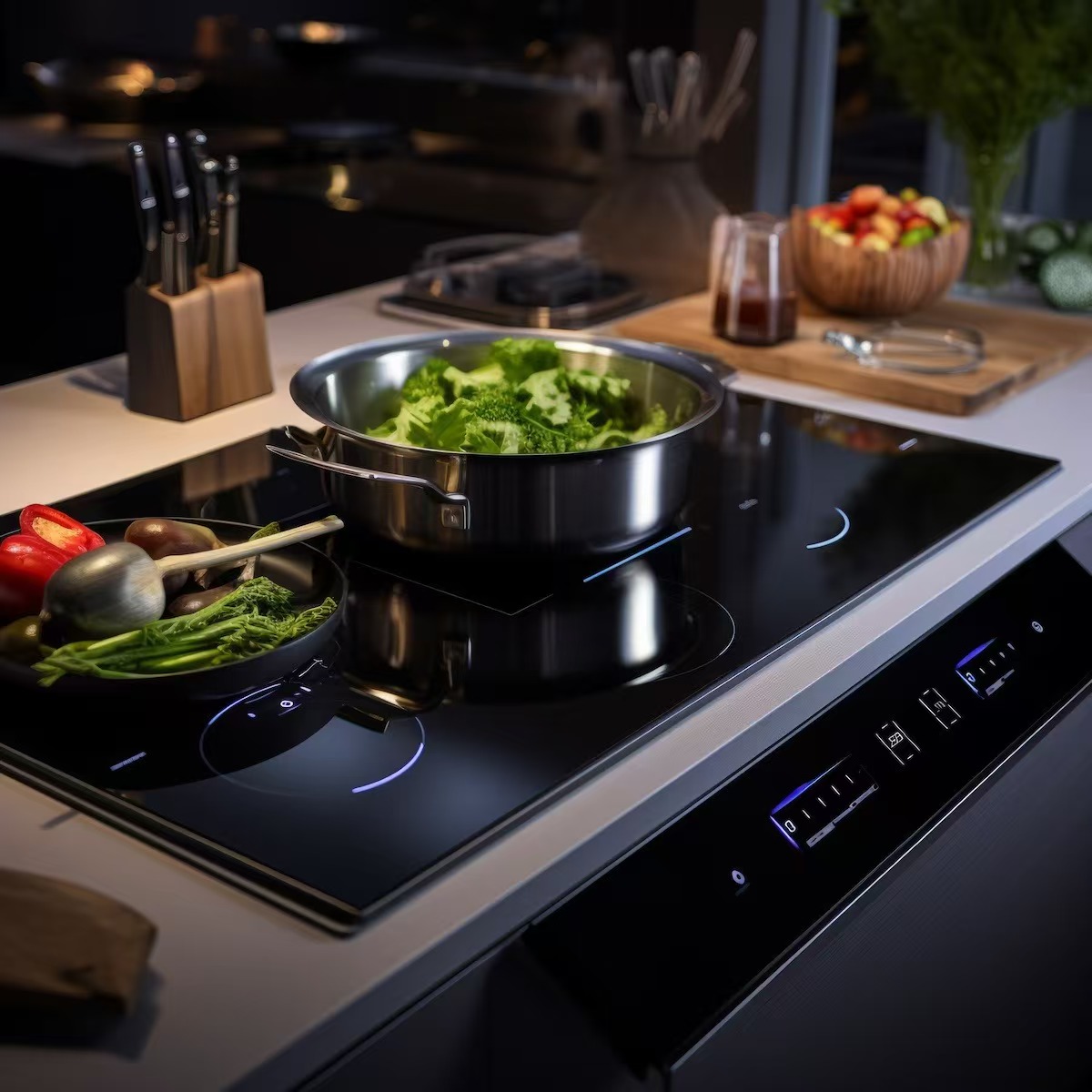
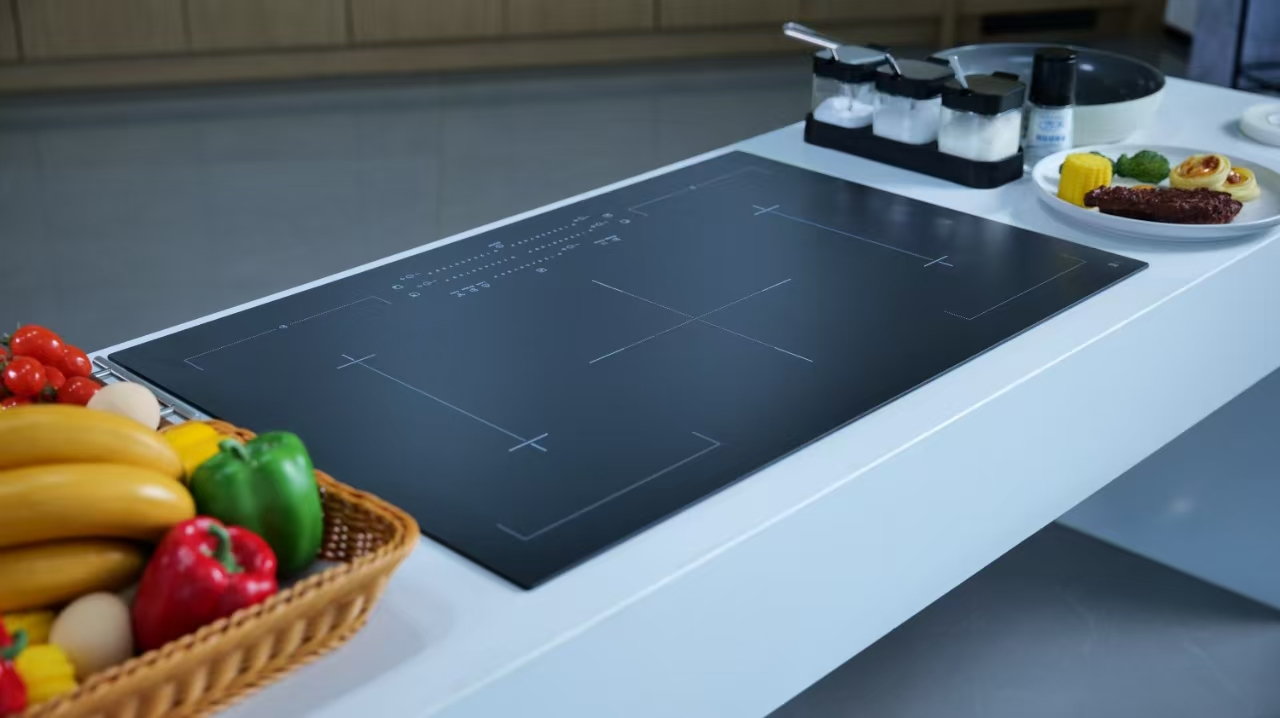
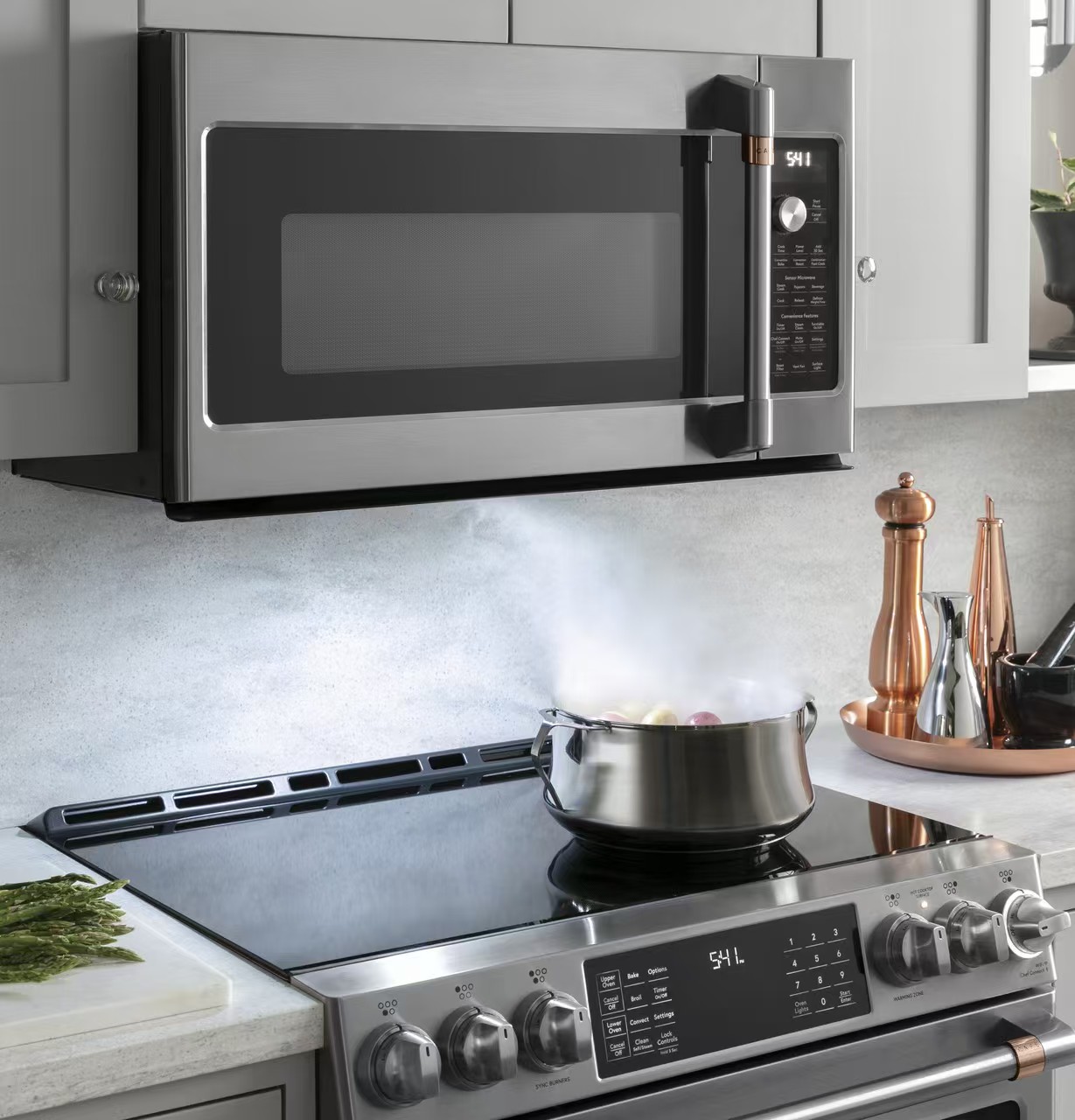
Panel buyers should split induction and infrared cooker glass-ceramic RFQs by heating interface, zone marking requirements, duty documentation, and drawing-controlled geometry—then route each SKU to the correct product line instead of treating “cooker glass ceramic” as one interchangeable panel.
Cooktop OEM sourcing teams, platform engineers, and importers use this comparison when a program mixes hob technologies or when supplier quotes use overlapping terms such as “induction cooker glass ceramic” and “infrared cooker ceramic glass.”
For label normalization, see the RFQ terminology alignment guide. For thermal durability fields shared by both routes, see the durable cooktop RFQ checklist.
For a consumer-oriented explanation of infrared vs ceramic cooker wording, see the existing infrared cooker ceramic glass comparison post. This article stays on OEM panel RFQs only.
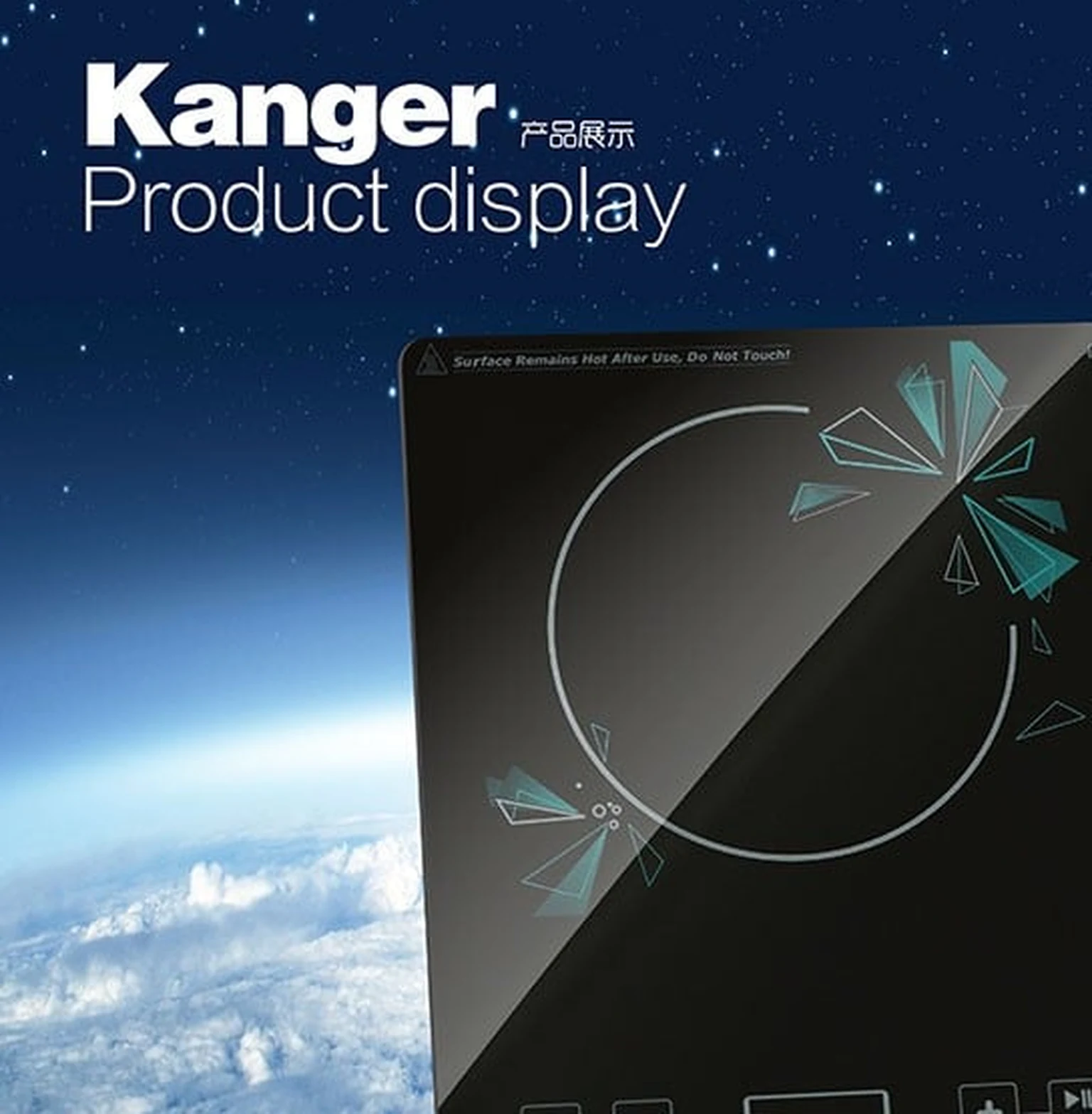
Buyers are not choosing a cooking technology for a household in this RFQ—they are confirming which glass-ceramic cooktop panel SKU matches the burner interface, zone graphics, and documentation set for each hob model.
The decision table should start with:
| Question | If yes | If no |
|---|---|---|
| Does the hob use induction coils under the panel? | Induction panel RFQ block | Continue infrared / radiant review |
| Does the hob use radiant/halogen zones under the panel? | Infrared panel RFQ block | Confirm alternative heating map |
| Will one glass SKU serve both technologies? | Hold — require engineering sign-off | Split SKUs and drawings |
| Is the request only about cookware compatibility? | Out of scope — consumer topic | Stay on panel specification |
SCHOTT’s glass-ceramic materials overview describes glass-ceramic as a cooktop material class used across heating concepts. Material class similarity does not remove the need for technology-specific RFQ fields.
Induction and infrared hobs impose different interface assumptions on the same material family. Panel RFQs should document those interfaces on the controlled drawing—not in marketing names alone.
| RFQ field | Induction cooker glass-ceramic panel | Infrared cooker glass-ceramic panel |
|---|---|---|
| Primary heating interface | Magnetic coupling through panel | Radiant heat through panel |
| Typical buyer concern | Zone marking, coil alignment aesthetics | Radiant zone layout, transmission/graphics |
| Coil / emitter map | Tie to induction coil drawing | Tie to radiant element drawing |
| Surface finish | Often high-contrast zone print | May emphasize radiant window graphics |
| SKU split rule | Separate when coil layout differs | Separate when emitter map differs |
| Shared material class | Glass-ceramic cooktop grade | Glass-ceramic cooktop grade |
Important: Coil-center marks for induction programs and radiant-zone graphics for infrared programs must carry separate artwork revisions—even when both SKUs quote the same black glass-ceramic grade. Cooktop suppliers document duty and zone requirements separately by heating concept (SCHOTT CERAN technical details).
Zone marking is where many RFQs silently diverge. Induction programs often specify coil-center marks, touch-control windows, and branding bands. Infrared programs may specify radiant zone boundaries and different graphic contrast rules.
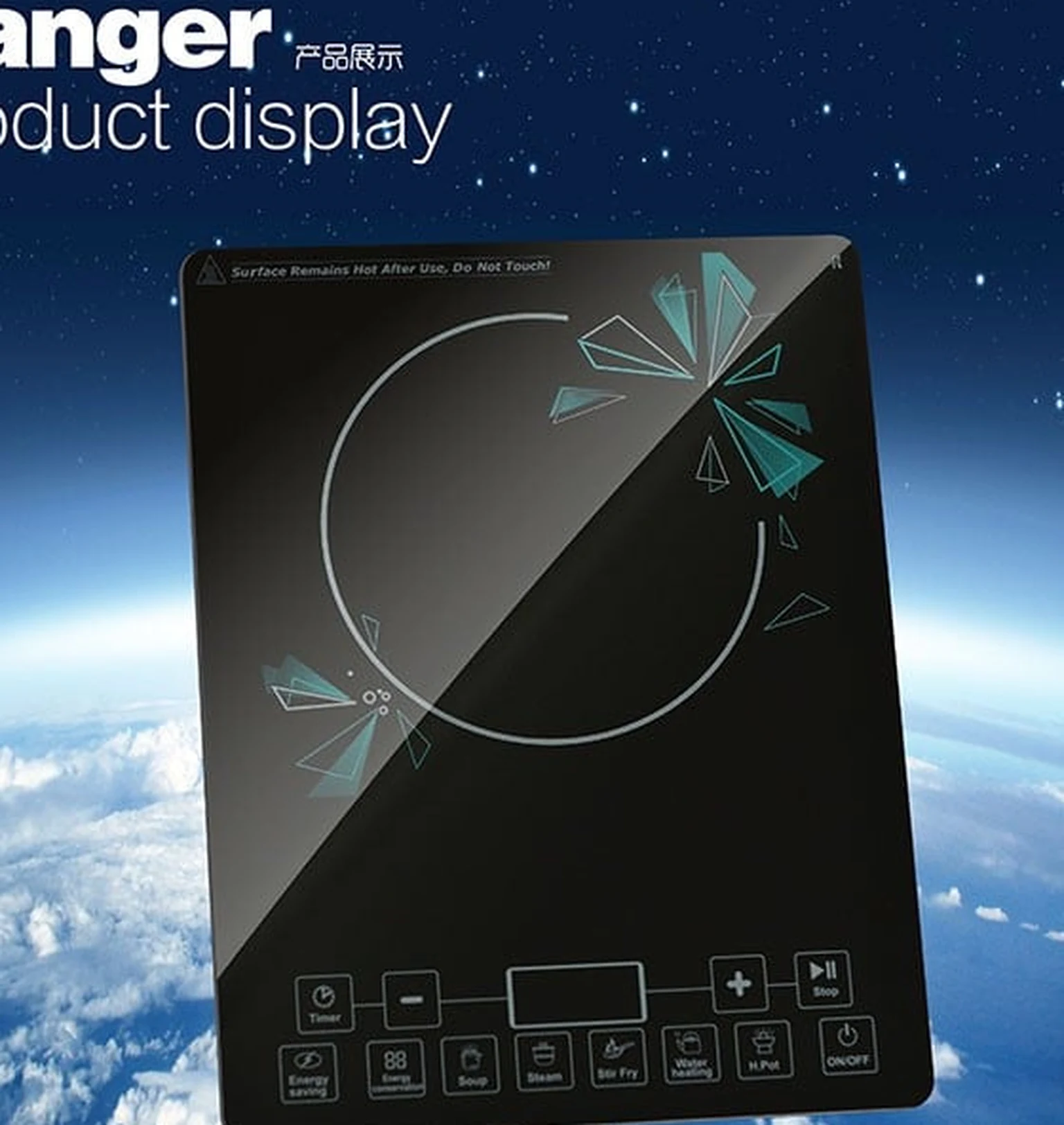
| Field | Induction panel note | Infrared panel note |
|---|---|---|
| Zone silk-screen artwork | Align to coil centers | Align to radiant zones |
| Control overlay windows | Often required | May differ by UI stack |
| Surface gloss / texture | Affects perceived zone contrast | Affects radiant readability |
| Color system | Usually black opaque | Usually black opaque; verify program |
| Revision control | Artwork rev tied to coil drawing | Artwork rev tied to emitter drawing |
Pair zone fields with mechanical thickness and edge requirements from the black panel thickness and edge RFQ guide when both technologies share frame geometry.
Thermal duty language overlaps, but buyers should still request technology-specific confirmation from suppliers.
| Document | Purpose |
|---|---|
| Material datasheet for quoted grade | Baseline thermal and mechanical rows |
| Drawing approval record | Revision-controlled geometry and artwork |
| Thermal shock / gradient summary | Panel survival under defined duty |
| Visual inspection standard | Zone print, chips, inclusions |
| Sample approval record | Pre-PO sign-off |
| Route | Add to RFQ questionnaire |
|---|---|
| Induction panel | Confirm panel is specified for induction hob program; attach coil layout and any magnetic-interface notes required by your appliance standard |
| Infrared panel | Confirm panel is specified for radiant/halogen zone map; attach emitter layout and any radiant-duty notes required by your appliance standard |
Do not copy IEC/EN references from datasheets as automatic compliance for your model. Treat standards as project-dependent checklists to complete with the finished appliance team.
Supplier quotes often mix terms: “induction cooker glass ceramic panels,” “infrared cooker ceramic glass,” or generic “ceramic glass cooktop.” Normalize to controlled wording before comparing bids.
| Supplier phrase | Normalize to | Action |
|---|---|---|
| Induction cooker glass ceramic | Glass-ceramic cooktop panel — induction program | Attach coil drawing |
| Infrared cooker ceramic glass | Glass-ceramic cooktop panel — infrared program | Attach emitter drawing |
| Ceramic glass cooktop | Confirm material class + technology | Do not skip technology block |
| Heat resistant induction cooker glass | Split thermal fields from technology fields | Use durability checklist |
| Black glass ceramic panels | Color/route label only | Add technology-specific artwork |
Use the RFQ terminology alignment guide when procurement and engineering teams use different word orders for the same component.
| Mistake | Result | Prevention |
|---|---|---|
| One RFQ for “cooker glass ceramic” | Wrong zone artwork or duty assumptions | Split RFQ blocks by technology |
| Reusing induction artwork on infrared SKU | Misaligned zones | Separate artwork revisions |
| Price-ranking without document parity | Low bid missing coil/emitter maps | Block ranking until tables match |
| Assuming interchangeability from color | Field failures after first hot cycle | Engineering sign-off per SKU |
| Importing consumer blog advice into OEM RFQ | Cookware vs panel confusion | Keep panel drawing as source of truth |
Route confirmed black flat cooktop panel programs through the black glass-ceramic cooktop product line when drawings, technology notes, and duty tables are attached.
Route shaped, concave, or commercial stove panel programs that pair with infrared-heavy lines through the shaped / commercial cooktop product line when geometry—not just color—drives the RFQ.
When a program spans multiple material classes (white, transparent, borosilicate oven door, tempered hood), start from the Products overview and attach the technology-specific blocks from this article to each SKU.
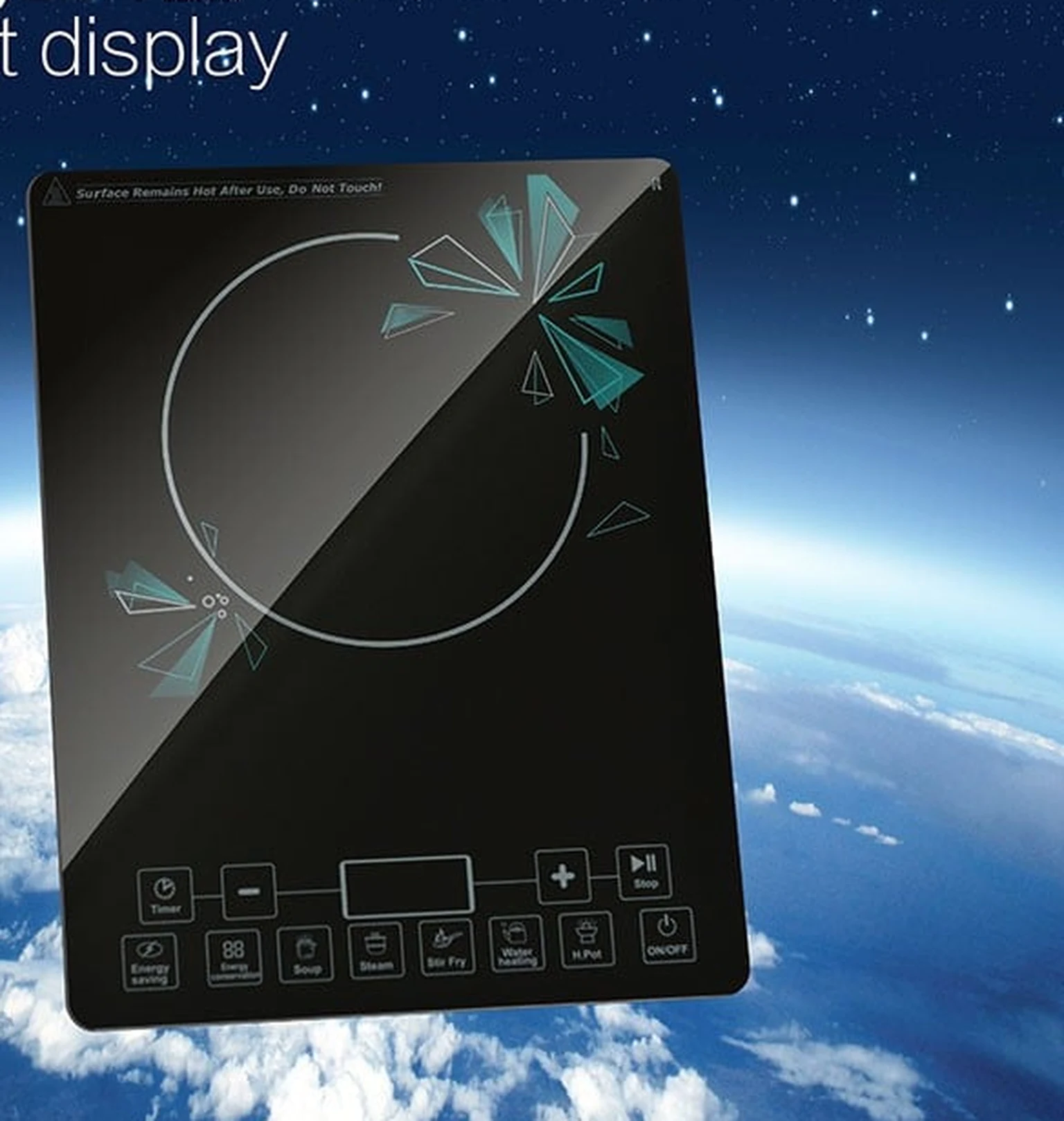
Submit coil or emitter drawings, artwork revisions, target quantities, and required sample approvals via Contact Kanger.
Is induction cooker glass ceramic the same as infrared cooker ceramic glass?
Both names describe glass-ceramic cooktop panels, but the RFQ must specify different heating interfaces, zone artwork, and documentation. Treat them as separate SKU blocks unless engineering approves a shared panel.
Can one black glass-ceramic panel serve induction and infrared models?
Do not assume interchangeability from color or material class alone. Require drawing-level approval and technology-specific duty confirmation.
Which article should consumer teams read?
The live infrared cooker ceramic glass comparison post targets different reader questions. OEM panel teams should use this comparison with controlled drawings.
What fields overlap between induction and infrared panel RFQs?
Thickness, edge finish, thermal shock evidence, and inspection standards often overlap. Zone marking and heating-interface maps do not.
Should importers split SKUs in the RFQ or after quotes arrive?
Split before quote comparison. Mixed RFQs produce mixed documents that cannot be ranked fairly.
Where do white or porcelain-white induction panels fit?
Use the same technology-split method, then add white appearance fields from white cooktop planning guides. Route through the appropriate Kanger color product page from the Products overview.