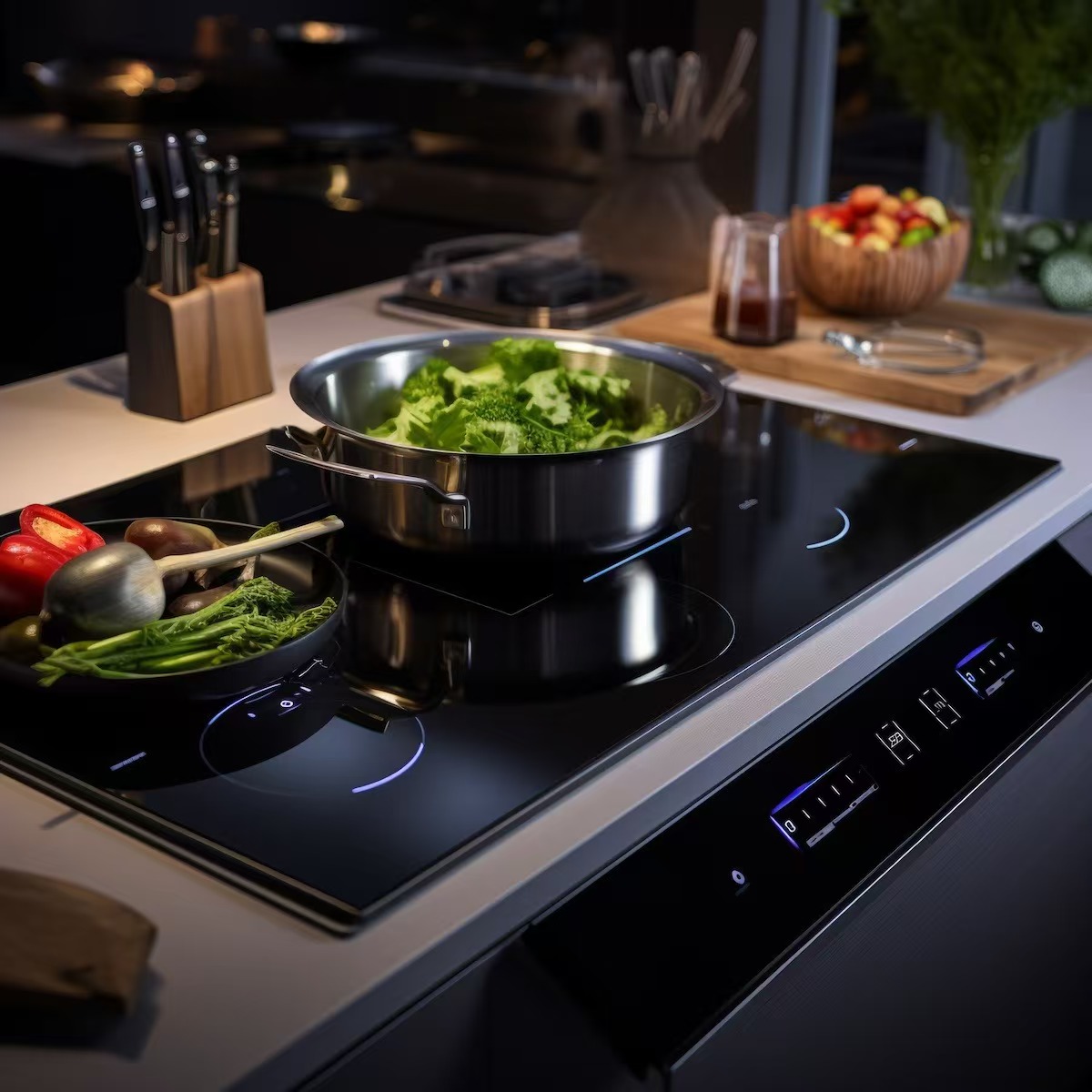
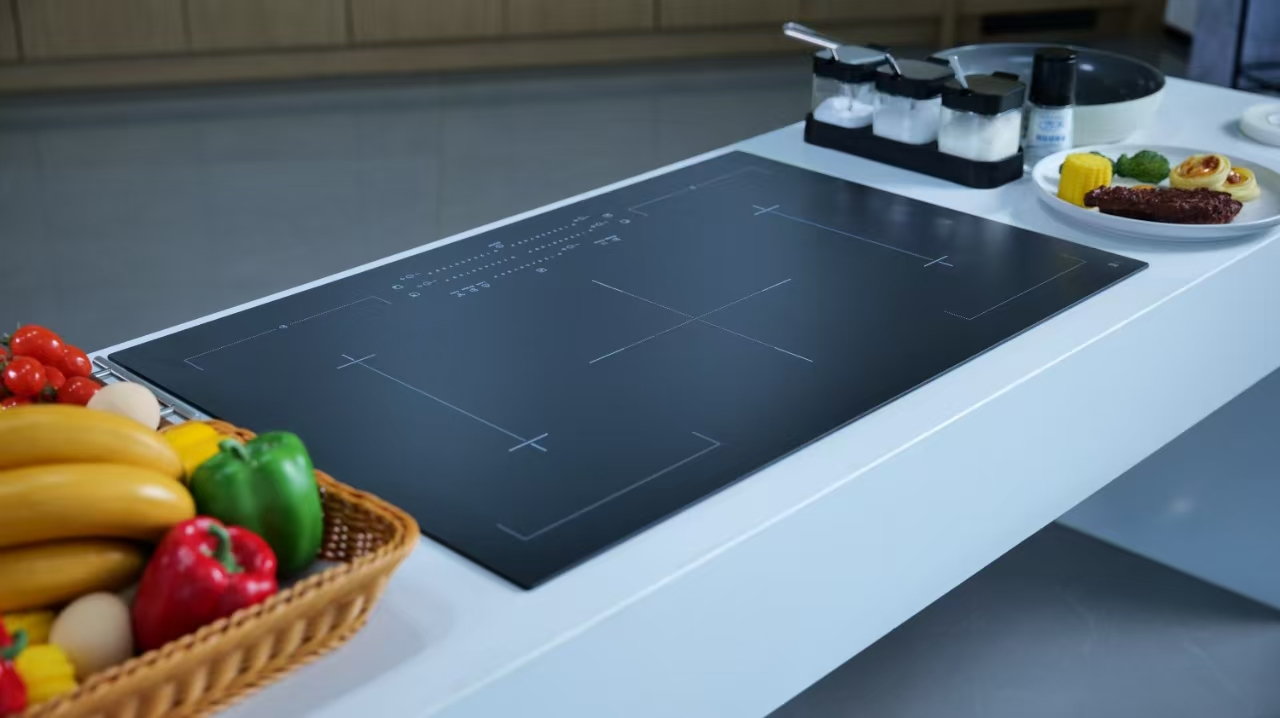
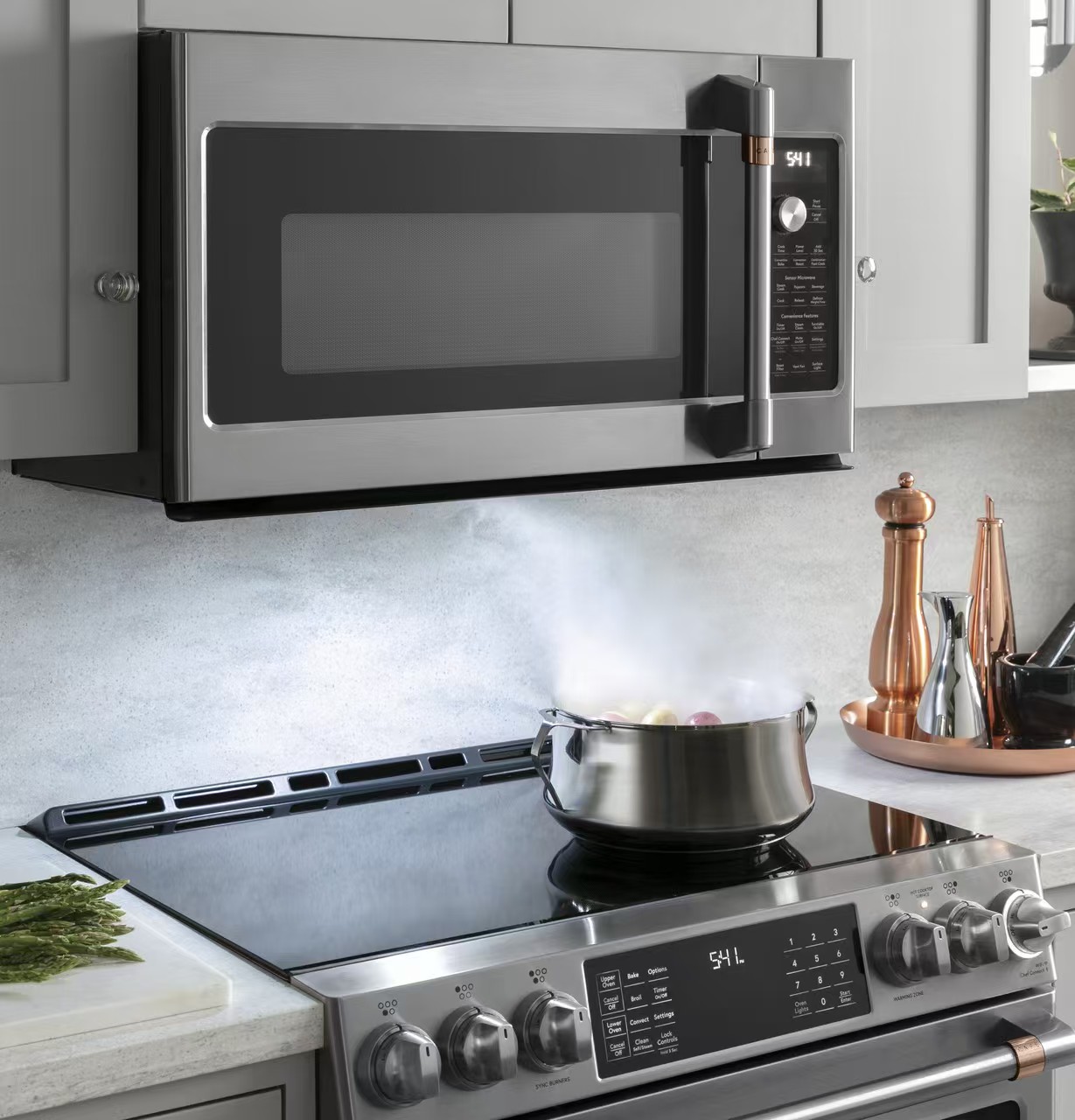
When looking at kitchen items that will help with food preparation, you may stumble upon the phrase ‘infrared cooktop ceramic glass‘. It might not be obvious how an infrared cooktop ceramic reference will compare with a traditional ceramic cooktop system. As a result, understanding their individual characteristics can help you determine which solution would work best for you. Therefore, this paper will provide a comprehensive overview of these distinctions by breaking down the advantages and disadvantages of each system so that you can make an informed purchasing decision.
Infrared cooking ceramics are devices that create heat through infrared radiation instead of using the traditional methods of conduction and convection heat transfer for cooking food. Because of this, infrared cooking has become a great alternative for people who want to cook their food quickly and efficiently. Infrared cooktops have a sleek and modern appearance; however, the ceramic glass cooking surface offers an additional benefit — it is a highly effective method for transferring heat to the food being cooked, making clean up no problem at all.
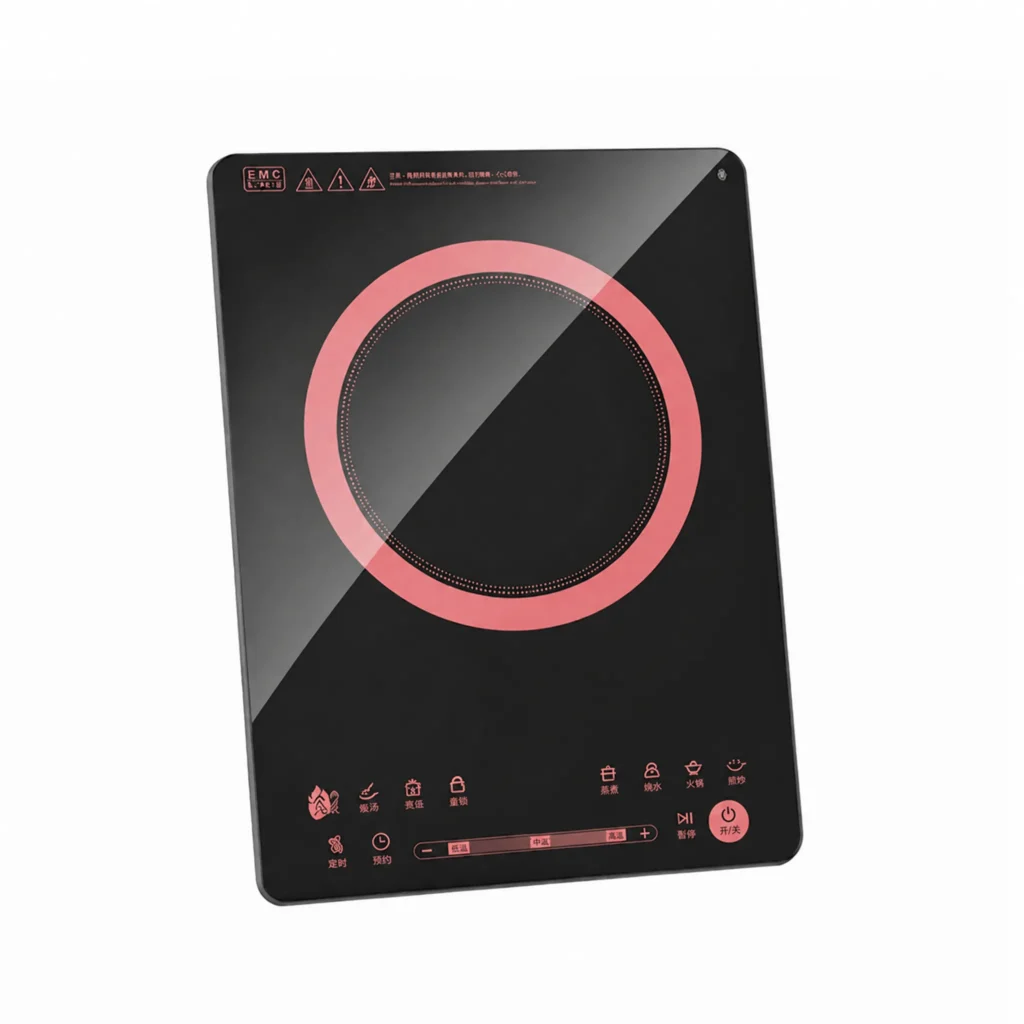
The defining feature of a ceramic cooker is the ceramic top. Heat is produced from electric coil heaters embedded in the cooking surface, thus providing uniform heating to the cooking vessel placed on top. This type of cooker does not use infrared technology; however, cooking with a ceramic top provides a consistent cooking experience even though the process will take longer. For those who want an attractive combination of style and functionality in their kitchen, ceramic cookers are often very appealing.
Let’s compare the two types to get a better understanding of their features:
Here’s why you might want to opt for an infrared cooker ceramic glass model:
– Speed: These types of cooking appliances are far faster than the conventional methods. Infrared heating reduces the time substantially that it takes to cook.
Energy Efficiency: Using infrared technology maximizes the efficient use of the energy, providing a sustainable solution.
– Uniform Heat: Due to its ceramic and glass construction, this type of cooktop distributes heat evenly throughout the entire surface area of the cookware to avoid hot spots, resulting in consistent cooking.
That being said, there are some downsides to using a ceramic glass infrared cooker. Some examples of those downsides are:
Infrared cookers could become too hot if not watched closely; therefore, they would not be suitable for cooking foods that are typically cooked by cooking them in liquid while keeping the temperature consistent at a low level.
Pricing: Infrared cookers, which have more advanced ceramic glass technology, have a higher initial cost than basic ceramic cookers.
Some models of infrared cookers may require particular cookware that is compatible in order to work properly.
While ceramic glass from infrared cookers have similar attributes to ceramic cookers, they are not the same. Infrared cookers rely on heating through infrared to generate its heat source, while ceramics use electric coils.
Previously mentioned, the cons of using Infrared cookers are as follows – Higher price, Potential for heating up too much, Compatibility of cookware with some types. The above factors should be carefully assessed when thinking about purchasing an Infrared cooker.
Your cooking behaviour, as well as your preferences for energy efficiency and quickness, will influence which type of cooker is superior: a ceramic glass infrared cooker or a ceramic cooker. A ceramic glass infrared cooker will probably be more appropriate if your priority is energy efficiency and speed. If you prefer to cook at a low temperature, however, a normal ceramic cooker will serve you better.
When buying cooking appliances make sure that you think about what you need and how you normally like to cook. If an infrared heated glass or an infrared ceramic electric cooktop is of interest to you, consider whether or not you care about getting food cooked quickly and how much energy is used during that cooking process, and if you want a modern appearance for your cooking surface. If you’re looking for a traditional way of cooking, or cooking at very low temperatures, perhaps a ceramic version would be best suited.
Both options can elevate your cooking experience—choosing between them comes down to your priorities and lifestyle.
In conclusion, while both infrared cooker ceramic glass systems and ceramic cookers have their unique strengths, understanding their differences will help you make an informed purchase. Whether you choose the cutting-edge efficiency of infrared or the reliable heat of ceramic, the right cooker will make your kitchen more efficient and enjoyable.