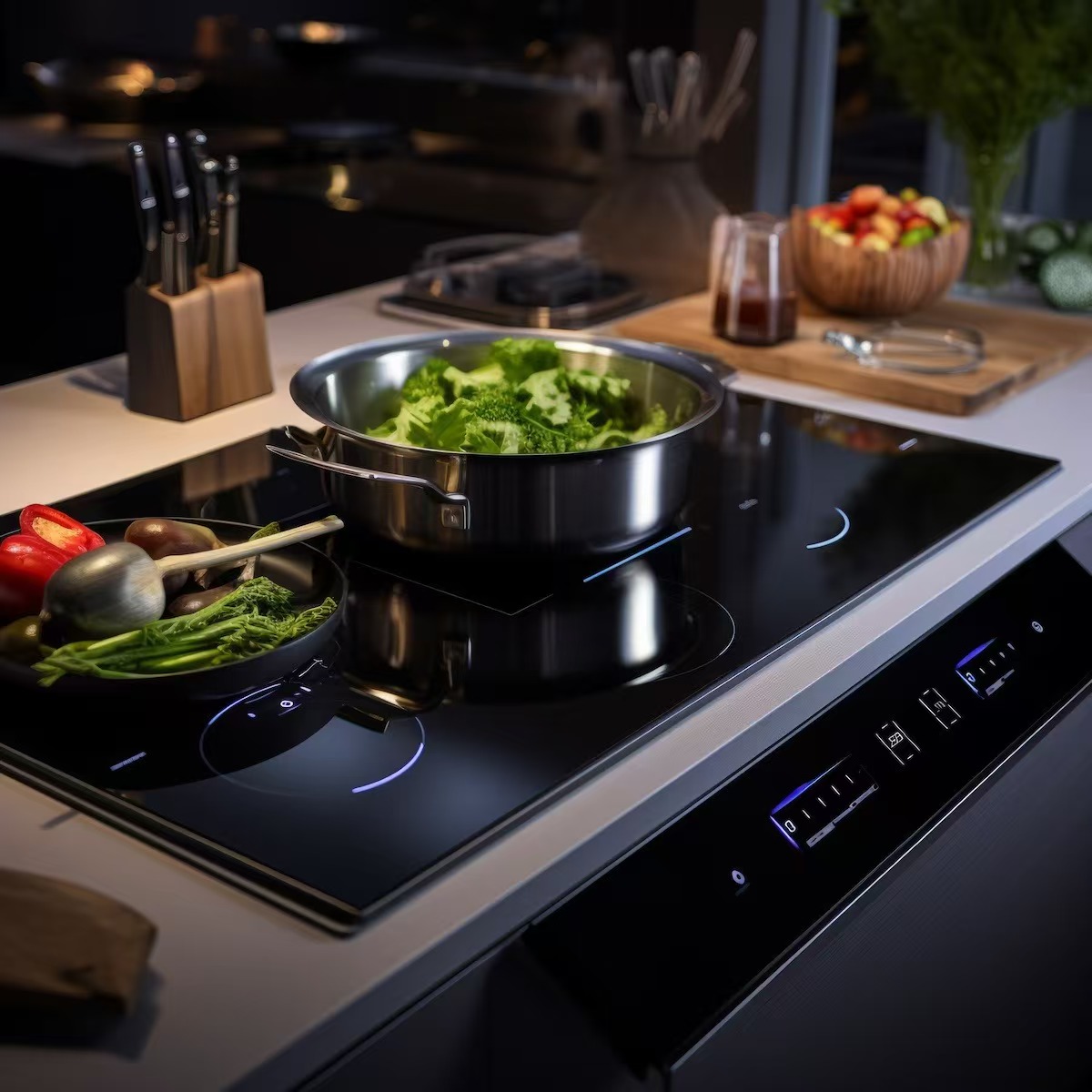
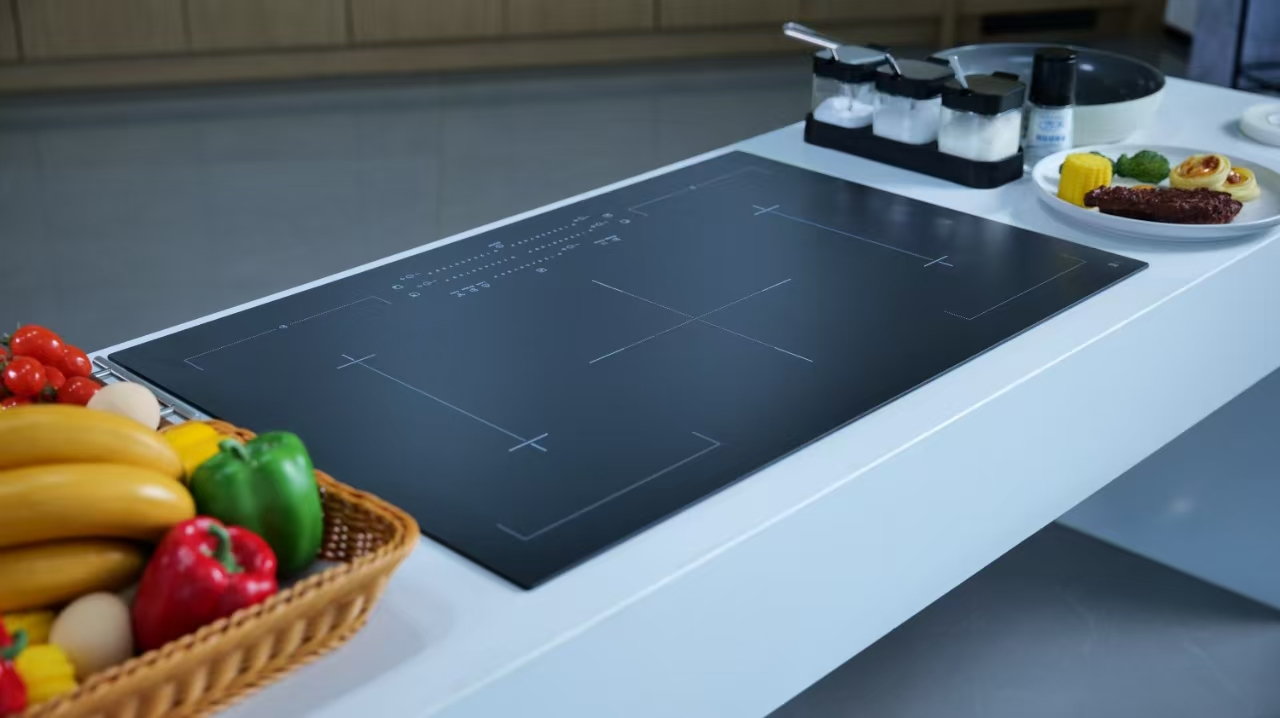
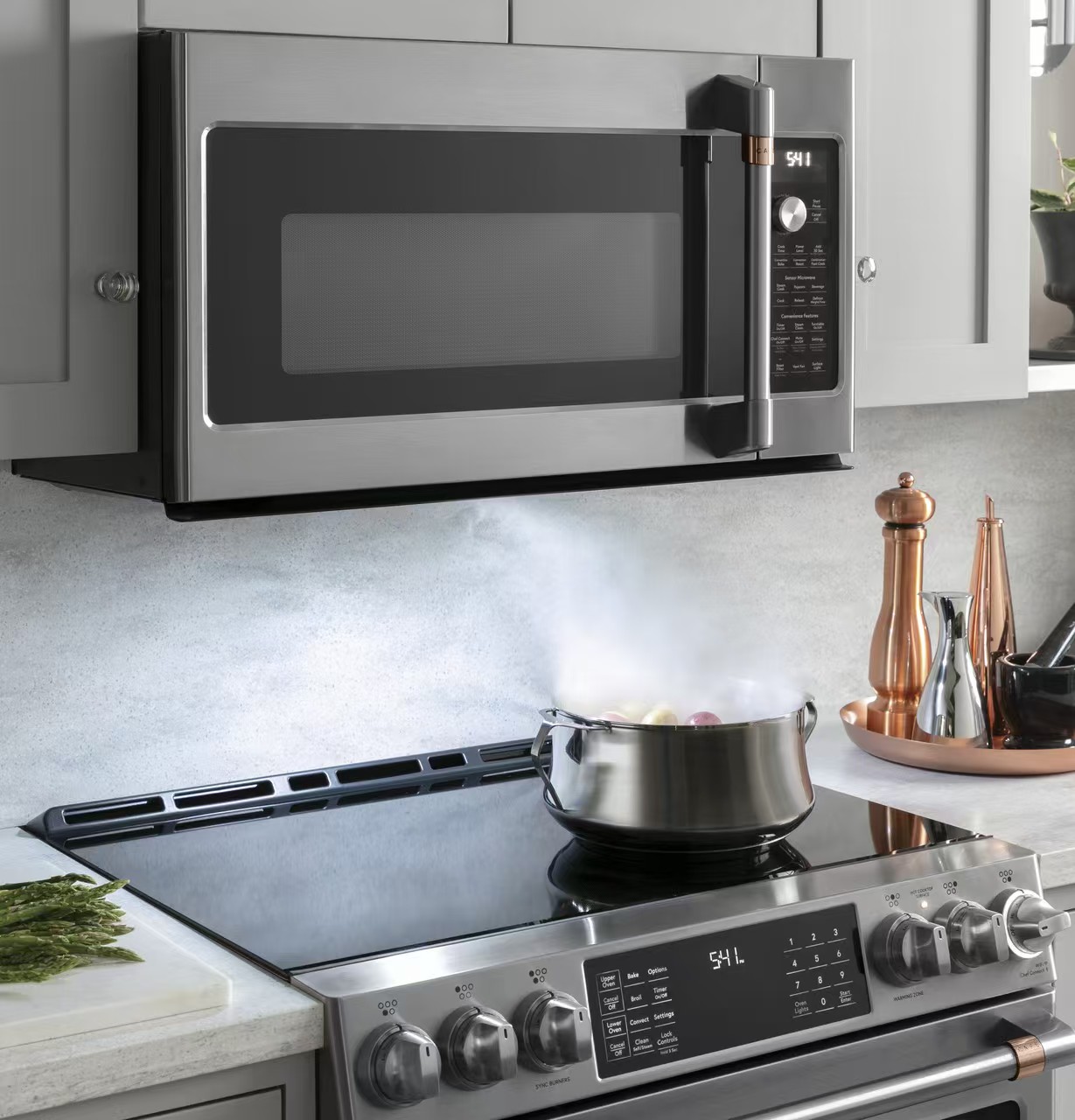
Tempered Glass Appliance Panels requires clear material specs, thermal limits, and OEM qualification steps before mass production. This guide focuses on practical OEM evaluation—thermal limits, edge finish, cutouts, and qualification steps—not generic marketing claims. Cross-check public specifications on kangerglass.com and confirm project-specific limits with your supplier before release to production.

Tempered Glass Appliance Panels plays a visible role in appliance safety, reliability, and brand perception for OEM programs shipping cooktops, ovens, and heating products.
When buyers evaluate tempered glass appliance panel, they should connect material grade, thickness, and edge finish to the actual burner or door assembly—not generic catalog language.
KANGER supplies microcrystalline and borosilicate grades for global appliance brands; always confirm project-specific limits with application engineering.
Appliance glass projects succeed when mechanical, thermal, and cosmetic requirements are locked before tooling payments.
Use conservative language for temperature limits until supplier test reports confirm values at your thickness.
Include drawing revision, annual volume, target markets, and required test reports in the RFQ to reduce back-and-forth during technical review.
Thermal shock and maximum service temperature must be validated at the agreed thickness—not inferred from generic marketing pages alone.
Define first-article inspection (FAI) criteria before mass production so edge finish, hole position, and flatness disputes are less likely.
Record approved hole patterns and edge treatments on the same drawing revision as mass-production release to avoid silent process drift.
| Decision | Why it matters | RFQ note |
|---|---|---|
| Material grade | Sets temperature ceiling | Request datasheet at thickness |
| Thickness | Impact + heat-up balance | Tolerance band on drawing |
| Edge finish | Stress at cutouts | Chamfer/polish spec |
| Inspection level | FAI vs batch QC | AQL and sample size |
Thermal shock acceptance should reference a test method and pass criteria—not marketing superlatives alone.
For export programs, document imperial and metric dimensions on the same drawing to reduce tooling mistakes.
If decoration or printing is required, specify whether ink is on the user side or protected side of the panel.
Internal links to product portfolio and KANGER engineering contact help buyers move from research to RFQ without guessing product fit.
Lead times depend on thickness, cut complexity, and decoration steps—confirm in quotation.
Include drawing revision, annual volume, target markets, and required test reports in the RFQ to reduce back-and-forth during technical review.
Thermal shock and maximum service temperature must be validated at the agreed thickness—not inferred from generic marketing pages alone.
Define first-article inspection (FAI) criteria before mass production so edge finish, hole position, and flatness disputes are less likely.
Record approved hole patterns and edge treatments on the same drawing revision as mass-production release to avoid silent process drift.
| Parameter | Typical OEM ask | Evidence |
|---|---|---|
| Max service temp | Burner/door zone model | Supplier test report |
| Thermal shock ΔT | Startup/cooldown cycle | Written pass/fail |
| Flatness | Seal to frame | Local bow measurement |
| Appearance | Scratch/gloss class | Limit sample approval |
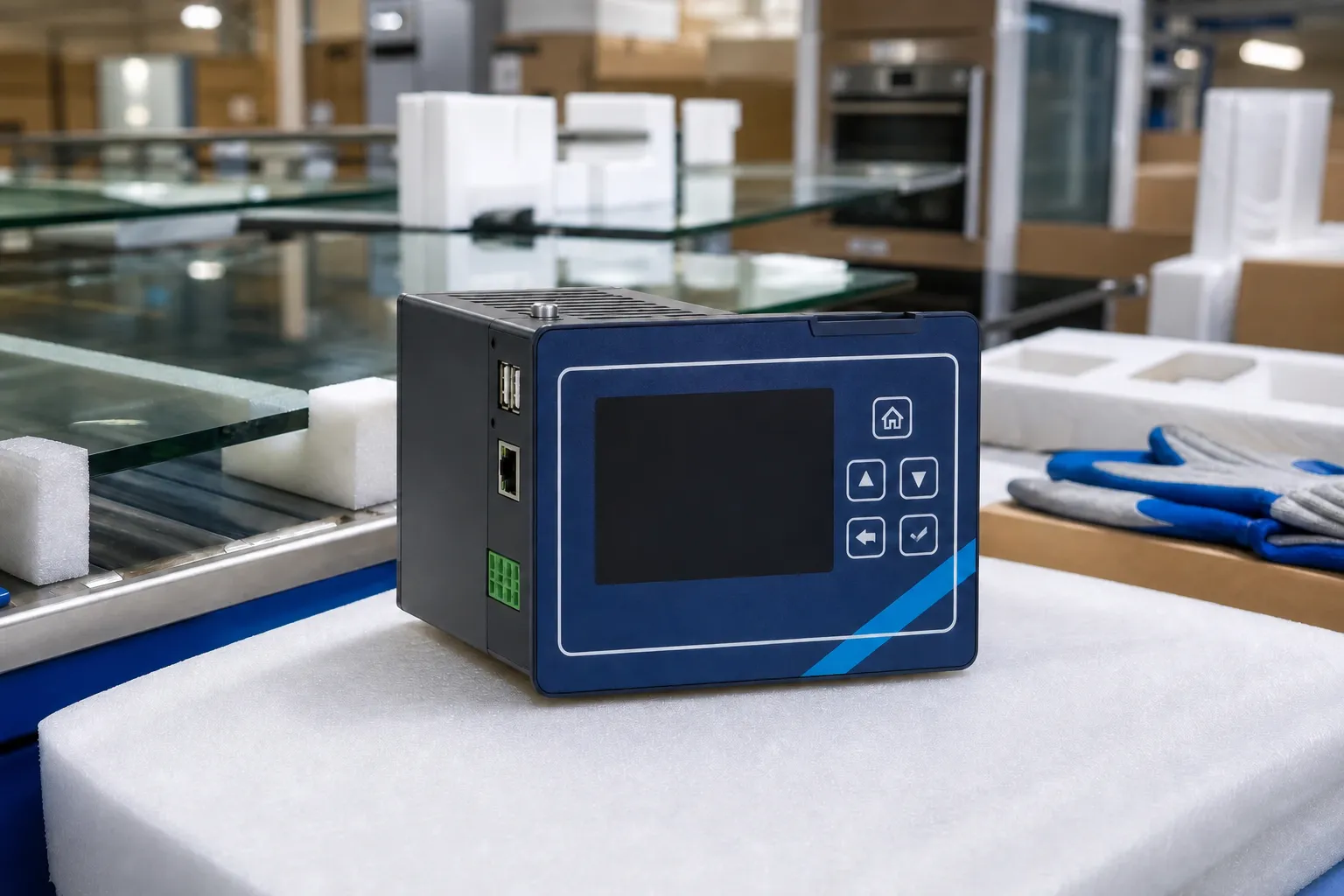
Pilot builds should stress worst-case layouts: maximum power, repeated cycling, and shipping vibration if panels are large.
Handover packages should include material lot traceability and revision-controlled drawings.
Use contact engineering review when parameters fall outside published product pages.
Schedule periodic supplier re-audits when annual volume or cut complexity increases.
Include drawing revision, annual volume, target markets, and required test reports in the RFQ to reduce back-and-forth during technical review.
Thermal shock and maximum service temperature must be validated at the agreed thickness—not inferred from generic marketing pages alone.
Define first-article inspection (FAI) criteria before mass production so edge finish, hole position, and flatness disputes are less likely.
Record approved hole patterns and edge treatments on the same drawing revision as mass-production release to avoid silent process drift.
Mass production should not start without locked drawings, agreed cosmetic limits, and approved FAI samples.
Use the tables below as a starting RFQ checklist; your QA system may require additional items.
For product-specific datasheets, cross-check related KANGER product pages and request missing thermal test excerpts.
Normalize Incoterms, packaging, and included inspection services before comparing quotations.
| Document / item | Purpose | When to request |
|---|---|---|
| Material datasheet at thickness | Verify CTE, max temperature, thermal shock | Before PO |
| Thermal shock test summary | Validate startup/cooldown survival | Before design freeze |
| Dimensional capability sheet | Hole pitch, min web, edge finish | RFQ phase |
| FAI checklist + golden sample | Lock cosmetic and fit standards | Before SOP release |
| Lot traceability procedure | Warranty and recall readiness | Contract negotiation |
| Project stage | Key action | Owner |
|---|---|---|
| Concept | Map application, temperature, and cutouts | OEM engineering |
| Design | Lock thickness, edge finish, cosmetic class | Mechanical + QA |
| Qualification | Thermal cycle + FAI approval | Supplier + OEM QA |
| Mass production | Lot traceability + periodic re-audit | Supplier quality |
Qualification should include thermal cycling at agreed methods, dimensional FAI, and cosmetic comparison to limit samples.
Production release should reference an approved drawing revision and approved test report set—verbal waivers are a common source of field cracks.
Monitor incoming lots for edge chips at cutouts and local bow that can break seal paths in door or cooktop assemblies.
When field complaints appear, compare lot IDs against thermal test batches and cutout tooling wear records.
Document field returns with lot numbers and photos so suppliers can correlate failures with specific process batches.
Escalate non-standard parameters to KANGER engineering before changing thickness or hole patterns mid-program.
For project support, explore our related product line, solution options, and OEM/ODM capabilities on kangerglass.com.
Tempered Glass Appliance Panels supports visible, heat-exposed zones in cooking and heating appliances where standard soda-lime glass would fail.
Request thermal shock summaries, thickness capability, and first-article dimensional reports tied to your drawing revision.
Glass-ceramic targets very low expansion cooktop panels; borosilicate is common for oven door windows with high clarity requirements.
Yes, but cutouts concentrate stress—suppliers should validate edge finish and hole patterns with thermal cycling data.
See KANGER black, white, transparent, shaped glass-ceramic, borosilicate, and tempered lines on kangerglass.com/products/.
Drawing revision, annual volume estimate, target price band, quality plan, and required test reports before PO release.
Ready to discuss your project? Contact KANGER engineering support with your project parameters and technical requirements.