The rise in popularity of transparent glass ceramic panels in many industries is due to their ability to provide an attractive as well as a durable and heat resistant option. As an architect, interior designer or individual trying to enhance your space; knowing features, advantages, and applications of these panels will assist you in making an educated purchase decision. This guide will give you the information that you need regarding transparent glass ceramic panels, their benefits, and their use as one of the best modern material choices for buildings and design.
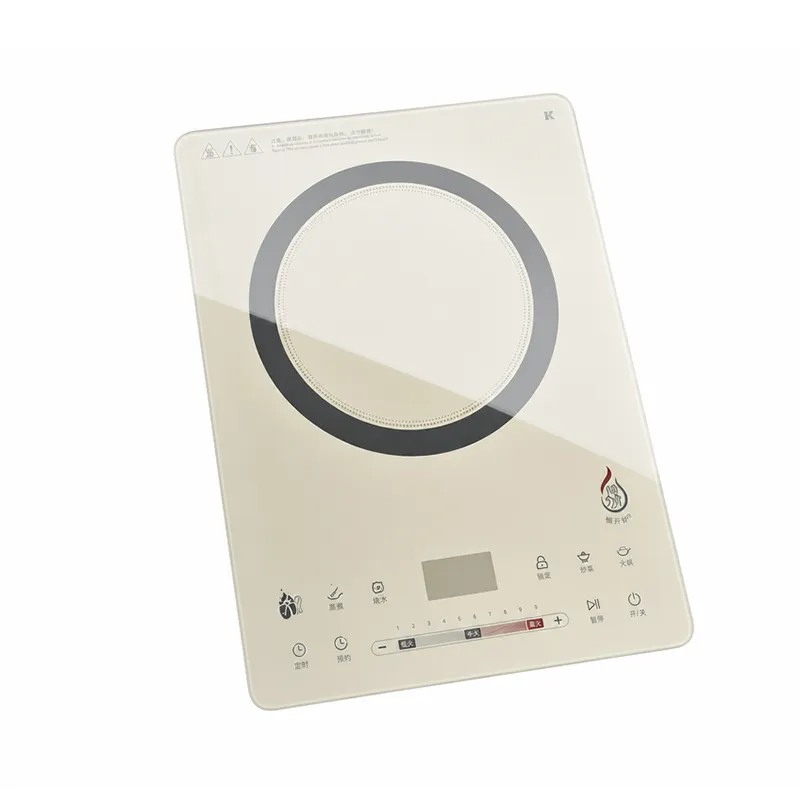
Advanced materials such as transparent glass ceramic panels have the properties of both transparent glass and the toughness and thermal stability of ceramics. Traditional glass is transformed into an engineered material through a process of controlled crystallization that provides the resulting product with exceptional mechanical strength, low thermal expansion, and excellent optical transmission characteristics.
These panels offer superior clarity, safety, and thermal stability making them ideal for many applications such as fireplace screens for your home, oven doors surrounding an oven, high performing windows in your home or office, and architectural facades found throughout your city or town.
When selecting the right type of material for your project, keep in mind that there are several advantages to using transparent glass ceramic panels. Below are the most notable benefits of these types of materials.
Versatile transparent glass ceramics have become a big part of several Industries. Some of the many uses for transparent glass ceramic panels include:
Due to their amazing capacity for thermal resistance and thermal shock, these panels are extensively utilised in fireplace doors and wood stoves. They provide both safety and visibility of the fire itself.
Transparent glass ceramics can serve as the façade, skylight, or partition wall of choice in construction because of their strength, durability, and great visual appearance that can be used in contemporary architectural designs.
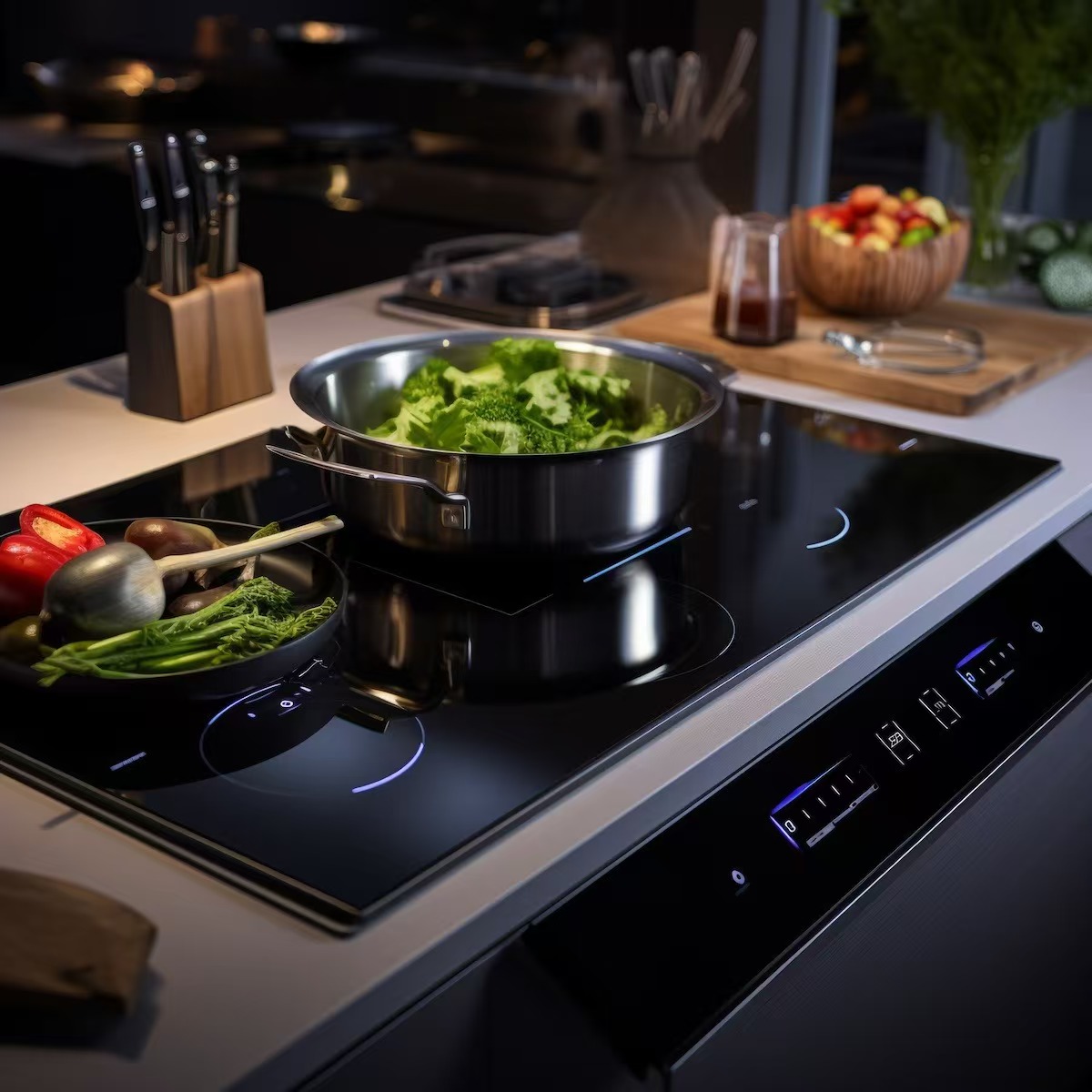
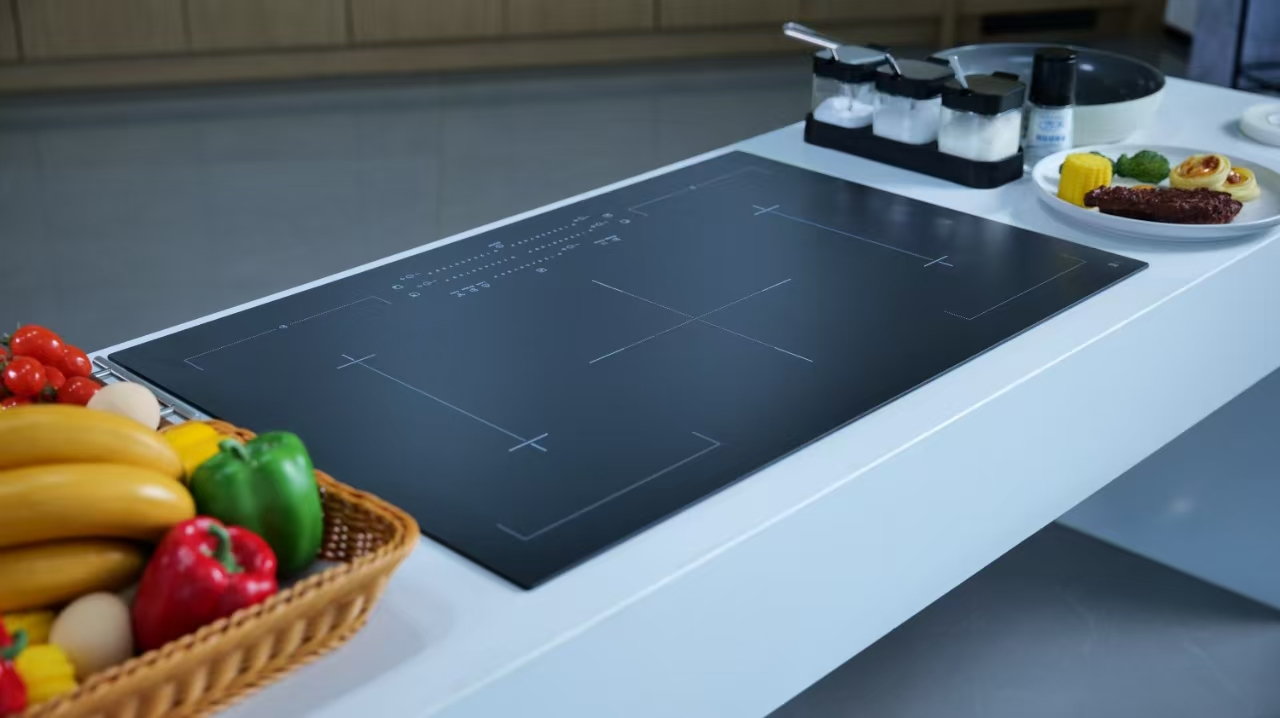
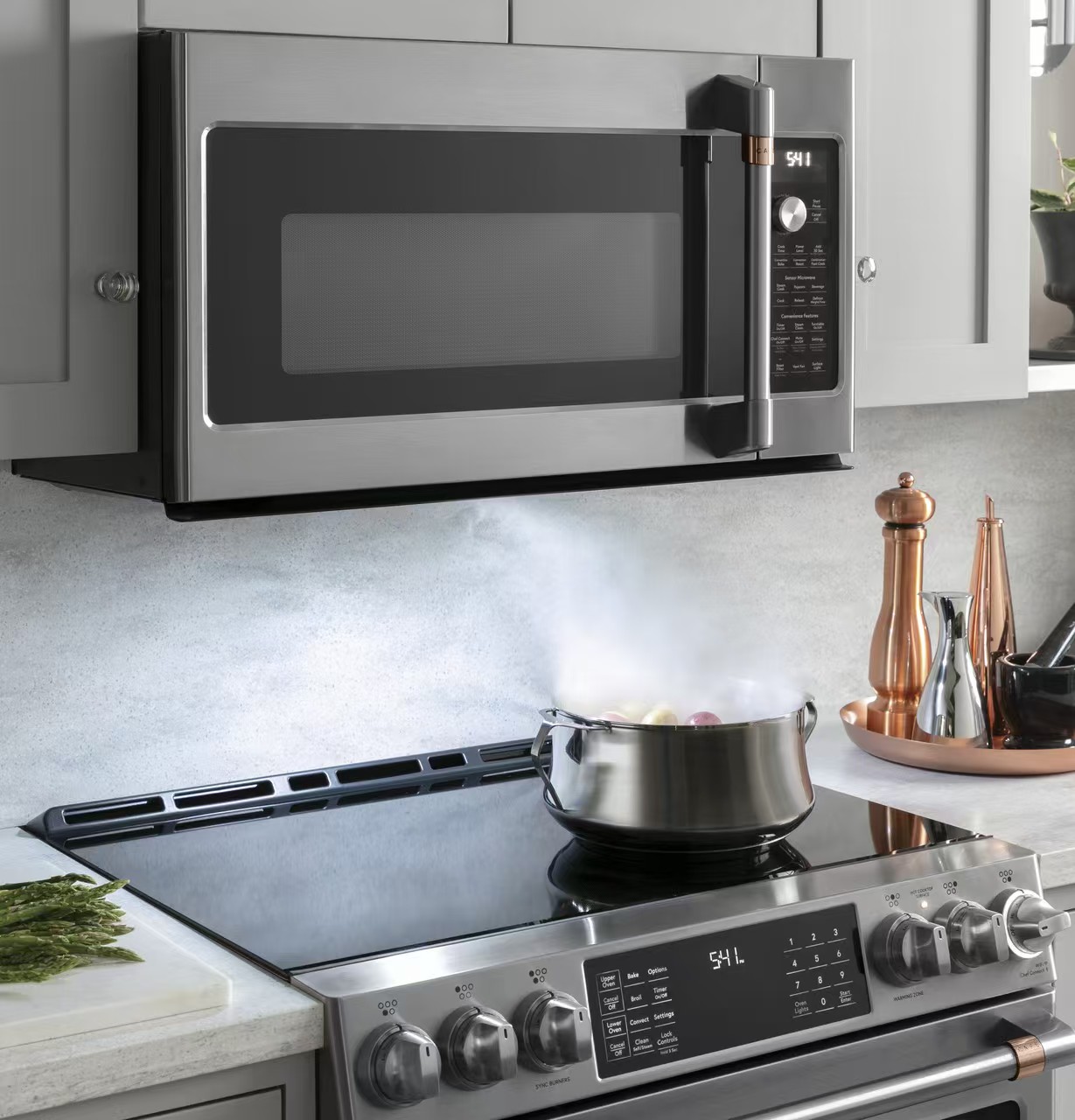
Due to their elegance and ability to withstand heat, most high-end cooktops, microwaves, and stoves are made with transparent ceramic glass plates. These offer protection and a sense of elegance to all your kitchen appliances when used.
Laser components and furnace viewports need a high level of thermal stability and chemical resistance, so manufacturers will often use these panels when constructing similar types of equipment.
These panels are used by many interior designers as part of furniture, light fixtures or shower enclosures. They are often selected for their ability to provide both function and beauty in a contemporary space.
To begin the manufacturing of translucent glass ceramic panels, a distinctive mixture of raw materials must be selected. Next, the mixture is heated to produce molten glass which can then be formed into glass shape. Subsequently, the formed material is processed by controlled crystallization (the process of crystallized material through heating) at specified temperatures to produce a crystalline shape. The resulting material possesses high hardness, superior thermal properties, and has an appearance similar to a piece of normal glass.
Although many people think of “transparent glass” and “transparent glassceramic” as synonyms, the two actually refer to different substances.
Transparent Glass: Standard glass has an amorphous structure which means that it is less resistant to high temperatures and impacts compared to stronger forms such as tempered glass. Standard glass is commonly found in things like windows, doors, and non-durable decorative objects that are not required to have the highest level of strength or heat resistance.
Transparent Glass Ceramic: Due to its crystalline nature, these materials have exceptional physical and thermal properties. Additionally, they exhibit excellent resistance to both heat and heat shock and therefore are ideal for both industrial and architectural use.
Transparent ceramic is a type of solid material that allows light to pass through, but retains the strength of ceramic materials, making them an excellent choice for very high-performance applications such as optics and military technology, as well as harsh industrial environments where strength and transparency are both needed.
The five commonly used types of glass include:
Glass that allows light to go through is used in many different ways: windows and walls of a building, screens of electronic devices, tanks for fish, or as decorations. The purpose will vary with type of glass: standard, toughened (or “strong”), layered (or “multiple panes”), etc.
Compared to normal glass, transparent glass ceramics has much greater strength and resistance to fires and uses. These transparent glass ceramics are made to withstand heat and physical impact; therefore, they are used in applications that have higher durability and durability requirements than ordinary glass, such as on the fronts of fireplaces where they protect the wood from fire.
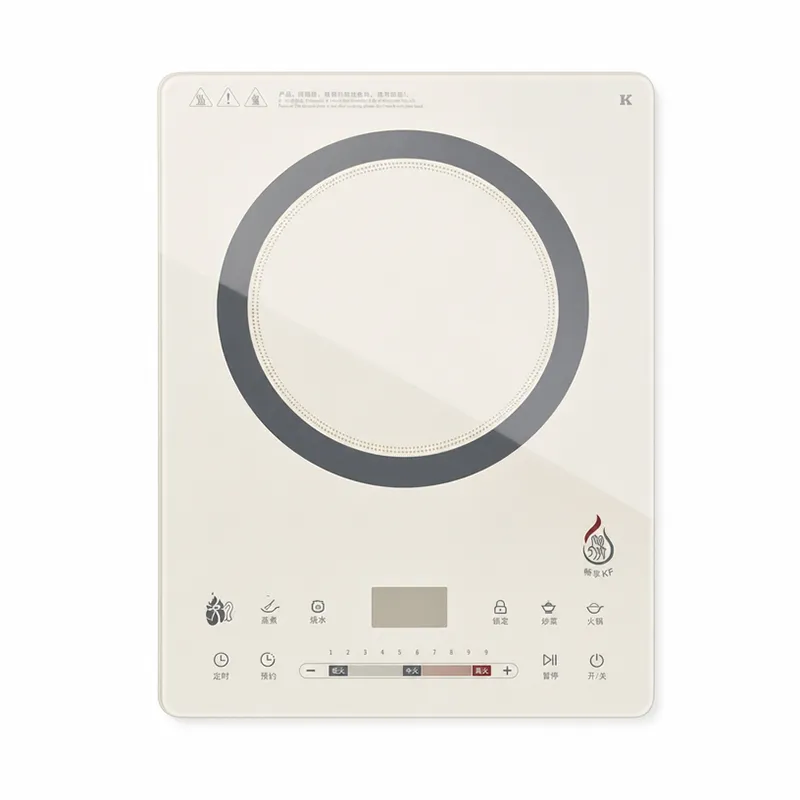
Transparent glass ceramic panels The manufacture and release of transparent glass-ceramic panels is a revolutionary step forward in the field of materials science as it provides a combination of high durability, thermal resistance, and optical clarity. They can be used in many different types of industries, so using them as an all-purpose solution will create a modern construction appliance or industrial design. They provide many benefits regarding function, visual appeal, and safety. Since the demand for this product continues to grow, it’s evident that investing in this technology will give you a forward-thinking result. If you are trying to decide on your next project or redesign, consider using transparent glass-ceramic panels as an innovative yet practical option.