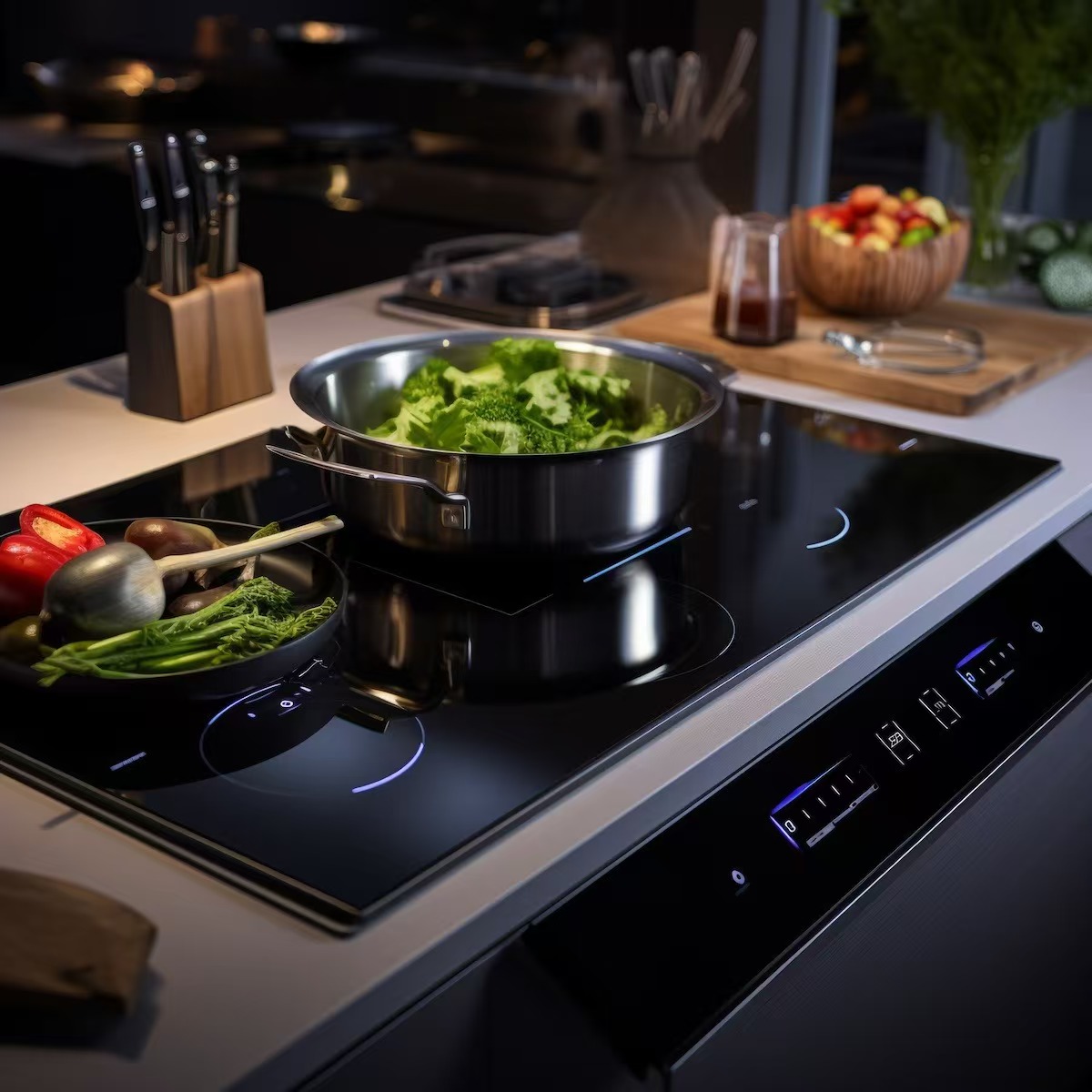
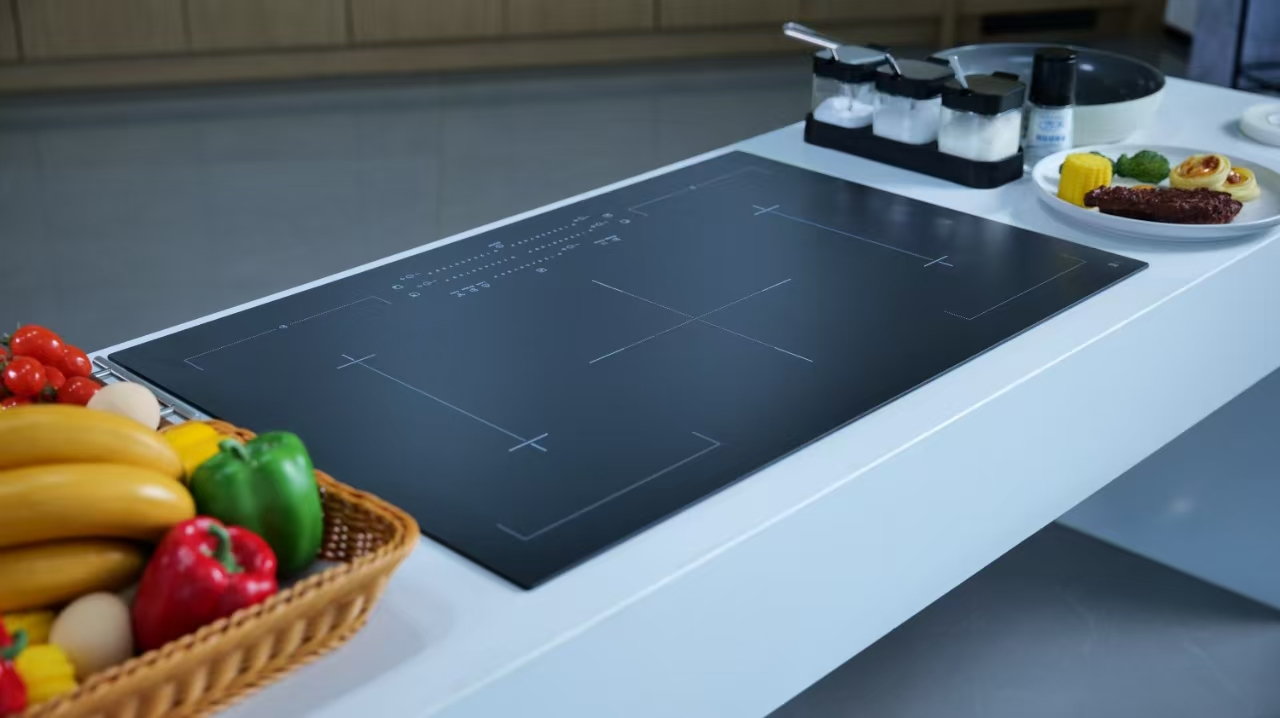
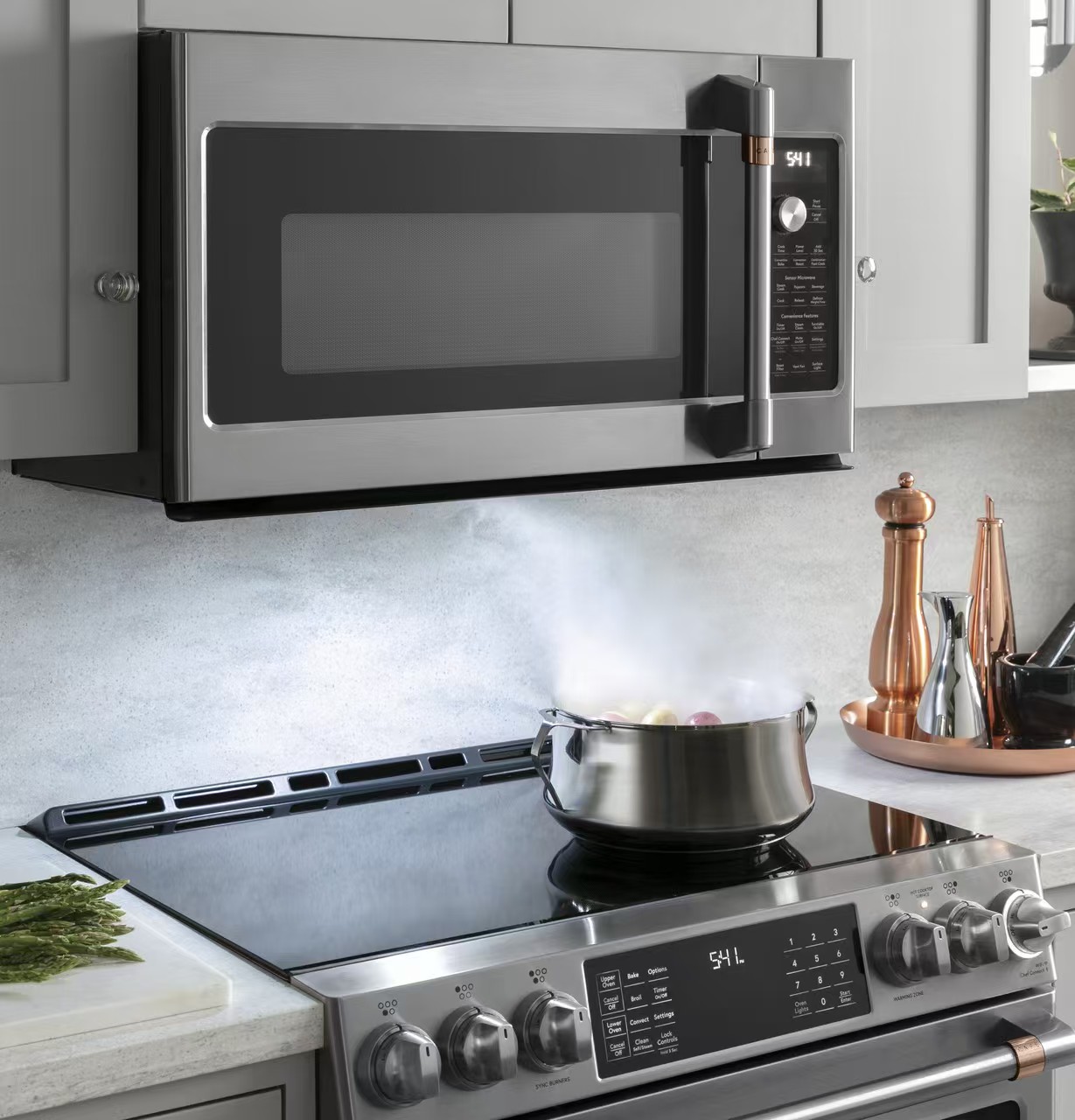
Chemically resistant glass ceramic cooktop panels are quoted correctly only when the RFQ lists cleaning agents, spill exposure, and supplier test references—not the marketing phrase by itself. Pair those chemical fields with the thermal and mechanical requirements already used in cooktop glass specifications.
This guide helps cooktop OEM buyers, appliance R&D teams, and importers document kitchen chemical exposure before sourcing chemically resistant glass ceramic cooktop panels. For thermal shock and CTE fields, see the thermal and mechanical durability fields checklist. For material-name normalization, see the RFQ vocabulary alignment guide.

In procurement documents, chemically resistant describes how a cooktop glass-ceramic surface responds to defined kitchen exposures—cleaning agents, food residues, and humidity—not unlimited immunity to every acid or abrasive tool. SCHOTT CERAN® technical documentation discusses cooktop-grade glass-ceramic durability alongside thermal and mechanical properties, which is the pattern OEM teams should mirror in RFQs.
Consumer blogs often equate “chemically resistant glass ceramic cooktop” with eco-friendly cookware narratives. B2B teams must translate the phrase into testable fields: which agents are approved in the appliance manual, which spills occur in normal use, and which supplier test summaries support the claim.
| Document phrase | Engineering meaning | RFQ action |
|---|---|---|
| Chemically resistant cooktop glass | Surface survives defined cleaner/spill exposure | Attach agent list + test reference |
| Environmentally friendly ceramic glass | Sustainability marketing | Separate from chemical test plan |
| Stain resistant glass ceramic | Cosmetic performance | Define stain types and wipe cycles |
| Scratch resistant surface | Mechanical abrasion duty | Do not assume chemical immunity |
Important: Scratch resistance and chemical resistance are different failure modes on cooktop panels. Require both only when your quality plan tests both. — Source: SCHOTT glass-ceramic materials overview
Appliance manuals allow a narrow cleaner set while owners routinely use vinegar, razor scrapers, or generic sprays. Forum threads on cooktop care report etching, haze, and white marks when unapproved agents contact the surface—evidence that RFQs should list approved and prohibited agents explicitly.
| Exposure class | Examples to document | Why suppliers need it |
|---|---|---|
| Alkaline cooktop creams | Manufacturer-approved cream cleaners | Baseline service-life testing |
| Mild dish soap solutions | Daily wipe-down routines | Cosmetic acceptance criteria |
| Acidic agents | Vinegar or citric descalers if manual allows | Pass/fail against supplier tests |
| Abrasive pads or blades | Prohibited or limited tools | Separates mechanical from chemical damage |
| Sugar / starch spills | Burnt-on carbohydrate residues | High-temperature stick-and-clean cycles |
| Salt and mineral films | Boil-over deposits | Etch and haze evaluation |
Copying a consumer “safe cleaners” blog into an OEM spec is not enough. Tie each allowed agent to the supplier test summary or internal appliance manual section that authorizes it.
Regardless of color or shape, require the same chemical evidence block in every bid response. Eurokera cooktop glass-ceramic literature shows how manufacturers pair application context with durability language—OEM buyers should demand explicit test references rather than adjectives.
| Field | Purpose |
|---|---|
| Approved cleaning-agent list | Matches appliance manual and factory service |
| Prohibited agents / tools | Prevents warranty disputes |
| Spill exposure profile | Sugar, oil, salt, acidic foods as applicable |
| Test method or internal standard reference | Makes claims auditable |
| Visual acceptance after exposure | Haze, stain, gloss retention |
| Number of wipe cycles | Separates one-time vs repeated exposure |
| Coating or print side | Chemical contact may differ by surface |
Thermal metrics from the thermal and mechanical durability fields checklist still apply. Chemical fields add a parallel column—do not drop CTE or thermal shock requirements when adding cleaner lists.
Black, white, transparent, and shaped cooktop panels may use different visual acceptance rules even when the base glass-ceramic class is similar. Kanger’s public portfolio separates black, white, transparent, and shaped cooktop lines under the Kanger appliance glass product lines entry point.
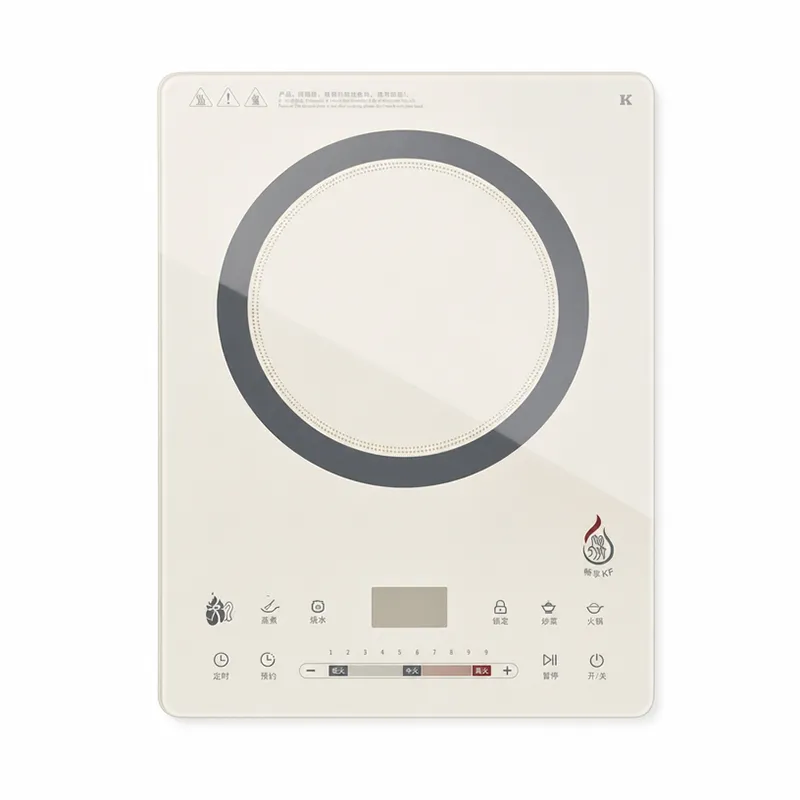
Color changes what buyers inspect after chemical exposure:
Do not assume one supplier quote for “chemically resistant glass ceramic cooktop” covers every colorway unless each variant has test evidence.
Suppliers may cite internal cooktop surface tests, ISO-style environmental exposures, or manufacturer standard procedures. The RFQ should ask for method name, exposure duration, agent concentration, and pass criteria—not a yes/no checkbox.
Practical review steps:
When no published industry test matches your manual, define a factory acceptance test with agreed agents, cycle count, and inspection lighting.
Common errors that reach sourcing teams:
| Scenario | Recommendation |
|---|---|
| Standard black/white cooktop heating panel | Glass-ceramic cooktop line + chemical exposure block |
| Oven door viewing glass | Borosilicate or tempered line per oven drawing |
| Transparent fireplace observation panel | Transparent fireplace line—not default cooktop route |
| Architectural facade glass | Out of scope for cooktop chemical RFQ |
| Only “eco-friendly ceramic glass” marketing copy | Rewrite using Parts 2–3 fields before quoting |
After documenting chemical exposure, route the RFQ through Kanger’s portfolio:
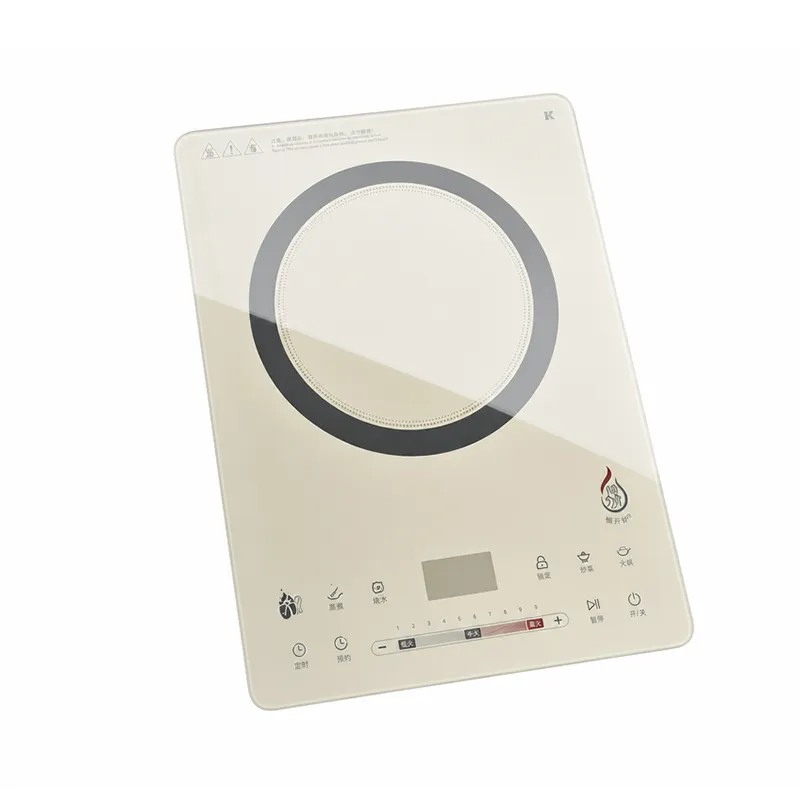
Routing table for internal notes:
| Normalized RFQ header | Send to |
|---|---|
| Chemically resistant black cooktop glass-ceramic | Black cooktop product line |
| Chemically resistant white cooktop glass-ceramic | White cooktop product line via products overview |
| Shaped / concave cooktop panel | Shaped cooktop line + chemical exposure block |
| Multi-color platform family | Products overview + per-SKU drawings |
For black cooktop sourcing context beyond chemical fields, see the black cooktop sourcing context guide.
Are glass-ceramic cooktops resistant to common kitchen cleaners?
They tolerate manufacturer-approved cleaners when tested for that agent class. List approved and prohibited agents in the RFQ and require supplier test summaries—do not assume every household spray is covered.
Does chemical resistance mean the panel ignores sugar or salt spills?
No. Sugar and salt exposures are separate spill tests. Document burnt-on carbohydrates and mineral films, then require cleaning-cycle validation from suppliers.
Can borosilicate panels replace glass-ceramic on a cooktop RFQ?
Not for standard cooktop heating zones. Borosilicate lines target oven and microwave door duties with different thermal and chemical assumptions.
What cleaning agents should appear in a cooktop panel RFQ?
Include every manual-authorized cleaner, explicitly prohibited agents, and any service chemicals used in factory wipe-down or field repair.
How is chemical resistance different from scratch hardness?
Scratch hardness addresses abrasives and utensils. Chemical resistance addresses cleaner and spill chemistry. A panel can score well on one axis and fail on the other.
Do white and black cooktop panels share the same chemical resistance claims?
They may share a material class but use different visual acceptance criteria after exposure. Quote and test each color variant separately.
Which Kanger entry point fits a chemically resistant cooktop RFQ?
Start at the products overview, then route to the matching cooktop color or shape line with the chemical exposure block attached.