There are several factors to consider when selecting cookware for your home kitchen; one of these materials is glass ceramic cookware. In recent years, glass ceramic cookware has become increasingly popular due to its many advantages and versatility as an elegant yet functional cookware material; however, like all types of cookware, glass ceramic cookware has pros and cons just like any other type of material used to make cookware. In this article we will discuss the primary characteristics of glass ceramic cookware and address questions/concerns potential buyers may have regarding using or purchasing this type of product.
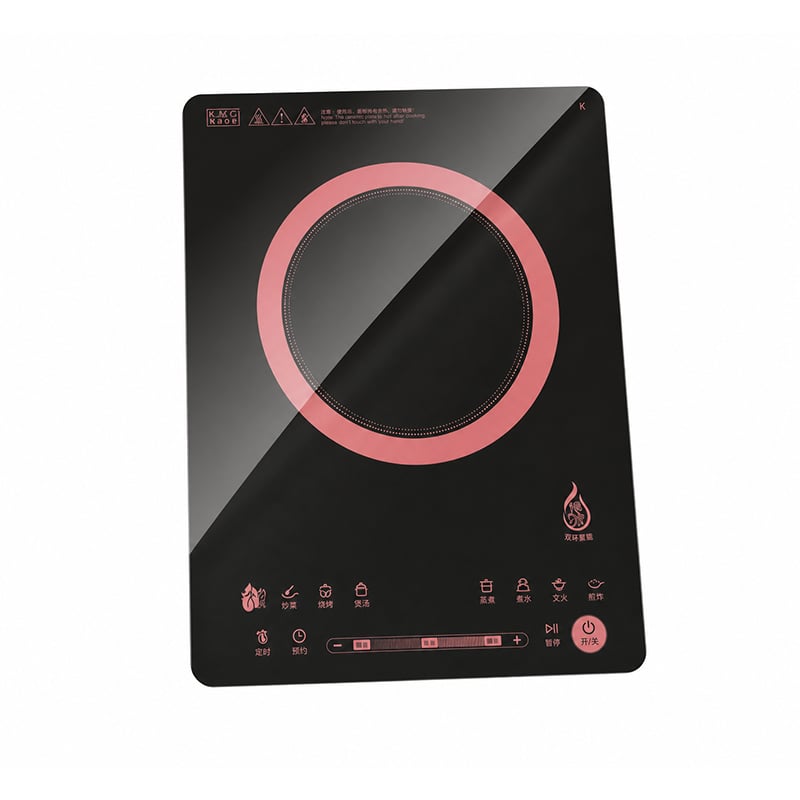
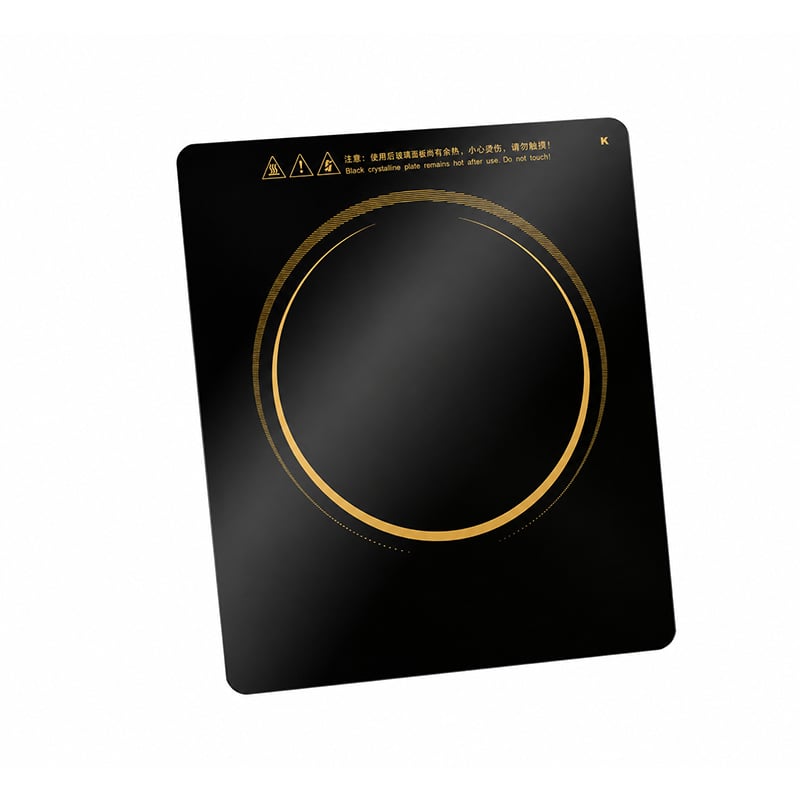
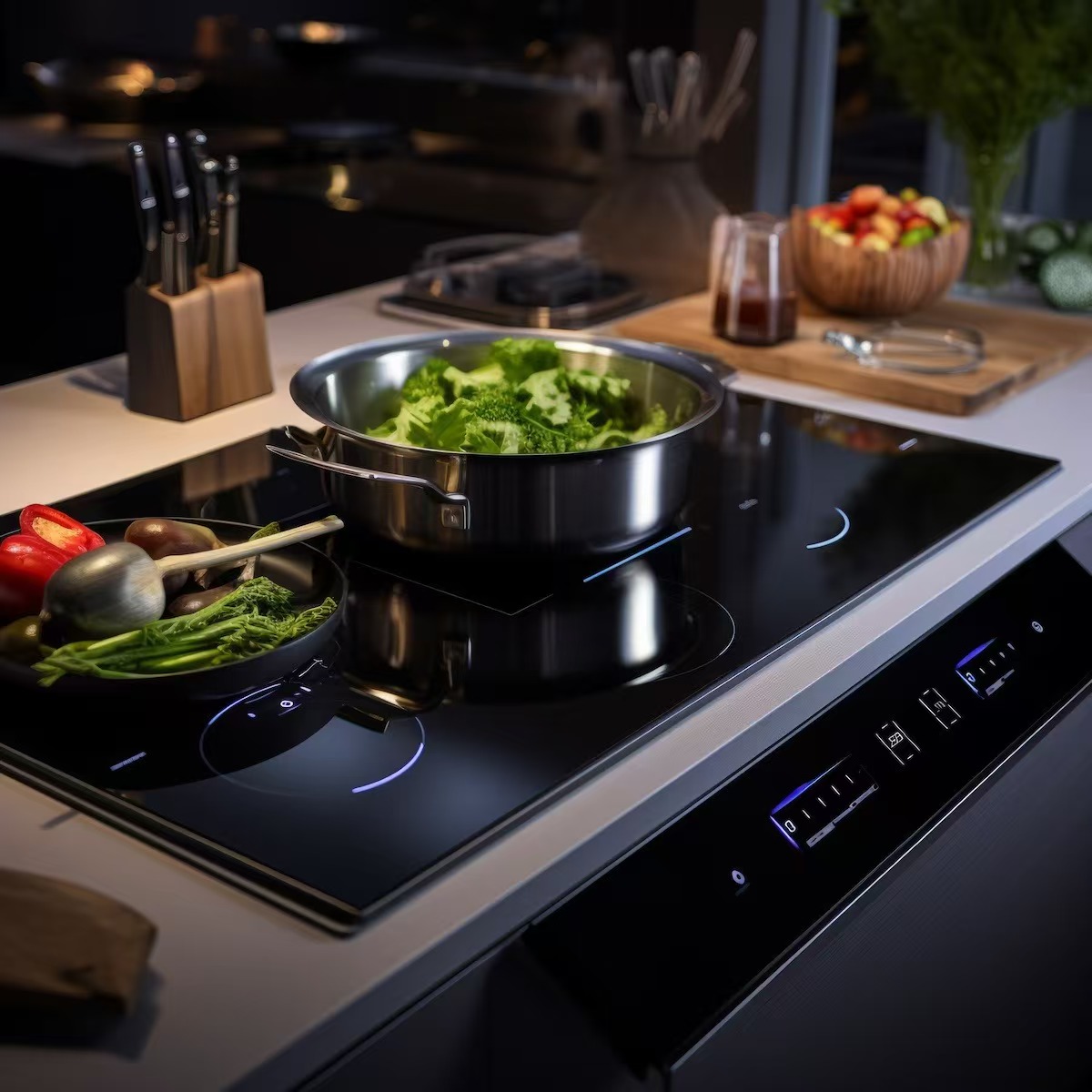
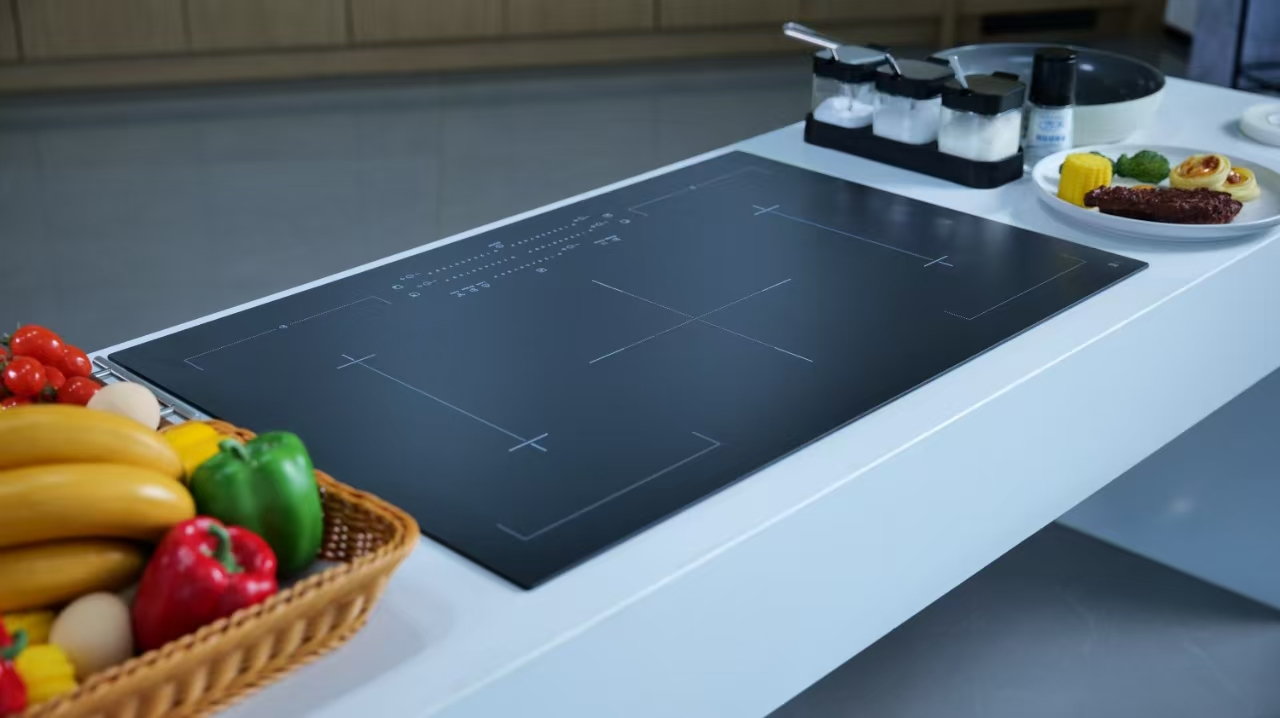
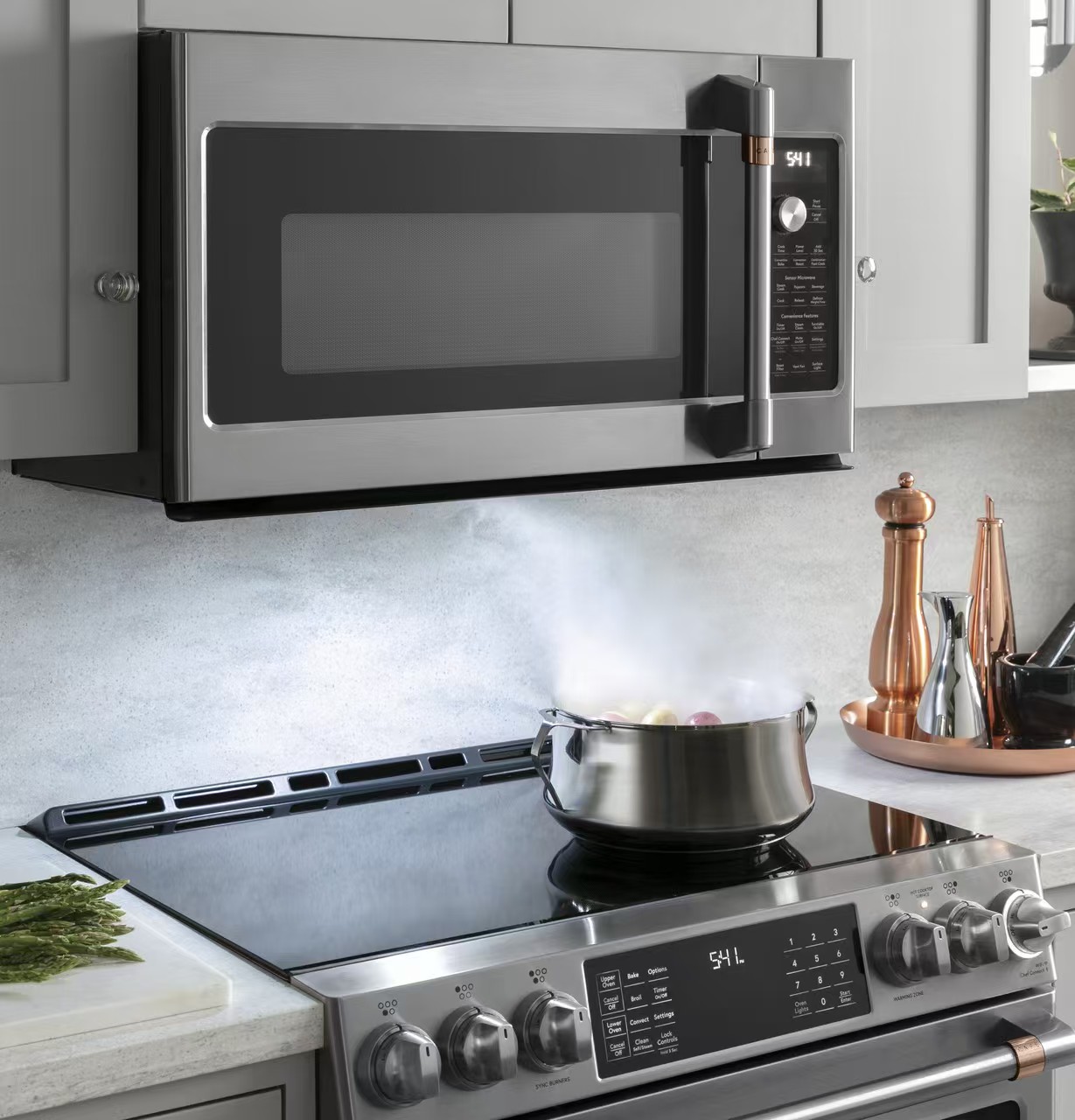
One of the main reasons home cooks are drawn to glass ceramic cookware is its exceptional heat resistance. This cookware can be used in a variety of heat sources, including ovens, microwaves, and stovetops. It is particularly effective on glass top stoves, as it distributes heat evenly and minimizes hot spots, leading to better cooking results.
Another important benefit of using glass-ceramic cookware is that it doesn’t contain any toxic substances. In contrast to many other materials – which can cause chemicals to leach out into food – glass-ceramic is typically considered safe and non-reactive. Glass-ceramics can be used to cook anything, as the surface of a piece of glass-ceramic cookware is typically very smooth and easy to clean (as well as being odorless and tasteless). Many home cooks will tell you they really appreciate these qualities in their glass-ceramics.
Additionally, they are beautiful and visually-friendly. Their modern, sleek-and-easy-to-present design means that glass bowls can go from the cooktop to the dining room table, allowing you to serve your meal in style. Those who choose to buy glass ceramic items for their kitchen often will do so based on how stylish they look.
All types of cookware will have limits; particularly glass ceramic cookware is no exception. One of the downsides of glass ceramic cookware is that the material is sensitive to rapid changes in temperature that result from not carefully managing how you switch from one heat source (e.g., electric, gas, induction, wood/charcoal/smoker) to another. To help minimize the risk of thermal shock (a term that describes the cracking/breakage of glass and ceramics), many users recommend preheating your oven or stovetop so they can gradually heat up, rather than going from being very cold to high temperature instantly.
Additionally, although glass ceramic cookware typically weakens quickly, it may become scratched in time with the use of metal utensils or other improper cleaning methods. Wooden or silicone utensils should be used to extend the life of your cookware.
Concerns about safety can affect many customer’s thoughts in comparison to the alternative options to cook with, but the upside is that most experts agree that using glass-ceramics to cook with are safe. Traditional non-stick surfaces are more likely to create dangerous fumes or chemicals that are released into food when heated past certain temperatures. Always check your manufacturer’s guidelines for safe use and care.
This is a common query amongst amateurs when attempting to decide which type of cookware fits them best; however, there is no definitive response because it will be based upon the individual’s preference and cooking method. Generally, ceramic cookware has very good nonstick qualities, whereas glass cookware is often commended for its non-reactivity and elegant style; thus if flexibility in function and attractiveness are important to you, then ceramic glass cookware may be worth considering.
As noted earlier in this article, the main drawbacks of using glass-ceramics are that they may be susceptible to thermal shock or thermal expansion; are generally heavier than other types of cookware; and are more prone to scratching or chipping. If an individual prefers light weight cookware and finds this disadvantage unacceptable, then he will want to take these factors into consideration when deciding on which type of cookware to purchase.
There are many consumers who wonder about using glass ceramic cookware on an induction stovetop. Most often, the answer to this question will be “no,” as the majority of glass ceramic cookware does not have the magnetic properties that are required for induction heating. In order to be able to use cookware on an induction stovetop, it must have a ferromagnetic (magnetically attractive) base made from either cast iron, or stainless steel, etc. Some manufacturers do produce hybrid glass ceramic cookware with bases that may be used on induction stovetops; if you want to know whether or not this feature is available in a product, check the product specifications.
Yes, glass ceramic cookware is oven-safe, but it’s essential to check the manufacturer’s temperature guidelines before use. Most glass ceramic cookware can withstand high oven temperatures, but sudden, extreme changes in temperature can result in cracking or breaking due to thermal shock.
Cleaning glass ceramic cookware is generally simple. Use mild dish soap, warm water, and a soft sponge to clean the surface. Avoid using abrasive materials or harsh chemicals, as these may scratch or damage the surface. For tough, stuck-on food, soaking the cookware in warm water with baking soda can help loosen the residue.
While many glass ceramic cookware pieces are labeled as dishwasher-safe, hand washing is generally recommended to extend the life of the cookware and prevent any potential damage from abrasive dishwasher detergents.
Yes, glass ceramic cookware can be used on gas stovetops. However, it is important to ensure that the cookware is placed and removed carefully to avoid scratches or damage. Additionally, take care to avoid direct exposure of the flame to the edges of the cookware, as this can cause localized overheating and potential cracking.
Glass ceramic is an excellent conductor of heat and can handle moderate to high temperatures. However, rapid temperature changes can cause thermal shock, so it’s best to use gradual heating and avoid transferring hot cookware directly to cold surfaces.
Generally, glass ceramic cookware is resistant to staining if cleaned promptly after use. However, over time, it might develop discoloration, particularly if exposed to burnt-on food residue. Regular cleaning and the occasional use of baking soda or vinegar can help to maintain its pristine appearance.
In conclusion, glass ceramic cookware offers a multitude of benefits that can enhance your cooking experience. Its heat resistance, safety features, and aesthetic appeal make it a strong contender in the world of kitchenware. However, being aware of its disadvantages, such as vulnerability to thermal shock and scratching, can help you make an informed decision. Ultimately, choosing the right cookware depends on your cooking style, preferences, and how much care you’re willing to invest in maintenance. Equip your kitchen with the best tools, and let your culinary creativity flourish!