In recent decades, microwave technologies have changed how we prepare food; therefore, convenience has become the primary focus when cooking. Many people wonder if they can use ceramic glass for their specialized kitchenware, so let us break down the details on microwave safety for ceramic glass because many people do not realize that not all types of ceramic glass are safe for microwaving and could lead to potential accidents or problems with your appliance being improperly used. So here are the specifics regarding microwave ceramic glass included in your cuisine along with the microwaving compatibility.
Microwave ceramic glass Ceramic glass is a type of heat-resistant glass material that is commonly used in bakeware and tableware. Ceramic glass is safe at high temperatures because it has been treated to withstand high temperatures without breaking, unlike regular (or “float”) glass. Ceramic glass combines the best features of both ceramics and glass. Therefore, it can be used to cook in many different ways. However, there are many different kinds of ceramic glass items, and some are better suited for microwave use than others.
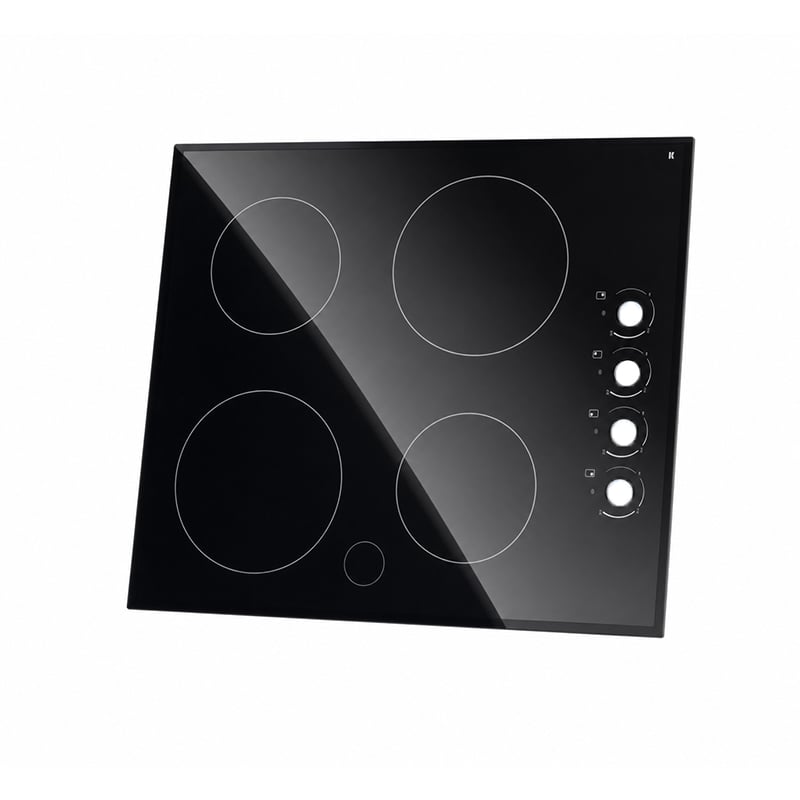
Microwave-grade ceramic glassware is generally considered suitable for microwave cooking if the piece has been labelled with the phrase “Microwave Safe.” Microwave safe means there was a process or set of standards that were met by the manufacturer/brand. Most modern microwave ceramic glass cookware can withstand extreme temperatures and therefore are good not only for reheating but also cooking and baking. When in doubt about whether your specific piece of ceramic glass is microwave safe, it is advisable to refrain from using i.
Checking whether your ceramic ware is suitable for the microwave may prevent you from creating unwanted messes or hazards. Follow these steps to determine whether or not your ceramic glassware is microwave safe:
Look at the bottom of your ceramic item and see if it says “microwave-safe” on it or on its packaging.
To conduct a simple test; pour water into an unglazed ceramic mug and place it in the microwave for 1-2 minutes. If the mug gets extremely hot but the water remains cool (about 10° F), the mug is most likely not safe to use in the microwave.
Do not put ceramic glass that has metallic coatings on it in the microwave. The microwave will make the metal in your ceramic glass spark, and this can damage your microwave.
Opting for microwave ceramic glass comes with several advantages:
Cracking and breaking when the microwave is operating under normal conditions wouldn’t generally occur with ceramic glass due to its high durability.
The materials have the ability to disperse heat evenly throughout the entire area of contact, giving you confidence that your food has been evenly cooked or reheated.
Versatility: Ceramic glass microwaves can typically go from being put in to eventually being placed in an oven. Therefore, they are a great choice when preparing several types of meals or cooking with other appliances.
– Non-Toxic: Unlike certain types of plastics, microwave ceramic glass does not emit toxic substances during heating.
Learning the basic functions of microwave ceramic-glass materials can help you eliminate the common errors associated with their use. The purpose of this article is to address common questions about the use of microwave ceramic glass.
Can microwave ceramic glass explode?
When used normally, microwave-safe ceramic glass will not explode in the microwave; however, remember to inspect your ceramic glass prior to putting it into the microwave to ensure there are no pre-existing imperfections. Any sudden temperature changes may also lead to cracking or breaking of the ceramic glass, so you should always inspect the ceramic before using it in the microwave.
Are all types of ceramic glass microwave-safe?
While most ceramic glass items can go in the microwave, not every single product that you want to put in there will be microwave-safe. Be sure to check with the manufacturer directly or consult the instructions to ensure your ceramic glassware will work in the microwave.
How can I test if ceramic glass is microwave-safe?
In the absence of a microwave-safe sticker, an alternative method is to microwave the empty container for 30 seconds. If it gets very hot (not just the food), it probably doesn’t belong in the microwave.
Can I use chipped or cracked microwave ceramic glass?
Using damaged ceramic glass in the microwave is not recommended. The heat from the microwave may cause the ceramic to further break down and possibly shatter.
Does microwave ceramic glass retain heat?
Ceramic glass is great about holding heat when put into a microwave so that you can serve them right to your table out of the oven. However, that same feature also makes them very hot when they come out of the microwave. Please be careful when you take ceramic glass out of the microwave.
When selecting the proper materials for your cooking area, proper choices will help to protect against injury or misuse in addition to providing effective results from cooking operations. One of the best materials to choose from is that of a microwaveable ceramic glass material. Not only does a microwaveable ceramic glass material have great temperature resistance and even heating properties; but it also provides a functional and aesthetic look to any kitchen and is an excellent option when looking for an easy way to create a meal without any hassle and provides many types of cookware product options. You can’t go wrong if you choose to cook using a ceramic glass microwave oven!
Finally, when you invest in ceramic glass that is safe to use in your microwave, not only will you have peace of mind but also convenience! You should be able to enhance your cooking experience by both ensuring that your ceramic glass is safe for the microwave and following best practices for using ceramic for cooking in the microwave.