Concave induction cooker panels must combine bowl diameter/depth, flange zones, thickness, edge finish, and induction coil clearance notes on one controlled drawing before commercial price comparison.
OEM teams use this checklist to keep concave induction cooker panels comparable across suppliers. Related reading: How do commercial wok programs size a concave cooktop panel?.

Start by separating concave induction cooker panels language from adjacent fireplace, cooktop, or aftermarket labels so the RFQ names the real assembly.
Important: Quoting only bowl diameter without coil clearance and flange notes hides fit risk on concave induction cooker panels. — Source: SCHOTT CERAN technical details.
| Geometry field | Coil-side field | Risk if decoupled |
|---|---|---|
| Bowl diameter | Coil outer envelope | Hot-spot mismatch |
| Bowl depth / profile | Air-gap assumption | Efficiency or noise issues |
| Flat flange width | Mounting clip zone | Edge crush |
| Thickness map | Sensor/marking keep-out | Print or sensor conflict |
Lock the primary input fields buyers must send with every quote request.

| Callout | Example | Supplier confirms |
|---|---|---|
| Outer diameter | Nominal + tolerance | Forming capability |
| Depth at center | Profile sketch | Mold/tooling fit |
| Flange thickness | Zone map | Process window |
| Edge finish | Outer rim class | Handling criteria |
| Silk-screen zones | Keep-outs near coil | Print durability |
Detail the interface, optics, or geometry controls that change manufacturability.
| Ask | Do not invent | Park if missing |
|---|---|---|
| Coil family assumption | Unverified kW claim | Power slogan only |
| Clearance note | Copied competitor gap | No drawing note |
| Marking side | Assumed print side | Ambiguous artwork |
| Thermal evidence context | Generic 750C brochure | No test scope |
Normalize how two quotations are compared once fields are complete.
| Score item | Pass | Fail |
|---|---|---|
| Same bowl CAD rev | Both | One missing rev |
| Coil clearance stated | Both | Omitted |
| Edge class labeled | Both | Vague polish |
| Docs attached | Datasheet | Marketing PDF only |
Authority sources such as SCHOTT CERAN technical details help structure evidence rows; do not copy competitor callouts as your approval values.
| Document | Confirms |
|---|---|
| Material datasheet for quoted grade | Available property rows |
| Drawing approval / manufacturability note | Revision-controlled geometry |
| Inspection criteria | Edge/visual/dimensional limits |
| Lot or sample record when visual | Traceability |
Also see Induction vs infrared cooker glass ceramic comparison for adjacent cluster context.
Keep this concave induction coil-interface brief separate from flat cooktops, infrared-only panels, and metal wok bodies without glass-ceramic duty.
| Stop when | Action | Why |
|---|---|---|
| Flat induction panel only | Use flat panel RFQ | No bowl geometry |
| Infrared-only program | Split or re-brief | Heat-mode mismatch |
| Metal wok without glass panel | Stop glass-ceramic assumption | Wrong component |
| Dual-mode claim unverified | Split RFQs | Evidence gap |
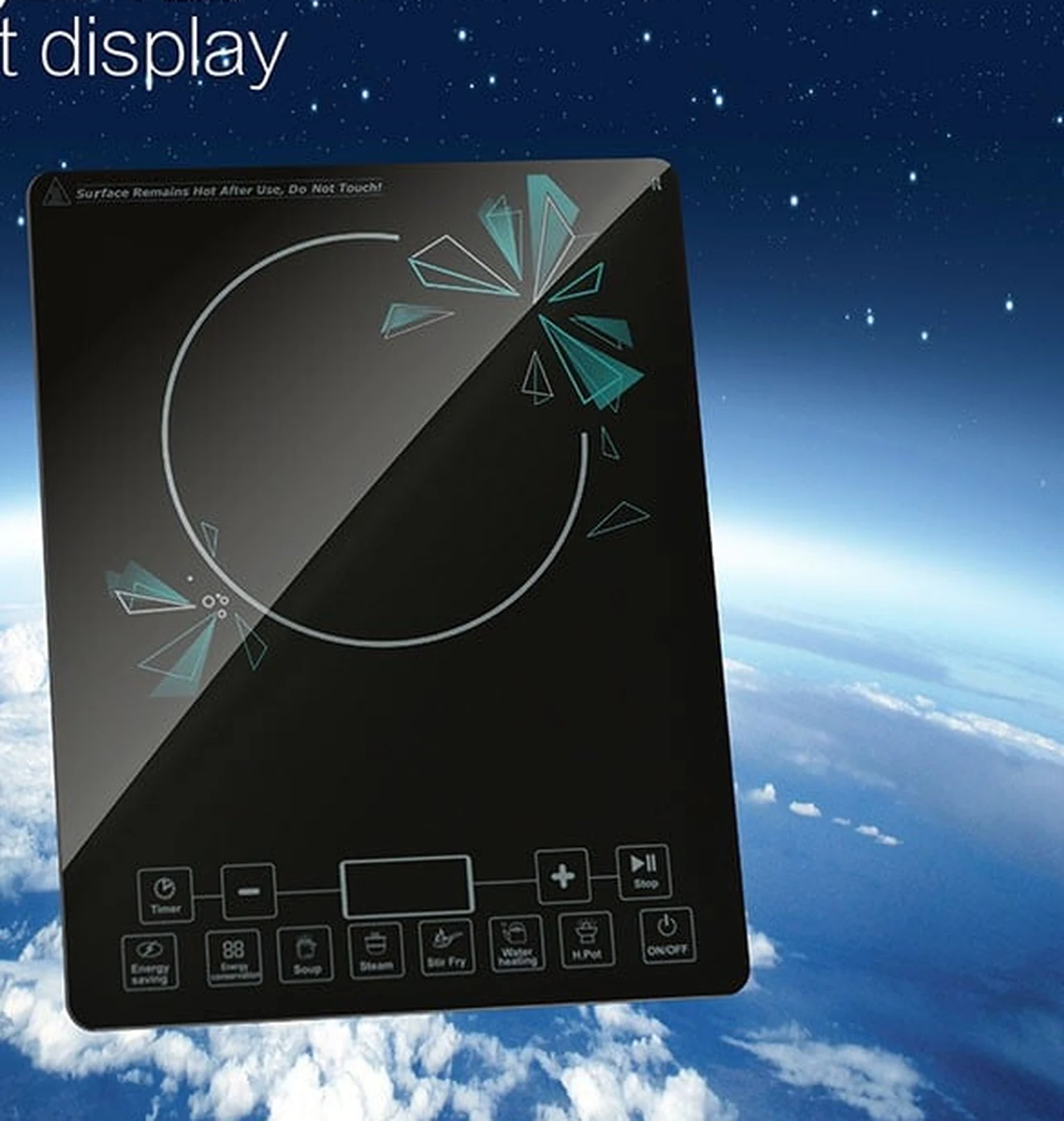
Product recommendation (with not recommend / non-recommended / fit-boundary notes) for concave induction panels:
– Send bowl CAD + coil clearance notes through black glass-ceramic cooktop panels.
– Do not recommend / Do not use this route for flat-only residential panels or infrared-only briefs without coil notes.
– Complete the inquiry via Contact Kanger.
No. Concave programs add bowl geometry and usually different mounting and clearance notes.
Sizing helps diameter selection, but coil interface and air-gap notes still need explicit fields.
Use drawing callouts and supplier confirmation rather than copying a competitor sheet.
If both modes are possible, split RFQs or use the induction/infrared comparison guide—do not merge unverified dual-mode claims.
Grade datasheet, geometry confirmation, and thermal-shock context tied to the drawing revision.
Use the black glass-ceramic cooktop product route with the concave drawing attached.