OEM teams should specify ceramic unbreakable tempered glass with controlled drawing fields, duty or documentation scope, interface notes, and supplier evidence—then compare quotes only against that same package.
Use this checklist so ceramic unbreakable tempered glass stays manufacturable across suppliers. Related: When should an appliance team request tempered-panel thermal evidence?.
Treat ceramic unbreakable tempered glass as a buyer keyword that often mixes marketing “unbreakable” language with tempered appliance-panel needs. OEMs should decode the claim into temper process, thermal-shock evidence scope, geometry, and edge finish.
Distinct from #6093 thermal-evidence timing: this guide reframes marketing ‘unbreakable’ language into OEM specification fields and fit boundaries for tempered appliance panels.
Important: For ceramic unbreakable tempered glass bids, replace absolute lifetime slogans with temper process statements, thermal-shock evidence scope, and labeled edge classes before sample approval — Source: SCHOTT glass-ceramic materials overview.
| Marketing phrase | OEM field to demand | Reject if |
|---|---|---|
| Unbreakable | Fracture/temper evidence scope | Absolute lifetime claim |
| Ceramic look | Color/print/coating note | Vague “ceramic glass” swap |
| Heat-proof | Continuous/peak + points | Brochure temperature only |
| Shatterproof | Temper + fragment pattern note | No process statement |
| Field | RFQ wording | Supplier confirms |
|---|---|---|
| Temper process statement | Fully tempered / per drawing note | Process class |
| Thermal-shock evidence context | Cycle / delta-T scope | Test scope |
| Continuous / peak duty | With locations | Grade suitability |
| Fragmentation / break pattern note | If safety-relevant | Project-specific |
| Coating / print stack | If ceramic look is printed | Stack-up drawing |
| Item | Specify | Risk if omitted |
|---|---|---|
| Outline + holes | CAD rev | Fit / stress risers |
| Thickness + tolerance | Zone map | Seal gap |
| Edge finish | Per edge | Chip initiation |
| Corner treatment | Radius/chamfer | Stress concentration |
| Mounting load path | Clip/frame | Edge crush |
| Film side | Removal stage | Scratch claims |
| Item | Pass | Fail |
|---|---|---|
| “Unbreakable” replaced by fields | Yes | Slogan only |
| Same CAD rev | Both | Missing |
| Thermal evidence scope | Stated | Generic photo |
| Edge class | Labeled | Vague polish |
| Sample plan | Agreed | None |
Related timing guidance: When should an appliance team request tempered-panel thermal evidence?. This article keeps the full specification package—not only when to ask for thermal evidence.
| Document | Confirms |
|---|---|
| Tempered-grade datasheet | Property rows |
| Drawing approval | Geometry |
| Edge/visual criteria | Inspection limits |
| Thermal-shock report context | Scope match |
| Packing guide | Transit protection |
| Stop when | Action | Why |
|---|---|---|
| Glass-ceramic cooktop panel | Use GC cooktop RFQ | Wrong family |
| Borosilicate microwave plate | Use borosilicate brief | Different process |
| Architectural safety glass only | Building RFQ | Out of appliance scope |
| Absolute unbreakable warranty demand | Rewrite fields | Non-comparable claim |
When the decoded RFQ is a tempered household-appliance panel with thermal-shock context—not a cooktop glass-ceramic—route to thermal shock resistance tempered glass for household appliance panels if it matches Kanger’s published tempered-panel scope.
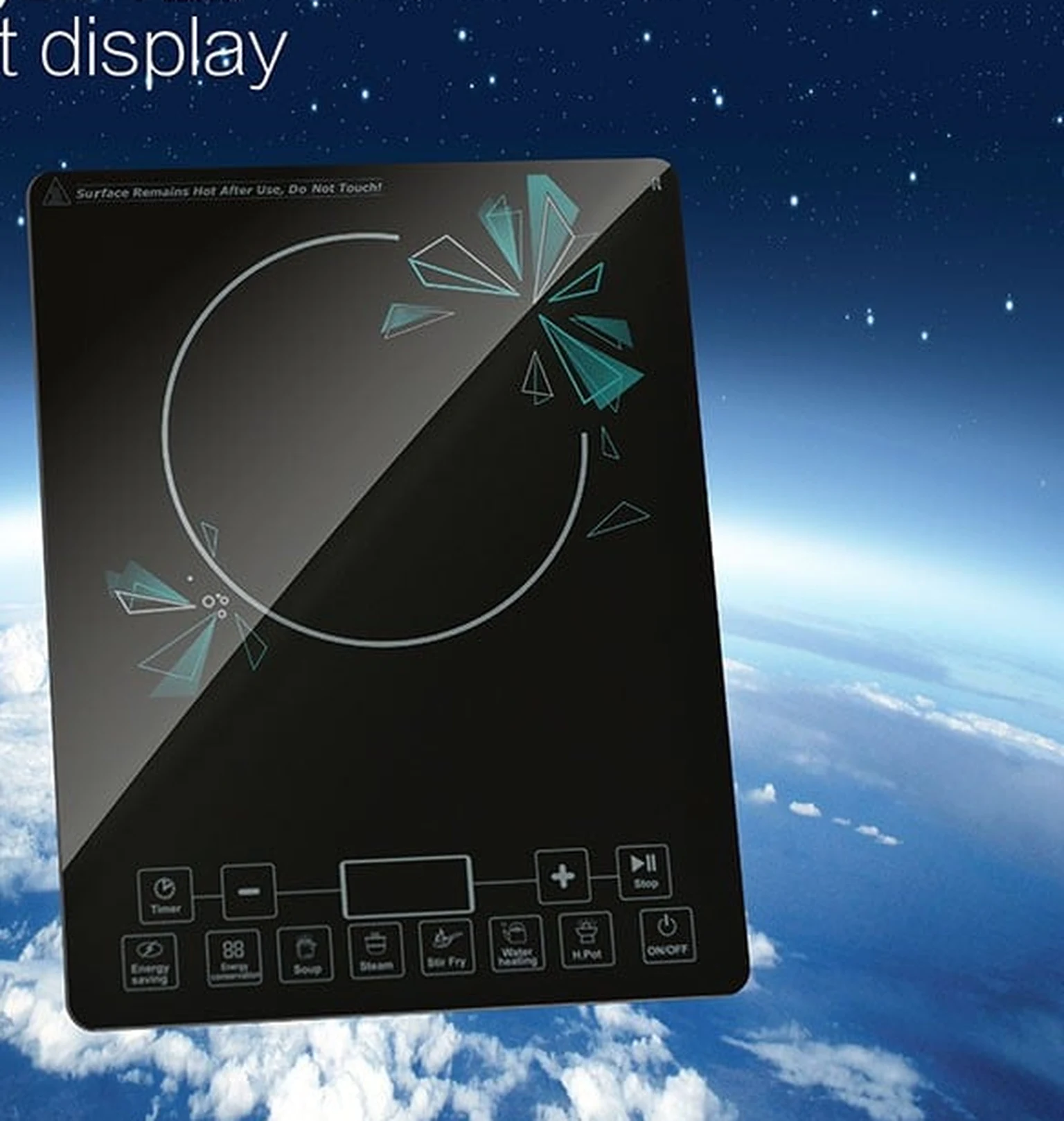
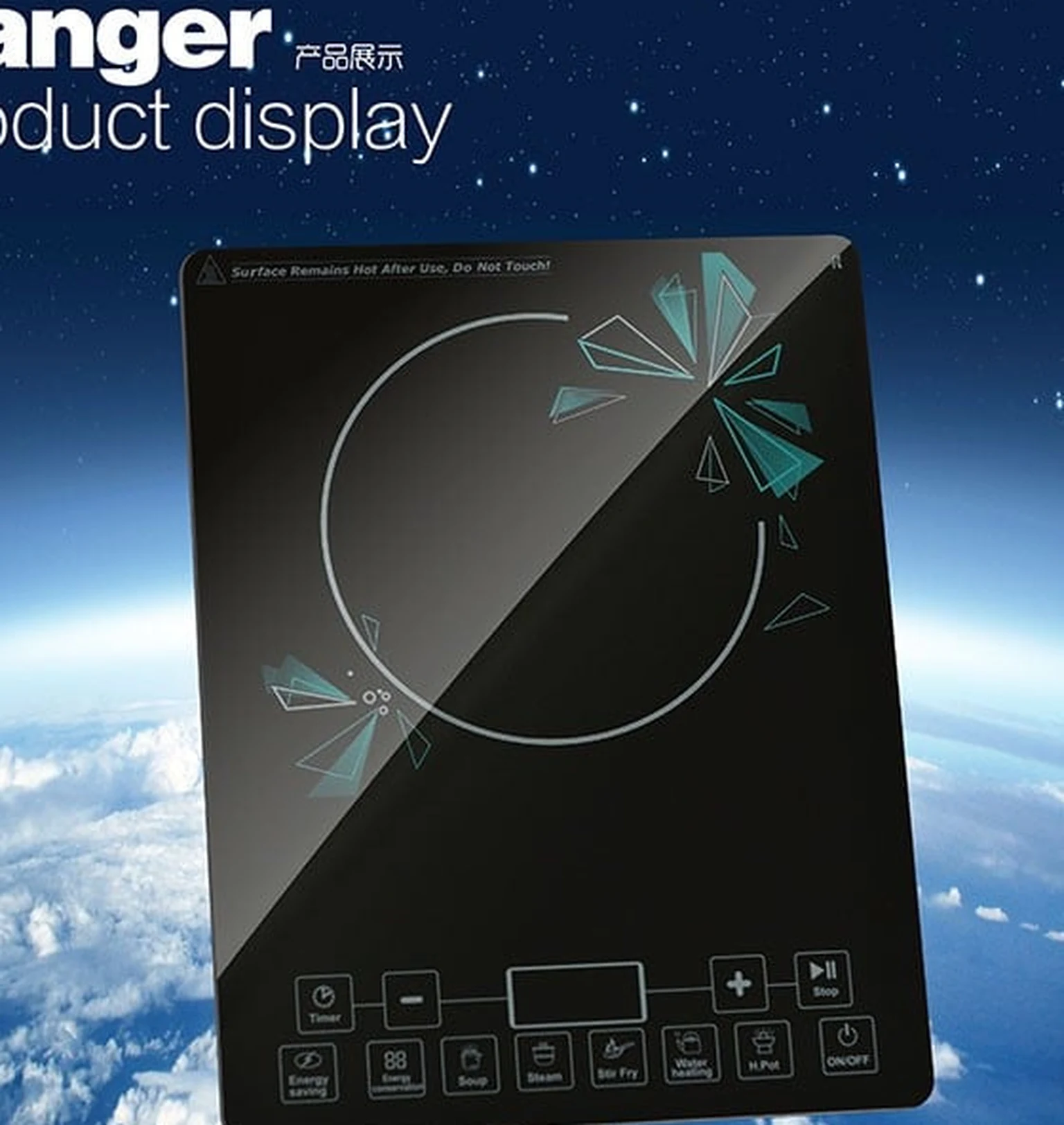
Do not recommend this tempered path for black induction cooktops, porcelain-white color lots, fireplace glass-ceramic doors, or any bid that only repeats “unbreakable.” Use Products overview and Contact Kanger.
Does ceramic unbreakable tempered glass mean the panel cannot break?
No. Treat “unbreakable” as marketing language. Specify temper, thermal-shock evidence scope, and fit limits instead.
Is tempered glass the same as glass-ceramic?
No. Keep separate RFQs and material routes.
When should thermal evidence be requested?
See When should an appliance team request tempered-panel thermal evidence? for timing; include evidence scope in every comparable quote.
What edge finish should OEMs list?
Match clip/frame geometry; label each edge—do not copy a cooktop edge note blindly.
What documents belong with the quote?
Tempered-grade datasheet, drawing approval, edge criteria, and thermal-shock evidence context.
Which product page should receive the inquiry?
Use thermal shock resistance tempered glass for household appliance panels when tempered appliance panels fit, then Contact Kanger.
Authority links used for this tempered-panel OEM decoding brief: