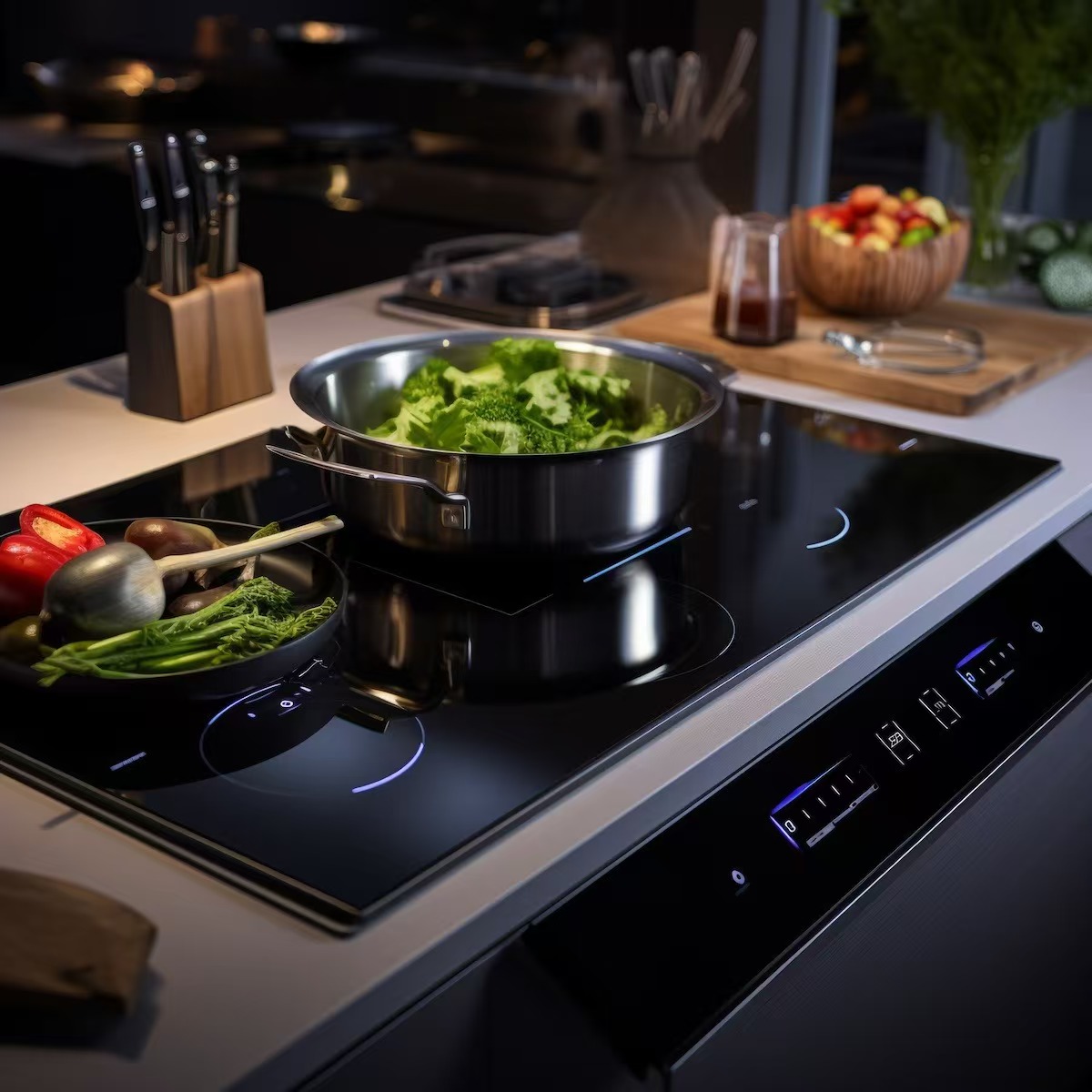
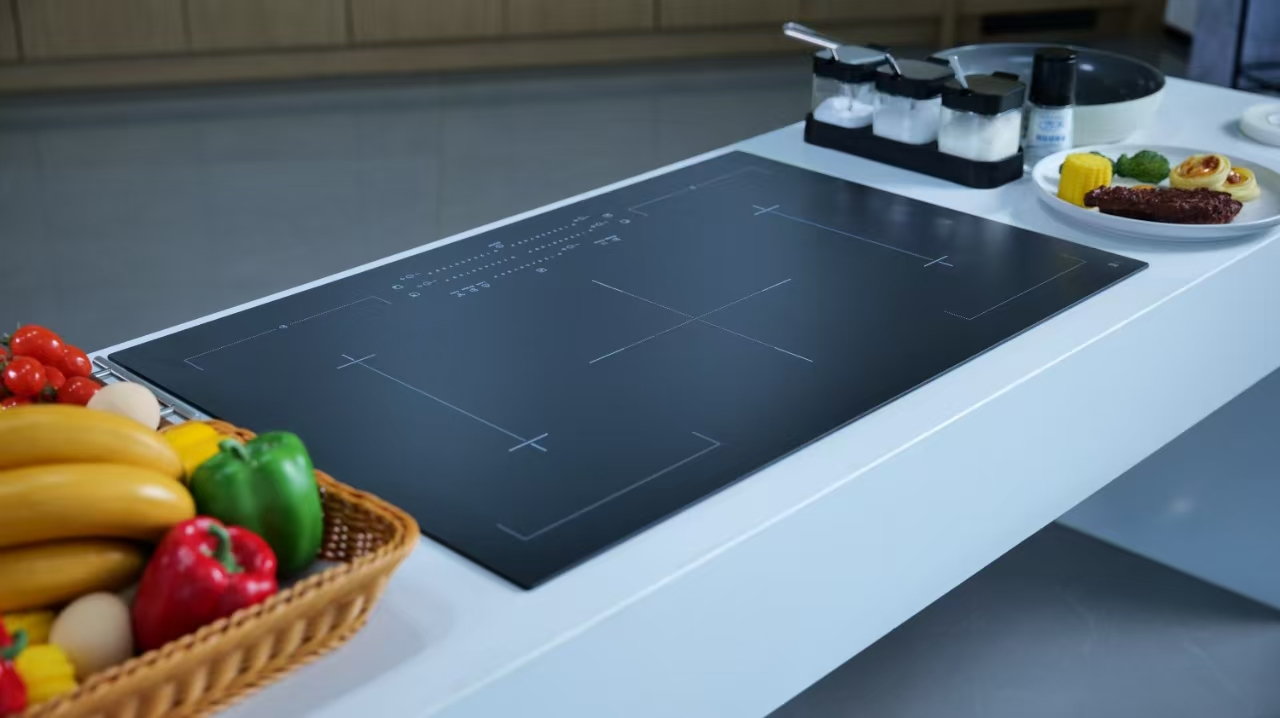
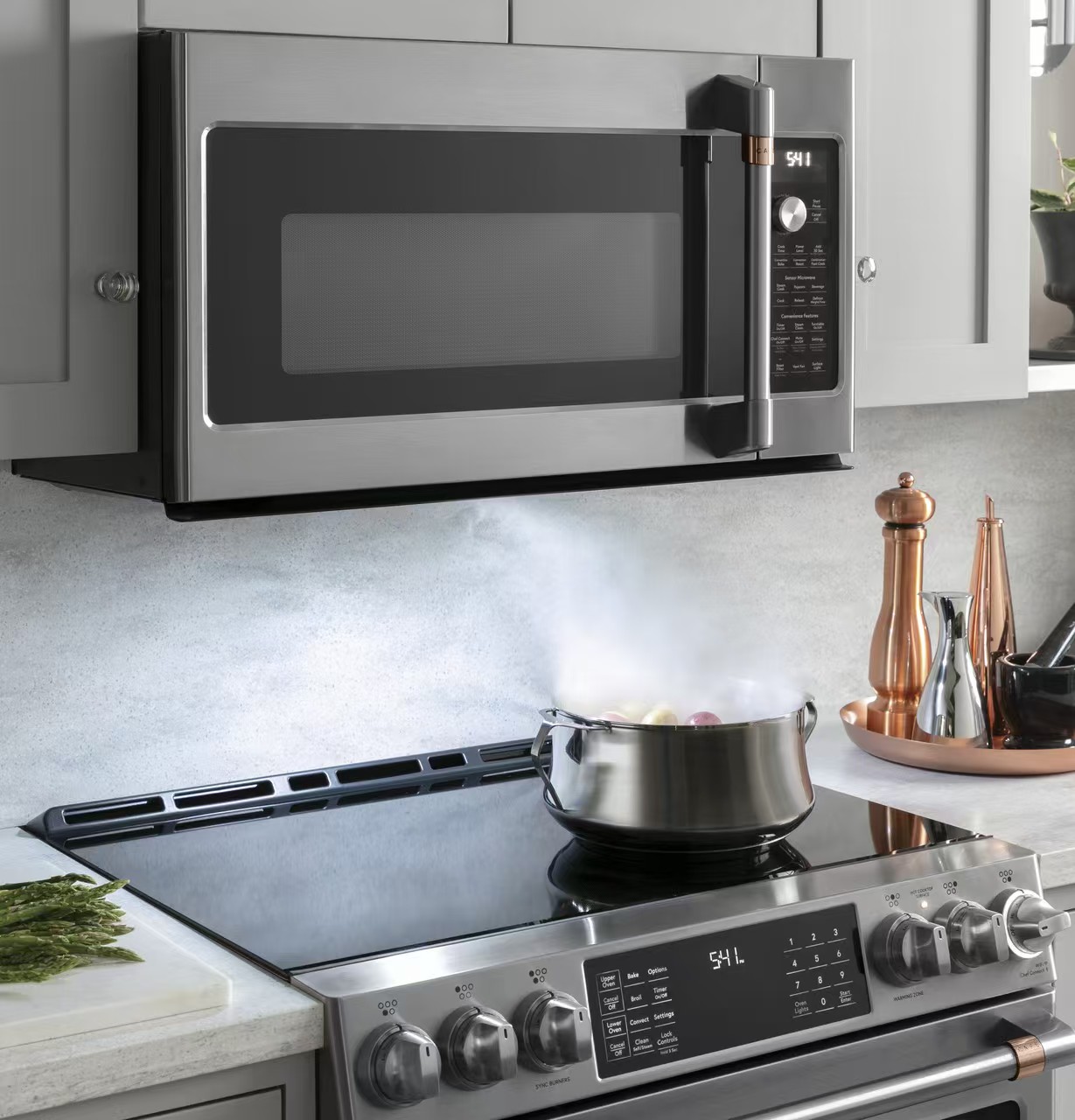
OEM teams should specify heat resistant Borosilicate glass panel with controlled drawing fields, duty or documentation scope, interface notes, and supplier evidence—then compare quotes only against that same package.
Use this checklist so heat resistant Borosilicate glass panel stays manufacturable across suppliers. Related: Which data belongs in a borosilicate-panel RFQ?.

Separate heat resistant Borosilicate glass panel programs from glass-ceramic cooktop panels and from oven-door assemblies that only share a heat label.
Distinct from #6092 datasheet-field inventory: this guide is an OEM drawing/specification workflow for heat resistant Borosilicate glass panel programs (geometry + duty + edge), not a standalone datasheet checklist.
Important: Heat resistant Borosilicate glass panel RFQs that list only a brochure temperature without continuous/peak points, outline revision, and per-edge finish are not comparable across suppliers — Source: Eurokera Keralite product sheet (PDF).
| Program | RFQ emphasis | Do not reuse blindly from |
|---|---|---|
| Heat resistant Borosilicate glass panel | Duty + outline + edge for appliance panel | Cooktop CERAN cutout lists |
| Glass-ceramic cooktop | Zone marks, burner cutouts | Borosilicate cavity panel |
| Oven door lite | Door size, hinge/seal stack | Flat microwave turntable plate |
| Fireplace observation | Optics + soot | Microwave cavity duty |
Lock continuous and peak temperatures with measurement locations before comparing thickness catalogs.
| Field | Example RFQ wording | Supplier confirms |
|---|---|---|
| Continuous operating temperature | Duty under normal cycle | Grade suitability |
| Peak / excursion | Duration + location | Datasheet or test row |
| Measurement points | Drawing thermocouple/IR notes | Same points on sample |
| Thermal-shock context | Cycle count / delta-T scope | Test scope—not slogan |
| Cleaning chemistry | If detergents apply | Chemical note or N/A |

Geometry and mounting notes turn a material name into a manufacturable panel.
| Item | Specify | Risk if omitted |
|---|---|---|
| Outer outline + tolerance | CAD rev | Fit failure |
| Thickness + zone map | Center/edge | Warp or seal gap |
| Edge finish by side | Grind/polish class | Chip or seal leak |
| Mounting / support | Clip, frame, or tray | Edge crush |
| Print / mark keep-outs | If silk-screened | Print wear |
| Packing orientation | Face protection | Transit damage |
| Score item | Pass | Fail |
|---|---|---|
| Same CAD revision | Both | One missing rev |
| Duty block complete | Continuous + peak | Brochure-only |
| Edge class labeled | Per side | Vague “polished” |
| Datasheet for quoted grade | Attached | Generic PDF |
| Sample plan | Agreed points | No sample |
Use authority pages such as SCHOTT technical materials to structure questions—do not copy competitor thickness as your approval values.
| Document | Confirms |
|---|---|
| Grade datasheet | Thermal/mechanical rows |
| Drawing approval | Revision-controlled geometry |
| Edge inspection criteria | Visual/dimensional limits |
| Sample dimensional report | Agreed points |
| Packing guide | Transit protection |
For datasheet-field inventory language, see Which data belongs in a borosilicate-panel RFQ?—adapt fields; do not merge cooktop cutouts into this panel brief.
| Stop when | Action | Why |
|---|---|---|
| Glass-ceramic cooktop only | Use cooktop RFQ | Wrong material family |
| Fireplace observation window | Use transparent GC brief | Different optics/seal |
| “Unbreakable tempered” marketing only | Re-brief tempered path | Wrong claim class |
| Oven door without panel duty | Split RFQs | Assembly mismatch |
Route appliance programs that need a heat resistant Borosilicate glass panel—with controlled duty, geometry, and edge notes—to the microwave oven borosilicate glass plate / cooker panel when the application matches Kanger’s published borosilicate panel scope.
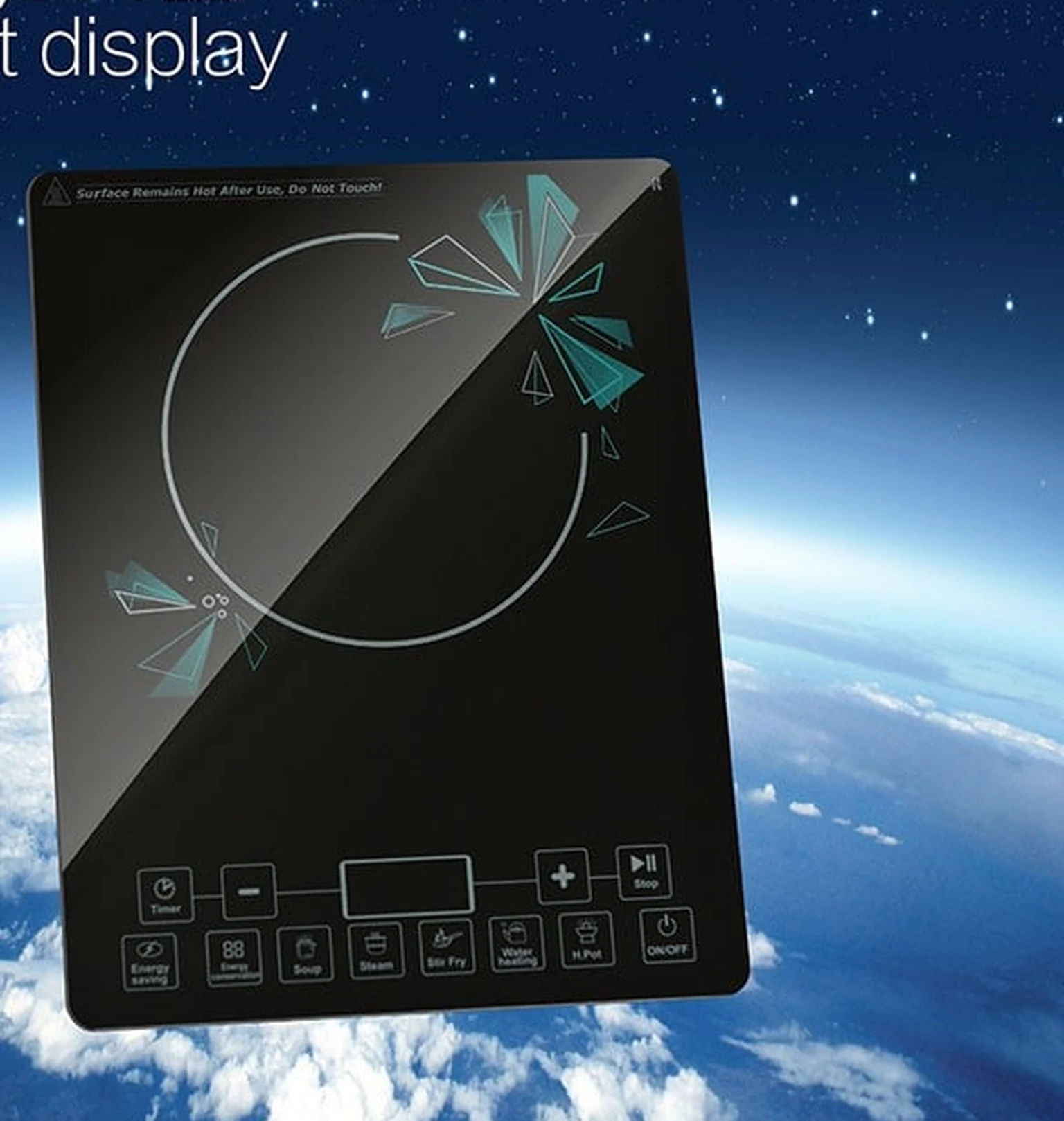
Do not recommend this borosilicate panel path for black cooktop cutouts, porcelain-white color lots, fireplace door lites, or marketing-only “eco glass” claims without a material route. Use the Products overview to pick the correct family, then attach the tables above.
Submit drawing revision, duty notes, quantities, and sample steps via Contact Kanger.
Is a heat resistant Borosilicate glass panel the same as a glass-ceramic cooktop panel?
No. Keep material families and RFQ blocks separate even when both are heat-resistant.
Can I reuse the borosilicate datasheet checklist as the full OEM brief?
Use Which data belongs in a borosilicate-panel RFQ? for field inventory; this article adds drawing, interface, and quote-scoring workflow.
What temperature should the RFQ list?
List continuous and peak with measurement locations—there is no single industry number for every panel.
Which edge finish is required?
Edge finish follows frame/tray/clip geometry. Label each edge class on the drawing.
What documents should arrive with the quote?
Grade datasheet, drawing approval, edge inspection criteria, and a sample plan at agreed points.
Which Kanger page should carry the inquiry?
Start with the microwave oven borosilicate glass plate / cooker panel product page, then Contact Kanger.
Authority links used for this borosilicate panel OEM specification brief: