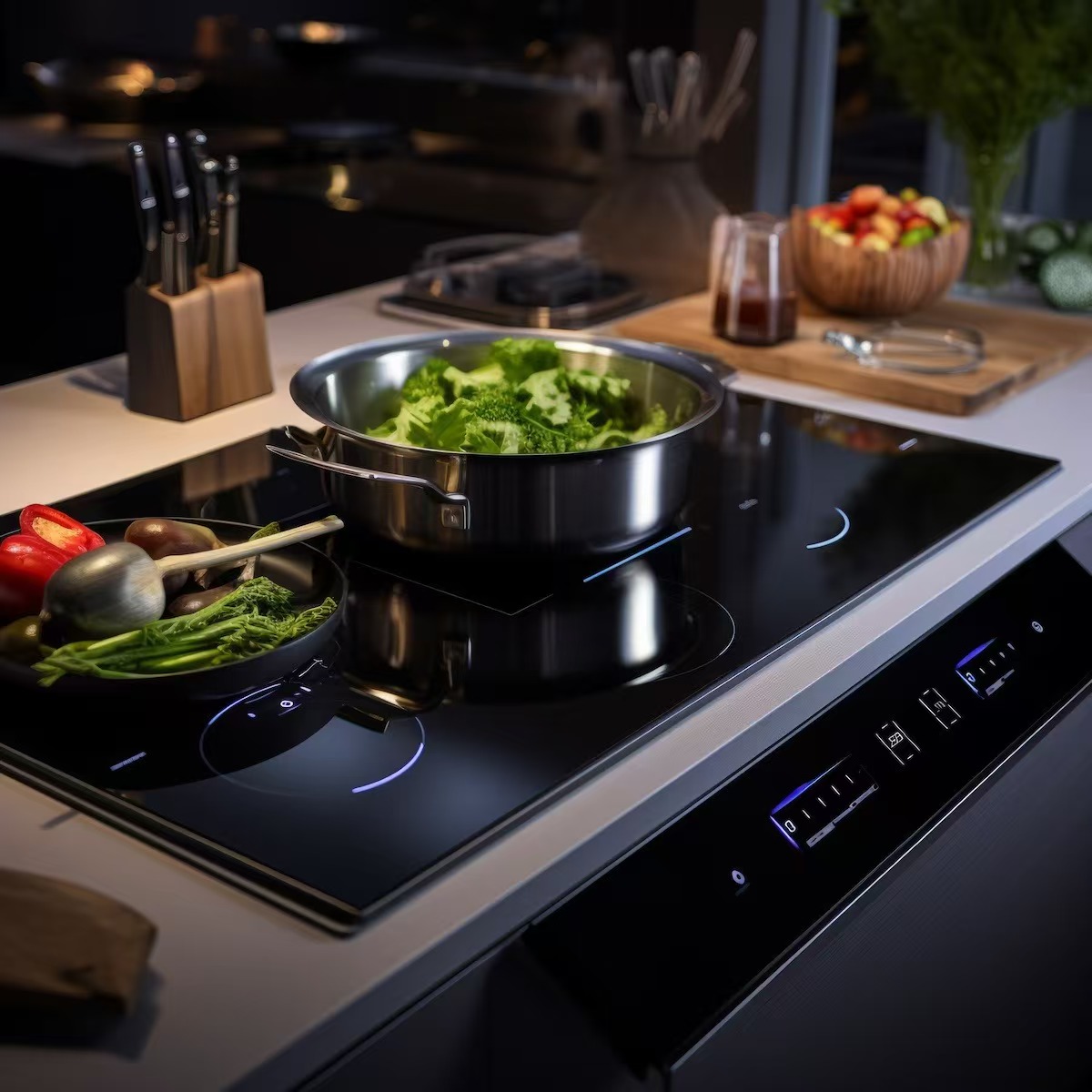
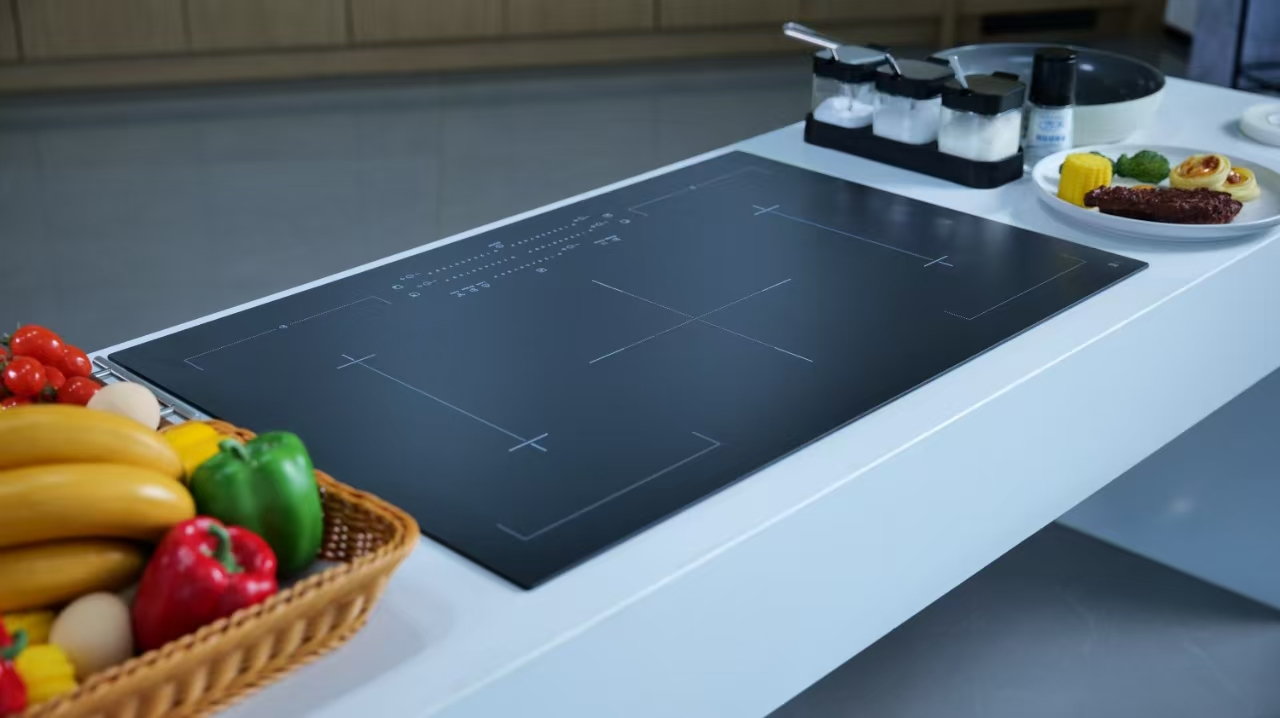
A commercial black infrared-panel RFQ should describe the actual heating assembly, panel interfaces, and review request before suppliers are compared. The words “black infrared panel” do not define a complete component or demonstrate project fit.
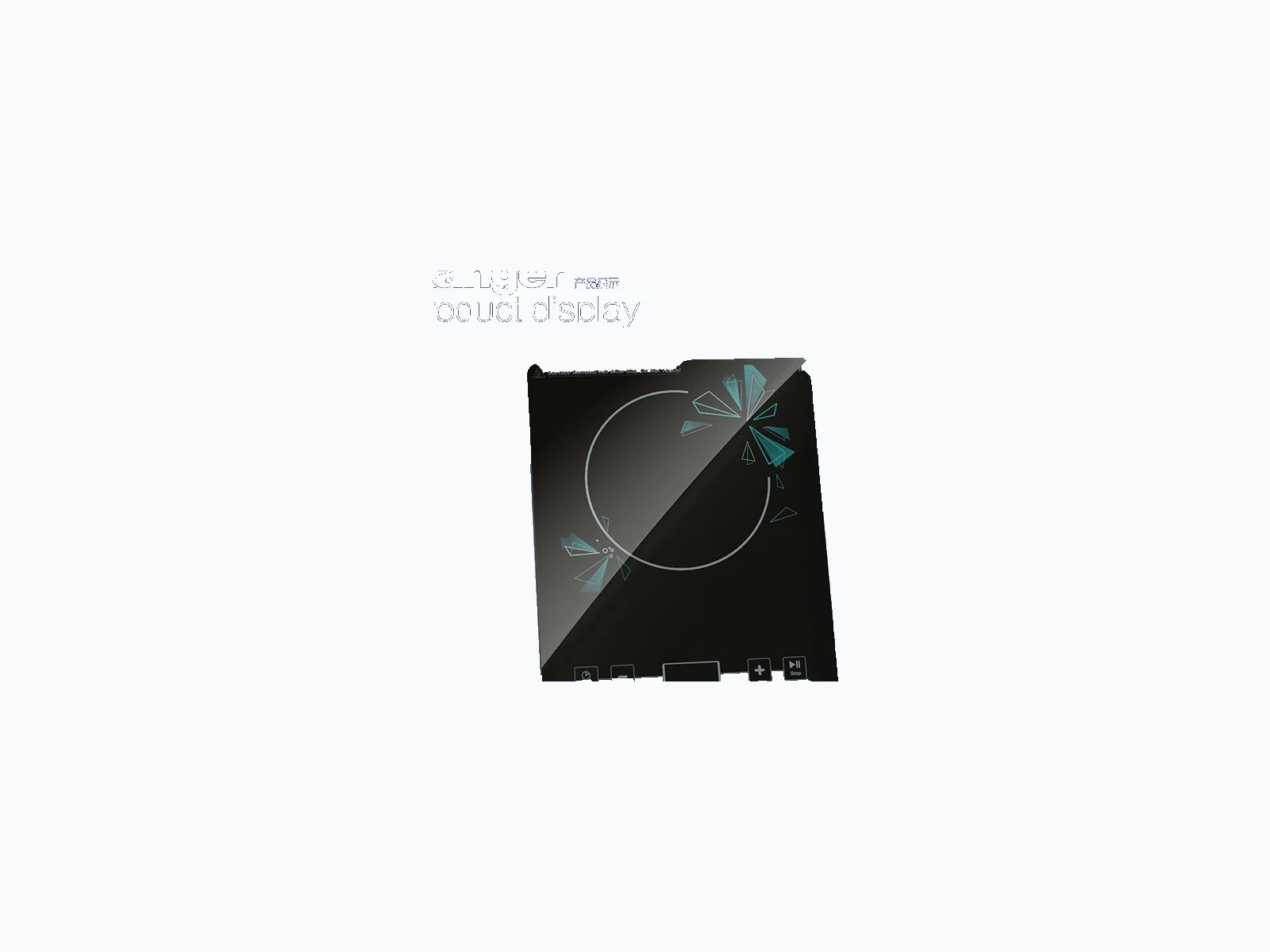
Commercial sourcing starts with the appliance assembly, not the colour of the surface. The buyer should identify the panel’s position, the intended heating-zone arrangement, the controlled drawing, and the questions that a supplier must answer about the proposed scope.
| Assembly question | Project input | Decision it supports |
|---|---|---|
| Appliance context | Commercial equipment position and part role | Keeps the inquiry out of a generic consumer-cooktop assumption |
| Heating layout | Controlled zone or element reference | Shows which arrangement must be reviewed |
| Panel drawing | Current geometry and revision | Establishes the quotation basis |
| Review objective | Visual, interface, and documentation questions | Makes supplier replies comparable |
Important: Material descriptions cannot establish an assembled appliance’s performance or approval. SCHOTT’s glass-ceramic materials overview is useful material context, but its product information must not be transferred as proof for an unspecified Kanger panel.
The request should distinguish the heating-zone reference from the panel interfaces around it. Cutouts, supports, controls, markings, and perimeter details may be governed by different drawing views. Listing these areas separately lets a supplier identify where the package is incomplete.
| Area to map | Reference to provide | Question for review |
|---|---|---|
| Heating-zone layout | Approved assembly view or drawing note | Which feature locations are controlled? |
| Cutouts and openings | Detail drawing with revision | Are the opening definitions complete for the proposed scope? |
| Perimeter and supports | Relevant assembly interface | Which mating conditions require clarification? |
| Surface appearance | Approved visual reference | What should be reviewed before a visual decision? |
| Control or marking area | Location and ownership in the drawing | Is a separate artwork or marking approval needed? |
The induction versus infrared cooker glass-ceramic comparison is useful for separating broad application language. For panel geometry and edges, use the black panel thickness and edge-finish RFQ guide alongside the current project drawing.
Build the quote package around the particular panel rather than asking a supplier to infer the assembly. The table below makes the missing inputs visible while keeping unverified performance claims outside the request.
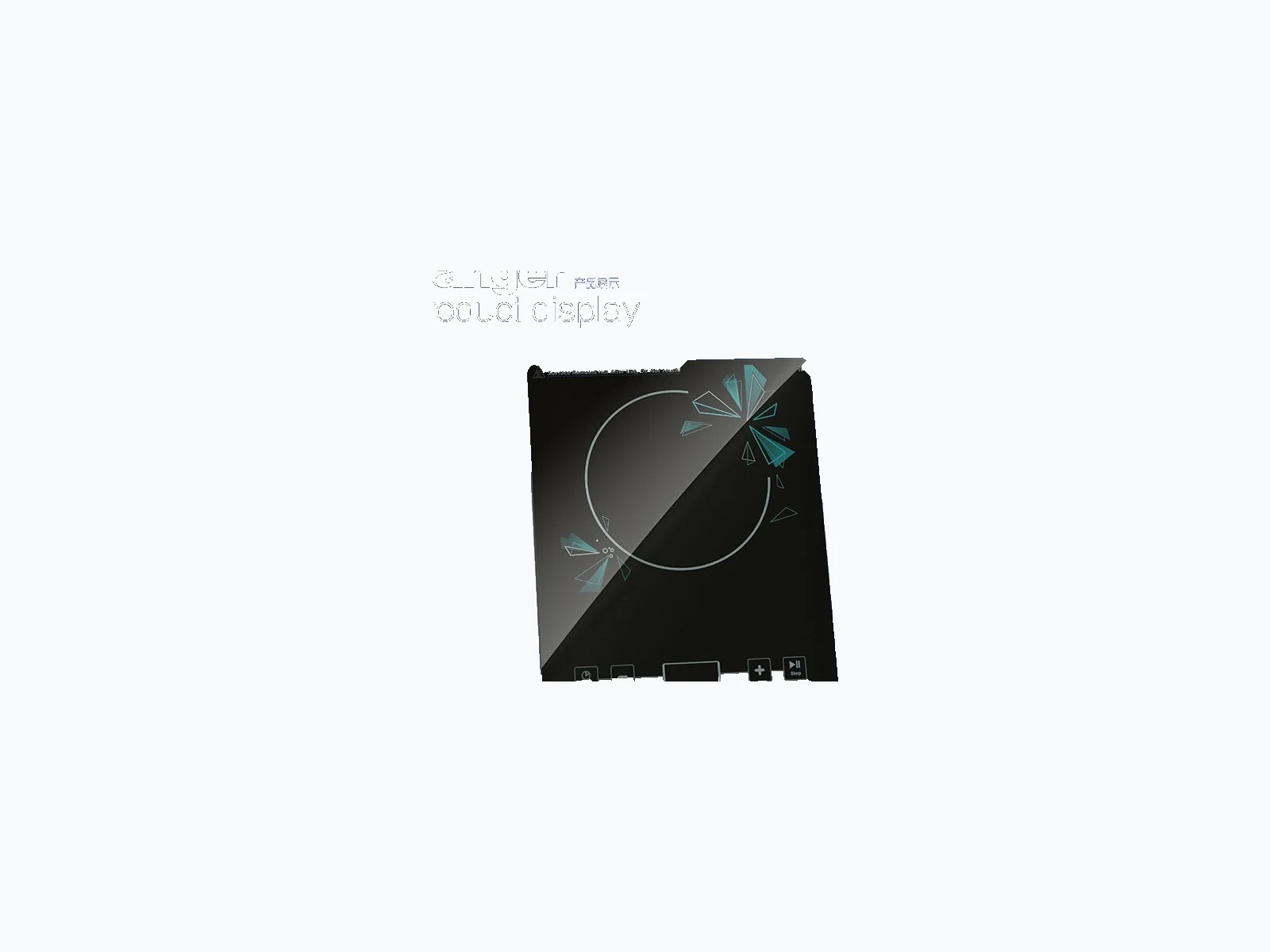
| RFQ field | Buyer defines | Include in RFQ | Supplier response |
|---|---|---|---|
| Panel identity | Appliance role and released drawing issue | Part reference and revision | Confirm the document basis |
| Heating arrangement | Controlled layout reference | Zone or assembly view | State any interpretation needed |
| Interface geometry | Cutout, support, and control locations | Relevant detail views | List assumptions or exceptions |
| Appearance review | Visual reference and decision stage | Review condition | Explain proposed review evidence |
| Requested documentation | Project-specific record needed | Required format and timing stage | Confirm availability or limitation |
Before price or lead-time discussions decide the outcome, compare the response basis. A useful response points to the reviewed revision, separates confirmed scope from an assumption, and makes any unresolved interface visible.
| Comparison point | Strong response | Reason to pause |
|---|---|---|
| Document basis | Names the current drawing issue | Refers only to a general product description |
| Layout interpretation | Identifies the referenced assembly view | Leaves the heating arrangement undefined |
| Interface statement | Lists conditions assumed for cutouts and supports | Treats omitted details as accepted |
| Evidence availability | Connects the record to the proposed part | Offers unrelated material data as approval |
Material references can improve the language used in an RFQ, yet they do not answer whether the finished panel matches a particular commercial assembly. Keep a clear distinction between context, the controlled drawing, supplier-specific documentation, and the final project decision.
| Information type | Appropriate use | Boundary |
|---|---|---|
| Material overview | Clarify the questions the buyer needs to ask | Does not prove a finished panel’s suitability |
| Controlled drawing | Defines requested geometry and locations | Needs a supplier review to form a proposal |
| Supplier response | Documents the stated proposal basis | Requires project review before acceptance |
| Public product route | Starts an inquiry with Kanger | Does not promise commercial compatibility |
| Request condition | Next step |
|---|---|
| Assembly drawing and interface notes are controlled | Send a panel-specific RFQ |
| Heating layout is described only in general terms | Obtain a controlled reference before comparison |
| Cutout or support conditions are still open | Resolve them with the responsible engineering team |
| A performance, certification, or compatibility statement lacks project evidence | Do not place it in the acceptance basis |
| The inquiry concerns cookware or a residential replacement part | Use a separate requirement and sourcing workflow |
After the heating layout, drawing revision, interfaces, and review evidence are assembled, use the black glass-ceramic cooktop panel route to start a Kanger inquiry. Include the controlled package and any decisions that are still open so they can be addressed explicitly.
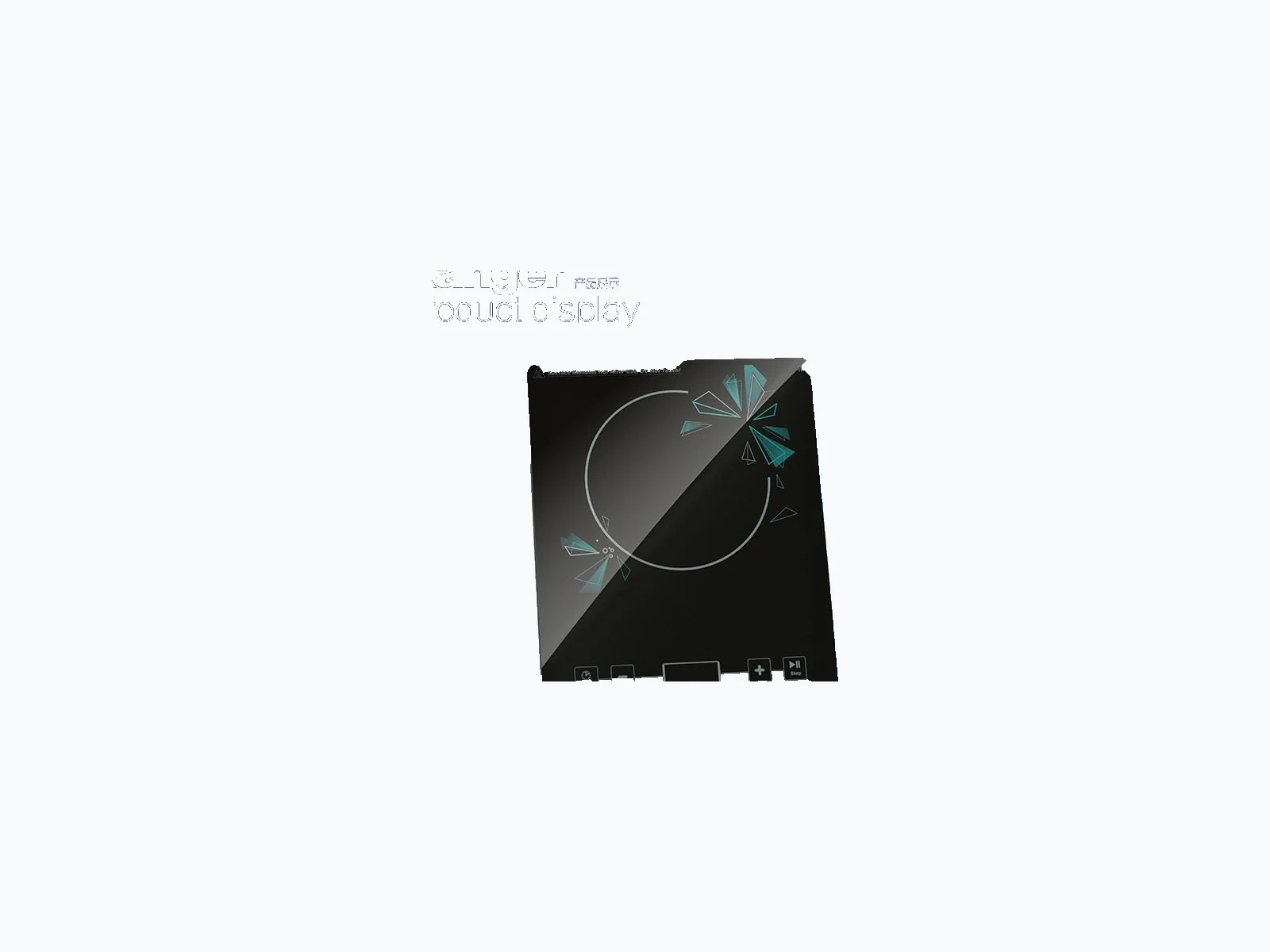
This route is appropriate for a drawing-led inquiry with a defined component role. It is not evidence of a specific heating result, commercial equipment approval, certification, lead time, or interface compatibility. Contact Kanger once the project inputs are ready for review.
What does a commercial black infrared-panel RFQ need first?
It needs the appliance role, the current panel drawing, and a controlled reference for the heating layout.
Why should the heating layout be stated separately?
It identifies the assembly context that a broad black-panel description leaves open.
Which interface information should accompany the drawing?
Provide the relevant cutout, support, control, perimeter, and other mating conditions that affect the proposed part.
Can a material overview approve the finished panel?
No. It can clarify terminology, but project-specific drawings and supplier documentation are required for the proposal review.
When should a commercial panel RFQ be paused?
Pause when the layout, interface conditions, or acceptance basis is not yet controlled by the project team.
When should Kanger receive the package?
Submit it when the drawing revision, assembly context, interface notes, and documentation request are ready for project review.