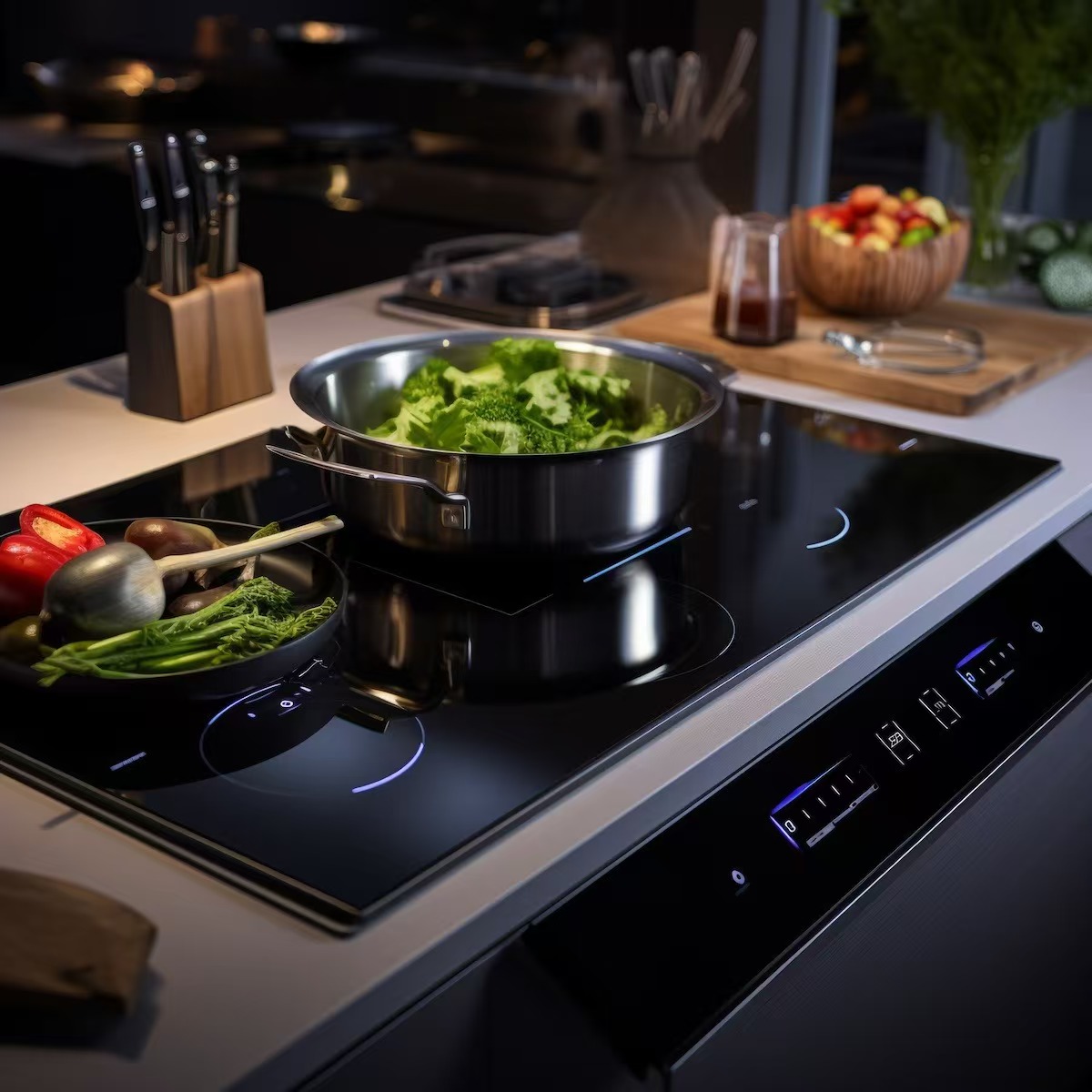
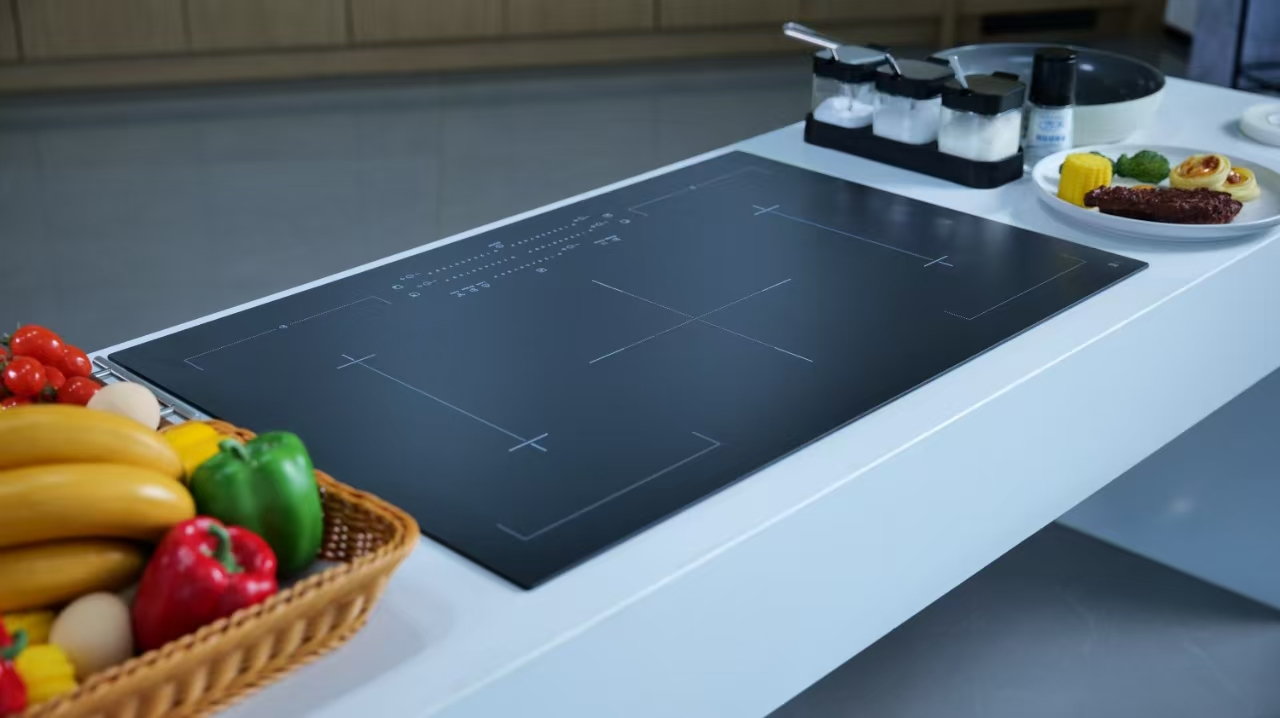
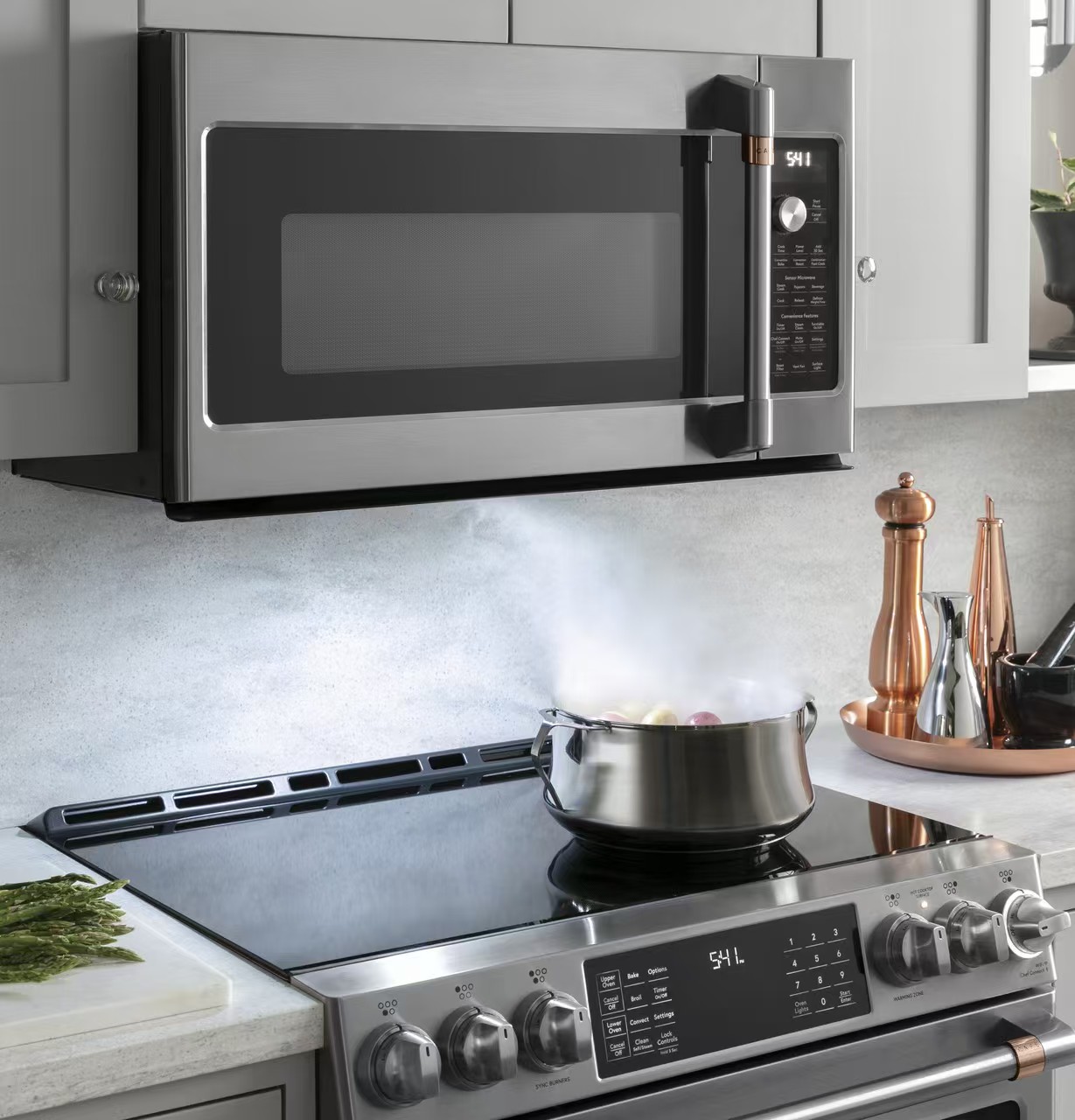
A cooktop-panel cutout should be reviewed against the current drawing by identifying its orientation, feature reference, adjacent control or interface areas, revision, and the owner of every unresolved point.
An opening in a glass-ceramic panel is more than an empty shape. For a supplier review, it needs a stable reference in the drawing so that sourcing, design, and quality teams are discussing the same feature.
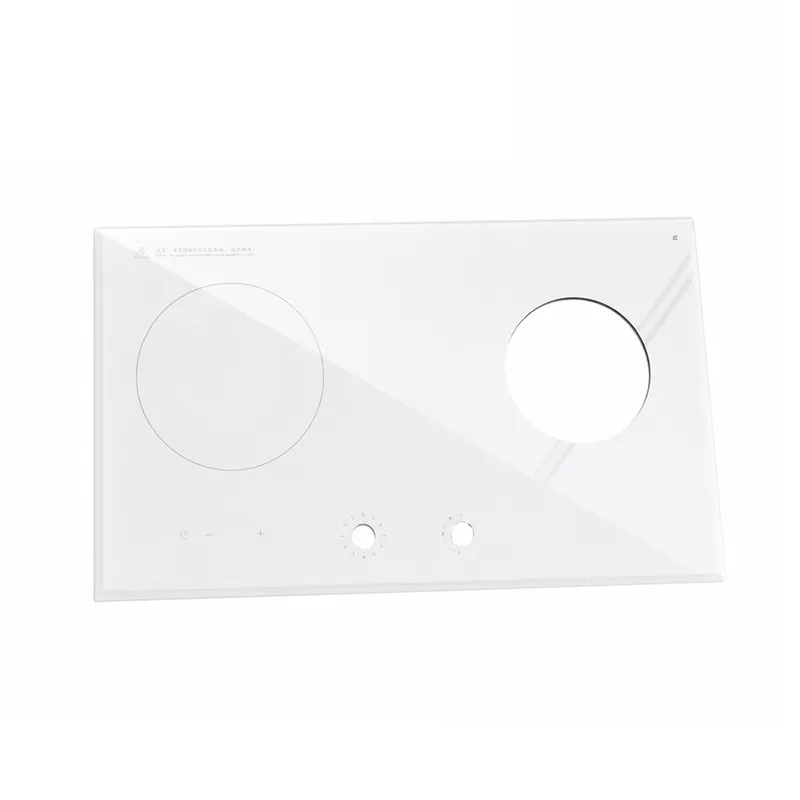
The review decides whether a defined drawing feature is clear enough to discuss with a supplier. It should identify the opening, show the view being used, and make visible which neighbouring areas belong to the same question.
It does not determine a universal size or declare that every panel with a similar opening is equivalent. ASME’s Y14.5 overview offers context for controlled geometric communication, but it is not an acceptance rule for a particular cooktop panel.
Important: A cutout note does not establish electrical function, edge strength, appliance compliance, or final assembly fit. Keep those decisions with the applicable project evidence. — Source: ASTM C1048 overview
Start with the panel orientation that the project team uses. Identify the visible face, a reference edge, and the direction of the control area or other named feature. A review becomes unreliable when one person is describing the panel from the user side while another is reading the reverse view.
Give the opening a drawing identifier instead of relying on a casual phrase such as “the round hole.” The identifier can travel with the current revision, sample notes, and supplier response. For a separate assembly discussion, see the white cooktop-panel assembly review.
An opening, nearby control symbols, and a perimeter transition can raise different questions. Mark each feature that needs a response, then state whether the question concerns the visible outline, a relationship shown in the drawing, an adjacent component, or a later assembly decision.
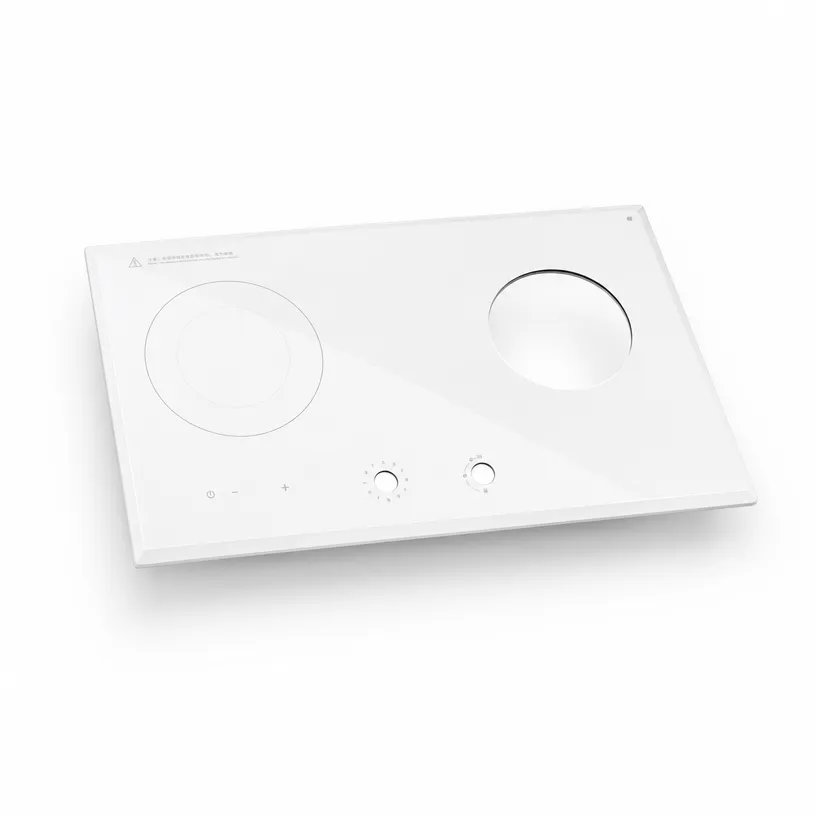
This method avoids turning one broad comment into an implied requirement for every visible detail. If an edge or finish needs its own definition, use the panel thickness and edge-finish guide rather than adding an unsupported rule to the cutout review.
The RFQ should carry the information that makes the supplier’s response traceable to the review. Record the feature and the unresolved decision together.
| Cutout-review field | Why it belongs in the RFQ |
|---|---|
| Controlled drawing revision | Connects the request to a defined feature view. |
| Panel orientation | Keeps the reference face and direction consistent. |
| Cutout or opening identifier | Lets a supplier point to the exact feature under discussion. |
| Adjacent control-zone note | Separates nearby artwork or controls from the opening itself. |
| Interface question | Shows which relationship still needs a response. |
| Decision owner | Prevents a supplier comment from being mistaken for final project approval. |
This record is not a substitute for an approved tolerance or an appliance design release. It simply preserves the question in a reviewable form.
The panel drawing can identify a cutout and show a relation to surrounding features. It cannot, by itself, prove material behaviour, system performance, or compliance. A material name also does not settle those questions for a specific panel.
SCHOTT’s glass-ceramic materials overview is useful background for the material class. The project drawing, application evidence, and the relevant requirement remain necessary before any panel-specific conclusion is made.
Raise an open item when the current revision leaves the viewing direction, interface, purpose of a zone, or requested response unclear. The right owner may be the drawing author, system engineer, or program team, depending on the question.
Do not fill the gap with an assumed dimension or acceptance statement. A controlled update gives the supplier a reliable basis for a later response and protects the buyer from treating an informal comment as a released requirement.
When the cutout references, orientation, control-zone notes, and open decisions are ready, include them in an enquiry for the white glass-ceramic cooktop panel. Ask for feedback against the controlled documentation rather than a generic judgement from a product name.
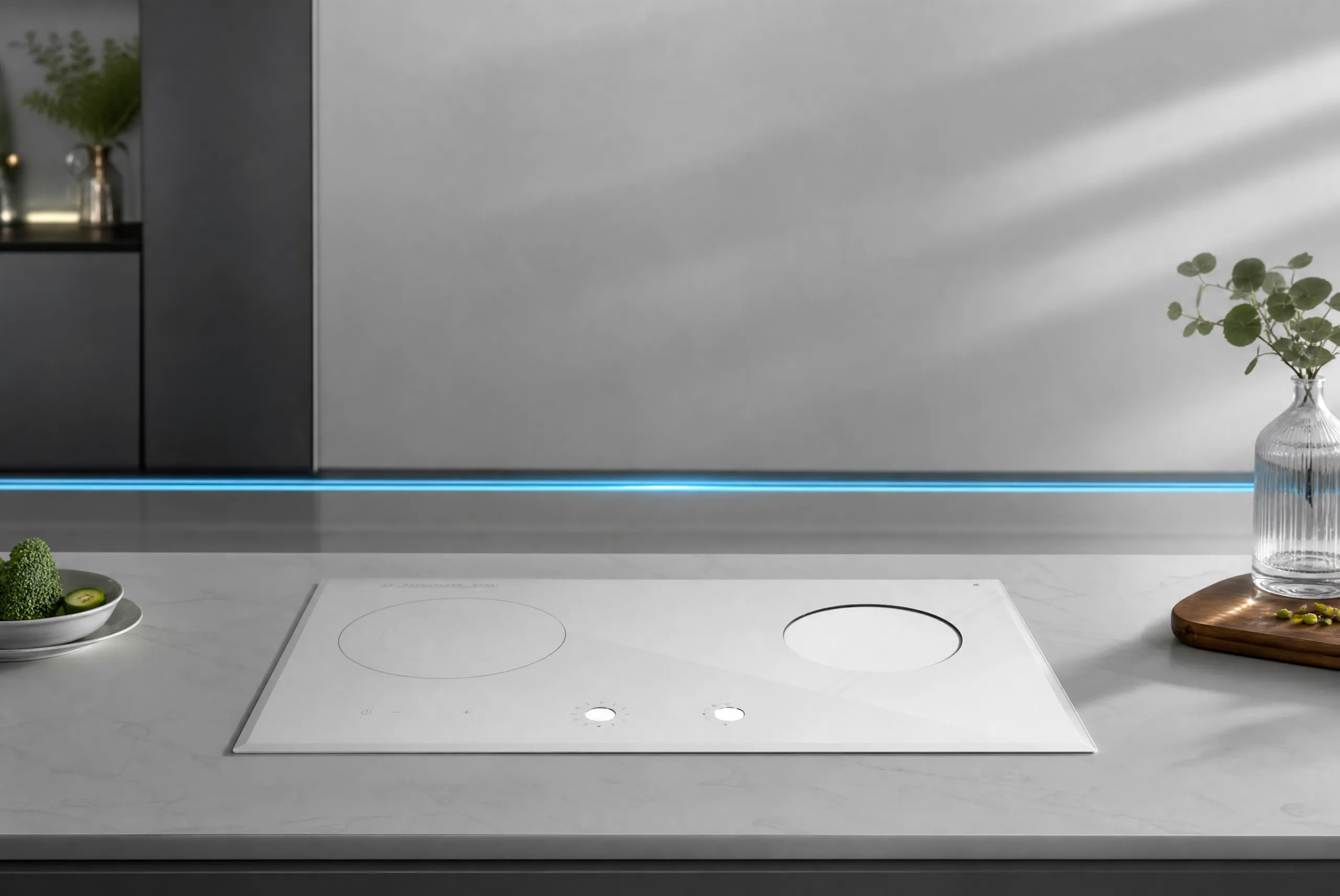
Share the current drawing, feature labels, view reference, open questions, and the decision needed next. If another glass family is relevant, begin at the KANGER products overview. For a project discussion, contact KANGER.
It is a drawing-led check that identifies an opening or feature by revision, orientation, and its surrounding context before the team asks for supplier feedback.
Orientation tells every reviewer which face and direction the feature description refers to, reducing front-versus-reverse interpretation errors.
No. The drawing records the feature for review; project-specific acceptance requires its own approved basis.
Include the controlled revision, orientation, feature identifier, adjacent control-zone note, interface question, and the owner of the decision still open.
They may be adjacent to the opening, but they should be identified separately so a drawing question is not confused with an artwork or functional question.
The responsible project owner should close it through the controlled drawing or engineering decision process before it becomes a released requirement.