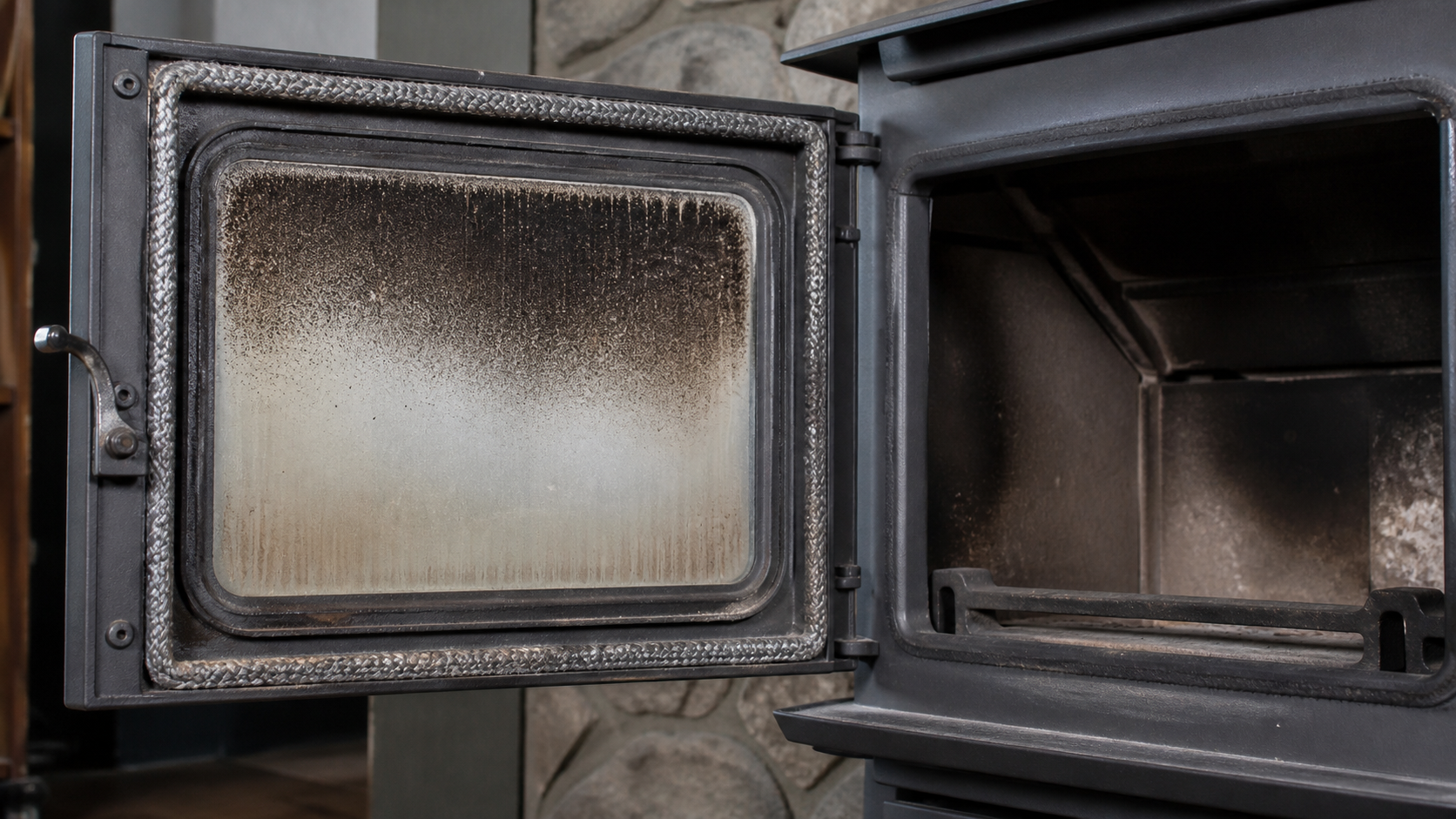
Stove glass crazing is a network of fine crack-like lines on or within the viewing panel. Some marks are surface deposits, cleaner damage, or coating change, while true cracks can compromise the panel. Let the appliance cool, stop using it when a crack is confirmed, and identify the original material and replacement specification before ordering.
This guide answers the search intent behind stove glass crazing and turns it into a practical material, design, inspection, and purchasing workflow. The figures and examples are educational; the appliance drawing, applicable standard, and qualified engineer remain controlling documents. Record assumptions in writing so every reviewer evaluates the same service conditions and acceptance criteria.
Start by defining the function of the part. A viewing window, decorative cover, safety screen, load-bearing shelf, process observation port, and sealed appliance door expose glass to very different combinations of heat, pressure, impact, restraint, and cleaning. Product names alone rarely capture those differences. Record the position in the assembly, normal duty, foreseeable upset condition, contact materials, and consequence of failure before choosing a glass family.
Stove glass crazing is a network of fine crack-like lines on or within the viewing panel. Some marks are surface deposits, cleaner damage, or coating change, while true cracks can compromise the panel. Let the appliance cool, stop using it when a crack is confirmed, and identify the original material and replacement specification before ordering.
A useful specification separates measurable requirements from assumptions. Include the controlled drawing revision, material designation, nominal thickness, finished dimensions, tolerances, edge finish, holes and cutouts, surface or print orientation, visual inspection zone, and packaging method. If an existing part is being replaced, preserve its label, photograph both faces and edges, and record every spacer, gasket, clip, and fastener before disassembly.
For stove glass crazing, this step should be recorded as an explicit decision rather than left to the installer or purchasing team. Review the actual component drawing and service environment, identify the evidence needed, and close any unknowns before production. That approach reduces false equivalence between materials that look similar but respond differently to heat, load, chemicals, or restraint.

Temperature ratings require context. Continuous temperature, short peak exposure, heating rate, cooling rate, hot-spot size, edge temperature, and cycle count can produce different stress even when the maximum thermometer reading is identical. Direct flame, radiant heat, a heating element, a hot vessel, and warm air are not equivalent test conditions. Ask for evidence that resembles the actual assembly and duty cycle.
For stove glass crazing, this step should be recorded as an explicit decision rather than left to the installer or purchasing team. Review the actual component drawing and service environment, identify the evidence needed, and close any unknowns before production. That approach reduces false equivalence between materials that look similar but respond differently to heat, load, chemicals, or restraint.
Glass strength is statistical because small flaws vary from part to part. Edge chips, scratches, drilling damage, hard particles, uneven support, metal contact, over-tight fasteners, and frame distortion can dominate performance. Good design protects vulnerable edges, provides controlled clearance, distributes load, and allows thermal movement. Inspection should focus on the locations where cracks are most likely to start rather than treating every square centimetre as equally critical.
For stove glass crazing, this step should be recorded as an explicit decision rather than left to the installer or purchasing team. Review the actual component drawing and service environment, identify the evidence needed, and close any unknowns before production. That approach reduces false equivalence between materials that look similar but respond differently to heat, load, chemicals, or restraint.
Supplier comparisons are meaningful only when every bidder receives the same drawing and acceptance plan. Marketing descriptions such as heat resistant, safety glass, premium clear, or easy clean are not test methods. State how dimensions, appearance, optical properties, thermal cycling, break behaviour, adhesion, or leakage will be checked; define sample size and what happens when a result is outside the limit.
For stove glass crazing, this step should be recorded as an explicit decision rather than left to the installer or purchasing team. Review the actual component drawing and service environment, identify the evidence needed, and close any unknowns before production. That approach reduces false equivalence between materials that look similar but respond differently to heat, load, chemicals, or restraint.
Installation is part of the material system. Use compatible gaskets and setting blocks, keep hard debris away from contact surfaces, respect specified fastener torque, and never force a panel into a distorted frame. After assembly, check even seating, free clearance, correct orientation, and absence of glass-to-metal contact. A cautious first heat-up or functional cycle can reveal movement, odour, leakage, or local overheating before regular service.
For stove glass crazing, this step should be recorded as an explicit decision rather than left to the installer or purchasing team. Review the actual component drawing and service environment, identify the evidence needed, and close any unknowns before production. That approach reduces false equivalence between materials that look similar but respond differently to heat, load, chemicals, or restraint.
Review the proposal line by line against the drawing instead of accepting a general statement that the part is suitable. The quotation should identify the material, nominal thickness, processing sequence, surface orientation, dimensional assumptions, inspection level, packing method, and any requirement the supplier cannot meet. For stove glass crazing, unresolved differences should appear in a written deviation list before a purchase order is released.
A first article review should combine documents and the physical part. Confirm dimensions at the specified reference temperature, inspect edges under suitable lighting, check print or coating registration from the intended viewing side, and assemble the sample with production hardware. Where performance matters, test the finished assembly through representative thermal, mechanical, cleaning, or pressure cycles. A coupon proves only what the coupon test actually measured.
Change control is equally important after approval. A different source glass, thickness, furnace recipe, cutting tool, edge process, ink batch, coating, gasket, or packing arrangement can alter risk even if the commercial part number stays the same. Define which changes require notification, new samples, or requalification. Keep photographs, measurement results, certificates, and test records linked to the same drawing revision so later investigations are based on evidence.
During incoming inspection, use calibrated tools and a written sampling rule. Measure the dimensions that control assembly, examine protected edges before the part is handled repeatedly, and compare appearance with an approved master under agreed lighting. Quarantine parts with unexplained chips, cracks, contamination, print defects, or identification conflicts. Do not repair a safety-relevant glass component by grinding, drilling, heating, coating, or bonding unless the controlled design specifically permits that operation and the modified part is revalidated.
| Decision | Record | Why it matters |
|---|---|---|
| Function | Part position, normal and upset duty | Prevents selection by name alone |
| Material | Named grade or verified performance envelope | Avoids unsafe substitutions |
| Geometry | Thickness, dimensions, holes, edges, tolerances | Controls fit and stress concentration |
| Thermal duty | Continuous/peak temperature, gradients, rates, cycles | Describes real thermal stress |
| Assembly | Gasket, support, clearance, torque, frame | Controls restraint and edge loading |
| Validation | Test method, sample size, acceptance criteria | Makes supplier evidence comparable |
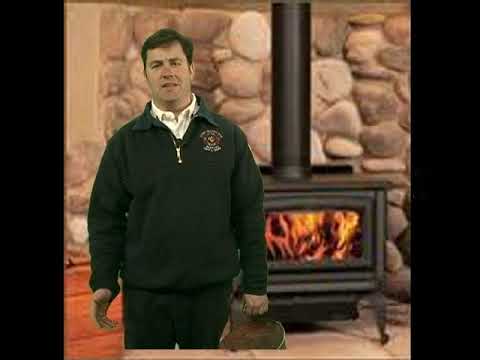
This neutral educational video from Bedford Fire Department provides useful background related to the article. It does not replace the appliance instructions, engineering calculation, or material qualification.
For a drawing-led enquiry, send Kanger the application, controlled drawing, material requirement, expected annual quantity, and validation criteria. A technical review can then identify missing information without turning a general article into an unsupported product guarantee.
No. It is a search or product description. A purchase specification also needs the material grade or verified performance, geometry, tolerances, service conditions, assembly details, and acceptance tests.
Not safely on appearance alone. Confirm composition or performance evidence, thickness, processing, coatings, edgework, and the requirements of the complete appliance or assembly.
Send the drawing revision, application, temperature and load duty, dimensions, material requirement, surface and edge criteria, assembly contacts, quantity, packaging, and inspection plan.
Replace it when the controlling appliance instructions require it or when cracks, critical edge damage, loss of retention, damaged seals, or other safety-relevant deterioration is found.