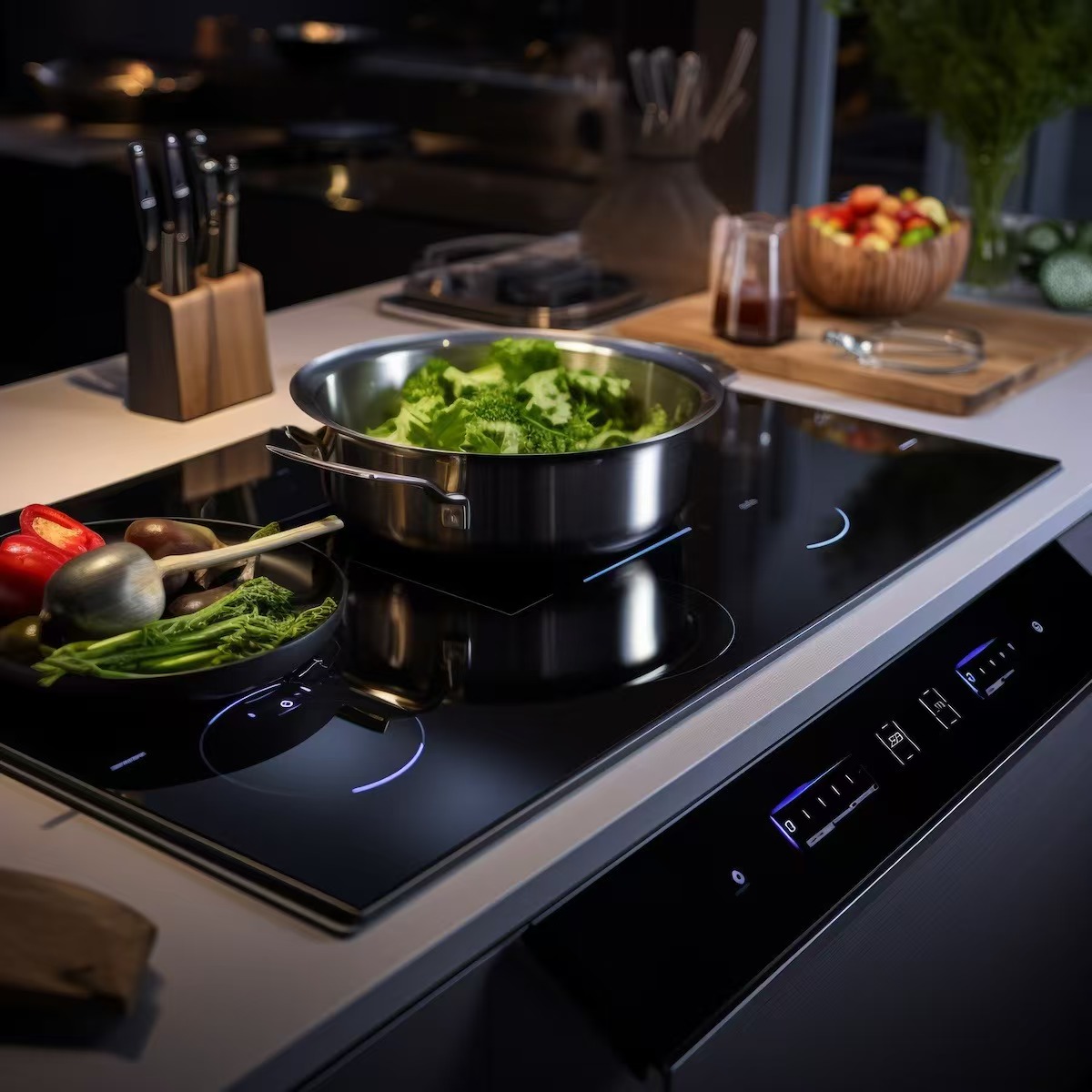
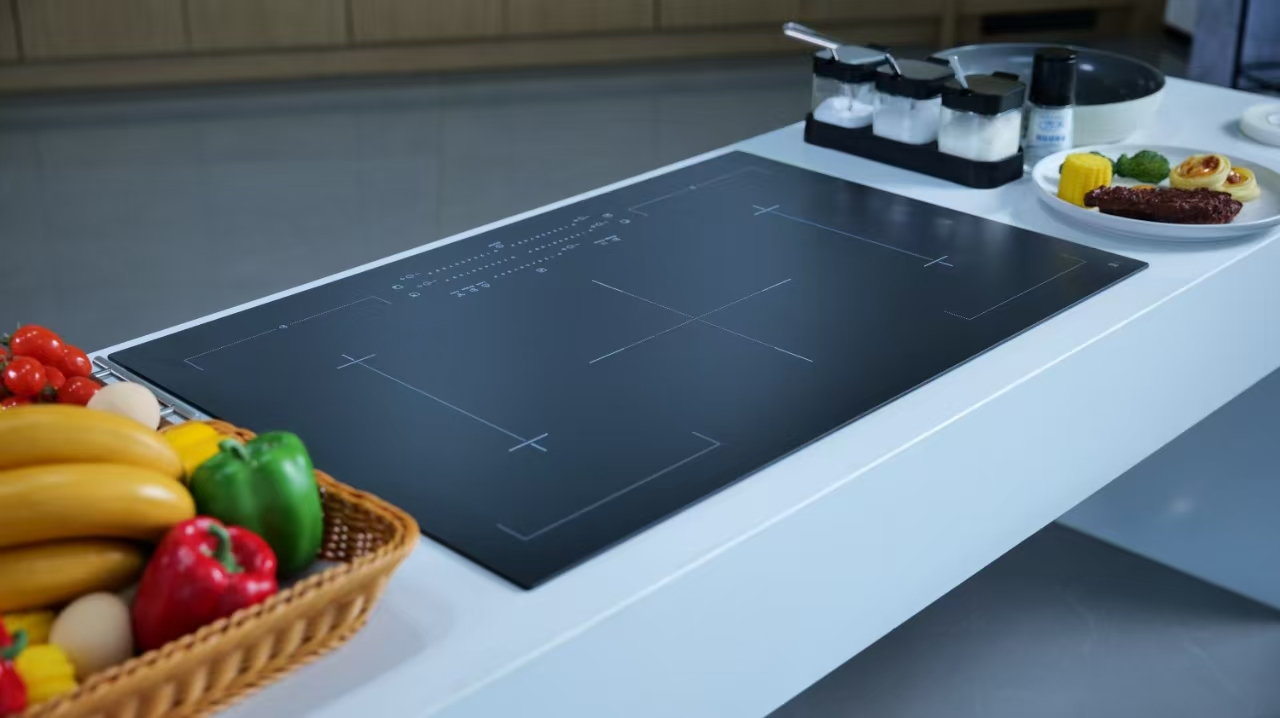
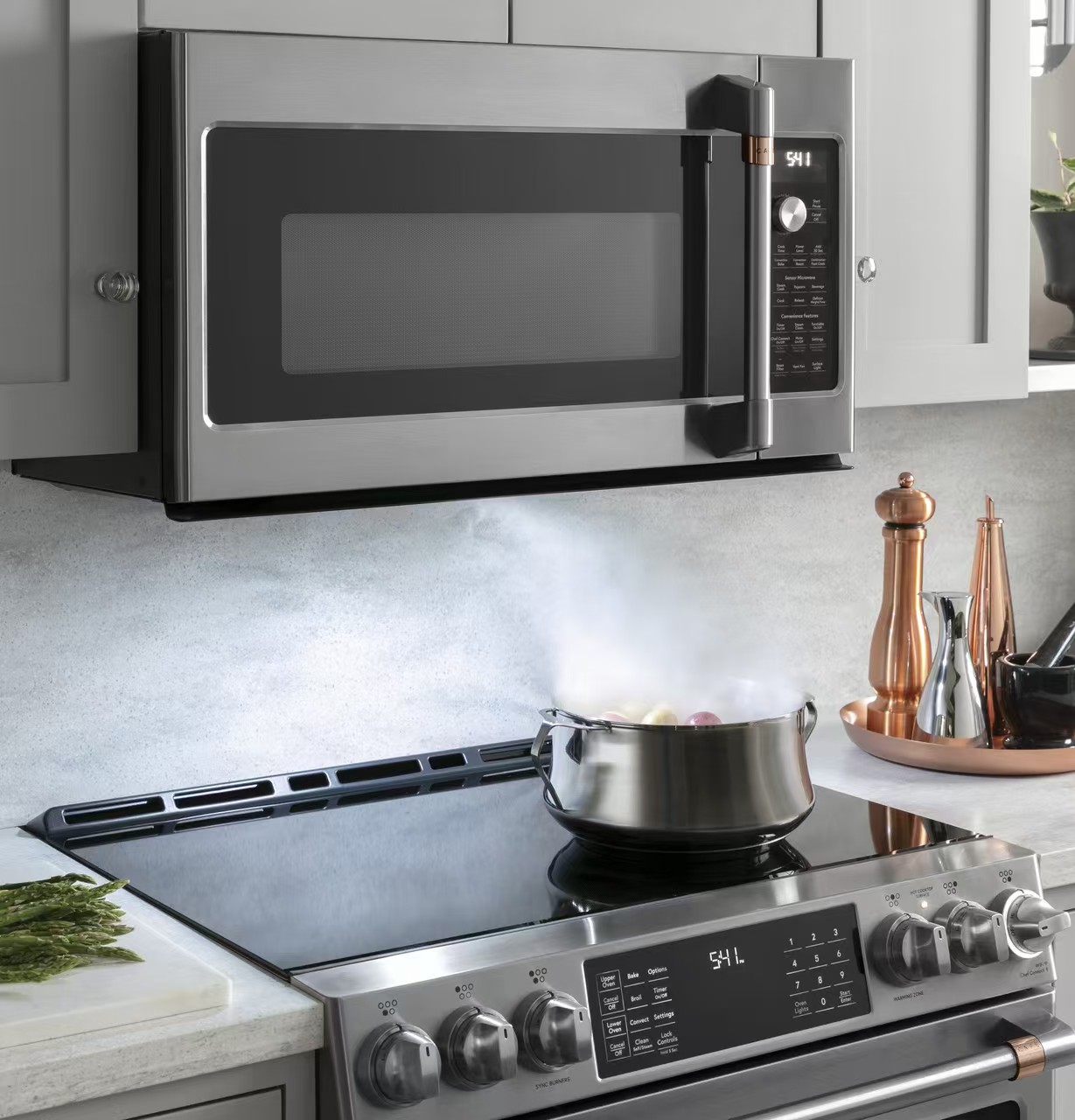
An induction hob wok ring should only be considered when the exact appliance, wok and accessory instructions permit that combination. A ring can support a vessel physically without making its base compatible with a flat induction hob. Do not assume a gas-stove ring, a magnetic metal ring or a retailer’s demonstration approves the arrangement. If the instructions do not permit it, choose cookware or an appliance specifically intended for the task. Never improvise a support with loose metal, foil or stacked accessories. Begin with the appliance type and the wok’s actual base geometry, not the accessory listing alone.
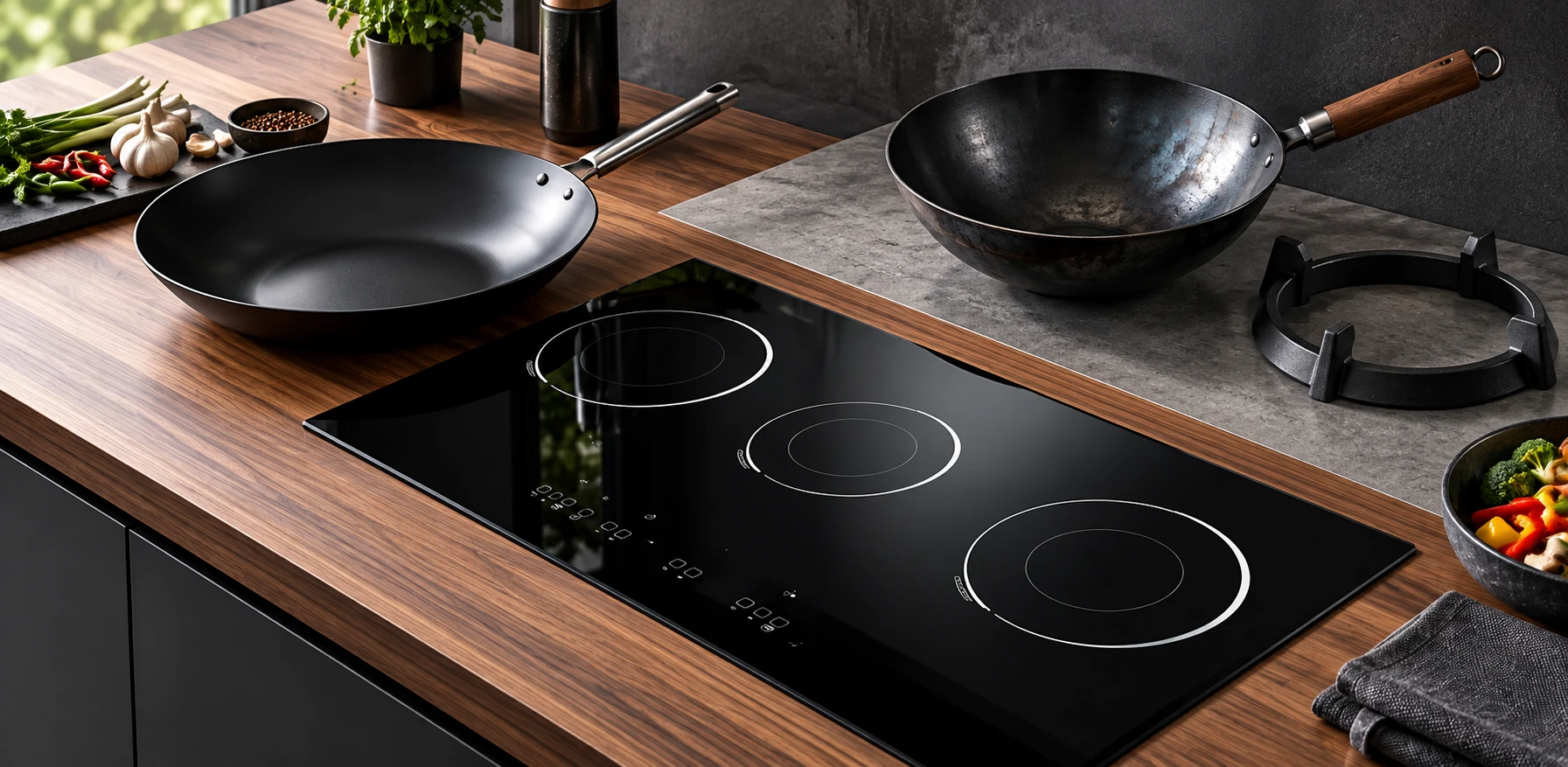
A flat glass induction hob and a dedicated concave wok appliance are different assembled products. Their cookware positioning and operating requirements should be checked separately. A curved glass component shown on a supplier’s product page does not establish that an existing flat hob accepts a round-bottom wok. Nor does a flat black panel reveal the shape or requirements of the hidden heating system.
The Kanger black glass-ceramic cooktop panel gives Kanger’s relevant flat black glass surface reference. The black glass-ceramic material overview explains material background. Kanger’s component imagery does not approve any finished appliance or accessory combination. If you are sourcing a shaped wok panel for an OEM project, use the agreed drawings and assembly requirements rather than treating this consumer accessory discussion as a component specification.
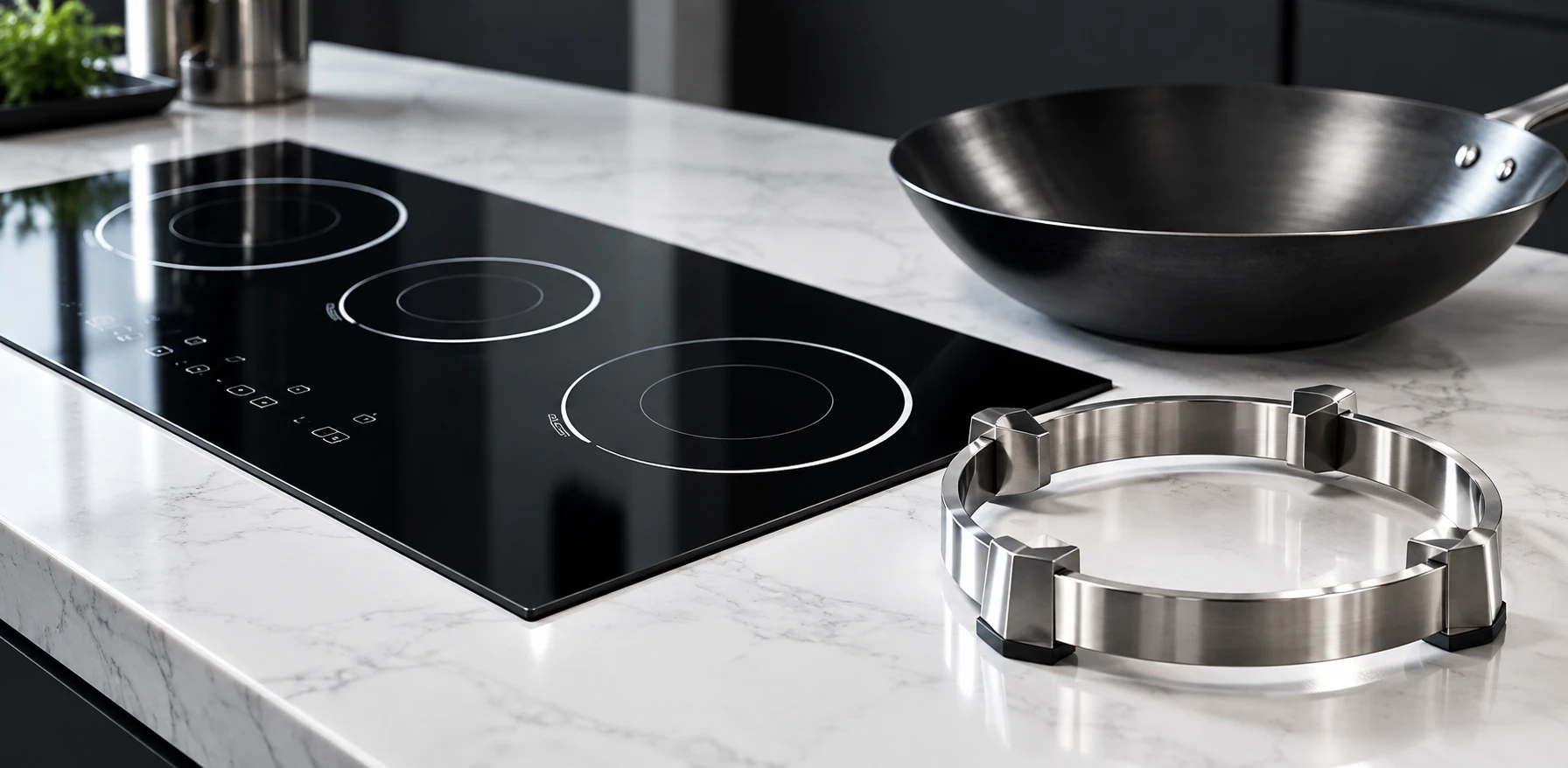
A ring may change where a wok sits and how it is supported. That mechanical role is different from induction compatibility, permitted spacing and heating behaviour. It also creates another interface to inspect. An accessory that looks stable on a counter cannot be assumed suitable for hot operation on glass. Its feet, edges and contact points need to follow the equipment instructions.
ENERGY STAR guidance on induction cooking explains induction cooking with suitable ferromagnetic cookware. A magnetic ring is not a substitute for establishing whether the wok and appliance are designed to work together. Do not assume the ring becomes a harmless extension of the pan base. This article does not validate how a particular accessory interacts with a specific appliance; obtain that information from the relevant manufacturers.
Find the cookware and accessory sections of the exact hob manual. Look for permitted vessel types, positioning and restrictions on objects between cookware and the glass. If the manual prohibits the proposed arrangement, do not override it because a shop describes the ring as universal. A universal sales description is not a model-specific operating instruction.
If the manual is unclear, ask the appliance manufacturer about the exact ring and wok models. Send the relevant product information rather than a generic question about whether induction supports woks. A useful answer needs to address the proposed combination and any conditions. Do not treat silence, a marketplace answer or advice for a different appliance as permission to proceed.
Identify whether the wok has a flat base intended for induction or a round bottom intended for another arrangement. Read the maker’s heat-source designation for the exact size and model. An image taken from above often conceals the underside, so request the product information rather than inferring construction from the rim, material name or advertised capacity.
Our pan-recognition troubleshooting discusses pan detection, and usable pan-base size covers usable base sizing. Those checks remain relevant, but a wok ring introduces a separate accessory question. A wok that is recognized briefly has not thereby passed a complete approval or stability assessment. Avoid increasing power or repeatedly repositioning an unapproved arrangement to see whether a warning disappears.
| Item | Question to resolve | Useful evidence |
|---|---|---|
| Appliance | Does this model permit the accessory arrangement? | Current manual and model-specific supplier response |
| Wok | Is the exact base and construction intended for induction? | Model identification and heat-source designation |
| Ring | Is this support approved for this wok and appliance? | Accessory instructions naming the permitted use |
| Positioning | Are controls accessible and the vessel supported as required? | Documented placement and handling requirements |
| Care | How are the glass and support contact points cleaned? | Appliance and accessory care instructions |
This table provides questions rather than invented clearances, ring heights or power limits. A numerical requirement needs to come from the applicable product documents. Keep the answers together. If a supplier approves only its own named accessory, that response does not approve an unrelated ring with a similar appearance or advertised diameter.
A support intended for a gas grate has a particular operating context. Its appearance does not establish suitability for direct contact with glass or for placement within an induction cooking area. Do not flatten feet, remove parts or turn the ring upside down to create a fit unless the exact instructions prescribe that use. Modification can change the support arrangement without resolving compatibility.
Avoid homemade assemblies using stacked rings, loose metal discs or foil. A retailer’s photograph is not a substitute for the appliance instructions. Where the documentation does not establish a suitable arrangement, the practical alternative is an appropriately designated flat-bottom wok or a dedicated appliance permitted for the intended vessel. Confirm that alternative by its own instructions rather than assuming every flat-bottom wok is interchangeable.
A wok task may involve stirring, lifting or other movements. Read the equipment’s permitted handling method rather than assuming techniques demonstrated on a gas burner transfer to a flat glass hob. A cold vessel that sits without tipping does not establish how a loaded assembly behaves under those movements. Do not use a ring to justify forceful movement or an arrangement the supplier has not approved.
Keep handles and the operating area accessible, with an appropriate landing area planned. Include any lid and utensils used in the task. If the proposed setup depends on holding an unstable support in place by hand, stop and seek another documented arrangement. Protecting the glass from contact damage and maintaining cookware stability are related concerns, but neither should be resolved by improvised pads or wedges.
A video can explain induction principles and show why vessel geometry matters. It cannot approve the viewer’s appliance, accessory or cookware. Check whether a demonstration uses a flat hob, a specialized wok unit or another heat source before applying its lessons. The further-learning video below provides physical background, with its applicability limited to that purpose.
Likewise, an online report that a ring seemed to work is an observation about an incompletely documented setup. It does not establish safe operating limits or long-term effects. Use such reports to identify questions to ask, not as evidence that missing manufacturer approval is unnecessary. A controlled equipment test would need defined products, conditions and acceptance criteria that a short anecdote does not provide.
Follow the specified cooling and cleaning sequence. Inspect the support and vessel contact areas as instructed, keeping grit and residue away from the glass. Do not drag a ring or loaded wok across the surface. Our glass surface marks and scratches addresses glass marks and scratches without assuming that every visible mark has the same cause. Visible damage or an unresolved service message requires the applicable support response.
U.S. Fire Administration cooking-safety guidance emphasizes attending cooking and keeping combustible items away from the stovetop. Accessory compatibility does not remove those responsibilities. Do not use an uncertain high-power trial to check a ring, and do not leave a cooking task unattended to look up instructions. Resolve the equipment question before starting rather than trying to diagnose the arrangement around hot contents.
Record the appliance, wok and accessory model identities, the approved arrangement and the instructions used. Include any supplier clarification with its date and conditions. When equipment changes, review the combination again. A replacement wok with the same rim diameter can have a different base or handle construction, and an updated appliance may have different accessory restrictions.
For a business or OEM buyer, keep glass-panel acceptance separate from finished-appliance accessory approval. Our vessel geometry and task approval illustrates the same distinction between vessel geometry and task approval for a different cookware category. Ask precise questions and retain the answers. This approach supports a useful purchasing decision without inventing universal ring compatibility or making unsupported claims about a sourced Kanger panel.
Technology Connections explains induction and cookware geometry. The demonstration provides physical background; it does not certify the material, coating, base or size of a particular vessel, or approve accessories for your appliance.
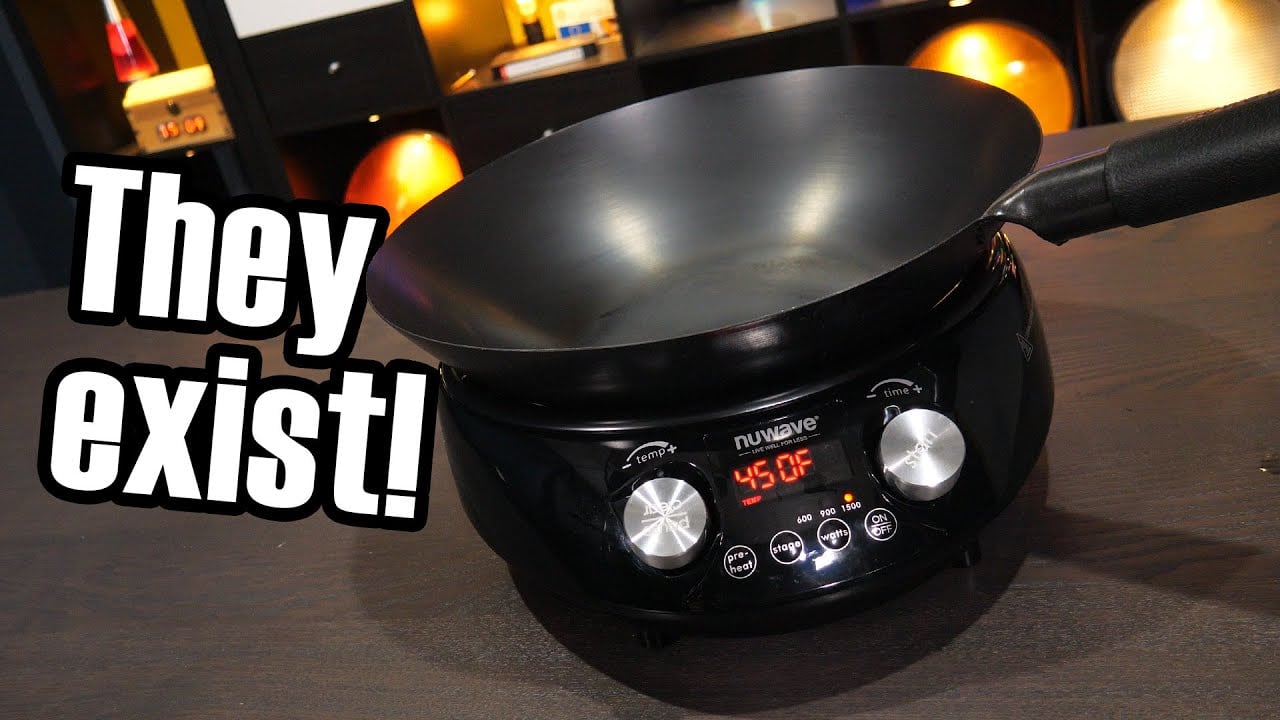
Video: Induction cooking – but what about woks?, Technology Connections. Open the educational video on YouTube.
Not automatically. The exact appliance, wok and accessory instructions must permit the combination.
Do not assume so. Use only an arrangement permitted by the relevant manufacturers.
No. Its magnetic response does not approve the complete wok, accessory and appliance arrangement.
Check a suitably designated flat-bottom wok or a dedicated appliance approved for the intended vessel, following its own instructions.