An induction hob pressure cooker needs an induction-compatible base that meets the intended appliance requirements, together with the correct instructions for that exact pressure-cooker model. Check the cooker, hob and recipe as separate sources of information. A magnetic base does not establish permitted fill, pressure settings, release methods or safe operation. Those decisions belong to the responsible manufacturer and appropriate tested cooking guidance.
This guide covers equipment selection and the questions to settle before use. It does not prescribe a pressure, processing time, liquid quantity or release technique. Its purpose is to help buyers distinguish a documented stovetop combination from an attractive pot whose base, operating sequence or service condition has not been confirmed.
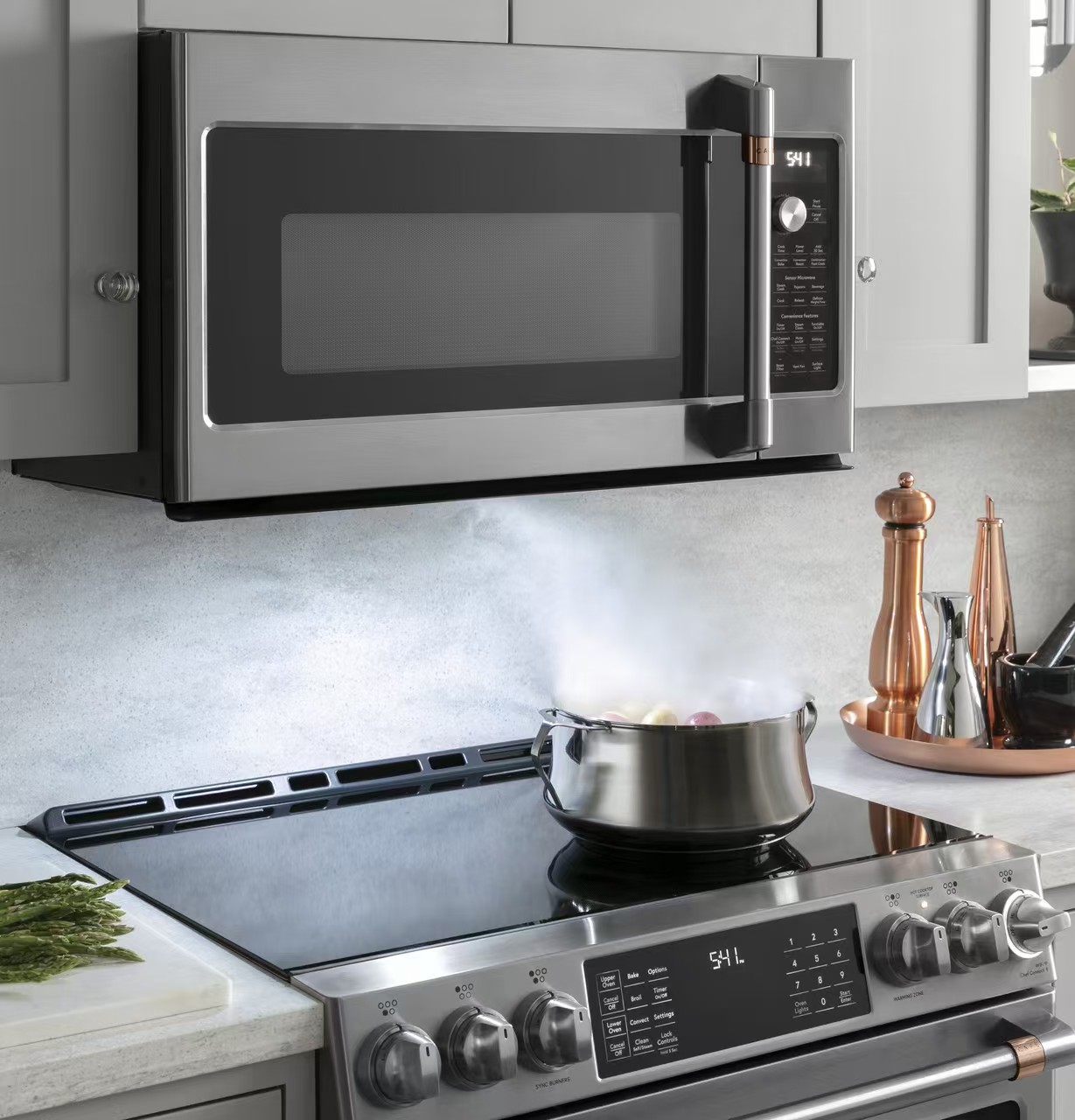
GE Appliances pressure-cooker guidance is a useful example of appliance-specific compatibility advice. It should be read within its own appliance scope, rather than treated as permission for every induction hob.
A stovetop pressure cooker receives heat from a separate cooking appliance. An electric multicooker has its own powered enclosure and heating system. Similar words in a shopping listing do not make them interchangeable. Do not place an electric appliance, its removable inner bowl or a detached component on the induction zone unless the responsible manufacturer explicitly authorizes that exact use.
Record the complete model name and size of the stovetop cooker. Different versions within one range can have different base constructions, control systems and replacement parts. Obtain the manual for the supplied version, including its induction-specific notes. A photograph showing a pot on a glass surface does not establish the heating technology underneath or document approval of the combination you intend to use.
ENERGY STAR electric-cooking guidance explains the magnetic interaction used in induction cooking. This supports checking whether the cookware has the required construction, but a magnet is only a preliminary observation. Compare the actual usable base with the hob manufacturer’s cookware requirements. Read the minimum and maximum requirements for the intended position rather than using the pressure cooker’s nominal capacity as a proxy.
Our guide to checking the usable cookware base separates the outer vessel dimensions from the bottom that interacts with the appliance. Ask for an underside drawing or a clear measurement if the listing gives only rim diameter. A wide upper body can hide a smaller bottom. Conversely, a large bottom can extend beyond the permitted arrangement even though the appliance detects it. Detection and documented suitability are separate checks.
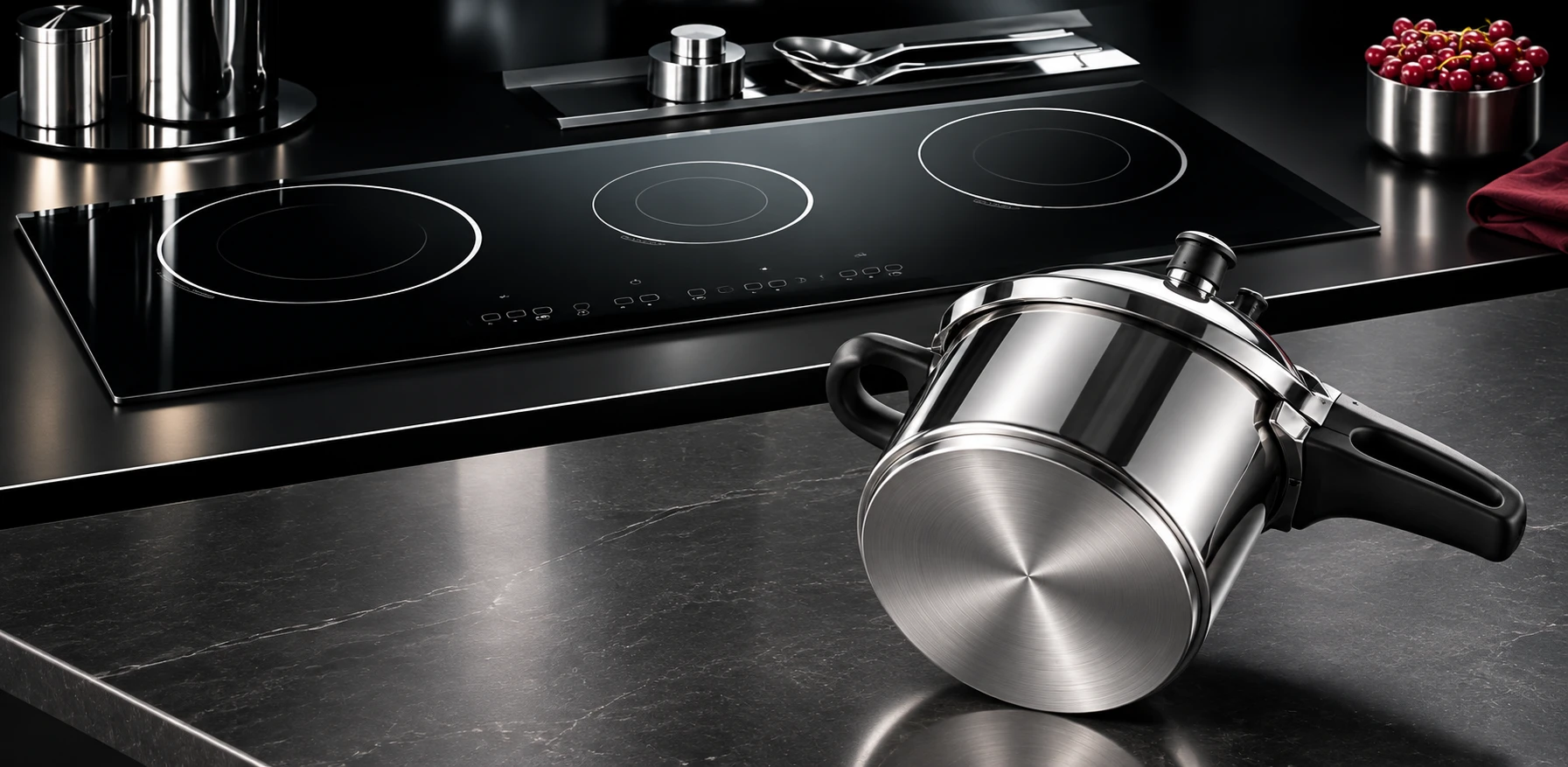
Pressure-cooker instructions can include special advice for induction because its response differs from other heat sources. Use the actual model’s sequence together with the hob instructions. A recommendation for a gas burner, an older cooker or another control system should not become a universal induction setting. Resolve conflicting directions with the equipment supplier before operating the combination.
The absence of a familiar dial number is not a reason to invent an equivalent. Power levels, boost functions and control behavior vary among appliances. Write down the manufacturer’s sequence in the terms used by the actual controls, including what the operator must observe. This article supplies no generic instruction to start at maximum power or to vent during heat-up; either action would require the selected cooker’s own directions.
A hob power number is not an internal pressure measurement. The cooker’s own indicators and instructions govern how the operator recognizes its operating state. A timer on the glass panel may be useful only within the documented procedure; it does not prove that the vessel has reached the condition required by a recipe. Avoid substituting an elapsed interval for a manufacturer-specified indication.
Read the recipe’s scope as carefully as the appliance manual. A method written for an electric multicooker may not transfer directly to a stovetop model. Pressure cooking for a meal and pressure canning for preservation also have different requirements. Do not treat this selection guide, a general online demonstration or a cookware compatibility claim as validated food-preservation guidance.
The general magnetic-heating principle follows ENERGY STAR electric-cooking guidance. Exact operating limits must come from the selected equipment documentation. The table organizes the evidence a buyer needs without inventing a common pressure, fill fraction, power number or zone diameter.
| Question | Evidence to obtain | Decision before use |
|---|---|---|
| Which equipment? | Stovetop cooker model, size and matching manual | Exclude electric inner pots and incomplete assemblies |
| Which zone? | Usable base dimensions and appliance cookware range | Confirm a permitted centered position |
| Which controls? | Model-specific induction instructions | Resolve boost and heat-adjustment questions |
| Which condition? | Inspection and service guidance for seals, lid and controls | Resolve damage or missing parts before heating |
| Which task? | Appropriate recipe and equipment procedure | Keep meal preparation separate from preservation processing |
Inspect the cooker as its manufacturer directs. Confirm that the lid, handles, seal and control parts belong to that model and are in serviceable condition. An unknown secondhand assembly needs identification and support before heating. Do not assume that a lid which appears to close correctly proves that every safety component is present, correct and functional.
If parts are damaged, missing or uncertain, obtain the manufacturer’s repair or replacement direction. Do not fit a visually similar seal, alter a valve or add weight to a regulator. Keep compatibility questions separate from pressure-system maintenance. A successful induction response cannot validate a defective lid assembly, and a new seal cannot make an unsuitable base compatible with a particular hob.
Pressure cookers can have long locking handles, short side handles or controls that project beyond the body. Check the complete outline in the intended centered position with the equipment cold and empty. Our article on planning cookware-handle clearance explains how surrounding cookware, front controls and walkways affect access. Do not rotate the cooker outside its permitted base position simply to create more handle space.
Consider the movement needed after cooking under the actual instructions, including where the vessel may be placed and where other people can approach. Do not plan to carry or relocate a pressurized cooker as a convenient shortcut. The safe sequence for stopping, releasing pressure, opening and moving belongs to the exact model manual. Prepare the workspace before starting rather than improvising around a hot vessel.
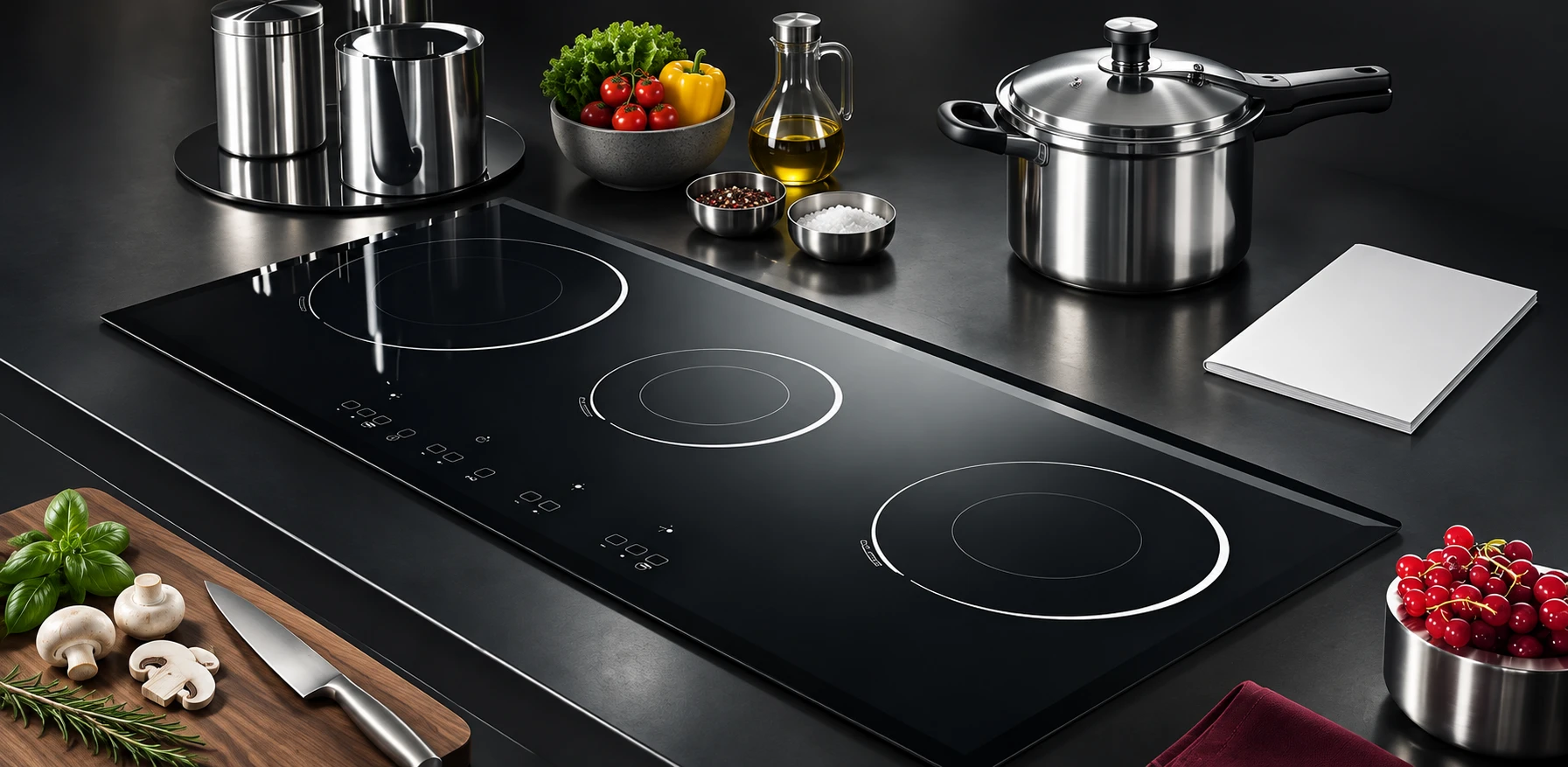
Follow the appliance and cookware directions for cleaning, drying and inspecting the bottom before placement. Loose particles or stuck deposits deserve attention before a heavy vessel is set down. Lift rather than drag the cooker when handling is permitted. Do not use the panel edge, surrounding trim or printed controls as a support for an overhanging handle or lid assembly.
If a mark appears on the glass, first stop and follow the appliance’s care guidance. Our guide to distinguishing marks from glass damage distinguishes deposits from damage and service concerns. Avoid grinding or polishing a cookware bottom as an improvised compatibility repair. Suspected warping, a damaged base or cracked glass requires the appropriate supplier’s assessment, rather than repeated heating trials to see whether the problem persists.
U.S. Fire Administration cooking-safety guidance emphasizes staying with cooking and keeping combustible items away from the stovetop. Read the cooker and hob directions for abnormal indications and supply interruption before starting. Restored power does not establish the vessel’s pressure state or authorize opening. Do not rely on an automatic hob timer as a substitute for the cooker-specific procedure and supervision.
If something unexpected occurs, use the equipment’s documented stopping and safety procedure. Do not force a lid, defeat an interlock or try to diagnose a hot pressure system by touch. Record the model, displayed message and observed sequence for support once it is safe to do so. The most useful troubleshooting information is specific and factual, not a series of increasingly aggressive tests.
Kanger’s Kanger black glass-ceramic cooktop panel and black glass-ceramic material overview describe the glass cooking-surface supply context. A panel supplier’s material description does not approve a pressure cooker, specify cookware detection limits or establish the finished appliance’s pressure-cooking behavior. OEM buyers should keep panel integration records separate from cookware compatibility and complete-appliance validation.
For a repeatable procurement decision, retain the hob model, intended zone, pressure-cooker model, base measurements, matching manuals and unresolved questions. Review the record when either appliance changes. This approach supports a documented equipment choice while leaving operating pressures, recipe timings, release methods and service decisions with the sources that are responsible for them.
This independent educational video explains induction heating and cookware geometry. It is background for understanding the base of a vessel; it does not demonstrate pressure-cooker operation, enamel repair or approval of an accessory on the glass surface.
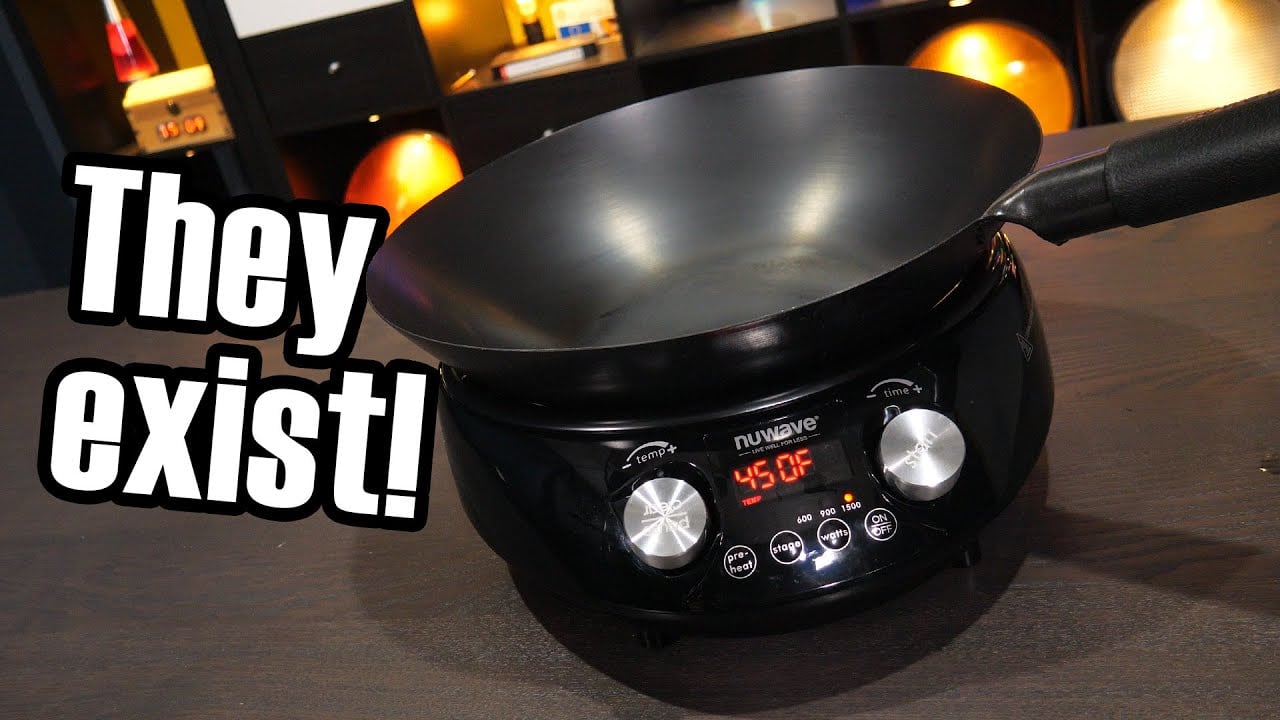
Video: Induction cooking – but what about woks?, Technology Connections. Open the educational video on YouTube.
No. Confirm the exact cooker construction, usable base and appliance cookware requirements.
Do not assume so. Use guidance appropriate to the actual stovetop pressure cooker and task.
No. Follow the selected cooker’s indicators and model-specific instructions.
No. Food preservation requires appropriate tested processing guidance and equipment approval.