An induction rice pot stoneware inner lid must be identified as a matched component of its metal cooking vessel. It is not a separate pan, a universal replacement lid or evidence that ordinary stoneware belongs on an induction zone. Check the exact pot model, supplied parts and current instructions before assembling it. The useful first decision is whether you have the correct complete set, not whether a loose ceramic-looking piece appears heat resistant. Keep unidentified parts off the hob while you establish their intended position and use.
A rice pot can contain parts made from different materials because those parts have different jobs. The vessel interfaces with the cooking zone; the fitted inner component sits within the vessel; the outer lid closes the assembly. A material description for one part cannot be transferred to every other part. Photograph the complete cold set before separating it so you retain a clear record of what arrived together.
Le Creuset describes a cast-iron Rice Pot with a custom stoneware inner lid and steam vents. That is a specific construction example, not a definition covering every rice pot on sale. Other products may use different assemblies or omit an inner lid. The manufacturer’s article explains its component arrangement; use the instructions supplied for your own model to determine how it is assembled and operated.
The distinction matters when unpacking a new set or buying a used one. A seller might call both removable pieces lids without explaining their positions. Ask for the product number and a photograph of all supplied parts. A matching color, similar rim diameter or familiar brand name is useful descriptive information, but none alone establishes that a replacement belongs to your vessel.
Start with the carton label, receipt or maker’s model record. Record the market where the pot was sold, because product names and bundled accessories can vary. Compare that identity with the current instructions and with any parts list available from the manufacturer. If a listing and the physical contents differ, ask the seller or maker to resolve the discrepancy before proceeding with an assumed assembly.
Do not force an inner lid into a recess or improvise supports to make an unfamiliar part sit level. Document where it naturally rests while everything is cold, then compare that with the official assembly illustration. An apparently close fit can conceal a wrong profile. A glass outer lid from another pan is not a substitute for a purpose-made inner component merely because it covers the opening.
For a replacement inquiry, send a clear overall image, close photographs of the rim and seating area, and any identifying marks. Explain whether the missing item is the outer metal lid, the inner stoneware component or a knob. These descriptions help support staff answer the actual question. A request for a rice-pot lid without the component name can lead to an answer about a different part.
The following table is a practical record for comparing the item in front of you with the exact manufacturer’s documents. It contains no universal dimensions or cooking settings. Keep the evidence with your purchase record so that a later replacement does not have to be identified from memory.
| Item | Evidence to retain | Question it does not settle |
|---|---|---|
| Pot model | Product code, market, receipt | Other similarly named products |
| Metal vessel | Exact base and hob instructions | Inner-lid replacement fit |
| Inner component | Matched part number and assembly drawing | Standalone hob permission |
| Outer lid | Correct supplied lid and attachments | Universal lid interchangeability |
| Vents and seating | Unmodified correct component | Pressure-cooker rating |
| Condition | Cold photos of any damage | Permission to repair at home |
This qualitative checklist organizes the exact-model instructions cited below. It supplies no universal rating, measured result or product approval.
If the identity column remains incomplete, leave the assembly unused and obtain clarification. That is more useful than collecting generic rice-pot recommendations. A manufacturer can often answer a narrow question about a product code and supplied component more clearly than a question framed only around appearance. Save its written response with the model record rather than relying on a retailer’s abbreviated feature list.
Induction compatibility is a property of the suitable cooking assembly and its interaction with a particular appliance. A glass-ceramic surface is part of the appliance, while the pan base is the cookware interface. The Department of Energy explains the basic induction process. That background helps distinguish the metal vessel from an internal stoneware component, but it does not approve a replacement part or establish a setting for your pot.
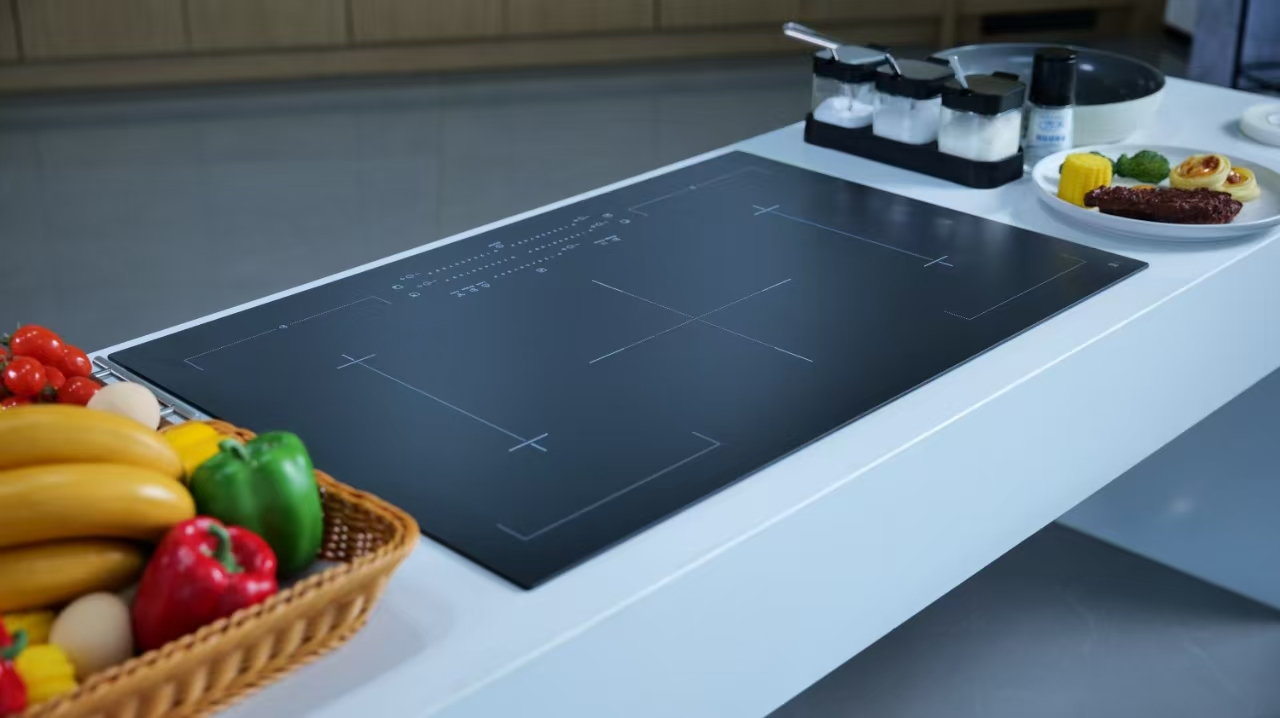
For an overview of the separate cookware interface, read stainless cookware and base guidance. The same boundary applies to Kanger’s black glass-ceramic cooktop panels. A product photograph of a panel cannot establish that a particular rice pot fits every appliance made with similar glass. The completed hob’s instructions govern usable zone sizes, cookware requirements and operation. Consult usable pan-base measurement when recording the actual usable base rather than treating the pot’s upper opening as its contact dimension.
A magnet check or appliance detection response cannot confirm that the inner lid is correct. Those observations address different questions about the base or appliance. Do not energize an unidentified assembly to see whether it works. Resolve the component identity first, then separately follow the vessel and appliance instructions. Keep this sequence clear when asking a supplier for help.
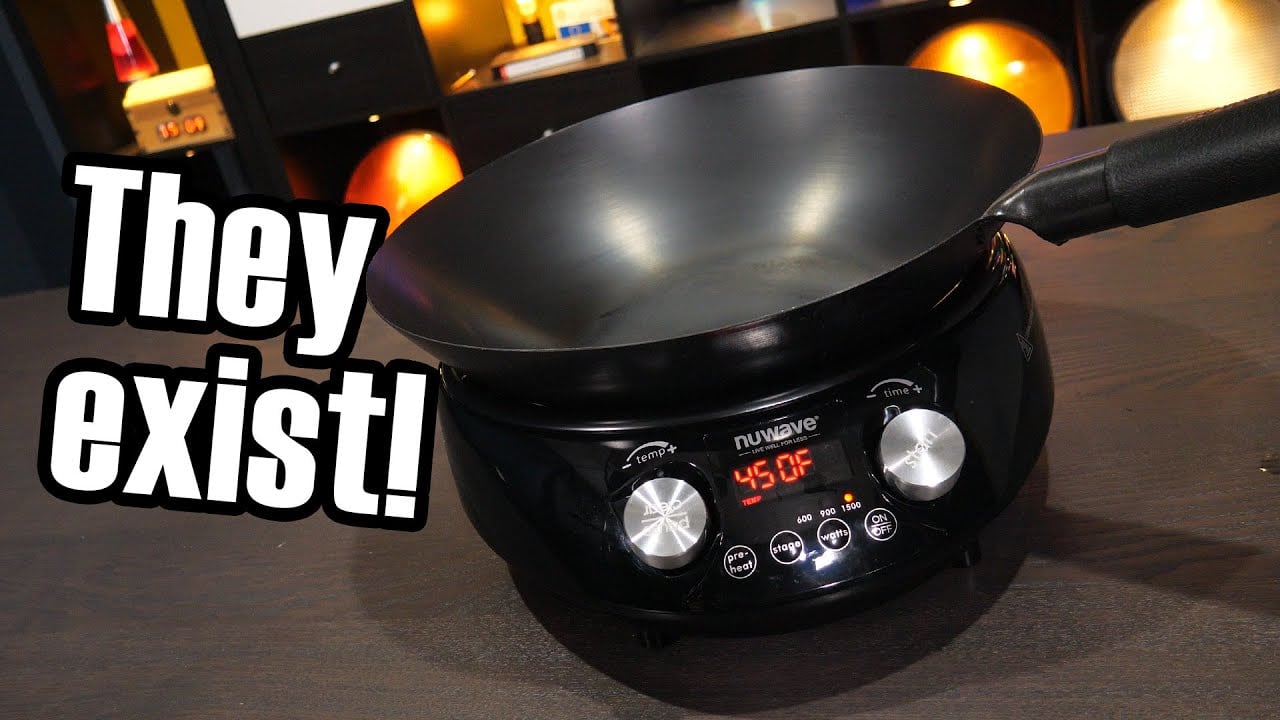
Video: Induction cooking – but what about woks?, Technology Connections. Open the educational video on YouTube.
The video explains induction as background only. It is not a rice-pot assembly demonstration and supplies no replacement-lid approval, grain ratio or cooking time. The written manufacturer’s instructions remain the operating reference for your exact pot.
An inner lid with vents should not be treated as a pressure-cooker mechanism. Do not cover openings, add weights or seal a lid in an attempt to improve a recipe. If your product is actually a pressure cooker, use its separate instructions and service system. Similar cooking purposes do not make components interchangeable between an ordinary rice pot and a pressure-rated appliance.
For a conventional rice pot, check the maker’s directions for the position and orientation of each supplied part. Avoid importing a cooking sequence from a different size or regional model. A grain recipe is useful only after the equipment identity is settled. This article deliberately supplies no water ratio, fill limit or timing because those details require the exact model and recipe context.
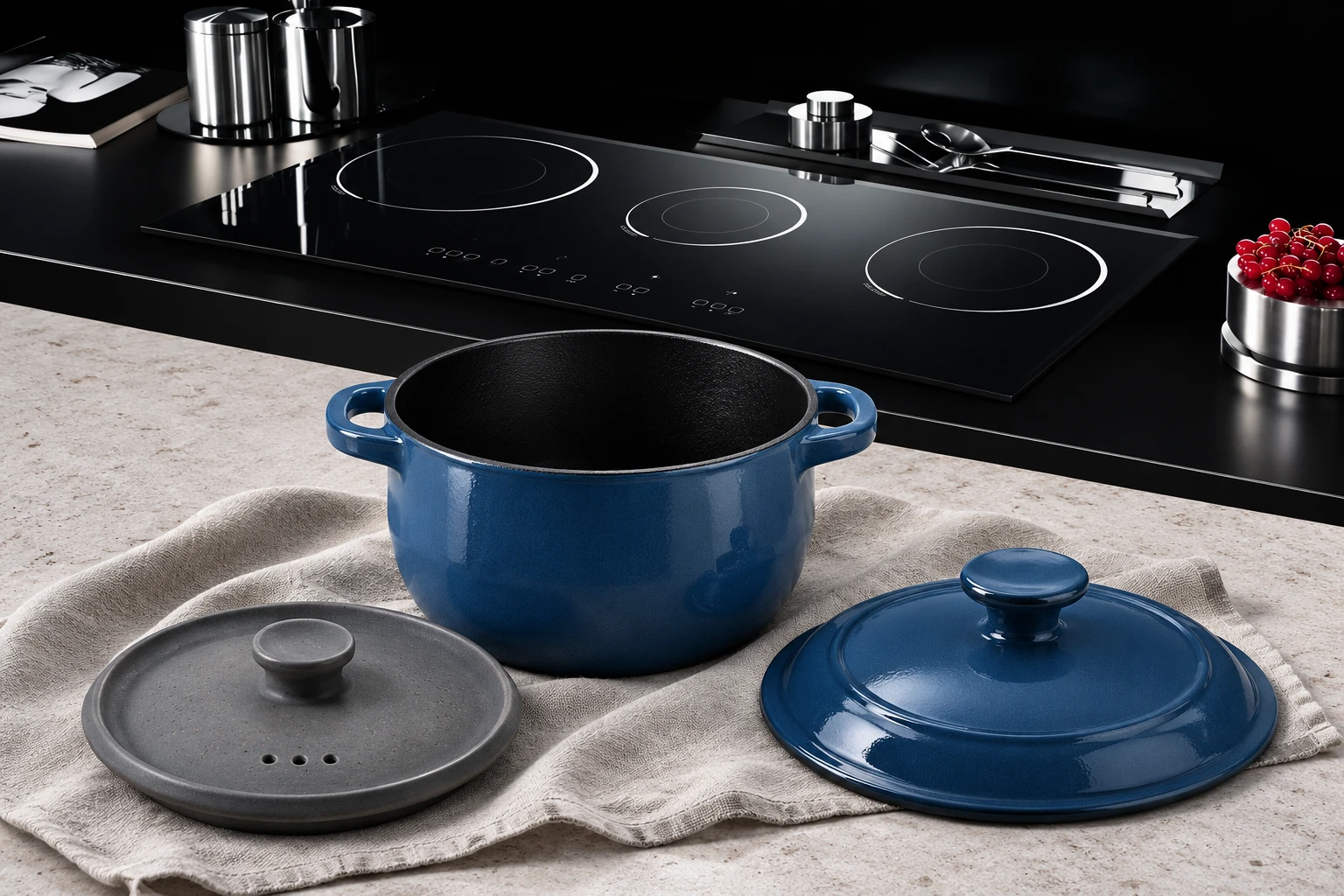
Plan a safe place for a removed lid before cooking begins. Keep the appliance controls clear and use a suitable heat-resistant resting surface according to its own instructions. A loose inner lid should not be put directly on the hob as a convenient parking place. The cold illustration shows components separated for identification, not an arrangement to copy during hot handling.
Look at the cold inner component in good light. Photograph an unexpected chip, crack or damaged seating edge and ask the manufacturer about continued use or replacement. Do not sand a rough edge, drill a vent or glue a broken component for cooking. Such alterations change the part rather than resolving whether the original assembly is correct and suitable.
Use the appropriate material-specific cleaning instructions for each component. A set can include metal and stoneware without every part sharing the same treatment. If a general cookware page and your supplied instructions appear different, identify the exact section and ask which applies to your model. Keep cleaning products and wet inspection work away from the hob controls.
When the set is dry and cool, store the matched components together without creating an unstable stack. Retain the model identity separately so it remains available if packaging is discarded. For the distinction between a stoneware vessel and a metal cooking pot, consult stoneware mini cocotte heating restrictions. It addresses direct heating restrictions rather than the special role of an inner lid within an approved assembly.
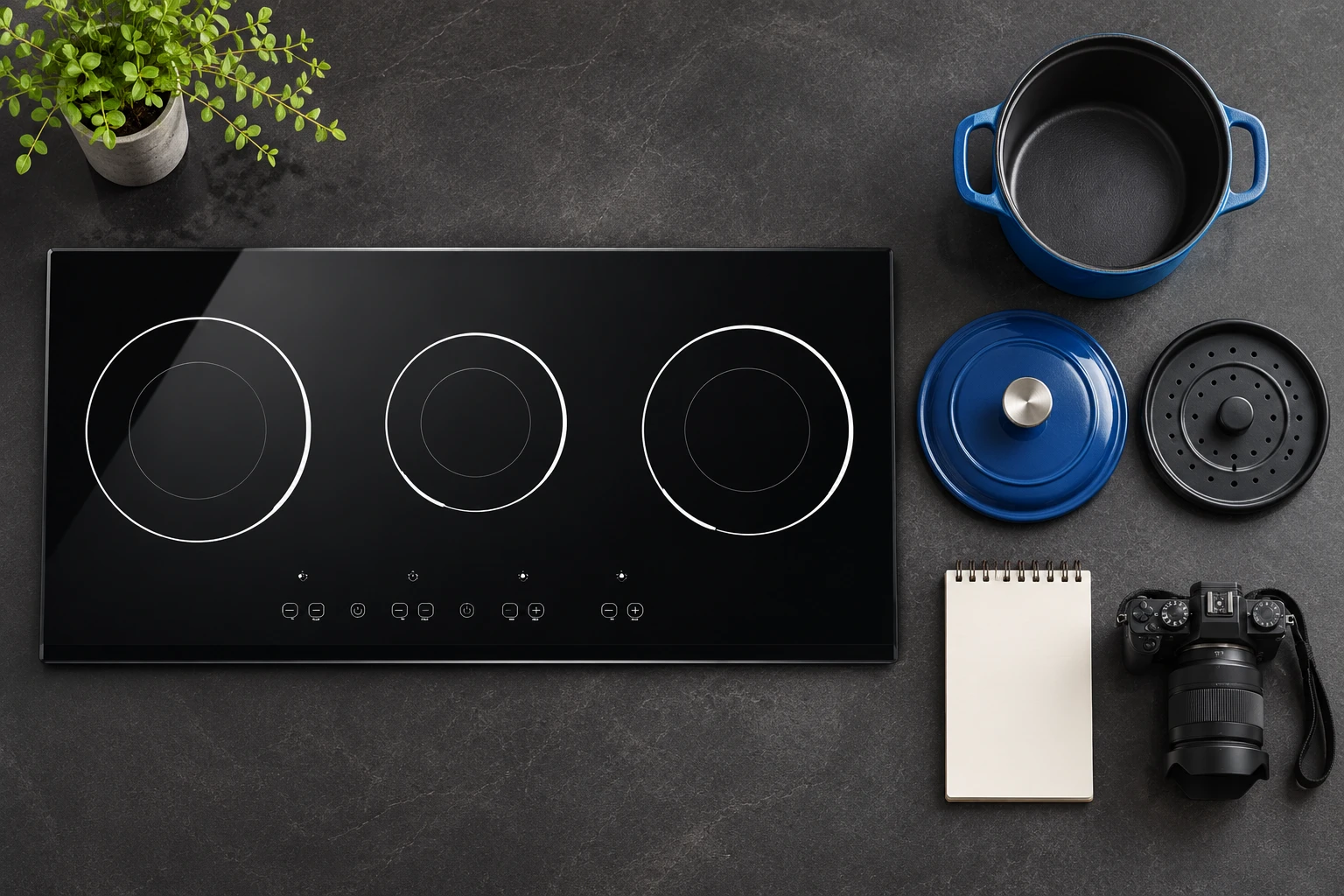
A useful support message describes the purchase market, model code, which component is missing or questioned, and the observed discrepancy. Attach an overview and a detail image rather than sending only a close crop of the ceramic surface. Ask whether the pictured part is the correct inner lid for the identified pot and request the applicable assembly instructions or replacement reference.
Keep the query focused on compatibility instead of asking for a universal temperature rating. A rating for stoneware in one use does not establish the correct fit or function inside another product. If the maker cannot identify the loose part, select a documented complete assembly rather than experimenting with unrelated cookware components. This decision avoids turning an identification problem into an uncontrolled heating test.
For appliance or panel procurement, keep a second record of the hob model and its cookware criteria. Kanger can discuss the glass-panel business through its product page; the cookware maker should answer inner-lid compatibility. Separating those questions helps each supplier provide evidence within its own responsibility. General material knowledge is useful context, while exact product documentation settles the assembled use.
Do not treat a matched inner lid as a cooking vessel. It belongs only in the arrangement approved for its exact pot. Identify the component and follow the supplied instructions rather than attempting direct heating.
No. Rim profile, seating position and model-specific design also matter. Give the manufacturer the pot identity and component photographs, and obtain the correct replacement reference before use.
A vented rice-pot component does not establish a pressure-rated assembly. Do not block openings or add improvised seals. Pressure cookers require their own complete instructions and matched service parts.
Keep the set unused while you document the discrepancy. Send the seller or maker the product code, purchase record and photographs, then request confirmation of the intended complete assembly.
Cookware makers are cited for their own product instructions, not as glass suppliers or endorsements of Kanger. Model and market-specific guidance does not approve an unidentified item.