A stoneware mini cocotte should not be treated as an induction pan because it resembles a small cast-iron casserole. Identify the exact material and model first. Le Creuset’s current Mini Round Cocotte page identifies the vessel as stoneware and explicitly rejects stovetop use; its care guidance also excludes stoneware from direct heat. Keep that vessel away from the hob and choose a documented cooking method instead. A lid, enamel-like color, miniature handles, or the word cocotte does not establish induction compatibility. This guide explains how to separate those lookalike products without heat-testing an unidentified dish.
A small lidded vessel can be sold for individual portions, presentation, baking, or cooking. The name alone does not tell you what it is made from. Glazed stoneware and enameled metal can share a similar color and silhouette, particularly in an online photograph. That visual resemblance is why the material field and the actual care instructions should be checked before a vessel is assigned a cooking location.
Begin with the label, packaging, purchase record, and any readable underside markings. Find the exact model on the manufacturer’s current website or ask its support team to identify it from clear photographs. Do not treat a search result for a similar color as an identification. A product family may contain different sizes and materials, and a seller’s general collection description may not apply to every item pictured.
Keep the lid and vessel together during identification, but do not assume that they share every permission. A knob, decorative finish, or replacement lid can introduce its own restrictions. This article does not supply a temperature chart for unspecified cocottes. It focuses on the earlier decision: whether you have a stoneware serving or baking piece that must stay off the hob, rather than an identified metal cooking vessel.
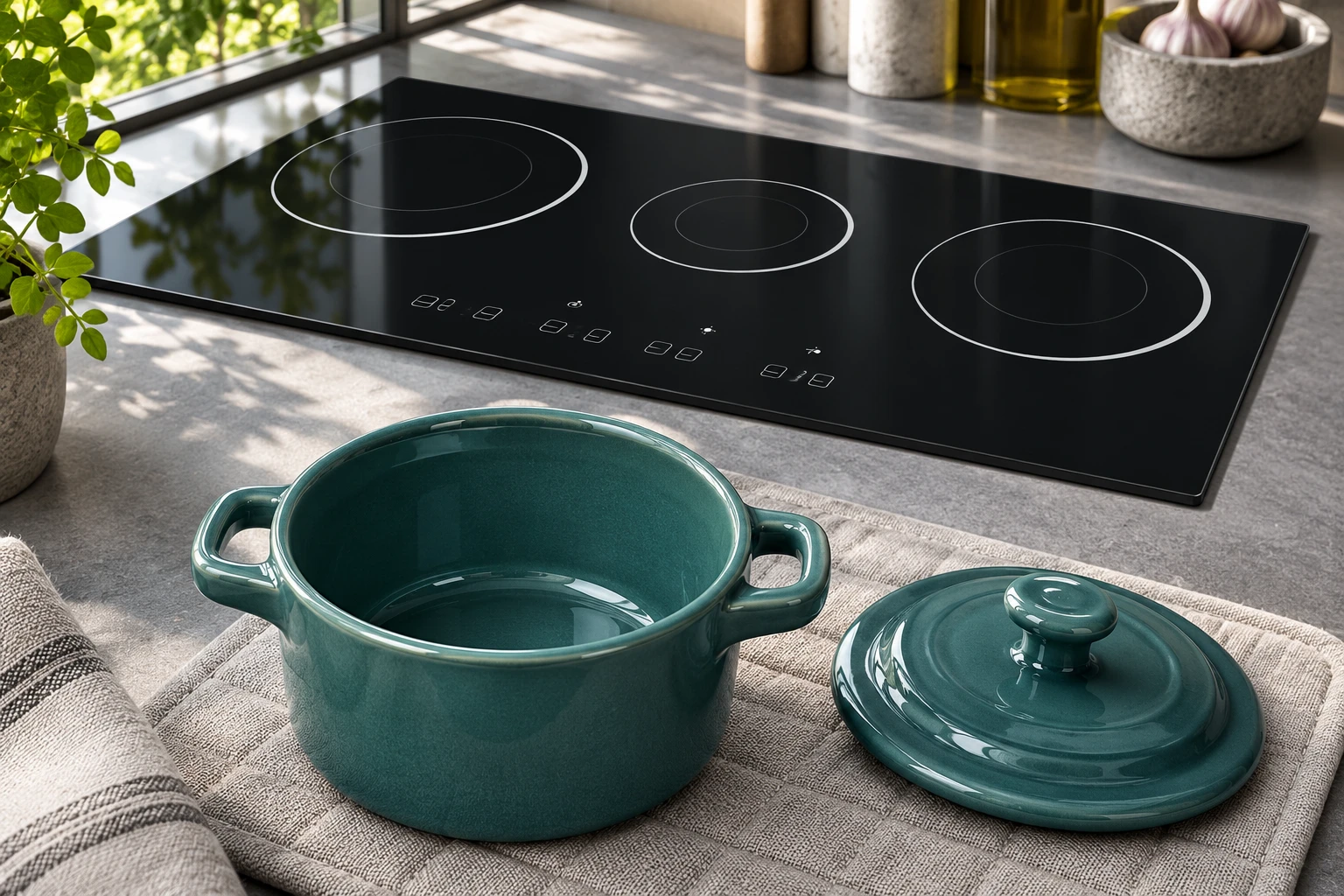
The linked Le Creuset Mini Round Cocotte page lists stoneware as the material and names oven, broiler, and microwave among its heat sources. Its FAQ answers the stovetop question negatively. That is sufficient to reject using that identified stoneware model directly on an induction hob. There is no need to perform an experiment to see whether the appliance detects it or whether the dish appears to tolerate a brief attempt.
Those permissions must be read with the detailed care instructions for the exact item and market. Listing an oven does not approve every temperature, every placement, or every movement between cold and hot conditions. Listing a microwave does not approve an unrelated metal lid or accessory. Check the complete instructions rather than copying one permission into a different method.
For another maker’s mini cocotte, obtain that maker’s material description and written use guidance. Do not transfer Le Creuset’s product-specific instructions to an unidentified vessel. Equally, do not override a clear restriction merely because another brand sells a metal cocotte that can be used on a hob. Similar appearance does not create shared approval.
Induction cooking relies on the relationship between the appliance and compatible cookware. The Department of Energy source below explains the general principle. It does not establish approval for a particular dish, and a glass cooking surface is not a universal platform on which any oven-safe vessel can be heated. The material and the stated heat source still have to match.
A low setting, a brief interval, or a small quantity of food does not withdraw a manufacturer’s stovetop prohibition. Do not try to make the stoneware behave like a saucepan by placing it over another pan, adding an adapter, or using a different accessory without explicit approval for the complete arrangement. This guide recommends no workaround for direct heating.
Do not place the dish on a zone simply to see what the display does. An appliance response is not a materials test or a long-term use assessment. If the intended method is unavailable, change the preparation plan or choose suitable documented cookware. Keep the dish on a separate preparation surface while you resolve the question.
| Evidence | Decision it supports | Avoid this shortcut |
|---|---|---|
| Exact model | Connect vessel to current instructions | Identify by color alone |
| Body material | Distinguish stoneware and metal | Treat ceramic coating as stoneware |
| Heat-source list | Select expressly permitted method | Extend oven permission to hob |
| Lid and attachments | Check complete supplied item | Borrow another model’s rating |
| Preparation stages | Use suitable separate cooking vessel | Heat-test serving dish |
| Unknown identity | Ask maker before use | Try brief low-power heating |
This qualitative checklist organizes the exact-model instructions cited below. It supplies no universal rating, measured result or product approval.
The word ceramic can describe different things in cookware marketing. A metal pan with a ceramic-type coating is not the same product as a solid glazed stoneware vessel. One may have a documented induction-compatible metal base while the other is intended for oven or serving use. Read both the body material and the surface description instead of making a decision from the shared word.
A useful product record separates the vessel body, interior finish, base construction, and permitted heat sources. If the description leaves one of these unclear, ask the manufacturer before buying for induction use. A colorful exterior, a smooth interior, or a familiar brand does not answer those questions. Nor does the fact that an item has been used successfully in an oven.
Our stainless cookware and base guidance guide provides broader context for cookware material and base questions. For the dimensions of a documented hob-compatible pan, use usable pan-base measurement. Neither guide changes the specific stoneware restriction discussed here; they help you choose and assess a separate suitable cooking vessel if the recipe needs a stovetop stage.
Read the recipe before assigning equipment. If it calls for a sauce or filling to be prepared on the hob before transfer to individual dishes, use appropriately documented cookware for that stage. Then follow the recipe and the dish manufacturer’s instructions for any permitted transfer and subsequent cooking. Do not assume that the serving vessel must also be the vessel used for every preparation step.
Set a separate landing place before handling heated dishes, using support appropriate for the worktop and item. A cooking zone is not a convenient serving shelf. Keep dishes and loose lids away from appliance controls, and avoid crowding a preparation area with items waiting to be identified. The aim is a clear equipment plan, not an improvised route between appliances.
Our wooden board and trivet permission guide explains why support materials need their own permissions. Our dry oven-glove grip preparation article addresses dry grip preparation. Neither article supplies a universal heat rating for a board, glove, or vessel. For a miniature item, verify that you can hold and support the actual shape securely rather than assuming that a smaller portion requires less handling care.
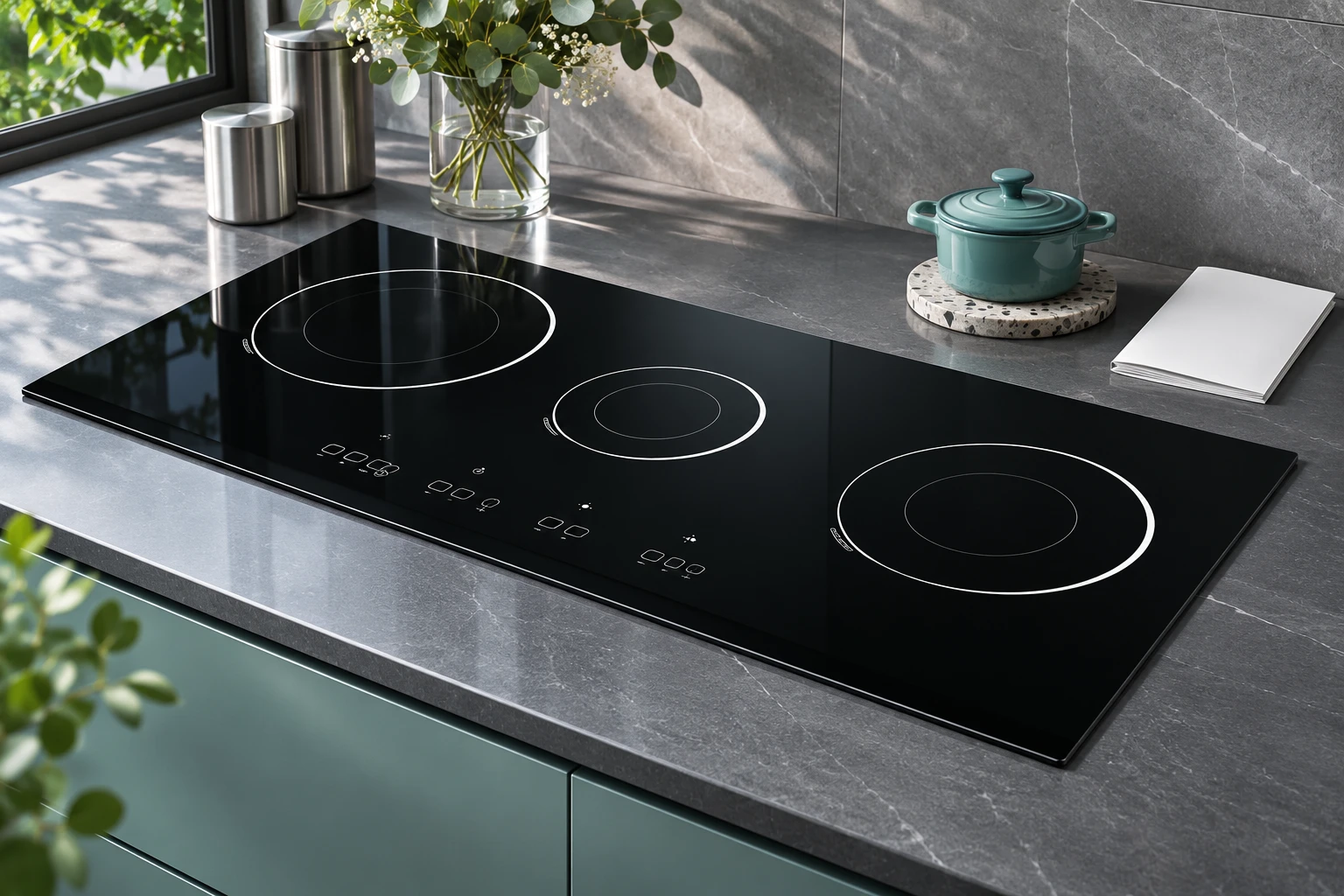
Kanger supplies black glass-ceramic cooktop panels for appliance applications. That product connection concerns the glass panel, its markings, and the appliance design around it. It does not make a stoneware vessel suitable for the hob. A panel photograph may help explain the cooking location, but it cannot certify cookware, authorize an accessory, or replace the complete appliance instructions.
For an appliance or purchasing project, keep separate records for the panel and for the cookware used during demonstrations. Identify the exact permitted vessel rather than displaying a visually appealing dish on a zone and allowing the image to imply approval. Editorial illustrations in this article keep the miniature stoneware on a separate counter for that reason.
If a customer asks whether a cocotte works on a new appliance, request the model and material information before answering. A useful response identifies the missing evidence and the correct support route. Avoid approving a setup from the word cocotte, a nominal capacity, or a general statement that the appliance accepts induction cookware.
If the material is unknown, keep the item out of service until its maker identifies it. If it has already been heated contrary to the instructions, do not repeat the attempt to confirm what happened. Let the situation become safe according to the appliance and vessel guidance, then contact the manufacturer about inspection or replacement. Do not diagnose an item’s condition from this article or from a photograph alone.
Record the model, what occurred, and any visible concern without trying a repair, coating, or home thermal test. Keep the account factual: appliance, method, sequence, and observations are more useful than a guessed failure mechanism. This guide does not determine whether a particular item remains suitable for food contact or further heating after misuse.
Before replacing it, decide whether you need a stovetop vessel or an individual serving and baking dish. That distinction prevents buying another attractive lookalike for the wrong stage. Ask the supplier to confirm the exact intended method in writing, then retain the care instructions with the product record.
The video below provides neutral background on induction cooking and cookware geometry. It is not a demonstration of heating stoneware, and it does not approve a mini cocotte, an adapter, or a particular glass-panel installation. The written manufacturer restriction remains the basis for the decision above.
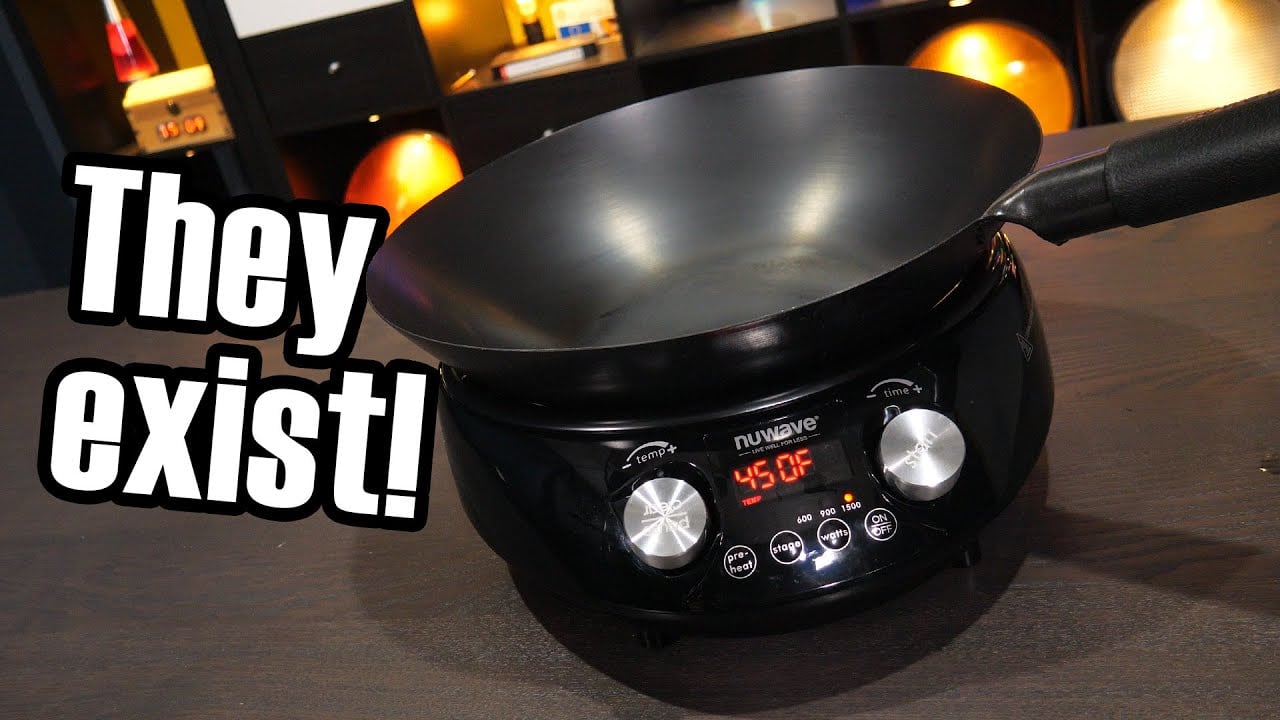
Video: Induction cooking – but what about woks?, Technology Connections. Open the educational video on YouTube.
The linked current product page rejects stovetop use for that stoneware model. Keep it off the induction hob and follow its documented permitted cooking methods.
No. Heat-source permissions are separate. Check the exact vessel’s instructions rather than extending an oven permission to a hob or another direct-heat method.
No. A coating description and a vessel-body material describe different features. Identify the body, base, surface and permitted heat sources of the exact product.
No. Keep an unidentified vessel out of service and obtain the maker’s material and use instructions. A brief heating attempt is not a suitable identification method.
Cookware makers are cited for their own product instructions, not as glass suppliers or endorsements of Kanger. Model and market-specific guidance does not approve an unidentified item.



