Induction hob stainless steel cookware works when its base is compatible with induction and meets the requirements of the particular hob. A shiny stainless finish, premium price or familiar brand is not enough to establish that. Check the exact pan model for an induction designation, examine the cold base and compare its usable dimensions with the appliance manual. A magnet offers a useful preliminary check, but it does not settle every question about size, stability, condition or cooking performance. Before buying a complete set, verify the individual pieces you actually intend to use.
Stainless steel describes a broad material family and cookware can combine several layers or components. The exterior appearance does not reveal every part of the base. A vessel may have a magnetic layer where it meets the hob even when other parts serve different purposes. Conversely, a stainless vessel made for another heat source may not suit induction. Read the product information for the exact item instead of relying on a photograph of its sides.
ENERGY STAR induction cooking guidance explains that induction transfers electromagnetic energy to suitable ferromagnetic cookware. Its compatibility advice supports a first check; it does not rank stainless cookware brands or establish a universal base specification. Ask the cookware supplier which pieces are intended for induction and retain that written information. For a replacement lid or an accessory, verify its own use conditions separately rather than extending the pan designation to everything in the package.
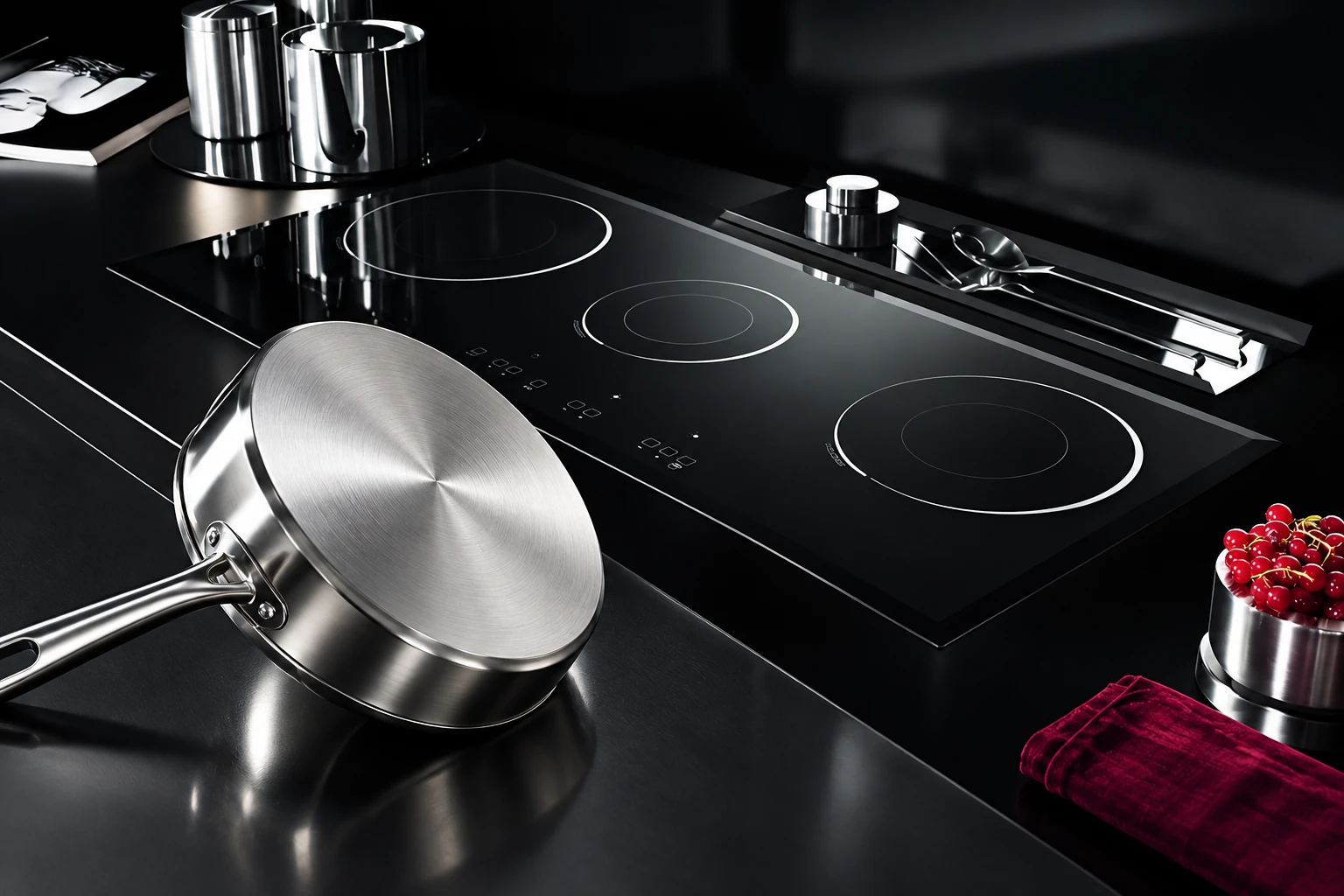
With the cookware cold and away from an operating appliance, check whether a small magnet is attracted to the part of the base intended to sit over the zone. Keep magnets away from anything for which their use is restricted. Do not confuse attraction to a handle, fastener or sidewall with evidence about the cooking base. Record the location you checked if you are comparing several pieces.
An attracted magnet is useful information, but the next step remains the cookware declaration and hob manual. The usable magnetic base may differ from the advertised rim diameter. A vessel that looks large can have a smaller active base, while decorative rings can obscure where the relevant area begins. If the information is unclear, ask for a base drawing or a specific induction compatibility statement rather than inventing a pass threshold from magnet strength.
Check the appliance requirements for the zone you plan to use. Compare those with the actual base dimensions and shape. Keep handles and the body clear of controls and neighbouring pans. A pan fitting into a kitchen cupboard says nothing about detection on a small cooking zone. Likewise, a saucepan supplied as part of a compatible set should still be checked against the particular zone where it will normally be placed.
Our pan-base sizing guide explains the separate base-size decision, and pan-detection troubleshooting covers a vessel that is not detected. This article focuses on stainless construction and purchase evidence. Avoid treating a detection failure as proof that every stainless pan is unsuitable. First distinguish an incompatible base, a size mismatch, poor positioning and a service condition using the appliance instructions. Do not repeatedly select boost to force an unrecognized vessel to work.
Place the cold vessel on a suitable stable surface and inspect it in good light. Look for attached food residue, grit, obvious deformation or damage that should be assessed by the cookware supplier. Do not place a dirty base onto a clean glass surface. Avoid sharpening, grinding or flattening the bottom yourself in an attempt to improve induction performance. Any repair question belongs with the supplier and its approved procedure.
Check how the pan sits without deliberately rocking or dragging it over the hob. A clean visual inspection does not measure flatness or certify performance, but it can identify an issue that needs clarification before use. For a used purchase, request photographs of the actual base rather than accepting only stock images. Retain the item identification so a later support question can be connected to the exact construction and condition.
| Purchase question | Evidence to request | Decision it supports |
|---|---|---|
| Is this exact piece intended for induction? | Model-specific manufacturer declaration or induction marking | Initial compatibility screening |
| Does it suit the planned zone? | Usable base dimensions and hob cookware requirements | Zone matching |
| What does the construction include? | Description of base layers and permitted heat sources | Understanding the product beyond appearance |
| Is the actual vessel in acceptable condition? | Cold-base inspection and supplier guidance for defects | Accepting a new or used item |
| What use limits apply? | Care, handle, lid and heating instructions | Safe operation and maintenance |
This is a document checklist, not a ranking of alloys. No universal layer count, thickness or magnetic strength is prescribed. If two product descriptions conflict, obtain clarification before purchase. Do not average their specifications or assume the higher-priced listing is the more accurate one.
If the supplier allows an evaluation, start with one piece representative of your intended cooking. Use the appliance and cookware instructions, with appropriate contents and supervision. Observe detection, stable placement and the practical cooking task. Do not run an empty high-power trial or create a destructive test to compare products. A useful evaluation answers an everyday need under permitted conditions.
Keep the comparison fair. Note the zone, contents, starting conditions and selected function, then change one relevant variable at a time. Do not compare a small uncovered saucepan with a large covered stockpot and attribute the entire difference to stainless quality. Record observations in plain terms rather than claiming laboratory efficiency or temperature uniformity. A household trial cannot establish a material certification or a guarantee across every hob model.
A compatible pan can still behave differently from a previous vessel. The construction, quantity of food and recipe stage affect what you observe. Use the recipe and cookware guidance when adapting the heat setting. Induction compatibility does not mean that the same number produces the same cooking condition in every pan. Our simmer-setting guide discusses a supervised approach to finding a suitable simmer.
Sounds are another separate observation. If a vessel makes an unexpected noise, record the pan, zone, selected function and whether a warning appears. Consult cookware buzzing checks for the difference between cookware-related sounds and service concerns. Do not diagnose an electrical fault from the word stainless or remove a base component to investigate. Stop and follow support instructions when damage or an identified fault is present.
Lift cookware using suitable protection and the handling method appropriate to its weight and temperature. Keep the underside clean and avoid dragging grit over the glass. Stainless appearance does not make a pan immune to contamination or make the hob scratch proof. If a surface mark appears, follow the appliance care instructions and document it before attempting any treatment.
Do not add a cloth, silicone sheet or adapter beneath the pan unless the exact appliance permits it. Such an accessory changes the interface and brings its own restrictions. Nor should a protective layer conceal existing damage. For questions about visible lines, the separate surface-mark guide should be read alongside the manufacturer’s service advice. An attractive kitchen photograph cannot settle whether a damaged panel is safe.
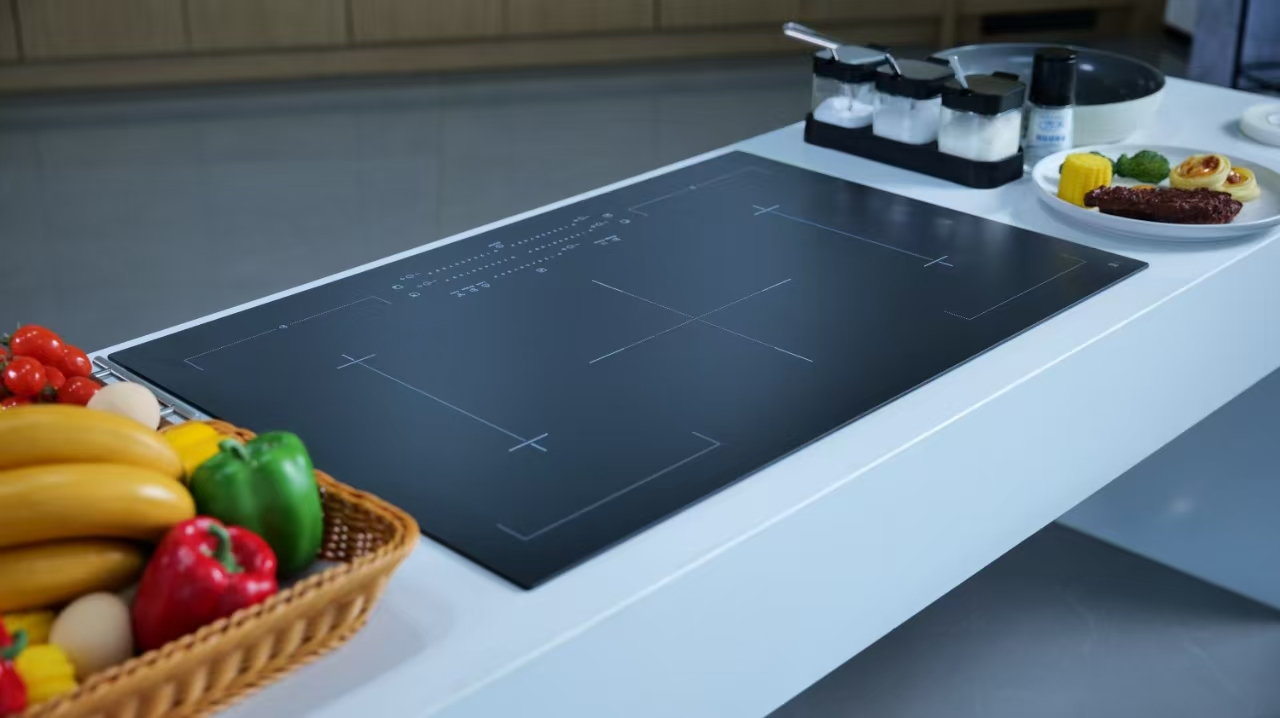
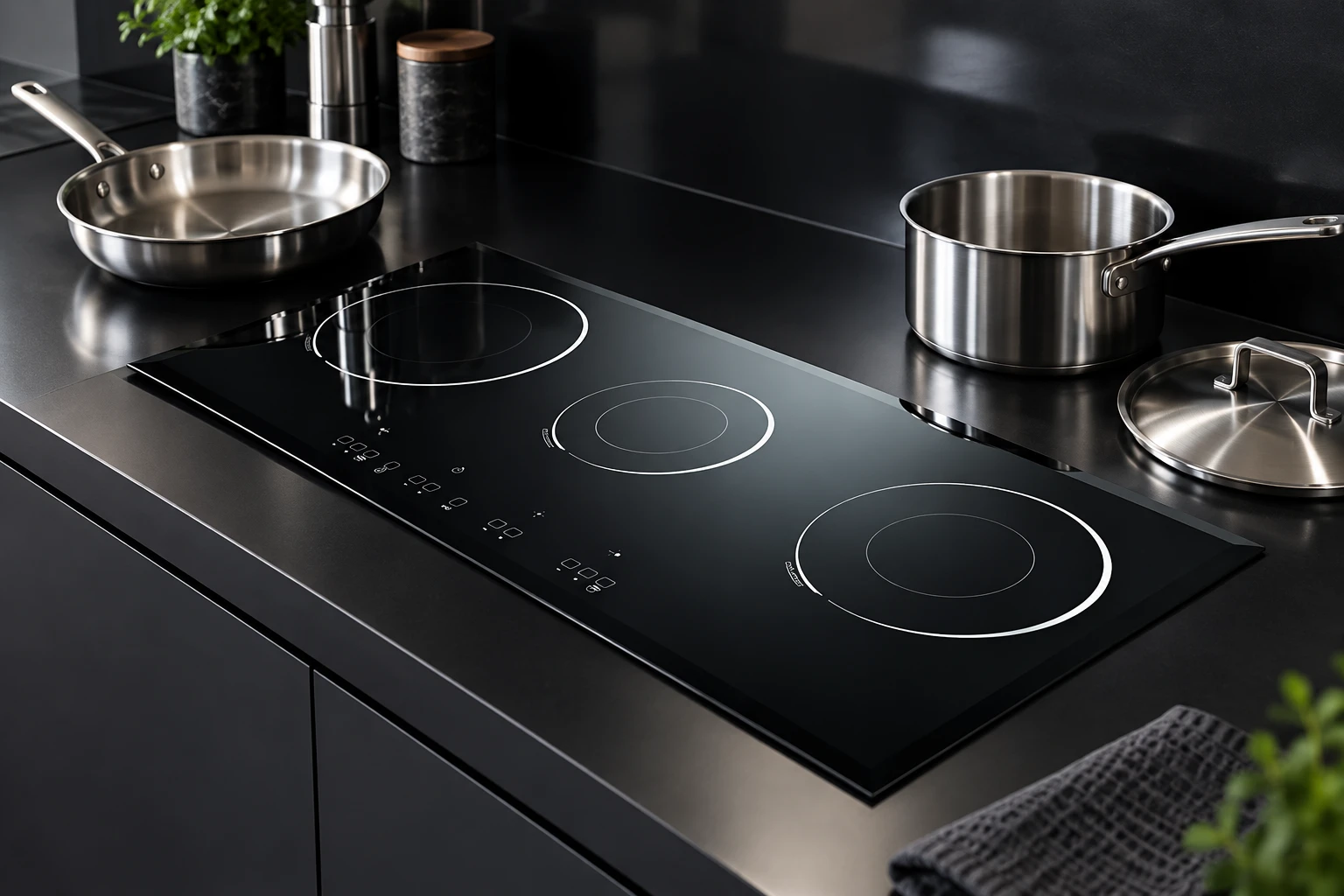
The Kanger black glass-ceramic cooktop panel connects this topic to the surface on which cookware is used. For an appliance project, agree the panel drawing, visible finish and assembly interface with the panel supplier. The glass photograph does not identify hidden coils or certify compatibility with a particular stainless pan. Those questions require evidence from the finished appliance and the intended cookware.
The black glass-ceramic material overview provides material background. An OEM evaluation should record the permitted cookware models, appliance configuration and acceptance method separately from panel appearance inspection. If a customer reports poor heating, collect the actual pan and zone details before changing a panel specification. Replacing glass by guesswork is not an evidence-based response to an unverified cookware mismatch.
Store the cookware model, receipt and care document with the hob information. For a set, note which pieces were checked and on which zones. This prevents a later replacement or gift pan from being assumed compatible simply because it looks similar. Recheck the documentation if the appliance or vessel changes.
U.S. Fire Administration cooking guidance emphasizes supervision while cooking. A suitable stainless base does not remove that responsibility. If operation remains uncertain, describe the model, zone, contents and any message to qualified support. A clear account of what was checked helps distinguish a cookware question from an appliance service issue without unsafe experiments.
Technology Connections explains the interaction between induction and cookware geometry. Watch it for physical background to base compatibility; the examples do not certify a particular pan, coating or Kanger panel assembly.
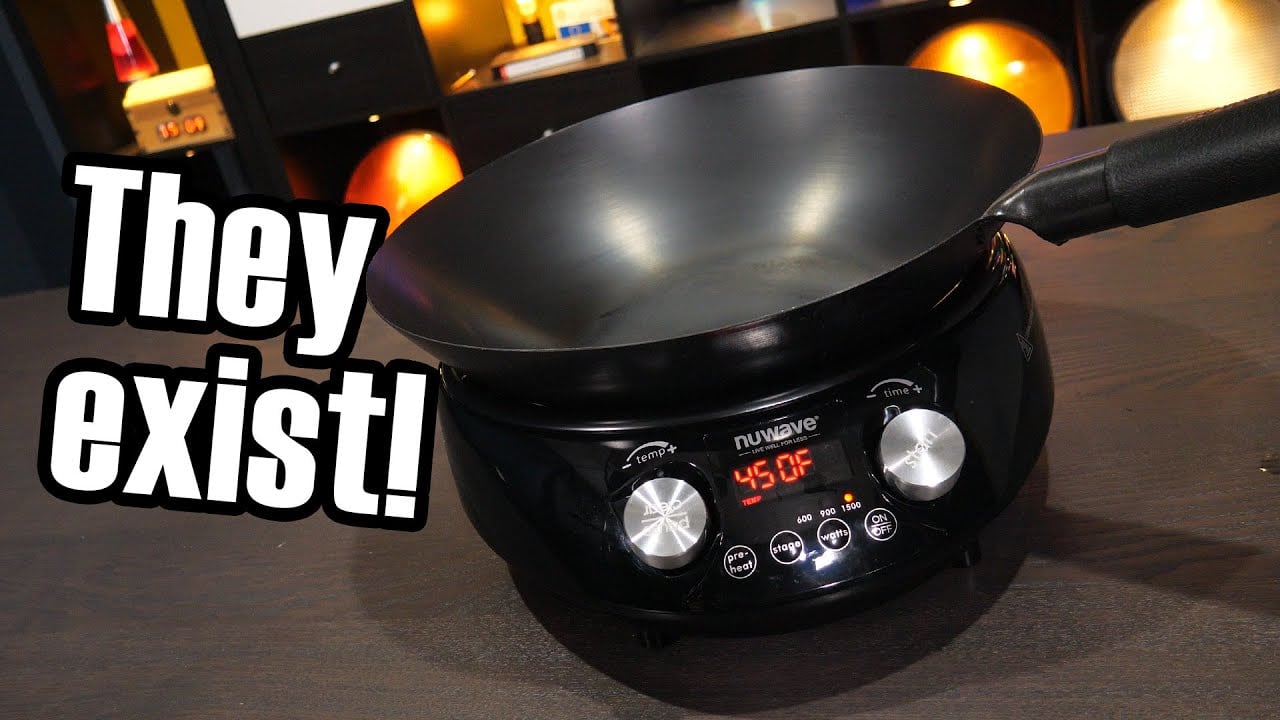
Video: Induction cooking – but what about woks?, Technology Connections. Open the educational video on YouTube.
No. Check the exact vessel’s induction designation and base construction, then match it to the hob requirements.
It is a preliminary screen. Also check the cookware declaration, usable base size, condition and appliance instructions.
Use the base information required by your hob. Rim diameter alone may not describe the active area.
No. Adapt the recipe within the cookware and appliance instructions and observe the actual cooking response.