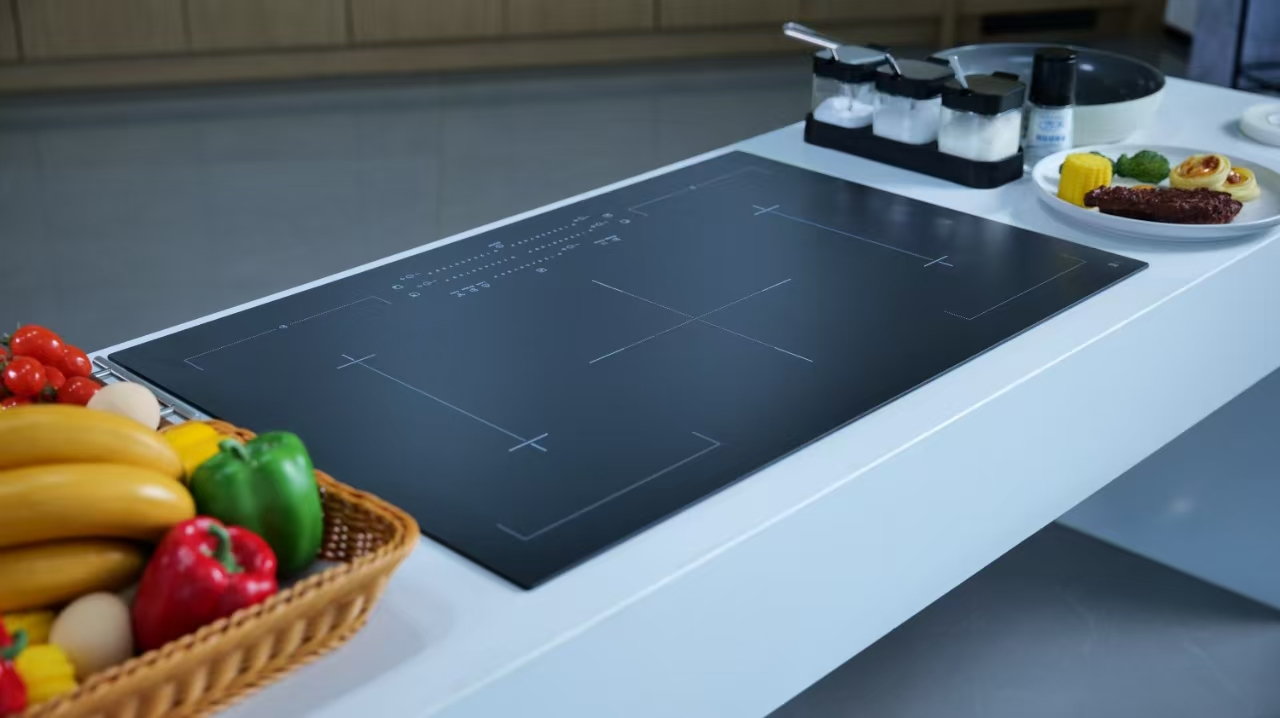
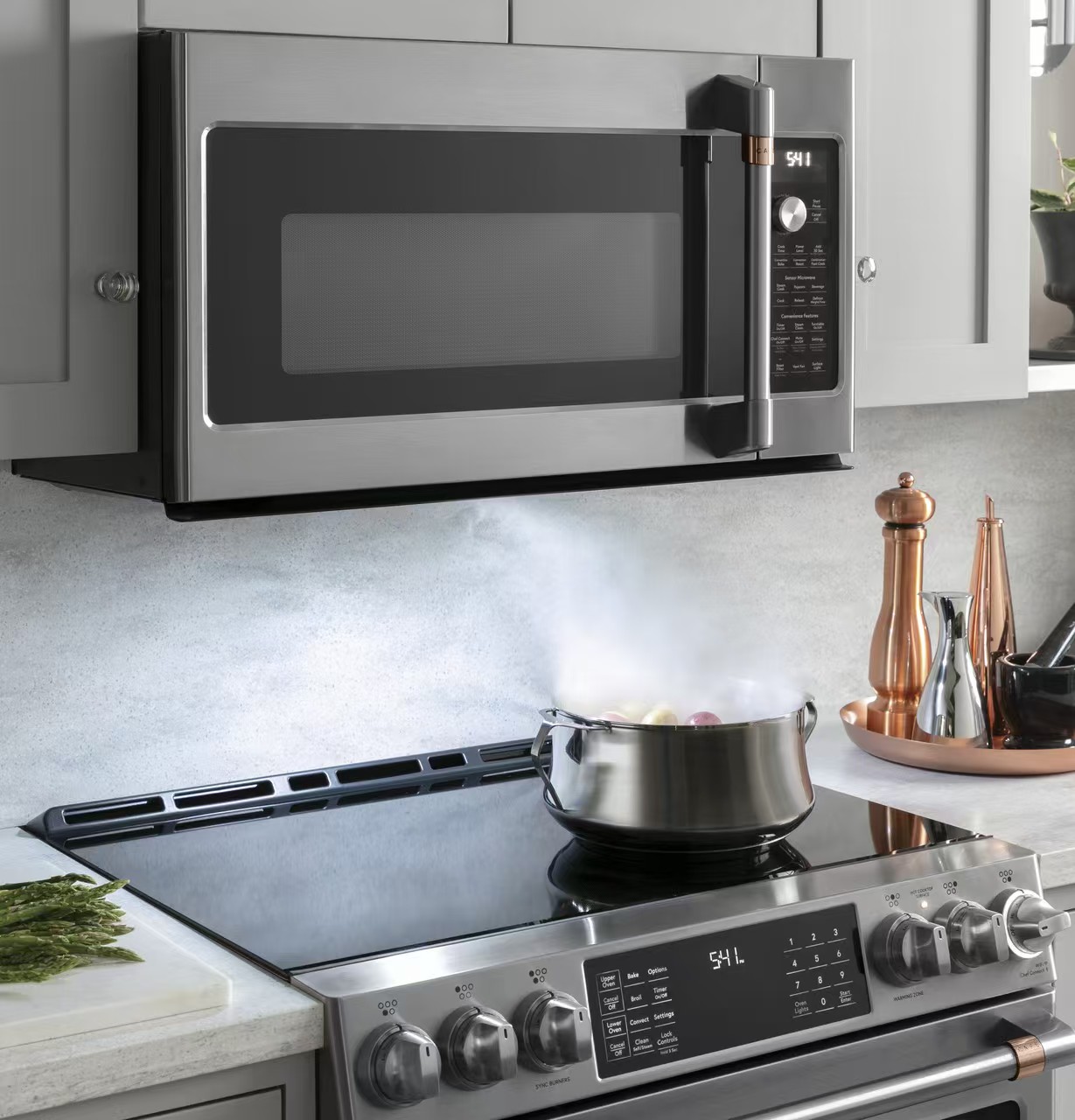
Concave glass ceramic is a unique source for many applications because of its unique shape & useful properties. Popularly used in both optics and appliances, concave glass ceramic is a great option for light gathering or heat resistance. Knowing how concave glass ceramic works will enable you to choose what is best for your needs.
The definition of concave glass ceramic is a material that has an inward-curving surface, which typically has high thermal resistance and durability. The inward curve provides a means of focusing heat and light to one location, which explains its numerous applications in scientific and industrial settings.
A sculpted concave surface that has specific dimensions, either reflects or refracts light depending upon its use. As such, it is the concave glass ceramic that allows the manipulation of light and energy therefore it is a key component for tools such as telescopes, lenses and solar panels.
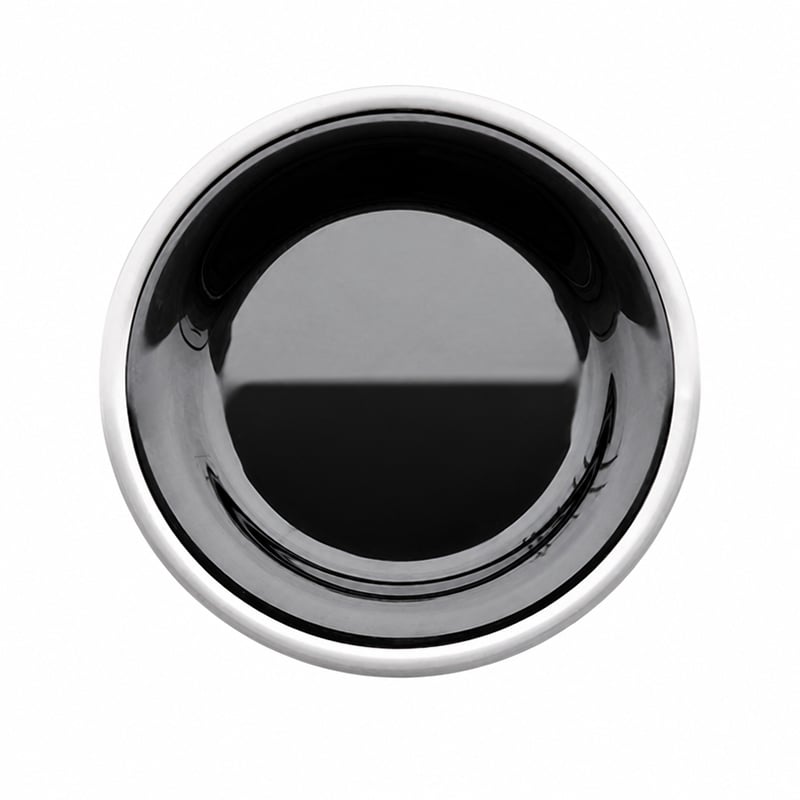
The effectiveness of the design of concave glass ceramic is based on the shape of the item due to its inward curve directing light rays (and heat) to one point (focal point). Therefore, this item can be used in different applications where precise focusing of light as well as thermal conduction is required including:
The following list gives an overview of some of the top reasons to use concave glass ceramic. They include the versatility of its use in both domestic and business applications.
1. Precision Light Focusing Because of its curvature or concavity, light is collected and focused by any concave shaped object onto the same surface point or area (i.e., “to a point”), in a manner that makes it an important material in scientific, exploration, and photographic applications. Concave glass ceramics provide accuracy and clarity when used in optical devices such as telescopes and flashlights.
2. Exceptional Heat Resistance One of the features of concave glass ceramic is its ability to endure extremely high temperatures, which makes it an excellent choice for use in cooking appliances like cooktops and ovens. Because of its durability, concave glass ceramic will not bend or break due to being heated and cooled repeatedly.
3. Versatility across Industries Concave glass ceramics have a variety of application areas other than optics and heating. They can also be used to create decorative products, as well as functional products, in the areas of energy, automotive, and decorative design.
Concave glass ceramic is utilized in various industries owing to its multi-functional properties:
Q: How is concave glass ceramic different from convex glass ceramic? The major difference between concave glass ceramics and convex glass ceramics is their shape and their characteristics. Concave glass ceramics are curved inward and will focus light to one point, while convex glass ceramics are bulged outward and therefore spread out light. Therefore, concave glass ceramics are used when you want to magnify an image or focus light, while convex glass ceramics are preferred for applications with a wide viewing angle.
Q: What industries benefit most from concave glass ceramic? B: Concave glass ceramic is used in a number of industries including optics (microscopes, telescopes), energy (solar panels), and home appliances (glass-ceramic cooktops). The ability to focus light and withstand high temperatures makes it ideal for these industries.
Q: Can concave glass ceramic be customized for specific uses? Customizing the curvature, size, and material properties of concave glass ceramics provides manufacturers with the opportunity to create products that are adapted to specific uses, both in terms of their use in optical applications as well as in industrial environments.
Creating concave glass ceramics necessitates very careful design to produce both the necessary shape and strength of the finished item. Creating a mixture of both glass and ceramic materials is done by applying precise temperature-controlled heating processes to develop a strong thermal, durable and optically clear mixture, which is essential for use in high impact situations.
Compared to conventional ceramics, including all types of glass and ceramics, concave glass ceramic has many advantages over other materials.
The use of concave glass ceramic for interior design and dining purposes is becoming increasingly popular. The use of these sophisticated concave glass cups has both an elegant design and provide functional advantages for keeping drinks at the right temperature with good insulation properties. Due to their robust construction, they can be used for hot or cold drinks and are thus perfectly suited to all modern tableware collections.
From high precision optical instruments to modern interior design, and from heat-resistant kitchenware to hard-wearing kitchenware, concave glass ceramics are a fantastic solution for any application that needs high-temperature resistance, durability, and unique optical properties. Understanding the properties of concave glass ceramics will help you determine if they are the appropriate materials for your purposes. Optically and aesthetically, the variety of applications is practically limitless.