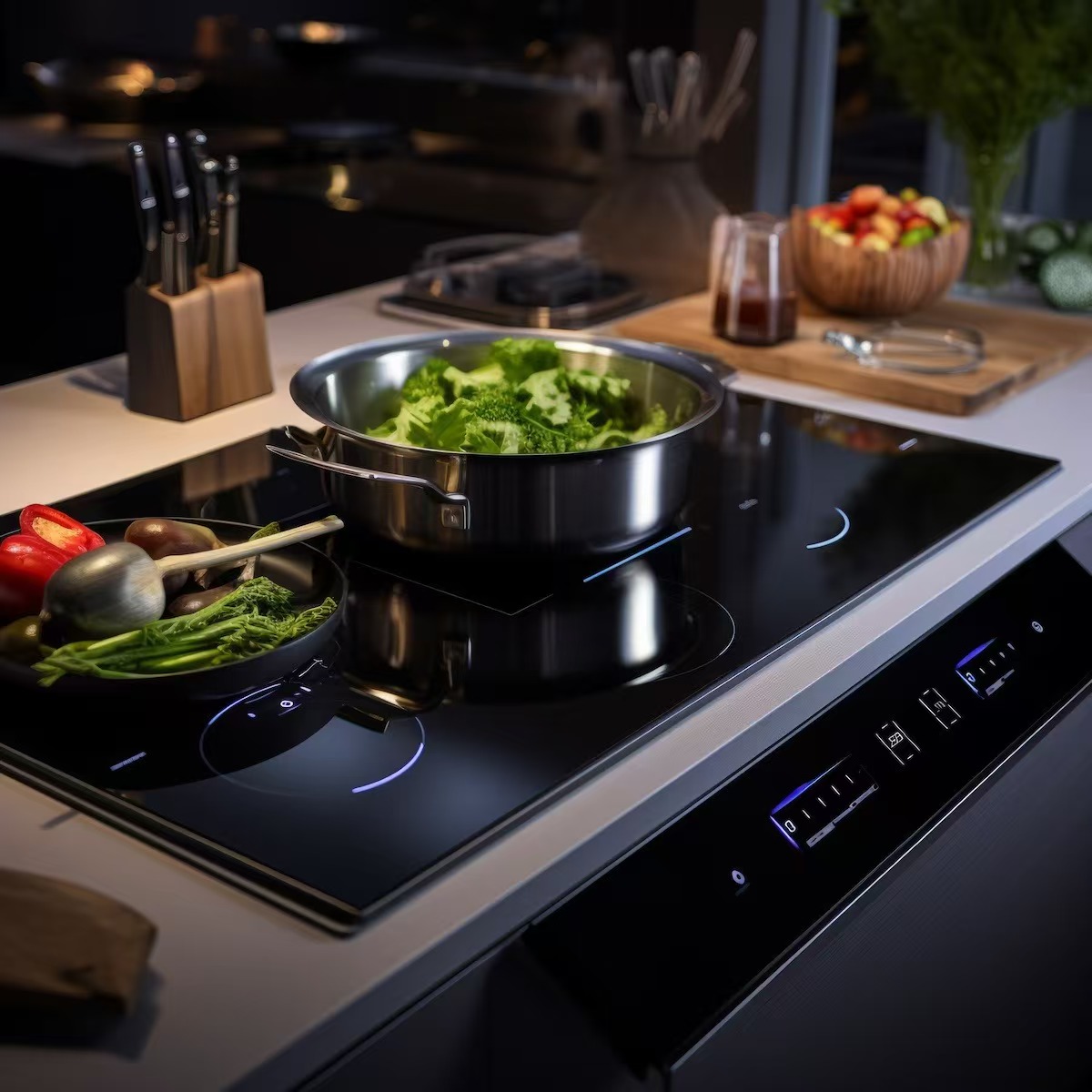
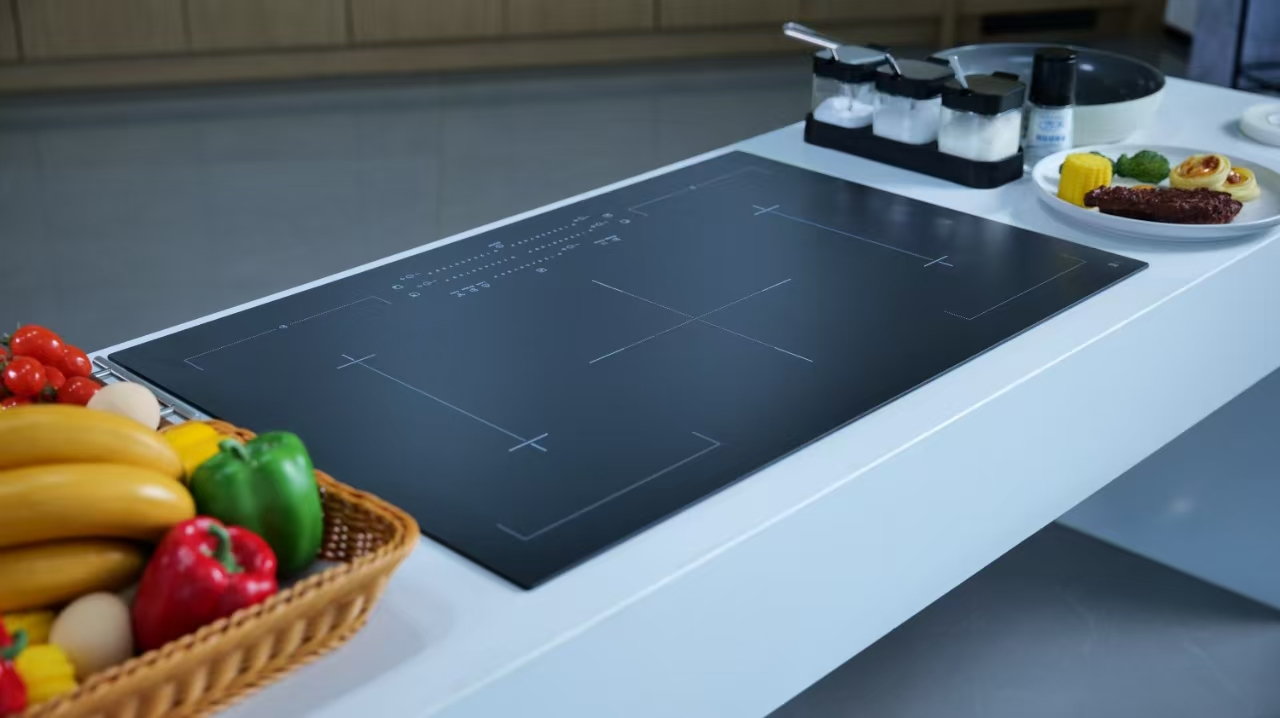
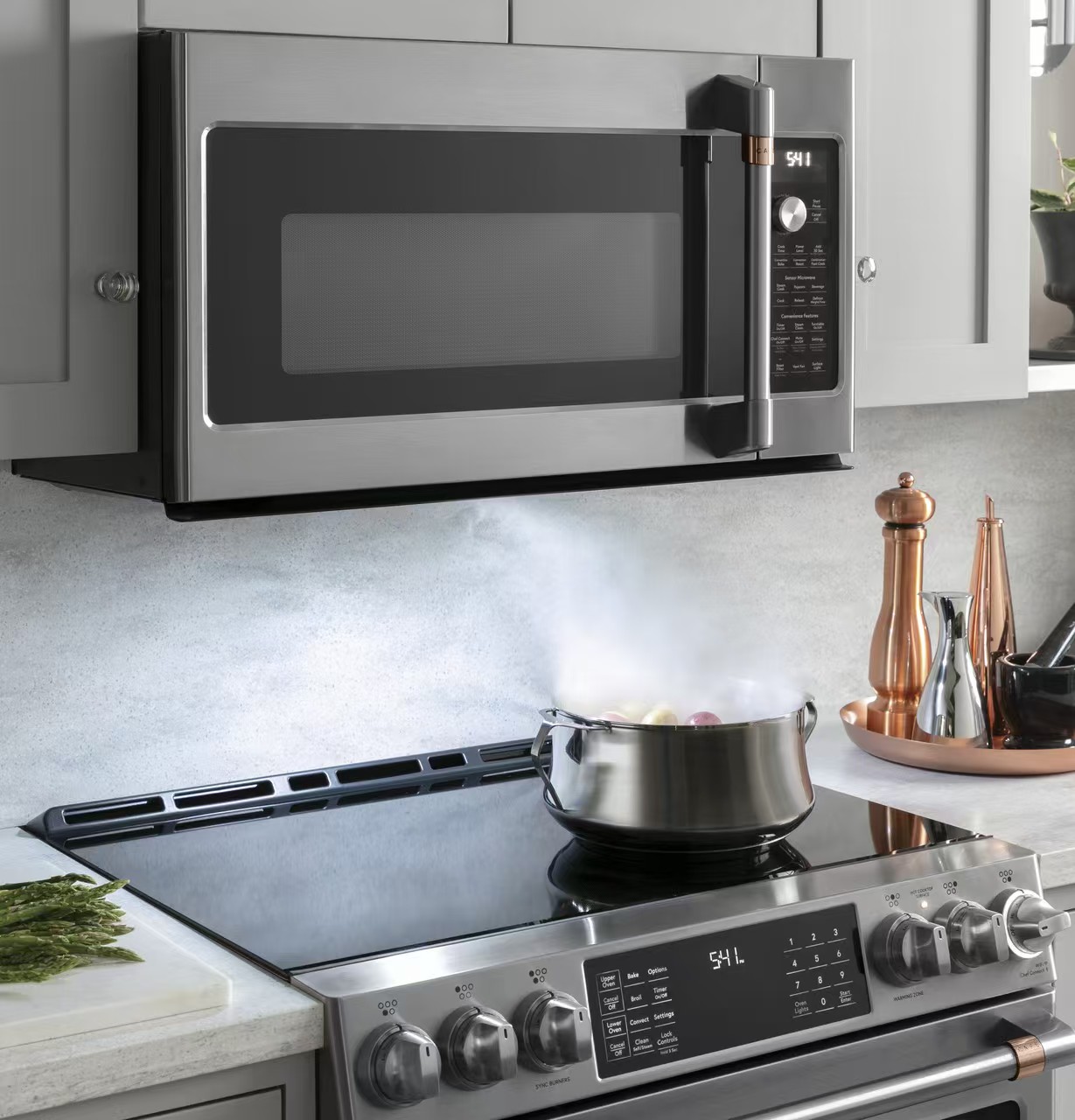
A black induction-panel appearance should be approved against a controlled reference sample and a written review record that identifies the visible surface, print zones, observation conditions, acceptable defect examples, and the person who can release or hold the sample.
“Glossy,” “clean,” and “premium” are useful design words, but none tells a supplier or a quality team what to accept. A release decision becomes repeatable only when the team can look at the same reference under stated conditions and record what is being compared.
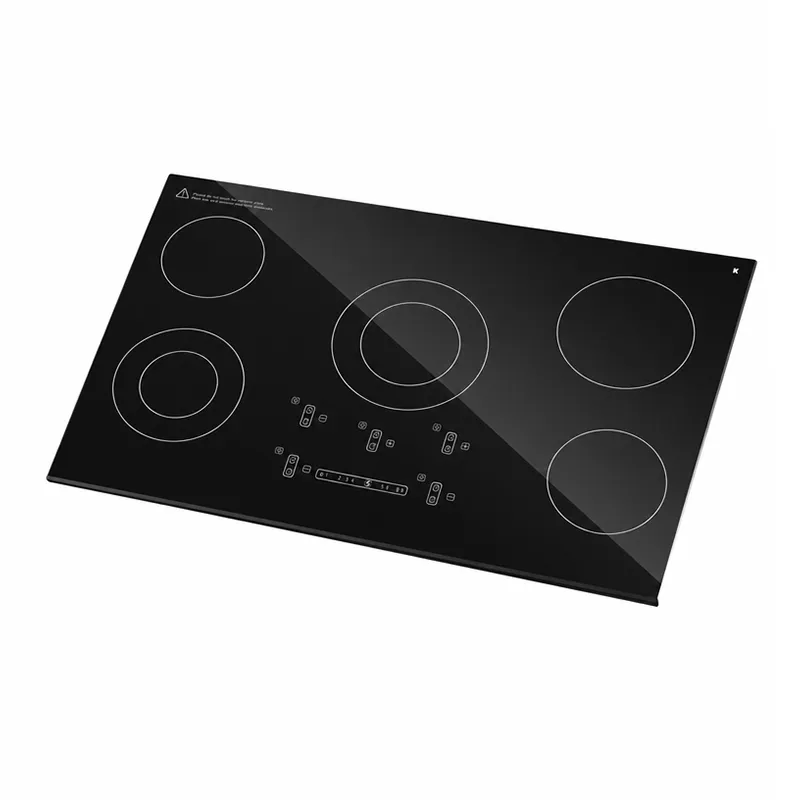
The approval concerns the reader-facing surface of a defined component, not every property of the appliance. It aligns what the sample is meant to look like with the document that records the decision. SCHOTT’s glass-ceramic overview is helpful background on the material class, but it is not a cosmetic limit for another supplier’s panel.
For a black surface, reflections can change the apparent tone and make small marks more or less visible. That is why an OEM should define the reviewed face, the intended print or control areas, and the reference against which observers make a decision.
Important: A visual approval is not evidence that the panel meets thermal duty, electrical performance, edge-strength, appliance-certification, or full-assembly requirements. Keep those decisions in the controlled engineering review. — Source: ISO standards catalogue
Start with an identified sample that the buyer and supplier can both name. A photograph may support communication, yet it rarely captures every reflection, print contrast, or edge transition. The record should say which physical sample, revision, and visible face were reviewed.
| Review-record field | Why it belongs in the approval |
|---|---|
| Reference sample identifier | Connects the visual decision to a traceable sample. |
| Drawing or artwork revision | Prevents the team from reviewing an outdated zone layout. |
| Reviewed surface and orientation | States which face and installed direction observers judged. |
| Print and control-area callouts | Separates decorative marks from unprinted black areas. |
| Accepted and rejected examples | Converts vague defect language into observable examples. |
| Release owner and date | Records who can accept, reject, or request another review. |
This table is the RFQ input for appearance review; it is not a universal factory inspection plan. Where a buyer needs a project standard, attach the requirement to the project specification rather than assuming it from a material name.
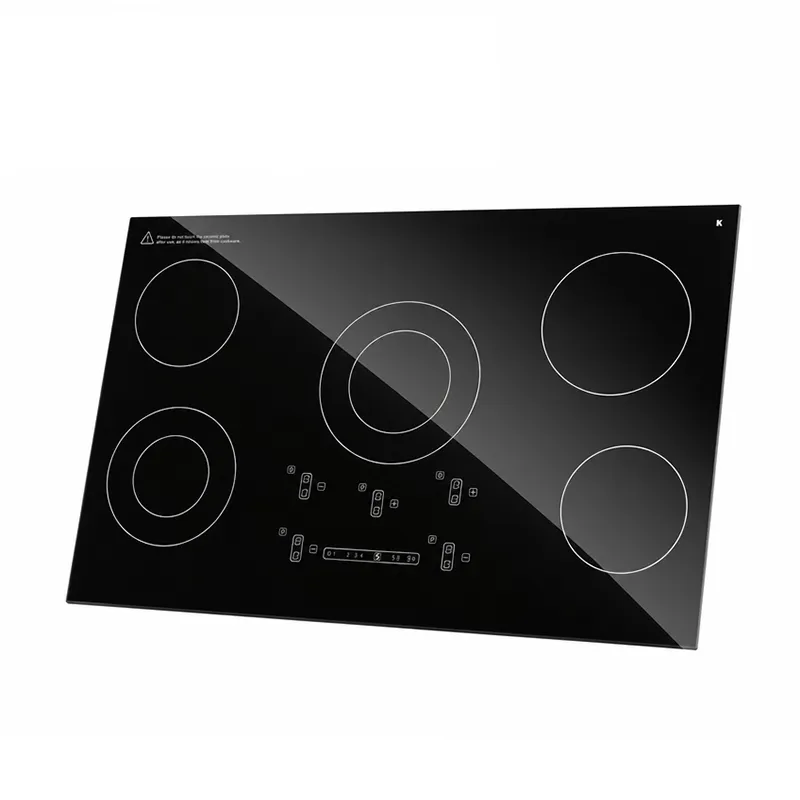
Treating the whole panel as one undifferentiated black rectangle hides the places where appearance risks differ. The central cooking field, printed symbols, control area, perimeter reveal, and any customer-visible opening can need different reference examples.
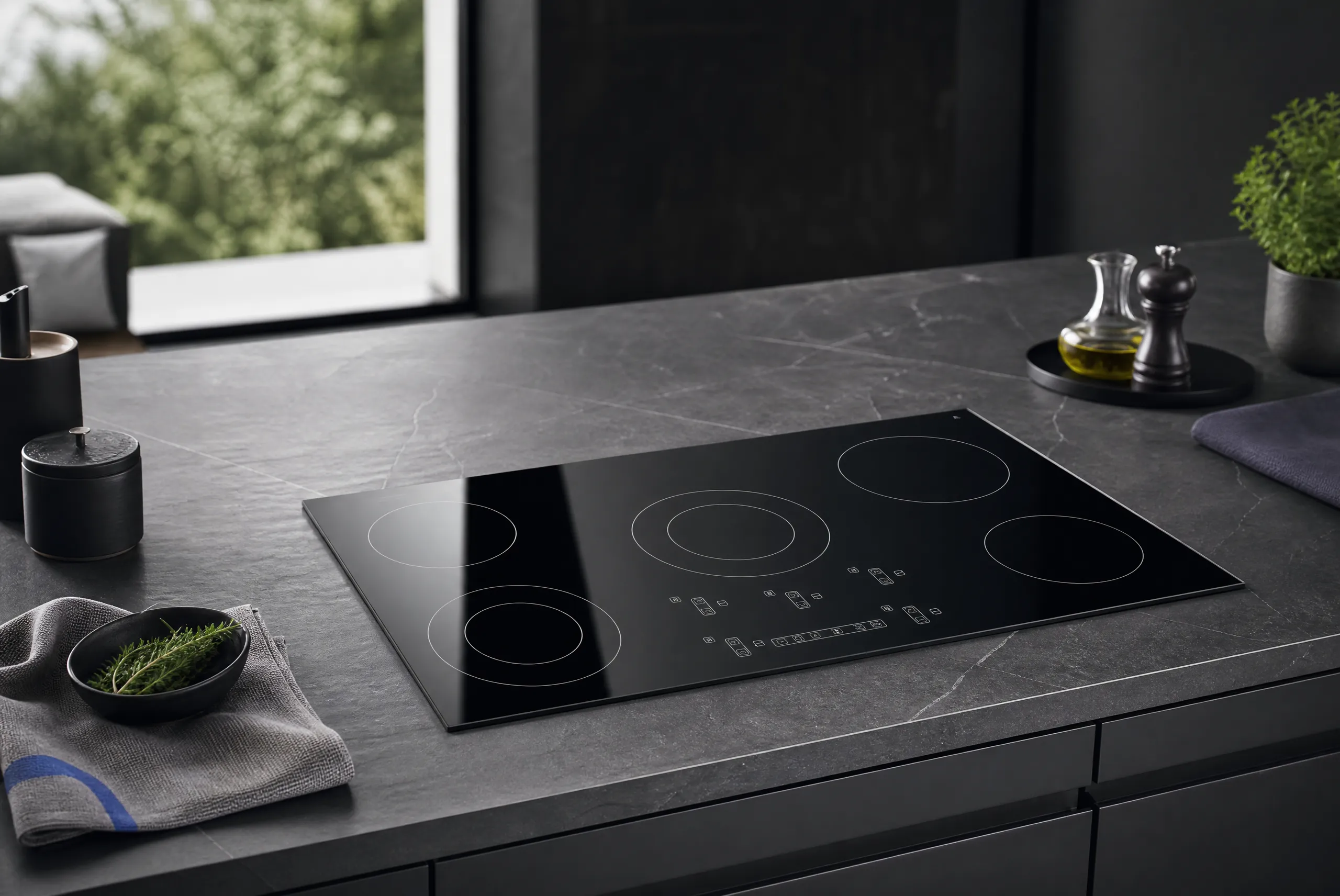
| Visible area | Review question | Avoid this shortcut |
|---|---|---|
| Main black field | Does the observed surface match the approved reference under the stated conditions? | Calling it simply “black.” |
| Printed zones | Are symbols, lines, and contrast reviewed against the current artwork? | Treating print as part of an unspecified gloss description. |
| Control area | Are marks readable and positioned as the approved layout shows? | Judging it from a distant overall photo only. |
| Perimeter reveal | Does the customer-visible border match the intended assembled presentation? | Using an unmounted sample as the only fit evidence. |
| Openings or cutouts | Are the visible transitions documented where the drawing shows a feature? | Assuming a cosmetic decision covers dimensional acceptance. |
For a broader program-level discussion, see the cooktop-panel color architecture review. It does not replace this sample-specific approval record.
Light direction, observer distance, panel orientation, and the surrounding surface can alter how a black panel appears. A useful record states conditions plainly enough that another reviewer can repeat the observation without turning a personal impression into a pass/fail rule.
| Viewing condition | What to record | Decision benefit |
|---|---|---|
| Light setup | The agreed lighting situation used for the comparison. | Reduces disagreement caused by changing reflections. |
| Observation angle | The installed or agreed viewing direction. | Keeps glare-sensitive observations comparable. |
| Distance and handling state | Whether the panel is mounted, clean, protected, or loose. | Separates transport marks from the approved presentation. |
| Reference placement | How the sample is positioned relative to the review piece. | Makes side-by-side comparison possible. |
| Escalation route | Who receives an uncertain finding. | Stops an appearance dispute from becoming an undocumented release. |
ASTM’s C1036 page illustrates why material and inspection terminology should be tied to the applicable document. It does not make a black cooktop panel compliant with that standard.
Move a finding out of cosmetic approval when it may affect a feature beyond appearance. A mark close to a printed functional area, an unusual transition at an opening, or a difference that appears only after mounting may need the drawing owner or engineering team to decide what it means.
The right question is not “Can quality overlook this?” It is “Does this observation conflict with the approved sample, artwork, drawing, or assembly presentation?” If the answer is uncertain, hold the release until the responsible owner gives a documented disposition.
This boundary also protects the supplier relationship. Appearance review can identify what is seen; it should not be used to infer heat performance, electrical behavior, or certification that has not been separately evaluated.
Disputes often start before inspection. A rushed team may call a photo the master reference, approve a surface before artwork is frozen, or compare a loose panel with a mounted appliance without stating the difference.
Avoid these habits:
For thickness and edge requirements that need their own evidence, use the black panel thickness and edge-finish guide.
When the reference, visible zones, and review record are ready, route the inquiry to the black glass-ceramic cooktop panel route. Send the approved record with the controlled drawing and state what still needs supplier confirmation.
An inquiry should identify the panel program, drawing revision, review sample, artwork status, and any unresolved finding. If the application is actually infrared, white decorative, shaped, or another appliance component, begin at the KANGER products overview rather than forcing it into the black induction route. For a reviewed project, send the controlled appearance record for review.
A photo can document a discussion, but it should not be the only master reference when reflection, print contrast, and viewing angle matter. Use an identified sample and state the review conditions.
Record the sample identifier, current drawing or artwork revision, reviewed face, visible zones, observation conditions, accepted and rejected examples, release owner, and date. Add project-specific requirements only when they are defined by the buyer.
Yes. Printed symbols and control marks can have different visual questions from the unprinted black field, so identify them separately in the review record.
No. A word such as glossy does not show the observer which reference, lighting, angle, or visible difference determines acceptance.
Escalate when the observation may affect a drawing feature, artwork, mounting presentation, or another requirement that visual review alone cannot resolve.
No. This article covers the appearance-approval process. Review dimensional and edge requirements separately in the black panel thickness and edge-finish guide.