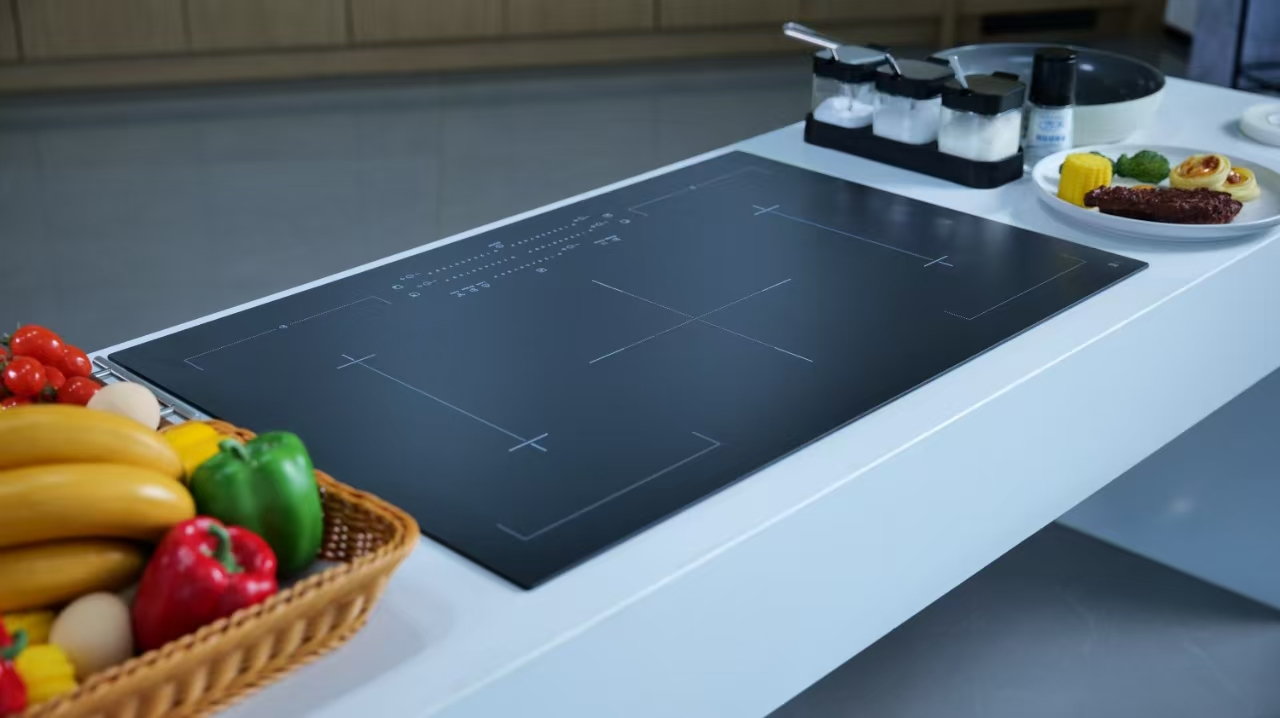
Cooktop-panel color architecture should be reviewed as a controlled relationship between appearance zones, component geometry, and the project’s approval reference. A request for “black,” “white,” or “transparent” alone does not identify how the design will be evaluated on the finished panel.
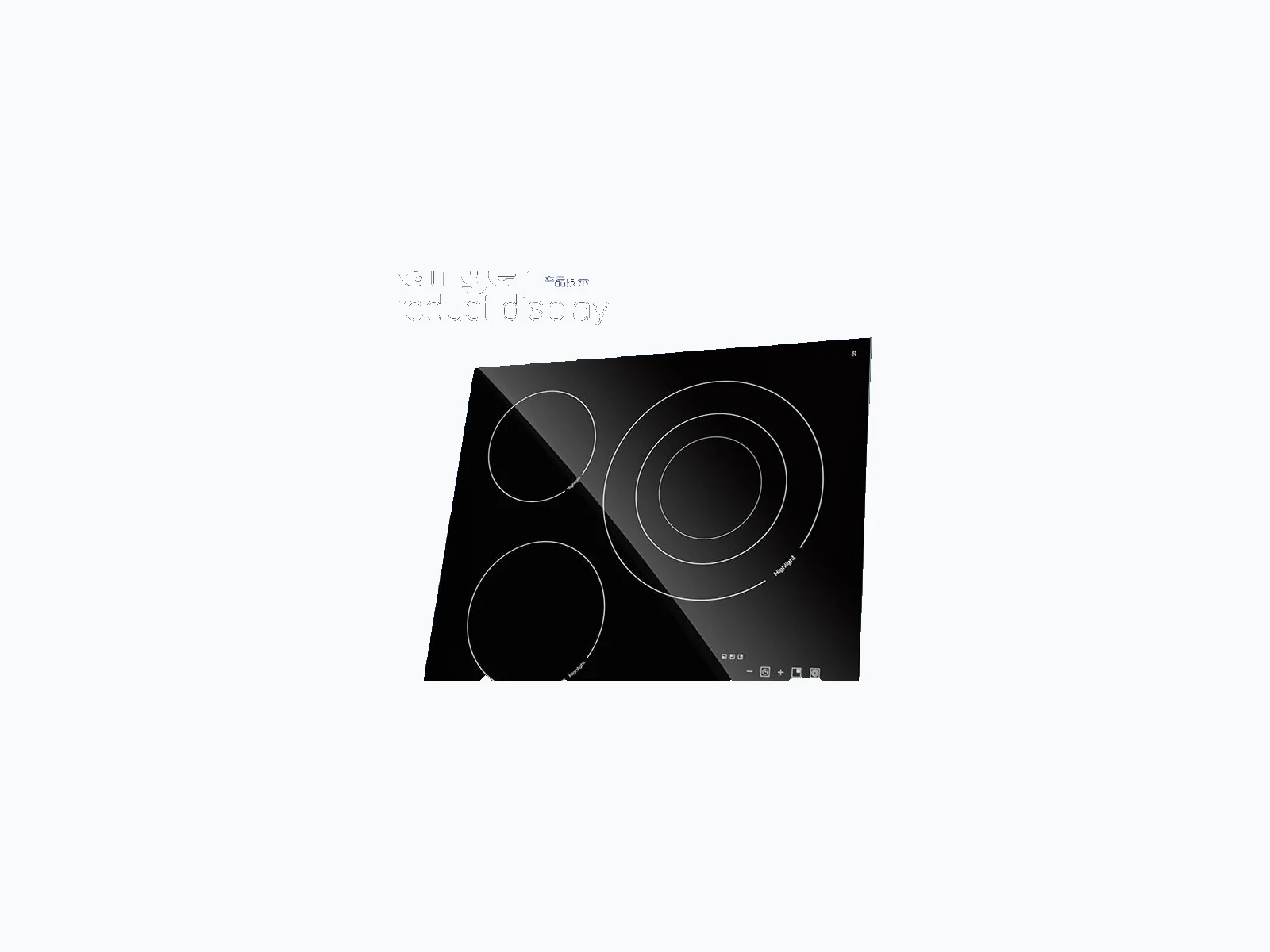
An OEM color decision starts with the panel drawing. The team needs to identify the appearance zones, the appliance features that cross or border those zones, and the reference that will be used to review a proposed component. This is different from choosing a material category or quoting a single colour word.
| Decision element | Buyer defines | Why it matters |
|---|---|---|
| Panel role | Appliance position and released component | Connects appearance to the actual part |
| Colour-zone map | Areas with distinct visual intent | Avoids a vague whole-panel description |
| Interface relationship | Controls, cutouts, edges, or supports near a zone | Makes relevant assembly context visible |
| Approval reference | Sample, drawing note, or review record | Gives the team a common decision basis |
Important: A colour reference is not a performance, compatibility, or production approval. SCHOTT’s glass-ceramic materials overview provides material context within its own scope; it should not be used to transfer appearance or capability claims to a Kanger part.
Map visual intent where it matters. A panel may have a main field, control zone, perimeter, marking area, or observation area, but the exact map must come from the project. Keeping each area distinct helps buyers see whether a proposed review sample answers the right question.
| Zone or relationship | Reference to provide | Do not assume |
|---|---|---|
| Main visual field | Marked drawing region | A general colour name defines every area |
| Control-adjacent area | Relevant layout or interface view | Control placement is unrelated to appearance review |
| Perimeter | Edge and border detail | The field appearance continues unchanged to every edge |
| Marking or artwork area | Ownership and project reference | A prior program’s artwork is approved here |
| Sample context | Review lighting or comparison condition, if defined | A screen image is an acceptance reference |
The articles on white-panel colour lots and black-panel thickness and edge finish address different decisions. Use them as related reading while keeping the colour-zone map tied to this specific panel.
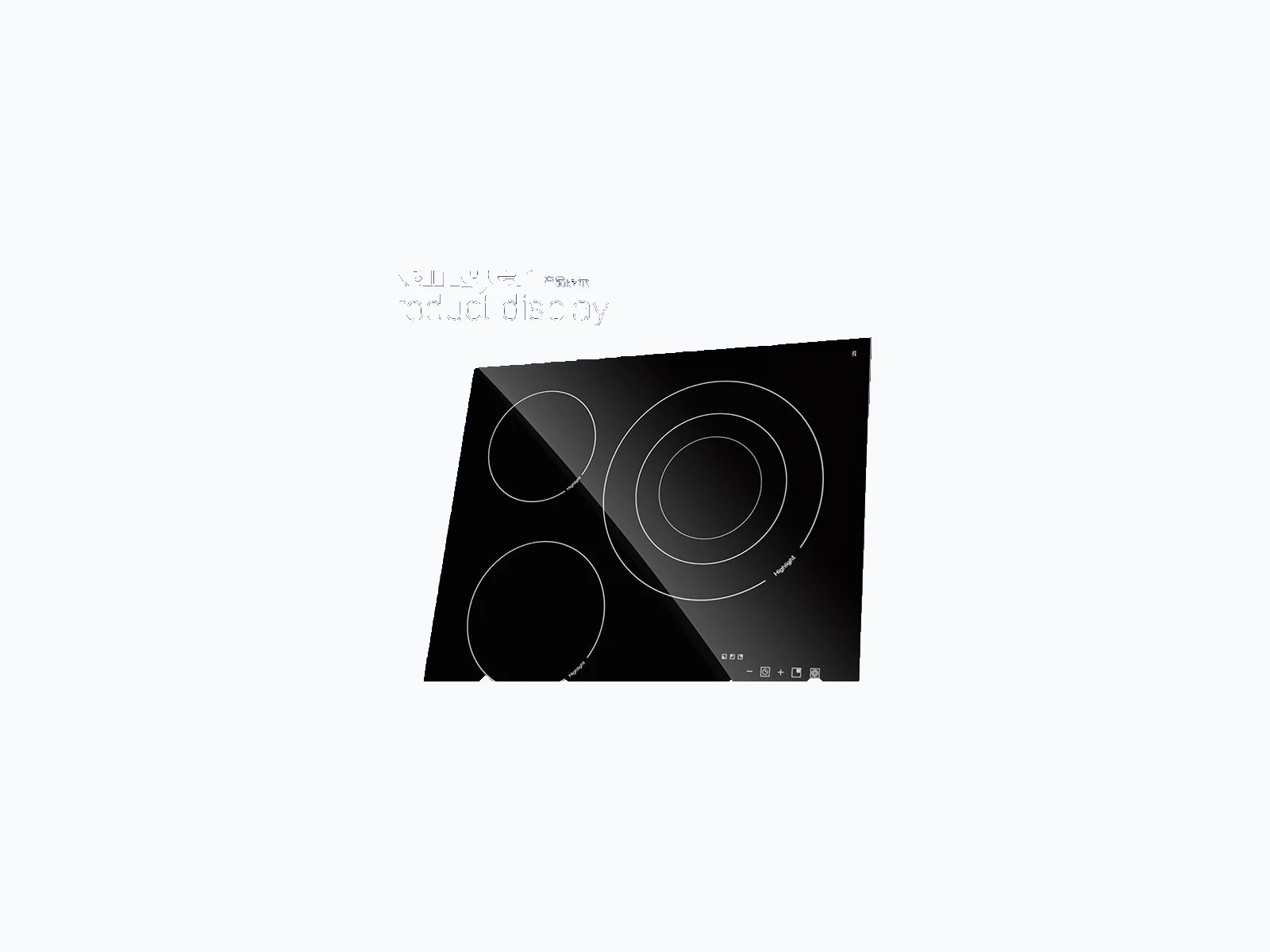
Send the colour-zone map with the current drawing. The package should show what the buyer is asking to review and invite the supplier to state the basis on which a proposal can be made.
| RFQ input | Buyer defines | Attach to RFQ | Supplier response |
|---|---|---|---|
| Panel identity | Appliance role and revision | Released drawing set | Confirm document basis |
| Colour-zone map | Marked visual areas | Drawing or controlled reference | State whether each area is understood |
| Interface views | Adjacent controls, cutouts, or edges | Relevant detail views | List assumptions affecting the proposal |
| Review reference | Sample, record, or decision stage | Named project reference | Explain what evidence can be supplied |
| Open design point | Owner and decision needed | Explicit issue list | Identify the impact of remaining uncertainty |
Compare proposed panels only when the responses refer to the same released package. A response should identify the drawing issue, the colour-zone interpretation, any limitation of the review material, and an assumption that could change the scope.
| Reply item | What it clarifies | Buyer action |
|---|---|---|
| Document revision | Which design basis was reviewed | Confirm it is current |
| Zone interpretation | How the proposed scope addresses visual areas | Resolve a different reading before comparison |
| Interface assumption | A condition missing from the RFQ | Return it to the project owner |
| Evidence limitation | What the supplier cannot establish | Keep it outside final approval |
A brochure image, a historical sample, or material literature may aid discussion. None replaces the controlled project reference for the panel being sourced. Keep a visible boundary between illustration, the supplier’s proposal, and the acceptance decision.
| Evidence type | Useful role | Boundary |
|---|---|---|
| Project drawing | Defines component geometry and zones | Needs supplier interpretation |
| Approved reference | States the team’s comparison basis | Must be tied to the current project |
| Supplier proposal record | Explains the offered scope | Requires project review before acceptance |
| Public product route | Opens a Kanger inquiry | Does not guarantee colour or application fit |
| Request state | Next action |
|---|---|
| Released drawing, zone map, and review reference are available | Send a colour-architecture inquiry |
| Only a colour word is supplied | Define the component and visual zones first |
| Control placement or edge detail is unsettled | Hold the review until the drawing is controlled |
| A durability, certification, or compatibility statement has no part-specific evidence | Exclude it from approval |
| The request concerns a consumer replacement or architectural finish | Use a separate workflow |
Use Kanger glass-ceramic product routes when the project package is ready for a component review. Include the current drawing, zone map, reference material, relevant interfaces, and unresolved decisions.
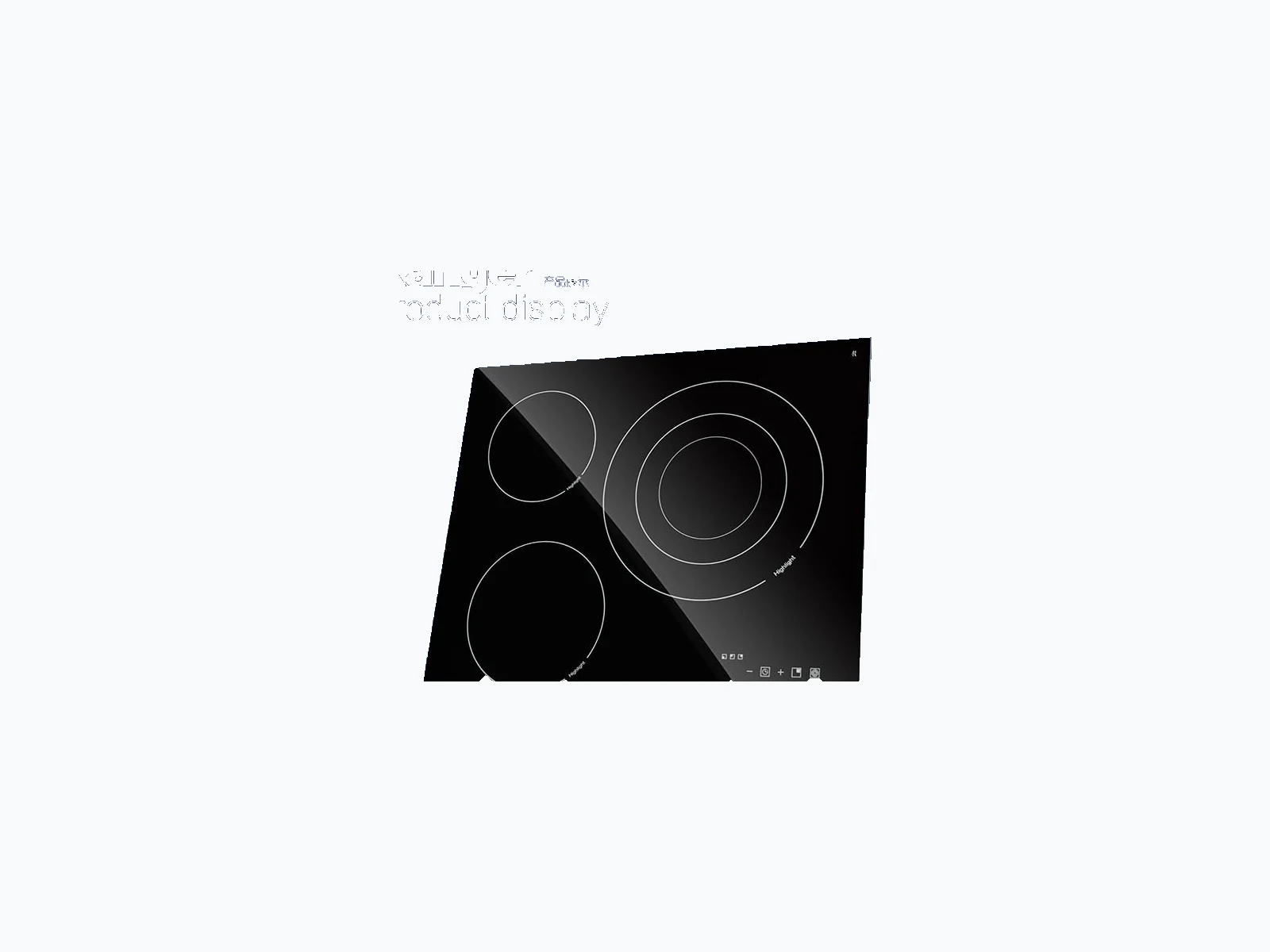
This route fits a controlled OEM inquiry. It is not a promise of matching, printing, durability, certification, lead time, or compatibility for a particular cooktop. Contact Kanger with the defined package for review.
What does cooktop-panel color architecture mean in an RFQ?
It means the buyer identifies the panel’s visual zones, their drawing relationships, and the reference used to review the proposed component.
Why is a single colour name not enough?
It does not show which zones are controlled, how they relate to interfaces, or what the team will use as its approval reference.
What should accompany the colour-zone map?
Send the current drawing revision, relevant interface views, the named review reference, and any open design decisions.
What should suppliers record in their response?
They should record the drawing basis, their zone interpretation, assumptions, and any limit on the requested review evidence.
Can a previous sample approve a new project?
No. It may inform discussion, but the new panel needs a project-specific reference and review.
When should Kanger receive the inquiry?
Send it after the component drawing, colour-zone map, interface information, and review request are ready.