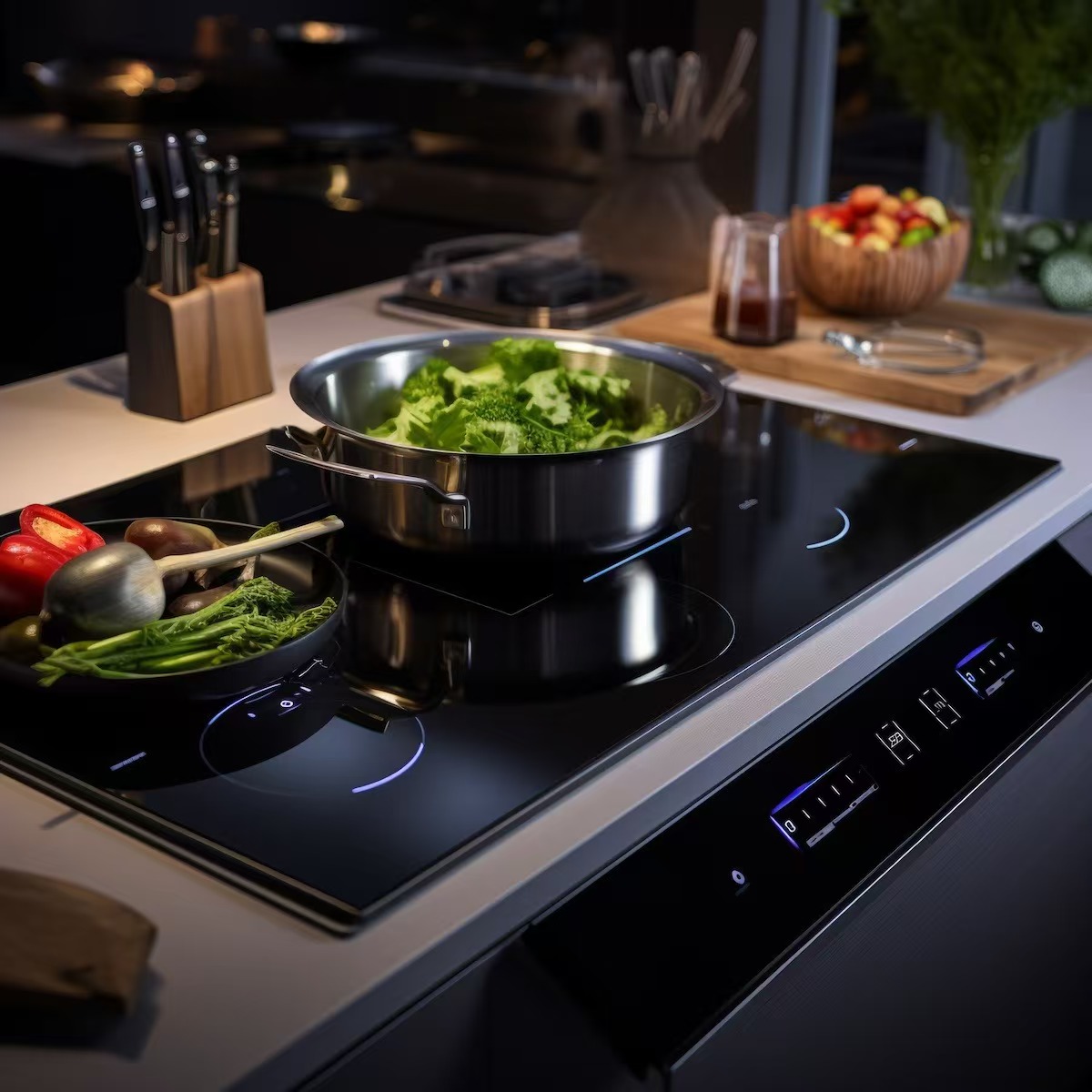
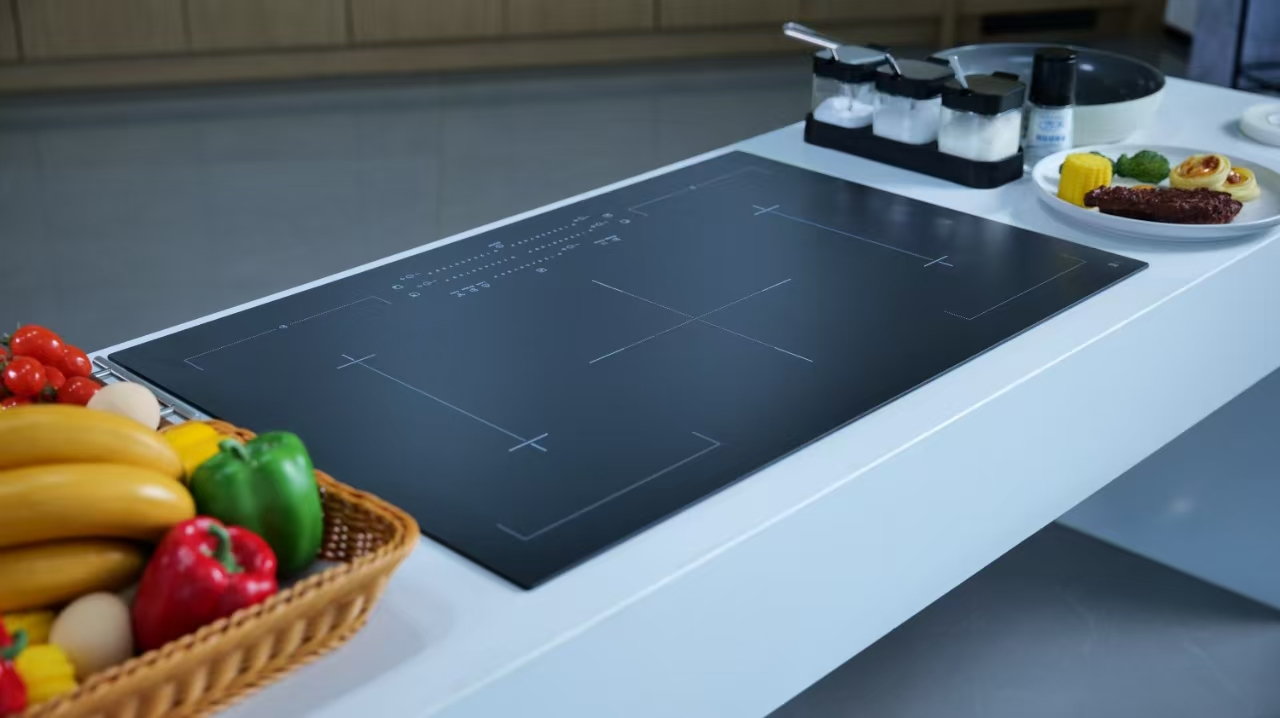
OEMs should specify transparent chemically resistant glass ceramic by tying acid, alkali, and hydrolytic evidence to the real exposures on a fireplace, observation, or clear-display panel—including combustion chemistry, approved cleaners, and the clarity the window must keep. This article maps the test vocabulary buyers actually need, the cleaner mistakes that leave permanent haze, the drawing fields that protect the panel in the frame, and where Kanger’s transparent glass-ceramic line fits once the RFQ is complete.
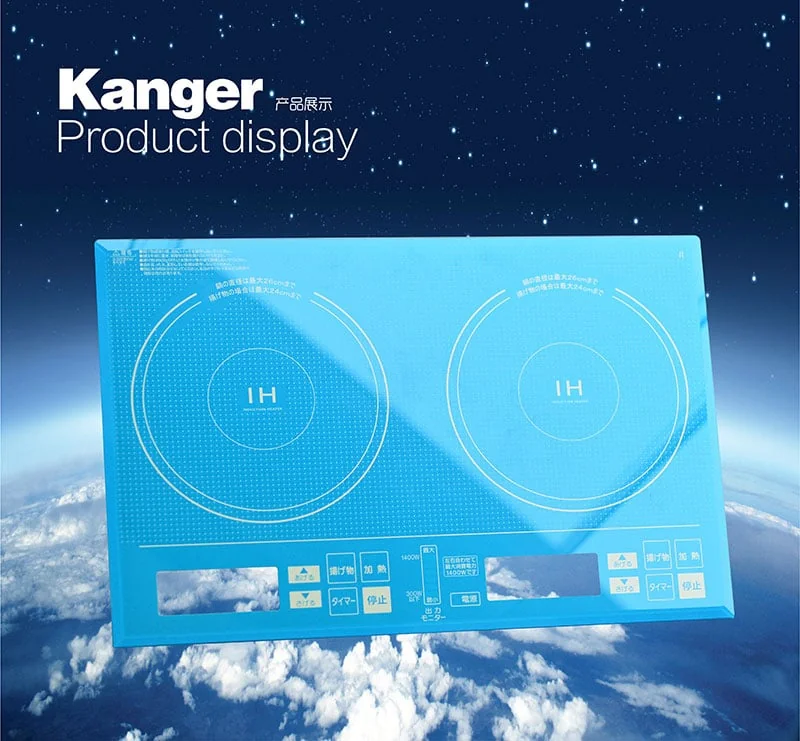
It is a clear, heat-capable glass-ceramic specified for viewing duty, where chemical durability and optical clarity have to succeed together. Buyers use it on a transparent glass ceramic fireplace door, heating-appliance observation windows, and selected clear-display or inspection assemblies—not as a shorthand for every glass-ceramic cooktop spill question.
Professionally, the material sits in the lithium-aluminosilicate glass-ceramic family used for fire-viewing panels: near-zero expansion under heat, enough toughness for a framed door or window, and a published path for documenting resistance to water, acids, and alkalis. In plain language, you are buying a clear window that must stay readable after heat cycles and after the chemicals that show up in the firebox or the cleaning cabinet.
A useful scene is a gas or wood fireplace door RFQ that only says “chemically resistant glass.” Without the viewing job, the supplier cannot tell whether you care about soot and cleaner haze, process vapors on an observation port, or a kitchen cooktop spill matrix. Lock the application first; then attach chemical fields.
Ask for acid, alkali, and hydrolytic evidence tied to the exact grade offered—not a slogan on a catalog cover. For chemically resistant glass ceramic in a viewing role, industry fire-viewing documentation commonly references ISO 719 (hydrolytic resistance), DIN 12116 (acid resistance), and ISO 695 (alkali resistance). Those names give both sides a shared language for comparing quotes.
Classes are not interchangeable across every transparent or colored variant. Technical tables for industrial glass-ceramic platforms show that a transparent grade can carry a different acid class than an opaque white grade under the same DIN 12116 framework. Treat “chemically resistant” as a claim that needs a grade-specific report, not a universal badge you can paste from another color or product family.
| Test family | What it stresses | What to ask on the RFQ |
|---|---|---|
| ISO 719 (hydrolytic) | Water / hydrolytic attack | Request the hydrolytic class or equivalent evidence for the offered transparent grade |
| DIN 12116 (acid) | Acid attack on the surface | Request the acid class and the test condition used for that grade |
| ISO 695 (alkali) | Alkaline attack | Request the alkali class for the same grade used in the quotation |
Keep third-party class numbers on the sources that published them. Your RFQ should demand evidence for the panel you will buy, under the exposures you declare next.
Name the chemicals the panel will see in service and in maintenance, because lab class labels alone do not describe every firebox or cleaning cabinet. Fireplace technical literature notes that even durable fire-viewing glass-ceramic can show surface change under critical conditions such as corrosive combustion gases and acid formation at high temperature. If your appliance burns wood, pellets, gas, or oil, write that fuel chemistry into the RFQ instead of hoping “chemical resistant” covers it.
Cleaners are a second exposure path. On Hearth.com, owners repeatedly warn that ammonia-based household glass cleaners can etch ceramic stove glass and leave a permanent haze. One thread starter asked how to clean glass “besides windex,” then admitted the new stove glass had already been cleaned with Windex twice because the manual only said “nonabrasive.” Replies were blunt: manufacturers often require ammonia-free cleaners on pyroceramic glass, and ammonia can make the glass milky.
From the field: Community owners report permanent haze after ammonia cleaners on ceramic fireplace or stove glass—even when the cleaner is non-abrasive. Put approved and forbidden cleaners in the service section of the RFQ, not only in a consumer manual appendix.
Source: Hearth.com — Keeping Glass clean
Declare at least:
Important: A high acid or alkali class on a datasheet does not cancel a combustion-gas or cleaner failure mode — Source: Glass Materials | Precizika Metrology; Hearth.com Keeping Glass clean. List both the lab evidence you want and the in-service chemicals you expect.
A panel that “passes chemistry” but milks over still fails a transparent viewing RFQ. Clear-display and fireplace buyers buy flame view, process view, or branded light transmission. Haze from etching, aggressive exhaust, or wrong cleaners is a functional failure, not a cosmetic footnote.
State the visibility requirement in engineering terms the supplier can quote against: required clear aperture, acceptable haze or transmission after stated cleaning cycles, printing or coating keep-out zones, and whether the outer face, inner face, or both must stay optically clean. Pair that language with the chemical exposures above so the quotation is not split into an optical sheet and a separate “chemical” sheet that never meet.
When coatings are part of the design—some hearth glass programs use heat-reflective coatings that also change soot adhesion—write the coating as its own line item. Cleaning chemistry that is safe on bare glass-ceramic may not be safe on a coated face.
Size and chemistry are not enough if the frame clamps a near-zero-expansion panel like ordinary window glass. Fire-viewing glass-ceramic guidance stresses differential expansion between the panel and framing materials, permanently elastic seals, even contact pressure, and no direct metal-to-glass point loads. Failures that look like “bad glass” sometimes start as edge stress or seal crush.
Carry these fields on the controlled drawing package:
Kanger’s transparent hub already asks buyers to state application, panel dimensions, thickness, edge finish, frame or gasket interface, required visibility, and thermal evidence before comparing quotations. For this topic, extend that list with chemical-test evidence requests and cleaner chemistry limits so the RFQ matches a chemically stressed viewing panel.
This page owns transparent viewing panels. Cooktop chemical-resistance articles own kitchen spill and cleaner exposure on opaque or cooktop-facing glass-ceramic.
If your buy is grease, sauce, and daily cooktop cleaners on an induction or infrared panel, use the cooktop chemical-exposure documentation path—for example What chemical exposure should cooktop RFQs document? and Which questions separate chemical-resistance claims from cooktop selection?. Reusing those briefs for a fireplace door or observation window skips combustion gases language, ammonia/cleaner haze risk on clear glass, and the visibility fields a transparent RFQ needs.
Kanger’s transparent hub states the same route boundary in product language: do not use a fireplace observation-window brief as a substitute for a black cooktop, white cooktop, oven-door, or architectural-glass specification. Keep the drawing’s finished appliance duty in charge of the line you open.
Use one checklist so chemical, optical, and interface fields travel together.
| Field group | What to put on the RFQ | Why it matters |
|---|---|---|
| Application | Fireplace door, observation window, clear display, or inspection window | Locks viewing duty vs cooktop duty |
| Chemical evidence | Acid / alkali / hydrolytic evidence for the offered grade | Replaces slogan-level “chemically resistant” |
| Service chemistry | Fuel/process atmosphere; soot/condensate expectations | Captures combustion-gas and process vapor risk |
| Cleaners | Approved and forbidden chemistries (esp. ammonia glass cleaners) | Prevents permanent haze from maintenance |
| Optics | Clear aperture, haze/visibility acceptance, coatings | Couples chemistry to the reason the panel is transparent |
| Geometry | Size, thickness, edge, holes | Quoteable blank definition |
| Interface | Frame, gasket, compression, orientation | Protects near-zero-CTE glass in the door |
| Thermal evidence | Duty cycle / thermal test evidence required for the appliance | Completes the hub’s existing RFQ list |
If any row is blank, the quotation is not ready for apples-to-apples comparison.
Choose the Kanger transparent glass-ceramic product on the transparent glass-ceramic for fireplace and clear-display panels page when the RFQ is a viewing panel that must combine heat duty, visibility, and chemical durability language in one package. The line is positioned for fireplace doors, observation window glass ceramic assemblies, and selected inspection-window programs where those inputs are specified together.
Bring the completed checklist—not a one-line “chemically resistant transparent ceramic glass” email. If the program is instead a black or white cooktop spill RFQ, stop and open the matching cooktop line. When the drawing package is ready, contact Kanger with the application and evidence list so the quotation starts from the same fields you used to compare suppliers.
It means the offered glass-ceramic grade has documented resistance behavior under agreed acid, alkali, and hydrolytic tests, and that behavior is judged against the combustion, process, and cleaner exposures on a clear panel. It does not mean every transparent panel shares one universal class.
Ask for evidence aligned with common glass-ceramic chemical-resistance frameworks: hydrolytic resistance (ISO 719 family), acid resistance (DIN 12116), and alkali resistance (ISO 695). Require the supplier to map those results to the exact grade on the quotation.
Yes. Technical notes for fire-viewing glass-ceramic warn that corrosive combustion gases and acid formation at high temperature can change surfaces in critical cases. Declare fuel and atmosphere on the RFQ.
Often no. Fireplace and stove communities report etching and permanent haze from ammonia cleaners, and responders cite manufacturer ammonia-free guidance for pyroceramic glass. Specify ammonia-free maintenance chemistry unless the coating and grade documentation say otherwise.
Add chemical-test evidence, service chemistry, cleaner limits, required visibility, edge finish, frame/gasket interface, orientation, and thermal evidence. Size alone cannot compare chemical or optical risk.
Cooktop articles document kitchen spill and cleaner exposure on cooktop panels. This guide documents chemical durability for transparent fireplace, observation, and clear-display RFQs where haze and combustion chemistry dominate.
Because haze is how chemical attack shows up on a viewing panel. A clear aperture or transmission acceptance criterion turns “looks cloudy” into a quoteable requirement.
When the finished part is a fireplace door, observation window, or clear-display/inspection panel and the checklist above is filled. Use cooktop chemical articles and cooktop product lines when the duty is a cooking surface.
Humanizer audit: PASS
Second-pass fabrication check: No new facts, numbers, quotes, or citations were added beyond Research and Brief.