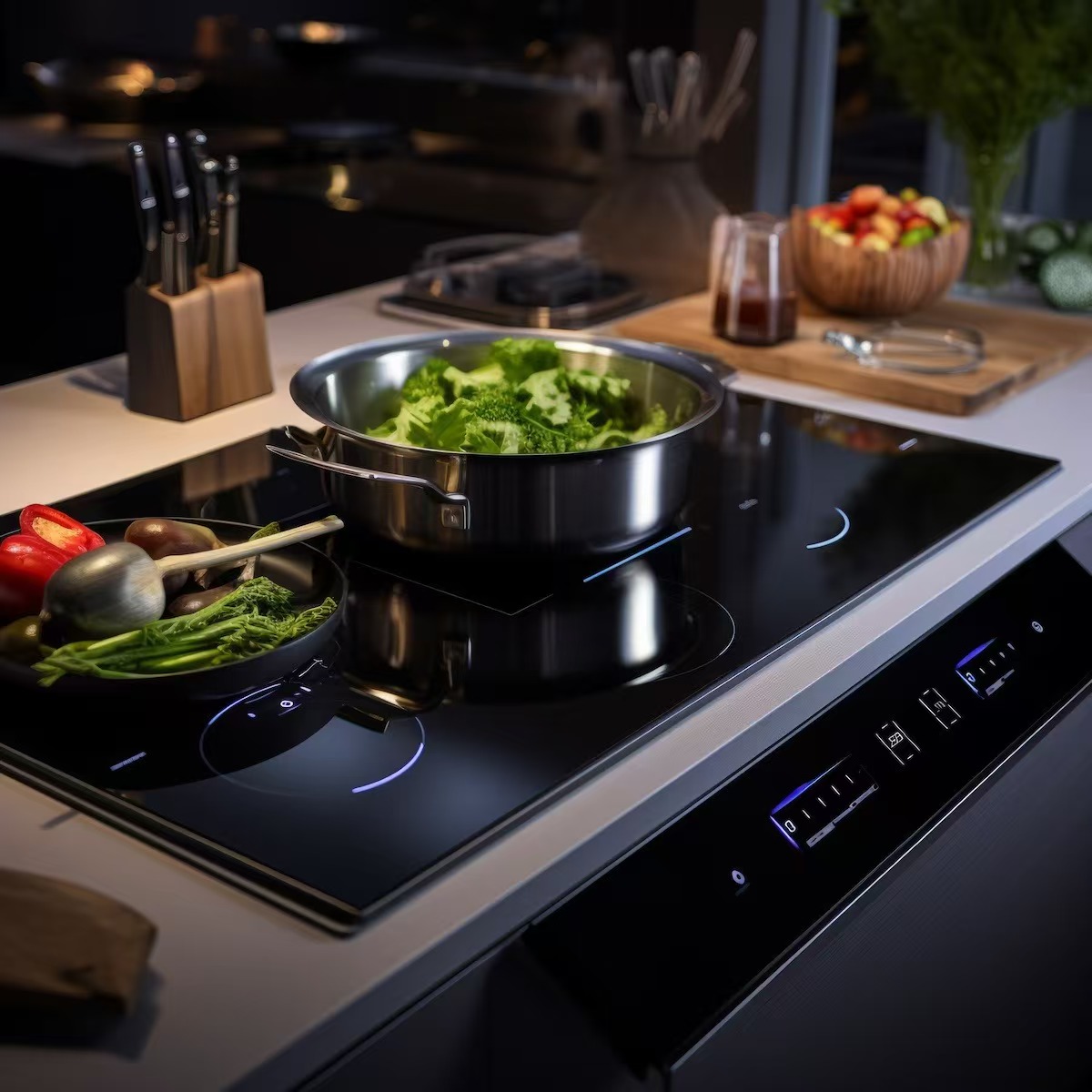
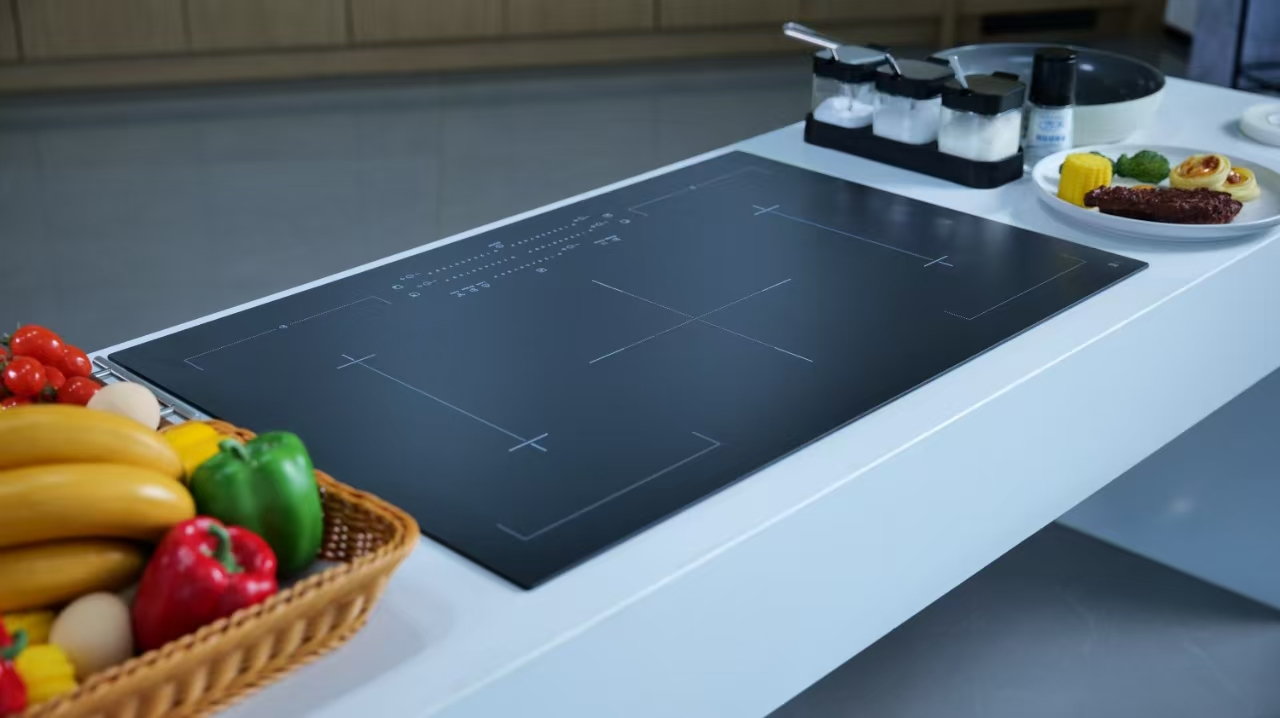
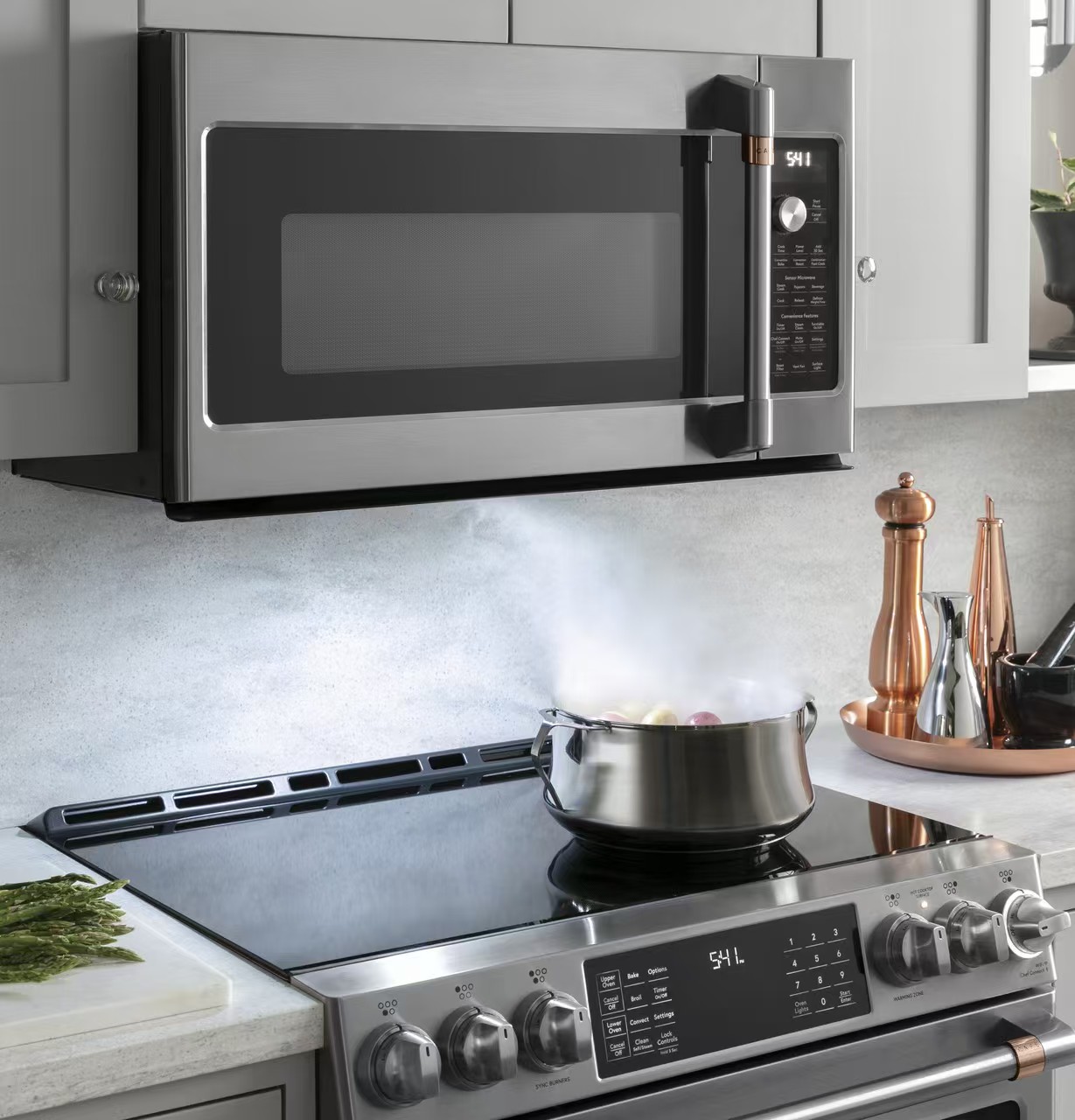
Ceramic cooktop glass is a very modern idea created specifically for kitchens, offering a modern and beautiful aesthetic while being practical and functional. These types of cooktops (often called ceramic cooktops) are known to look wonderful while enabling users to enjoy preparation of food. The purpose of this article is to provide the reader with information regarding ceramic cooktop glass, the benefits and drawbacks of using ceramic cooktop glass, and how it compares to other types of cooking.
The main function of ceramic cooktop glass is to provide a smooth surface made from glass and ceramic materials that can withstand extremely high temperatures, and be durable enough for everyday use in kitchens. The surface of a ceramic cooktop equally distributes heat throughout the entire cooktop and provides uniform cooking results on any type of ceramic cooktop. While there are limitations on the types of cookware that can be used with them, most types of cookware will work on ceramic cooktops.
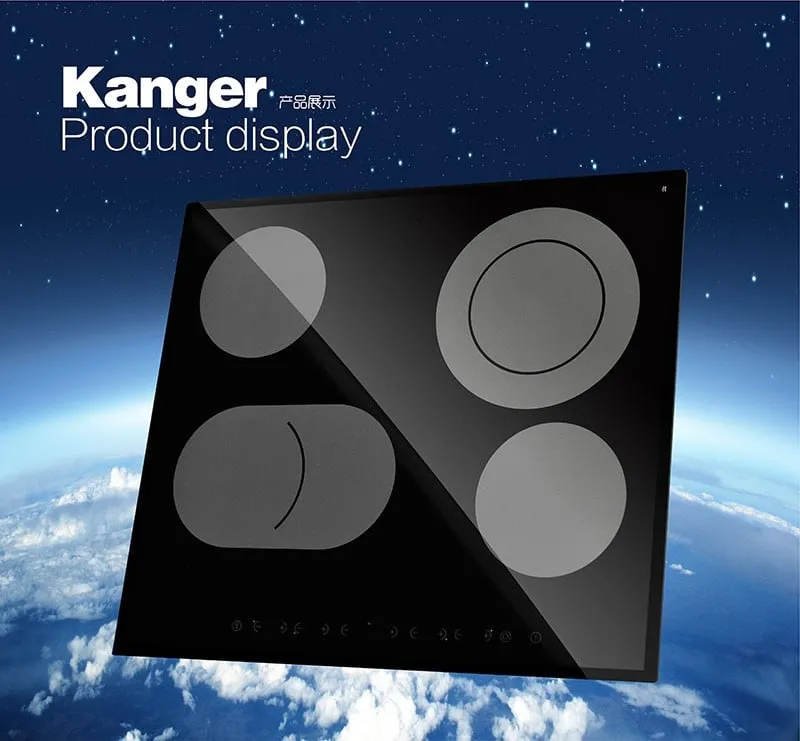
The appealing design of ceramic cooktops is one of their main advantages. The modern design of a ceramic cooktop is beautiful and will create a more sophisticated look in your kitchen. However, beauty is not the only benefit of using a ceramic cooktop. Here are some good reasons to think about getting a ceramic cooktop:
Cleaning up after cooking is quick and easy because of the flat surface of the appliance.
The use of ceramic cooktops creates consistent heat distribution; therefore, hot spots will not form as a result of the ceramic materials, leaving you with superior quality meals.
Control: Many different models can help you have exact control over your temperature settings. This will allow you to safely cook your food the way you prefer.
Personal preferences and cooking habits will play an important role in determining which cooktop is right for you. A ceramic cooktop glass can provide a clean look with an even cooking surface; however, this type of cooktop may not be ideal for all types of cooks. For example, if you cook with heavy pans or frequently use high heat to cook, then an alternative such as an induction cooktop could be better suited for your needs.
When choosing between induction cooking surfaces and ceramic glass cooking surfaces, there are many things to consider. For example, induction cooking surfaces heat the pot itself rather than just the surface they’re set on, which gives them an advantage in terms of speed and energy efficiency. In addition, because of the need for compatible cookware on induction cooktop surfaces, this could limit the types of pots and pans that can be used. On the flip side of this equation, ceramic glass cooking surfaces provide you with more flexibility in the types of cookware that can be used with them.
Ultimately, if quick cooking and energy saved are your focus, induction will most likely be the better option. Conversely, if you want style and ease of cleaning, a ceramic glass cooktop would probably work better for you.
Despite its many advantages, there are some disadvantages associated with ceramic cooktops:
Vulnerability: While ceramic cooktops are made to withstand high temperatures, they are still at risk of being damaged by a heavy object falling onto them.
Compared with induction cooktops, ceramic cooktops require a longer amount of time to increase in heat and so may not match your preferred method of cooking.
When you use your ceramic cooktop for high-temperature cooking, you may not achieve good results when sautéing or stir-frying due to limited temperature settings.
Here are some common questions about ceramic cooktop glass that may help potential consumers purchase these types of products:
1. Is a ceramic glass cooktop good?Indeed, a ceramic glass cooktop combines the best of all three: beauty, easy clean-up, and proven cooking quality. Therefore, ceramic glass cooktops are used in homes across America.
2. Which is better, glass-ceramic, or induction cooktop?Your cooking habits will determine which type of cooktop is best suited for you. Typically, glass-ceramic cooktops tend to be more aesthetically appealing than induction cooktops, although induction cooktops are generally faster and more energy-efficient.
3. What are the disadvantages of a ceramic cooktop?
Ceramic cooktops can be fragile, take longer to heat up, and may not excel in high-temperature cooking.
In summary, ceramic cooktop glass presents a stylish and efficient cooking option for modern kitchens. While it boasts several advantages—like easy cleaning and even heat distribution—it’s important to consider your personal cooking needs and preferences. Weighing the benefits against potential drawbacks will help you make an informed decision suitable for your culinary endeavors.