Due to their strength, beauty and functionality, glass panels have rapidly gained popularity across many industries in recent years. From contemporary kitchen designs to high-tech electrical devices; glass panels provide a perfect combination of functionality and aesthetic. In this article, we’ll look at what glass panels are, their characteristics and where they are commonly used, especially in specialized markets such as consumer and industrial appliances.
Flat or developed-up glass panels can serve for construction, function, or decoration as flat or custom glass plates. In many cases, glass panels can be located in kitchen appliances (like range hoods and cooktops), on the exterior of commercial buildings, and as part of modern electronic devices. The ability of glass panels to withstand extreme temperatures, stain resistance, and visual appeal allow them to be used for many applications as well.
The unique attributes of glass panels make them indispensable in many industries:
1. Heat Resistance: High-quality glass panels are able to withstand very high and low temperatures, which makes them a good choice for uses such as oven doors, cooktop tops and range hoods.
2. Durability: Tempered glass and toughened glass panels are made to resist impacts and scratches. This helps to extend the life of the glass panels in difficult environments.
3. Easy Maintenance: These panels are constructed from a non-porous material that resists staining and cleaning will not affect their appearance; thus, they can be kept looking their best when in high-traffic areas such as the kitchen or industrial environments.
4. Versatility: There are several designs and finishes available for glass panels, including clear glass to frosted or patterned glass. These options allow the consumer to find the right glass panel option that best fits their needs and style.
5. Safety: Laminated and tempered glass types provide a safer solution because they help reduce the chance of breaking; therefore, they are good for both home and workplace applications.
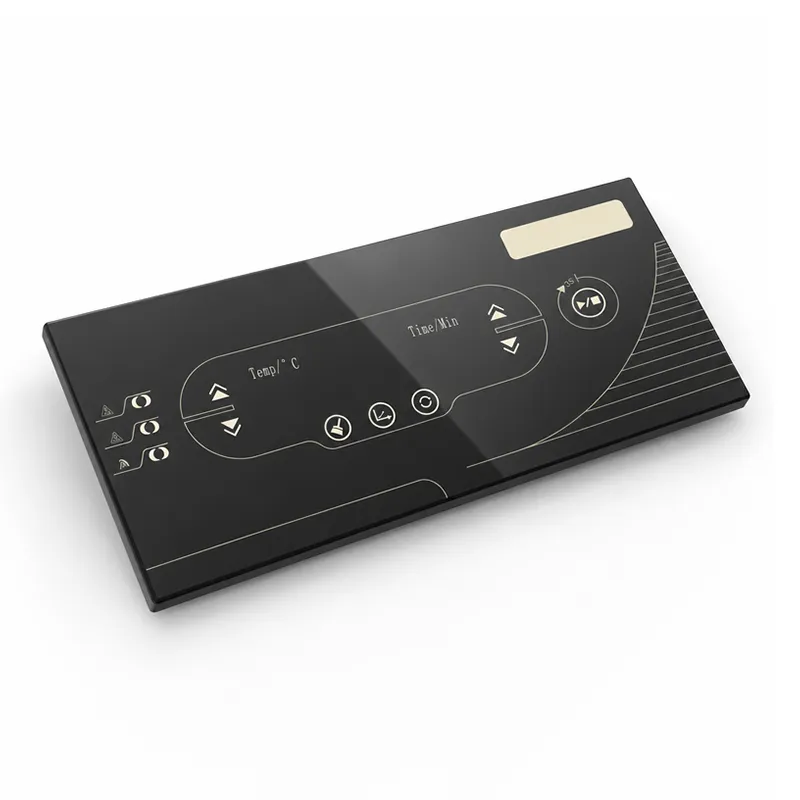
Glass panels have diverse applications in both residential and industrial settings, including:
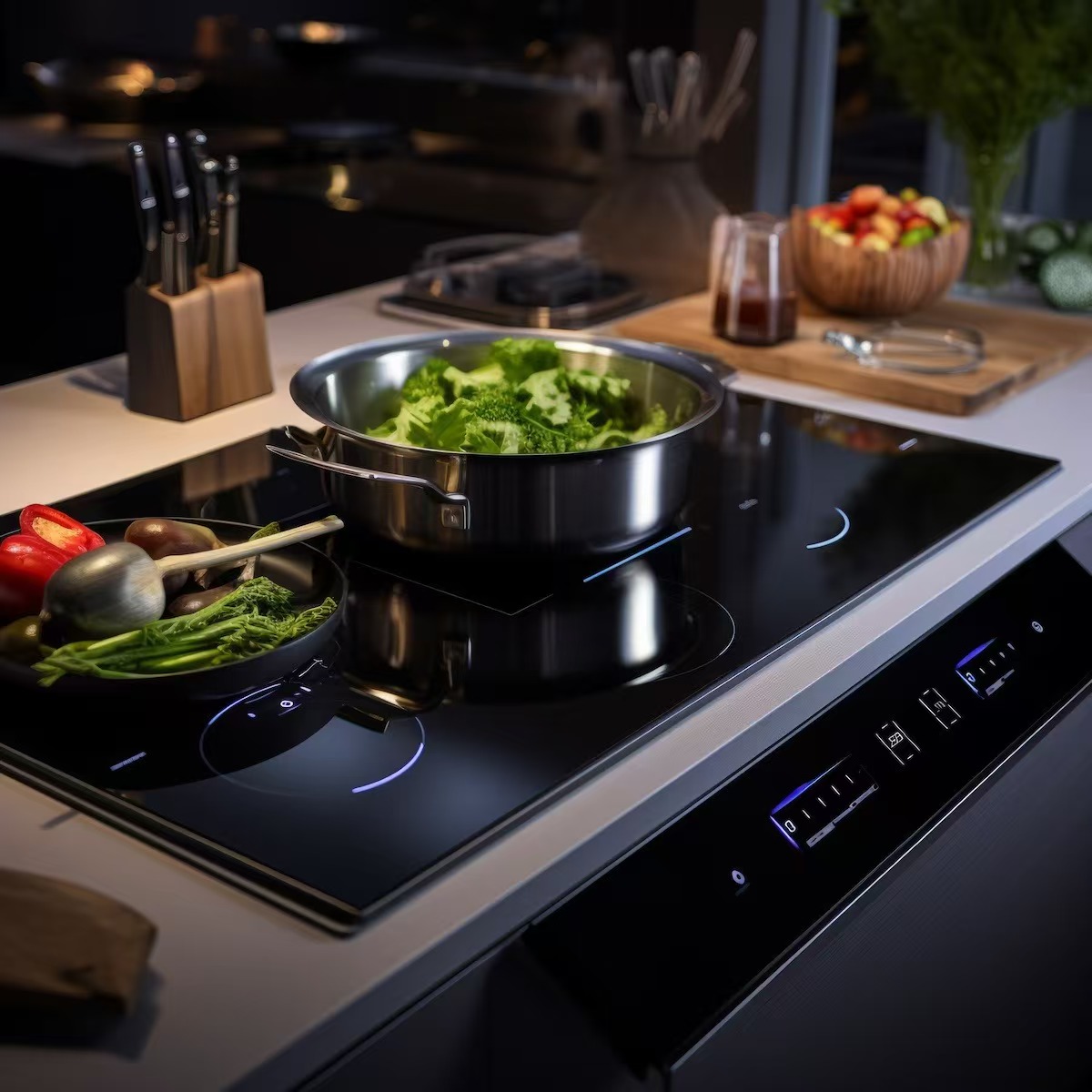
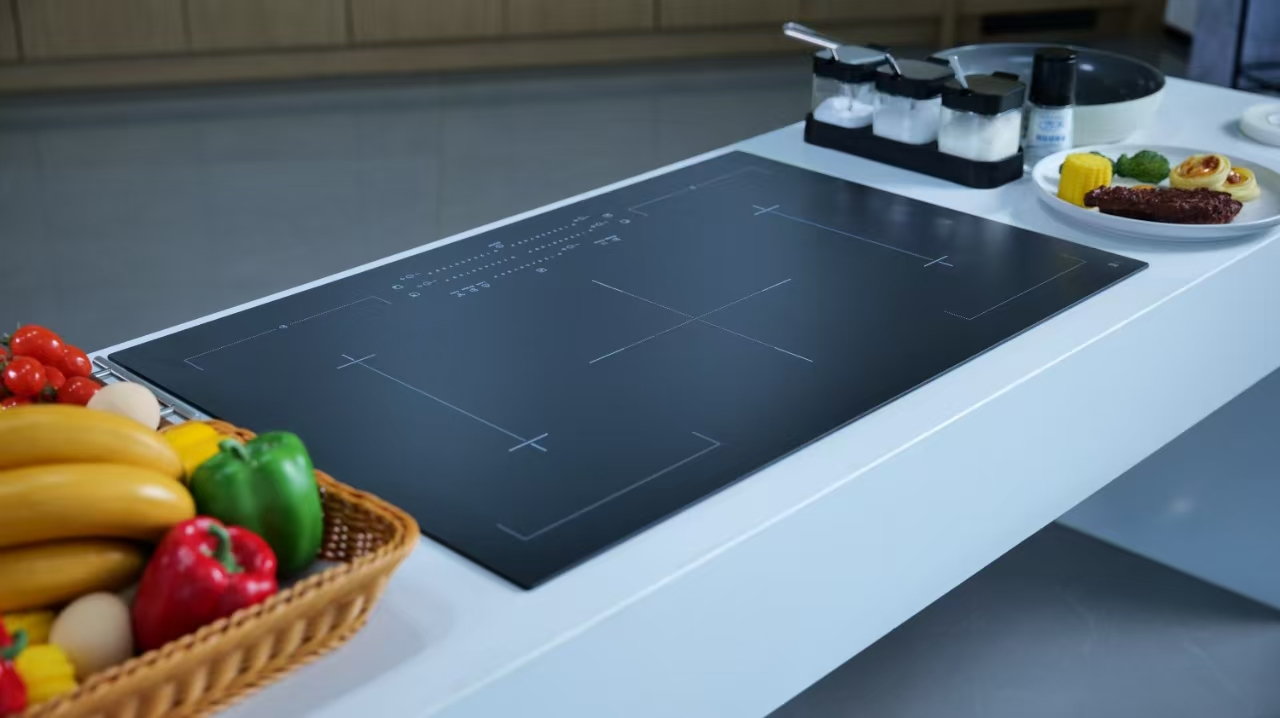
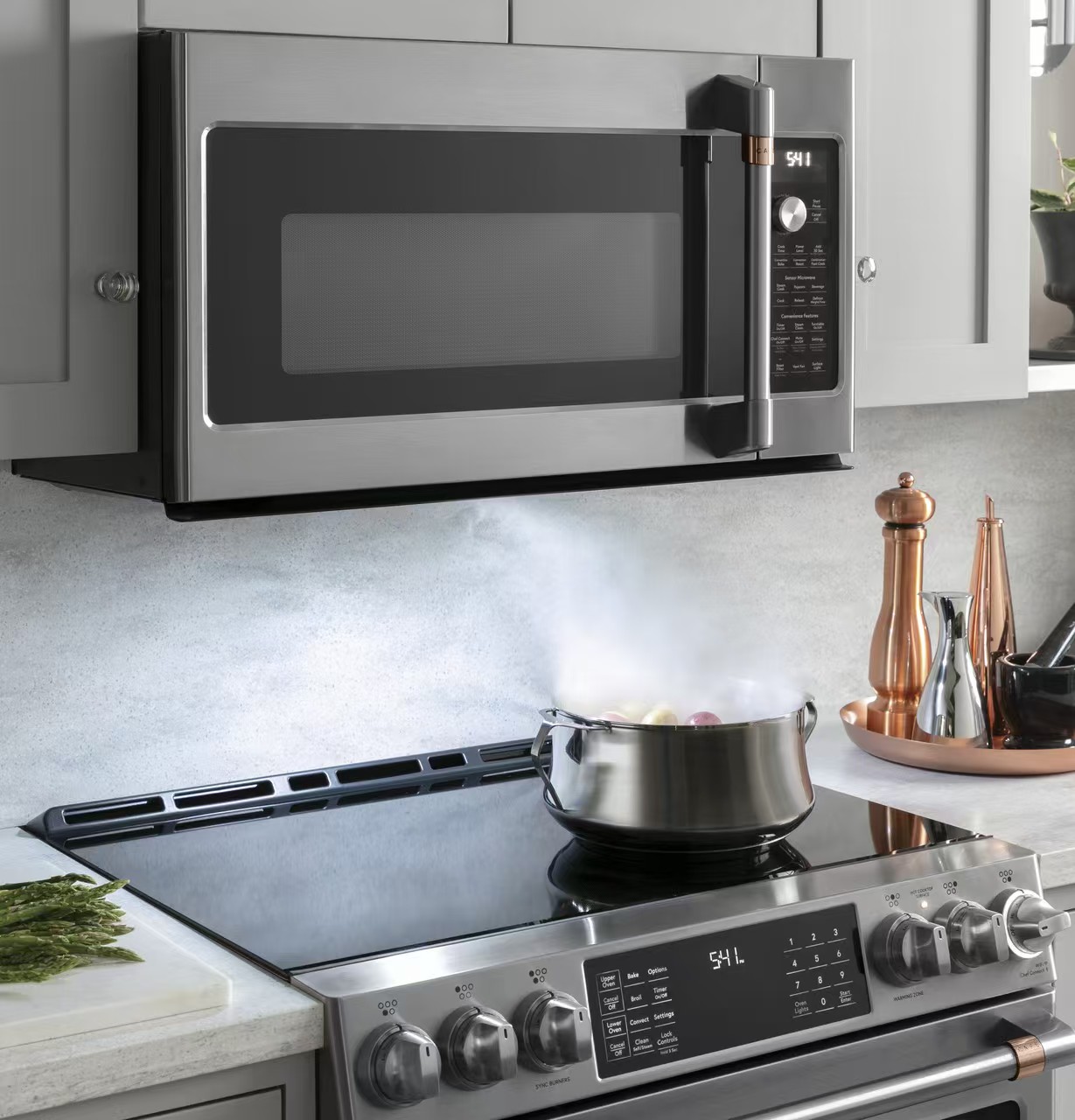
1. Kitchen Appliances: Range hoods, cooktop surfaces, and oven doors commonly use glass panels because they are modern designs and are capable of withstanding heat and grease.
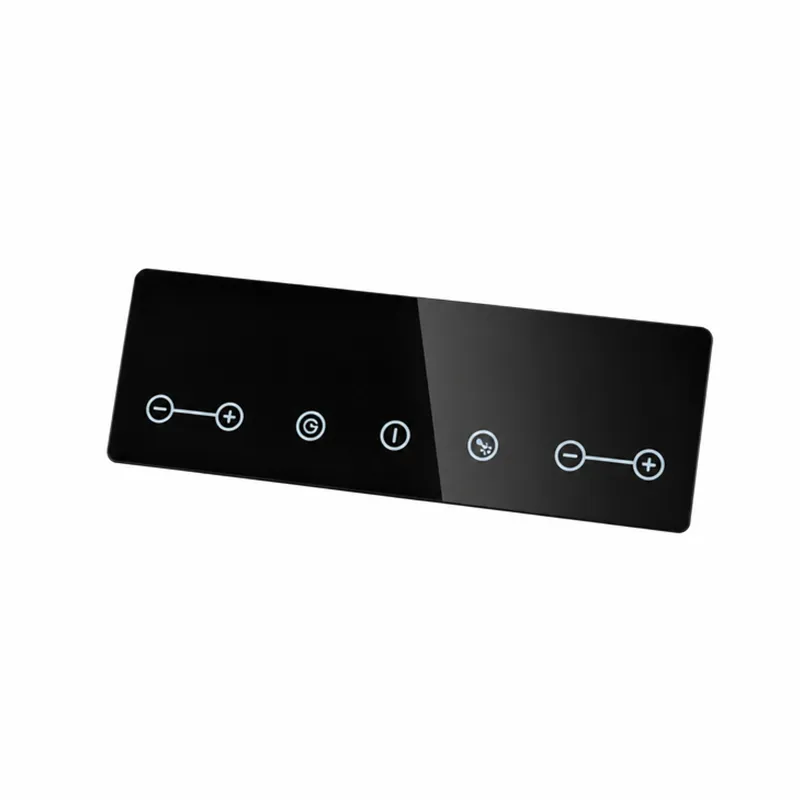
2. Electrical and Industrial Equipment: The glass panels used in many electrical control devices serve both functional and aesthetic purposes, in addition to providing a seamless interface for users, and helping to increase the operational efficiency of the device.
3. Architectural Use: Typically, buildings include integrated glass panels within the window or curtain wall systems, as well as within the balcony railing systems of the building providing both additional light and aesthetic appeal.
4. Interior Design: Room dividers, shower enclosures, or other decorative accents can be created using frosted or tinted glass panels that serve as excellent alternatives to more traditional materials.
5. Commercial Kitchens: Commercial glass panels are essential for maximizing efficiency and maintaining hygiene in commercial spaces where they can withstand extreme temperatures and contamination from grease and oil.
The manufacturing process of glass panels typically involves:
– Through processes such as the float glass process, raw materials such as soda ash, silica, and limestone are melted down and shaped into a consistent sheet of glass.
– Implementation of Tempering Processes used to improve product life and thermal resistance. Critical for items such as oven doors and cooktops.
Personalized surfaces finishes, such as anti-glare and textured coatings, offer unique solutions for different applications – from home to commercial use.
Here’s what to consider when selecting the right glass panel:
1. Application: Are you asking whether the panel is specifically designed for an electric cooktop (stove) as opposed to an electric range (oven)? Different applications require different glass properties (e.g.; heat resistance, or safety).
2. Material: In high heat conditions you’ll want to use heat resistant/tempered glass versus laminated glass which would be most likely used for high security applications.
3. Size and Thickness: Be sure the sizes match the intended application. For example, cooktop panel surfaces that couldn’t withstand heat from an oven can be increased by making them heavier/out of thicker glass to help prevent warping, chipping etc., under high temperatures.
4. Aesthetic Preferences: Consider frosted, tinted, or custom patterned glass for applications where style plays a role.
5. Maintenance: Choose glass panels that have anti-stain or easy-clean features, particularly for kitchen appliances or industrial equipment; they will provide greater satisfaction than non-anti-stain and non-easy-clean glass panels.
Q1: Why are glass panels used in appliances like ovens and range hoods?
Appliances with glass panels provide improved resistance against heat, are visually appealing and are easy to clean. Glass Panels also provide durability and are ideal for environments that are subject to exposure to grease, heat, or everyday wear and tear.
Q2: Are glass panels safe for high-temperature applications?
Yes, the majority of glass used in the manufacture of glass cooktops and oven doors will typically be subjected to some form of tempering in order to increase their thermal strength and be safer to use when heated.
Q3: Can I customize the size of a glass panel for my electric controller?
Absolutely! A lot of manufacturers make custom-made panels in all sorts of shapes and sizes to fulfill a number of different technical or aesthetic needs.
In summary, glass panels play an important role in both residential and industrial applications. They are commonly found in kitchen appliances such as hood range and cooktop panels and can be used in modern innovative technologies such as advanced electrical controllers. The heat resistance, durability, and design versatility of glass panels make them increasingly popular choices for modern style and function. Understanding the characteristics of glass panels and how they can be used will help you choose the right glass panel for your needs.