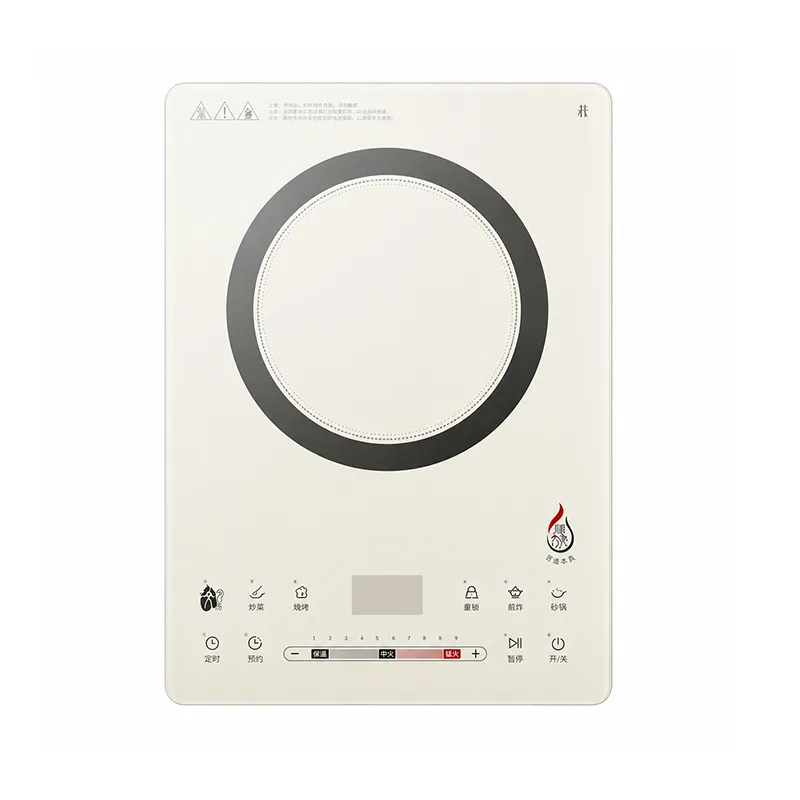
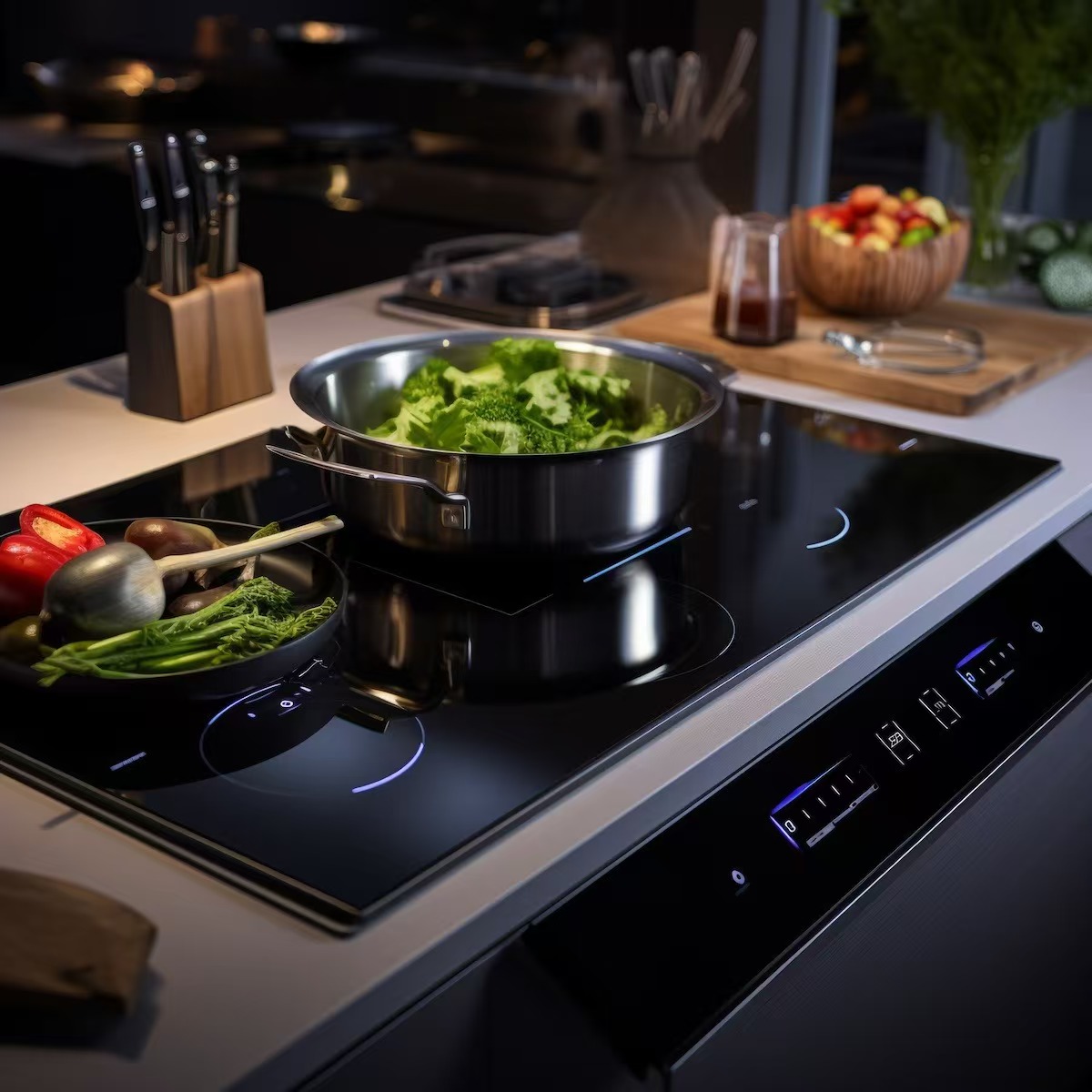
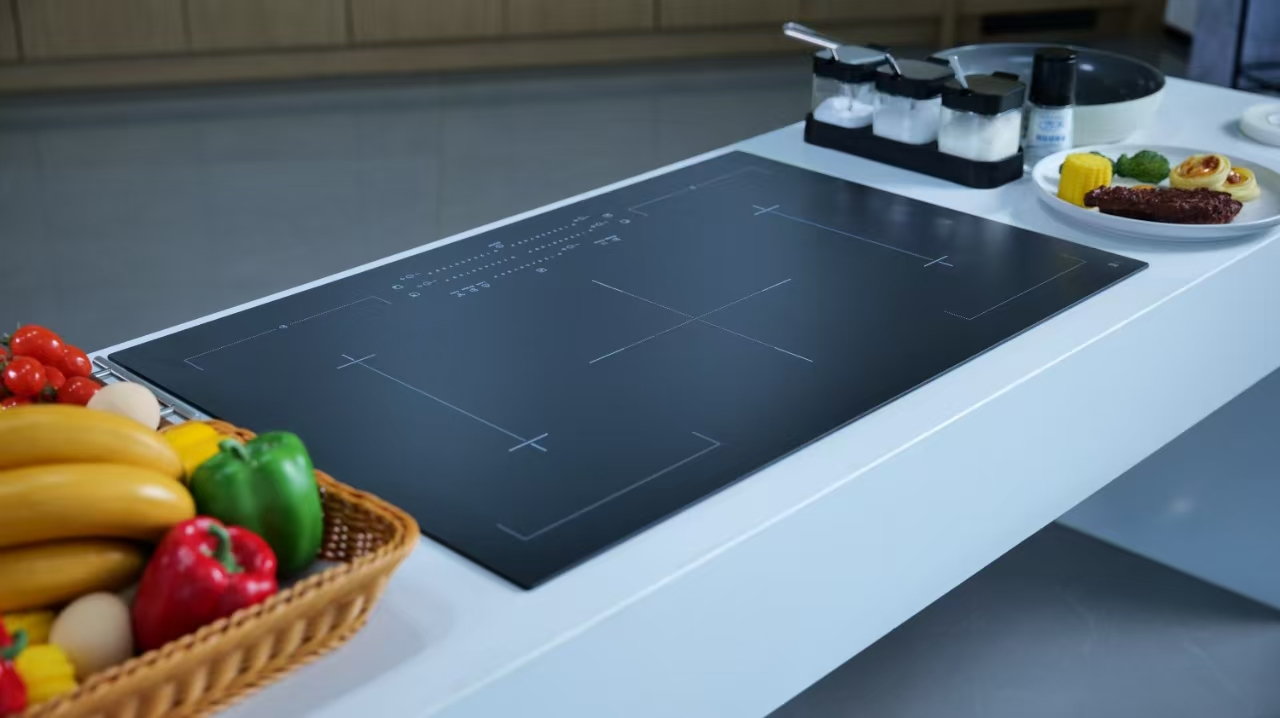
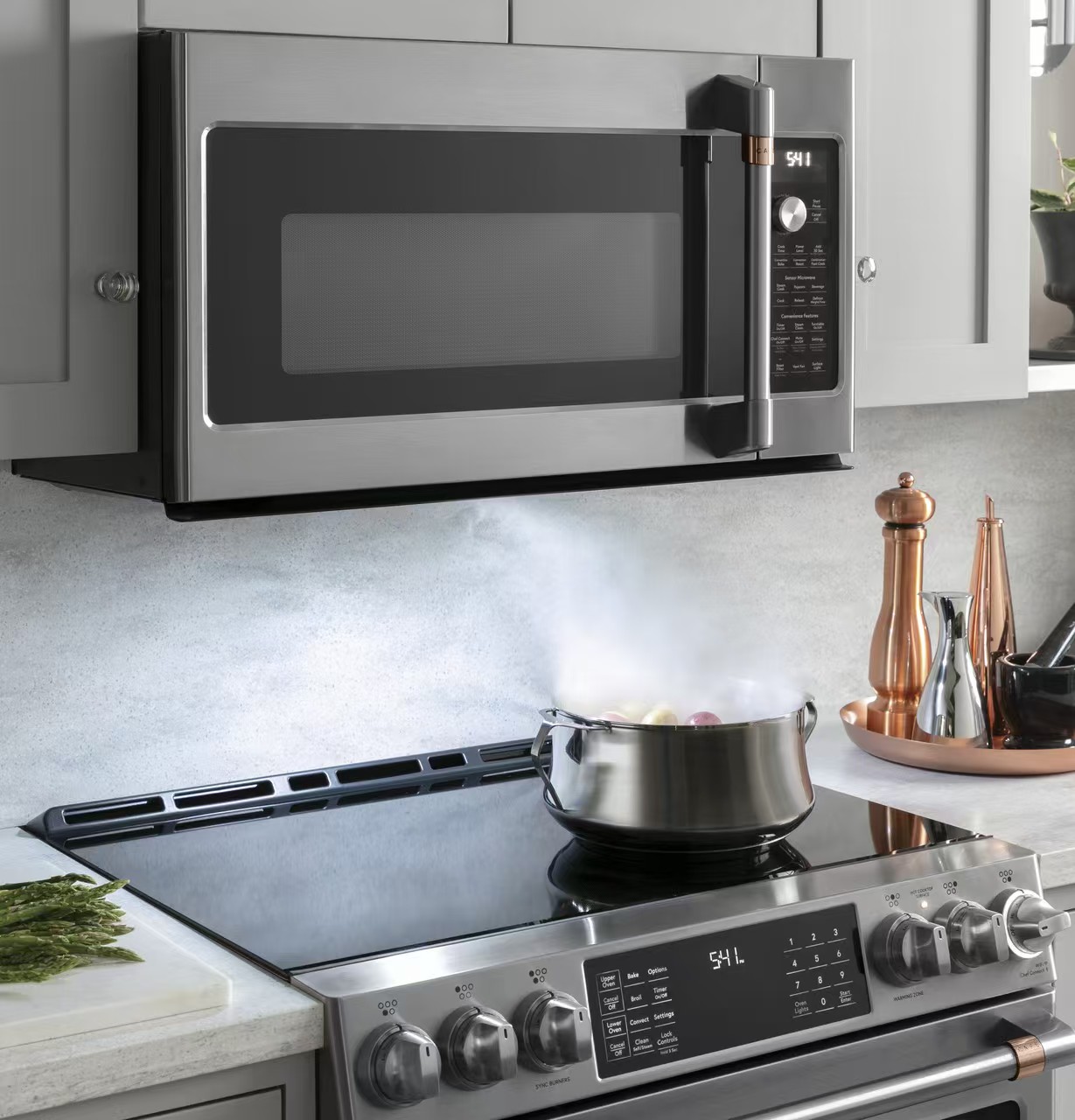
When we think of kitchens today, the concepts of function and convenience are paramount. One type of material that exemplifies this balance between function and convenience is ceramic microwave glass. This type of engineered glass has become an integral part of today’s kitchens; it provides certain characteristics that make it a must-have material for cooking and serving in microwaves. What is microwave ceramic glass, why is it important, and how does it differ from regular glass? This article provides a more detailed discussion of microwave ceramic glass, including its features, how it is manufactured, and its uses inside and outside the kitchen.
Ceramic, microwave-safe glass was developed as an extremely durable choice for demanding microwave applications. Ordinary glass can break or fail in high-temperature situations; however, this specially designed glass is very resistant to breaking due to thermal shock. Therefore, this type of glass can safely be used to cook or heat food in a microwave, without concern for breaking the glass. Additionally, this glass is non-reactive, which means that it will not release toxic chemicals or flavours into your food.
It is likely that you are familiar with cooking utensils and other food storage options that utilize ceramic glass and are marked with the “microwave safe” symbol. The microwave safe symbol indicates that the item has undergone a rigorous testing process to confirm its safety for use in microwaves and has become a popular choice among consumers and companies that manufacture kitchen items or cook for their families.
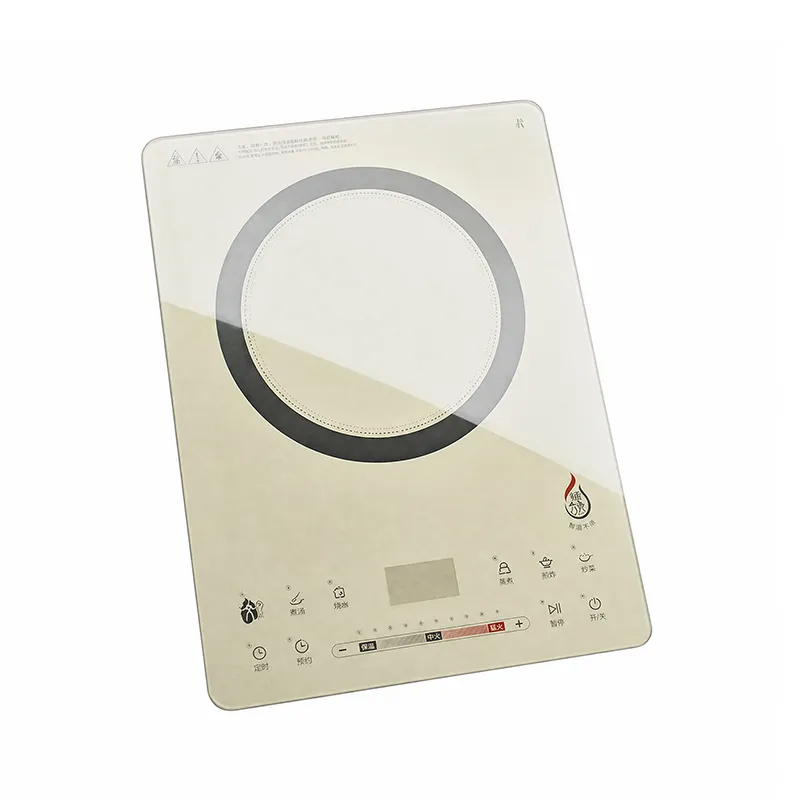
Producing microwave ceramic glasses is an extremely detailed and technologically sophisticated process. Natural materials such as silica, alumina, and special-purpose heat resistant additives are combined to produce a final product. The material is then melted at extremely high temperatures in a microwave kilns type oven. After the melting process occurs, the material forms into its final product shape and gains its ultimate level of performance between constructability and thermal stability through extensive transformation during this entire sequence of events.
Because of the unique way the material is made and how it is put together, microwave ceramic glass can stand up to extreme temperature changes without breaking or shattering. As a result, this type of glass can be used to heat up food after being stored in the fridge or to cook food that needs to be heated evenly.
The vast amount of use of ceramic glass in microwaves is primarily due to its unique properties, and here are some of the key reasons for its popularity:
1. Thermal Shock Resistance: Microwave ceramic glass does not fracture or break under rapid changes in temperatures (i.e., heat or cold), making it a dependable, safe way to cook and reheat food.
Durability: This material is resistant to scratches and lasts for a long time which makes it a good put into your kitchen for all types of everyday kitchen use!
Three. Safe and Non-Toxic! Compared with plastics, ceramic glass is also non-toxic and does not contain hazardous elements such as BPA, which means that whatever food you cook will be safe for your family without worries about safety or contaminants.
4. Aesthetics: Many microwave safe ceramic glasses have a nice, smooth finish and add beauty to food items during the cooking and/or serving process.
The multifaceted use of microwavable ceramic glass has led to its being utilized in many home and commercial environments; some of the more common applications include:
1. Microwave-Safe Cookware: You can use this type of material for a variety of microwave-safe containers such as casserole dishes and plates so that all items will cook or reheat evenly if using the same size and depth container.
2. Cookware: The oven and microwave require baking dishes that can withstand high temperatures, and microwave-safe ceramics are ideal for that purpose.
3. Dinnerware: It can go straight from the microwave to the table and will keep your food hot longer than other types of dishes.
4. Microwave Storage Containers: Many manufacturers are creating durable (or non-reactive) ceramic-type containers to be used with microwaves.
Although microwaves ceramic glass has a direct relationship to food being prepared and served in the kitchen, there are many other ways that this type of glass can also be used. Here are just a few examples of the ways that ceramic glass for microwaves is utilized:
Scientific Tools: Due to its stability against both heat and chemical reactions, this material can be used to make items such as test tubes or beakers which will hold other substances during an experiment.
Producers of coarse surface materials (including those for manufacture, engineering and residential applications) use ceramic material produced by the microwave process for its high temperature characteristics and mechanical strength.
Artistic and Creative Pursuit: A number of artists use microwave oven ceramic glass to help create works such as fusing glass or making detailed decorative pieces of jewelry, often using a microwave kiln to fire the completed piece.
Microwave ceramic glass has a diverse range of uses. Its versatility has proven its true worth and indicates that it can be found in a number of different industries and used daily for cooking and food preparation.
What is Microwave Ceramic Glass?
Microwave ceramic glass is a heat-resistant material specially designed for microwave applications. It is scratch-resistant, non-reactive, and durable.
How is Microwave Ceramic Glass Made?
The material is created by combining heat-resistant ingredients like silica and alumina, then heating them in a microwave kiln. The process results in a durable, thermally stable glass suitable for various applications.
What are the common applications of Microwave Ceramic Glass?
It is widely used in cookware, bakeware, serveware, and food storage containers. Additionally, it finds applications in laboratories, industries, and even art projects.
How do I know if something is microwave-safe?
Look for the microwave safe symbol on cookware and containers. This indicates they have been tested and certified for microwave use.
Is microwave ceramic glass environmentally friendly?
Yes, since it is reusable and long-lasting, it reduces single-use waste compared to disposable plastics. Additionally, it is often recyclable, making it an eco-friendly option.
The conclusion of this article is that ceramic glass used in microwaves is an incredible and useful product due to its strength, security, and adaptability when being heated, cooked, or created with by an artist. If you are reheating leftovers, baking a delicious recipe, or working on an art project that uses glass, you can have faith that you are using a durable and convenient product every time. Because of its unique properties and wide range of uses, ceramic glass for microwave cooking and baking should be included in every contemporary kitchen or industry specializing in the production of ceramic glass.