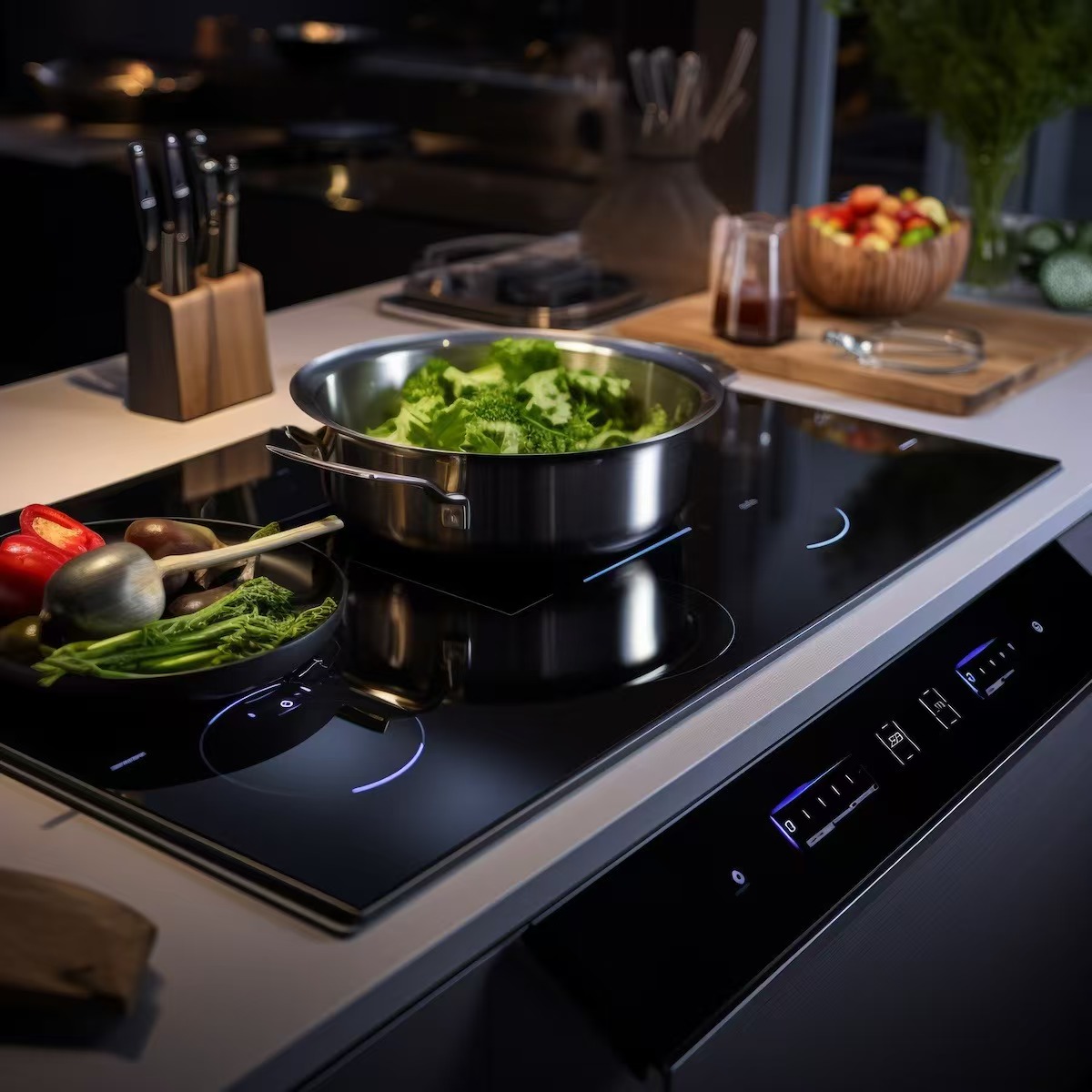
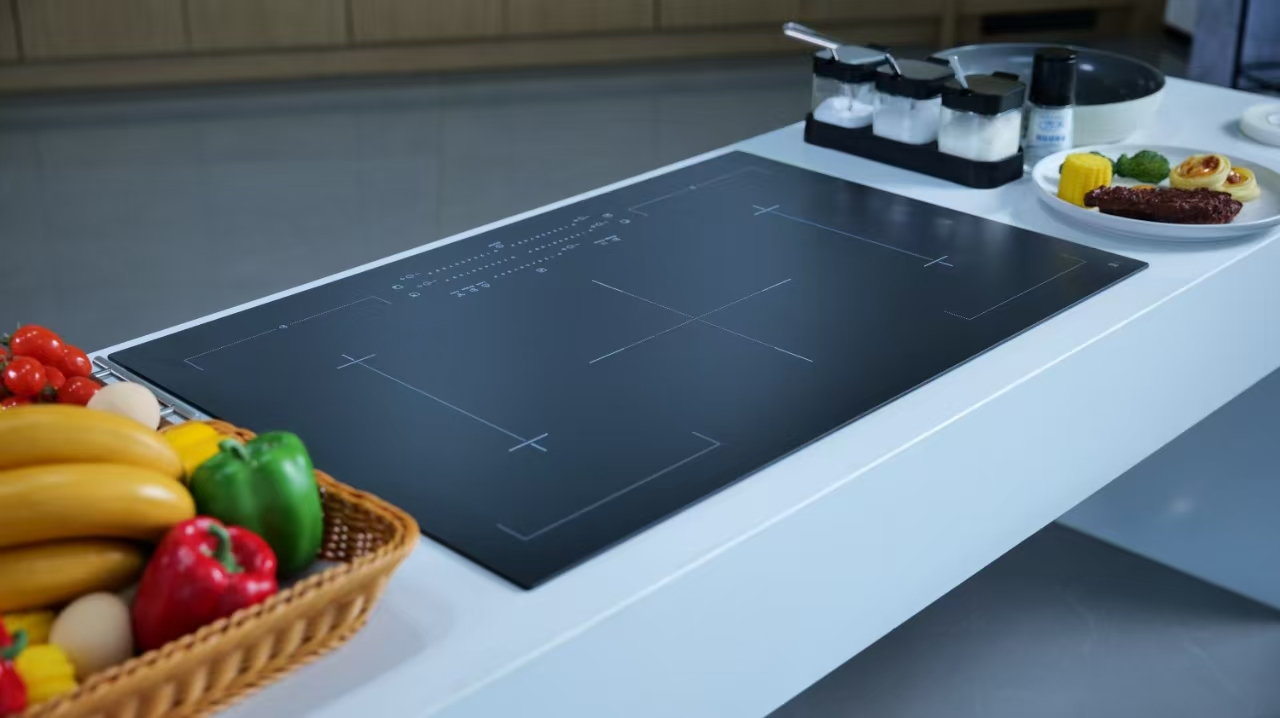
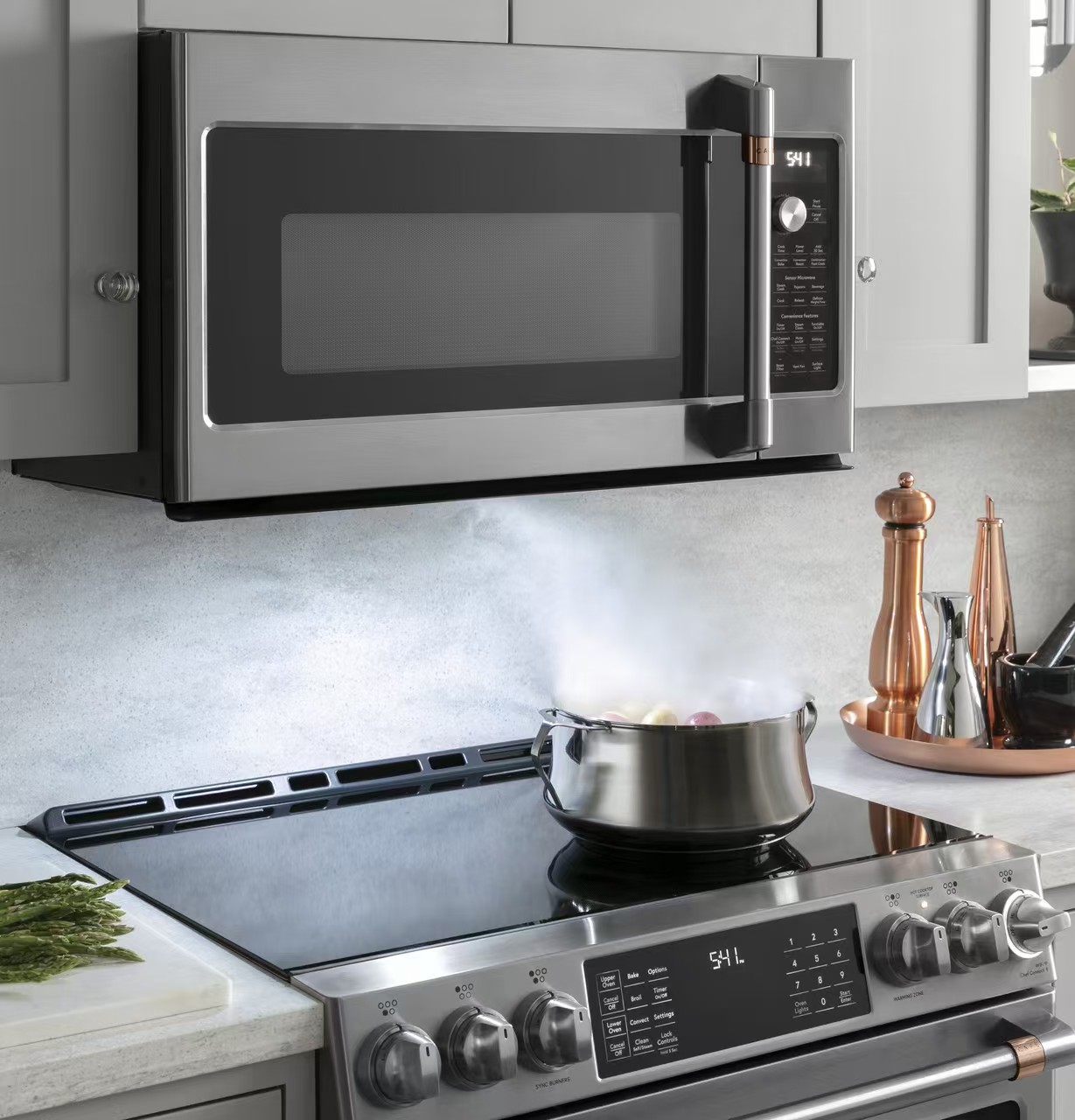
An induction hob splatter screen is an accessory selected for the pan and its handling arrangement; it does not make the lower pan compatible with induction. Check that the screen is intended for the chosen cookware, rests as designed and leaves access to handles and controls. Read the screen and appliance instructions together. A screen is not a substitute for attending cooking, and a mesh cover should not be treated as a solid lid or an emergency fire cover.
The practical decisions concern the rim, mesh or perforations, handle movement and resting space between uses. This guide separates those checks from cookware materials, glass-lid selection and cleaning the appliance surface. It provides no universal accessory approval, maximum temperature or claim that a screen prevents every splash. Choose the exact item for the actual pan and resolve uncertain instructions before using it over food.
Read what the accessory is designed to do. A handled mesh screen, a perforated metal screen, a solid pan lid and an upright splash panel are different products. A photograph showing one on a stovetop does not approve all of them for every induction appliance. Confirm the model, materials and intended placement of the item you are purchasing.
Start with the pan rim and the proposed workflow. You may need to remove the screen to turn food and then place it somewhere suitable before replacing it. That repeated movement matters as much as the screen’s diameter. A product that fits in a cupboard but cannot be handled comfortably around the actual cooking layout may be the wrong choice for the task.
ENERGY STAR guidance on electric cooking products explains induction heating through magnetic interaction with suitable cookware. The lower pan still needs its own designation and base fit. A metal screen above the food does not correct an unsuitable bottom or change the appliance’s cookware requirements. Verify the pan first, using its instructions and the selected hob’s guidance.
Our guide to measuring the usable pan base explains why the usable bottom and upper diameter are different checks. Screen fit concerns the upper rim; induction recognition concerns the cookware arrangement described by the appliance maker. Record both measurements or model references separately. Do not infer one from the other or select a pan solely because an existing screen happens to fit across its top.
Check the accessory maker’s fit guidance and the pan’s shape. A screen may use a supporting rim, formed rings or another designed resting arrangement. Confirm it sits as intended on the chosen cookware without unstable rocking or an unsupported handle pulling it aside. Do not assume that a nominal maximum diameter describes every smaller rim equally well.
Rehearse the fit with the pan and screen cool and empty. Check the relationship to a pouring lip, a raised handle attachment or another feature near the rim. A screen that looks centered from above may still seat awkwardly at one point. Resolve that mismatch with the supplier or choose a suitable alternative; do not bend the screen into place or add improvised weights.
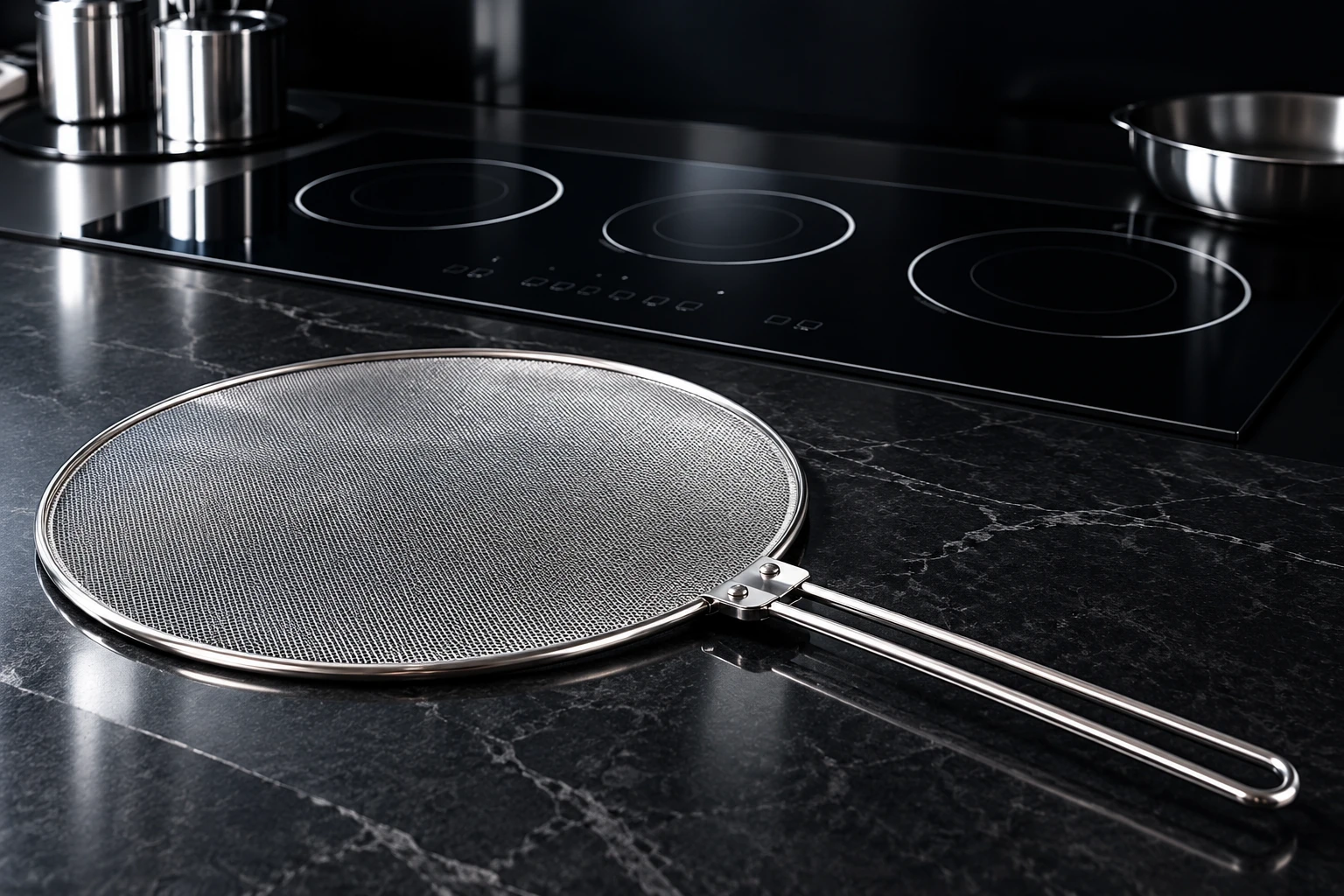
Look at how the screen is gripped, removed and replaced. If its handle folds or locks, follow that particular product’s instructions and inspect the intended position before use. A storage hinge does not automatically permit every operating angle. Keep the screen grip and pan grip distinguishable so the user does not need to reach across the cooking area to manage them.
Our guide to keeping cookware handles clear of controls covers access around glass touch controls. Include the screen handle in that layout, along with nearby cookware and the user’s approach. The controls should remain accessible in the permitted pan position. Do not offset the pan from its required zone arrangement simply to give an awkward screen handle more room.
The table below is a selection and handling checklist. The induction principle follows ENERGY STAR guidance on electric cooking products; accessory permissions and care limits must come from the actual manufacturers. No row should be read as a general approval for screens, pan covers or metal accessories on every hob.
| Decision | Check before use | Avoid assuming |
|---|---|---|
| Accessory type | Exact screen purpose and instructions | A screen is interchangeable with a solid lid |
| Pan fit | Intended rim support and stable seating | Diameter alone guarantees the right fit |
| Handle movement | Permitted grip, hinge and locking position | Every folded angle is an operating position |
| Control access | Complete cold layout with nearby cookware | Pan fit automatically means clear controls |
| Resting space | Suitable stable surface and handling method | The hob control area is a storage tray |
Prepare an appropriate stable resting place according to the accessory’s instructions. Include its full diameter and handle, rather than choosing a narrow edge that only supports the mesh. The rest area should not require reaching across another active vessel. Keep the movement short and clear, with the user able to retain the intended grip.
Do not lay a removed screen across the touch controls, an unused zone or an unrelated pan just because the surface appears convenient. Its condition and any retained liquid need consideration under the product guidance. An illustration of a cold screen beside the panel is a planning example, not authorization to rest a hot or soiled screen anywhere on the glass.
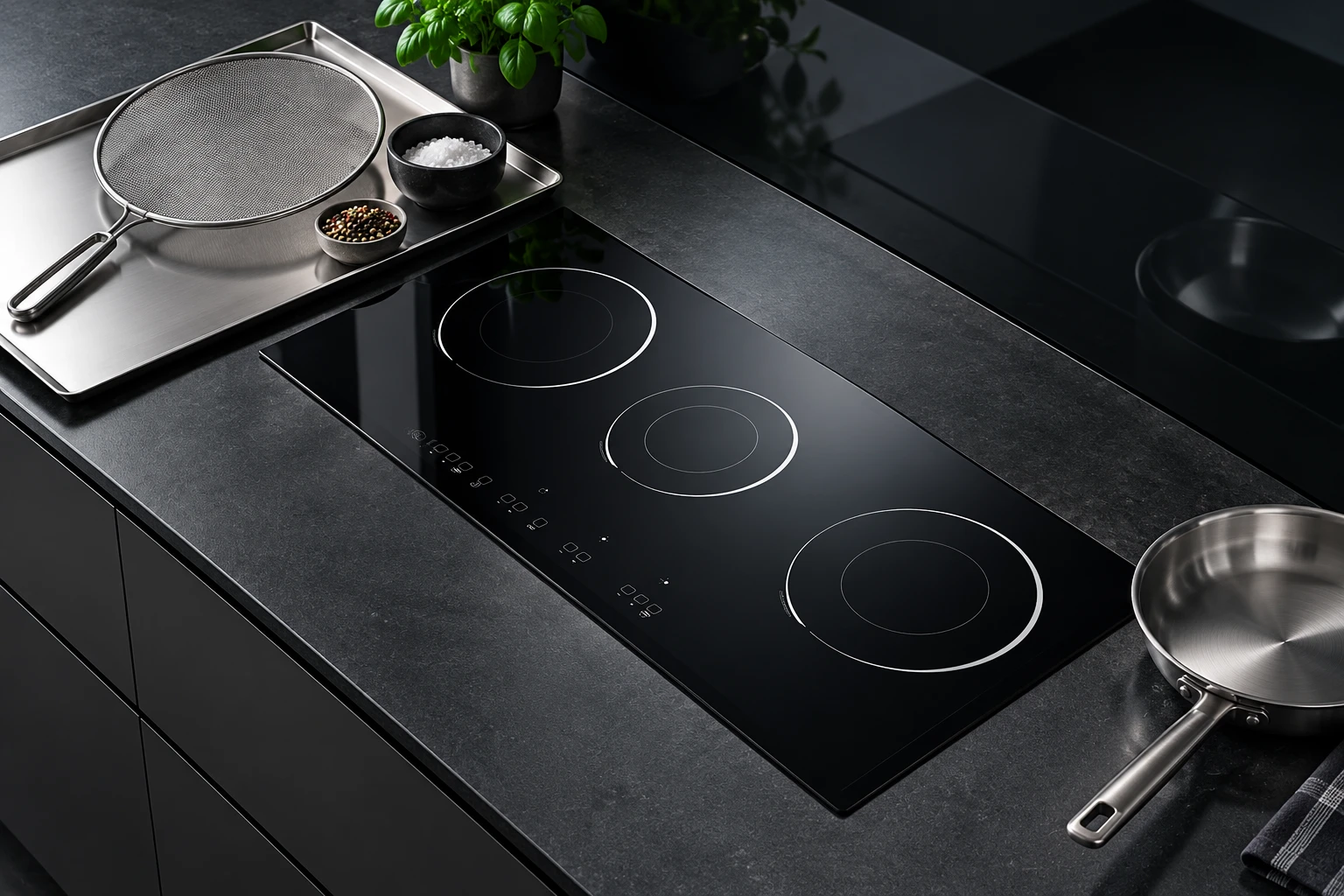
Check the recipe and the cookware instructions together with the accessory’s purpose. A mesh or perforated screen behaves differently from a solid lid, so it cannot automatically replace a covered cooking stage. If the intended method calls for a specific lid, retain that requirement rather than assuming a screen supplies the same result. This article does not prescribe recipes or food-cooking temperatures.
Likewise, do not promise that the screen eliminates mess or prevents every splash. It is a product with a stated purpose and limits, used within a wider cooking process. A purchasing decision should identify which task the accessory supports and which steps still require a lid, utensil or another documented method. Avoid buying on a broad claim that one cover solves every stovetop problem.
U.S. Fire Administration cooking-safety guidance advises staying with cooking and keeping combustible objects away from the stovetop. A screen does not change those responsibilities. Prepare the resting place and utensil before starting, and keep packaging and loose cloths outside the work area. A covered pan still requires attention and accessible controls throughout the task.
Follow the appliance and accessory instructions for removing and replacing the screen during operation, including any specified protective equipment. Do not assume a handle stays cool from its material or appearance. If there is an abnormal condition, use the relevant stop procedure. Do not treat mesh as a solid emergency cover or invent a fire-response method from the accessory’s ordinary cooking purpose.
If the pan is not recognized, consult the hob cookware guidance and check the lower vessel separately from the screen. Record the exact message, selected zone and pan model. Repeatedly moving the accessory or increasing power is not a documented way to establish pan suitability. Do not introduce an unapproved disk or spacer to force recognition.
If the complaint is poor screen seating, an awkward handle or difficult removal, describe the rim and accessory arrangement to the supplier. Those details are different from a cracked panel or an appliance fault. Record what was observed without claiming a cause the evidence does not establish. A useful photograph should support the description of the actual parts, not replace their instructions.
Use the specified cleaning method for the complete screen, including the rim and handle attachment. Fine openings and joints deserve inspection, but do not use an abrasive, chemical or tool the maker prohibits. A dishwasher statement for one product does not apply to every mesh, coating or handle material. Recheck the actual model instead of copying care advice from another screen.
Inspect damaged mesh, a loose attachment or a hinge that no longer behaves as intended before use. Do not keep using an unreliable grip because the screen still covers the pan. Store the accessory without crushing it against heavier cookware, following the supplier’s guidance. Address damaged parts through the responsible support process rather than bending or repairing them on the appliance surface.
Clean the glass according to the appliance instructions, including the stated cooling condition. Our guide to understanding glass surface marks distinguishes ordinary residue from concerns requiring service advice. Do not scrape or test a suspicious mark with the screen edge. Cleaning the accessory or panel cannot certify continued use after damage that falls outside routine maintenance guidance.
Kanger’s Kanger black glass-ceramic cooktop panel and black glass-ceramic material overview provide context for sourcing the glass cooking surface. They do not approve individual screens or promise a finished appliance’s accessory compatibility. Keep screen, pan and hob model records separate from panel procurement information. OEM buyers should document component integration requirements and validate the complete appliance through the responsible process, while cookware users follow the actual accessory and appliance instructions.
This neutral educational video explains induction heating and cookware geometry. It provides background for the lower pan base, not approval of a saute pan, pasta insert, screen or finished appliance.
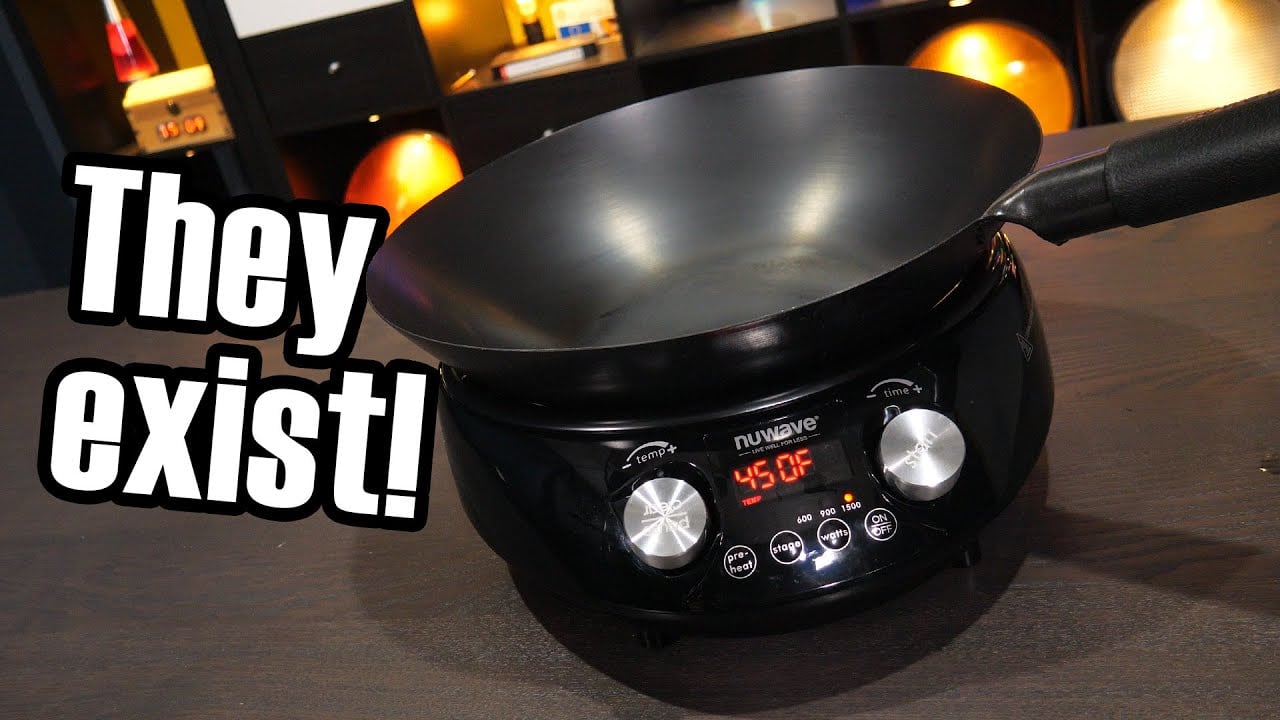
Video: Induction cooking – but what about woks?, Technology Connections. Open the educational video on YouTube.
No. Verify the lower cookware base and hob requirements independently.
Do not assume so. Use the component required by the recipe and product instructions.
Use a suitable stable resting place and handling method specified for the actual accessory; keep the controls clear.
No. Follow the exact product’s permitted handle and locking positions rather than treating storage positions as operating positions.