An induction hob fish pan should be selected by its documented induction suitability, actual base shape and the cookware arrangement allowed by the hob. An elongated upper rim does not tell you how much of the bottom interacts with a particular zone. Check the exact pan model and appliance instructions before buying, then rehearse turning and lifting with the vessel cold and empty. Do not assume an oval pan can bridge two cooking positions simply because it reaches across them.
The useful distinction is between a shallow fish frying pan and a deep fish kettle, poacher or roasting vessel. Search results mix these categories, but their handling and cooking tasks differ. This guide addresses the elongated shallow pan used to accommodate a fish-shaped working area. It does not provide cooking times, approve a bridge configuration or claim that a glass-panel supplier certifies a finished cookware combination.
Start with the task rather than a product photograph. A low oval pan provides a different approach for a turning utensil than a deep covered poacher with a rack. Decide whether you need room to turn an item in the vessel or a separate lifting insert for liquid cooking. Confirm the selected product description, supplied parts and dimensions before comparing prices or total capacity.
Keep that distinction in the purchase record. A listing headed fish pan may describe an oval frying pan, a fish-shaped mold or a deep steaming pot. Those are not interchangeable solutions. If the task is poaching or steaming, obtain the instructions for that specific vessel instead of adapting the shallow-pan checks here. Photographs alone can obscure depth, base construction and the grip arrangement.
Ask for the base length and width that the maker identifies as relevant to hob use. The longest dimension across the upper rim includes sloping walls and may not represent the bottom at all. Our guide to measuring the usable pan base explains why usable base dimensions matter. For an oval vessel, both directions deserve attention; a single advertised diameter can leave an important part of the fit question unanswered.
ENERGY STAR guidance on electric cooking products describes induction heating through interaction with suitable magnetic cookware. That supports checking the actual induction designation, rather than assuming that a stainless appearance establishes compatibility. Confirm the selected size and construction, because a range may contain different bases. A preliminary magnetic check does not establish the complete pan’s placement, recognition or permitted use on an appliance.
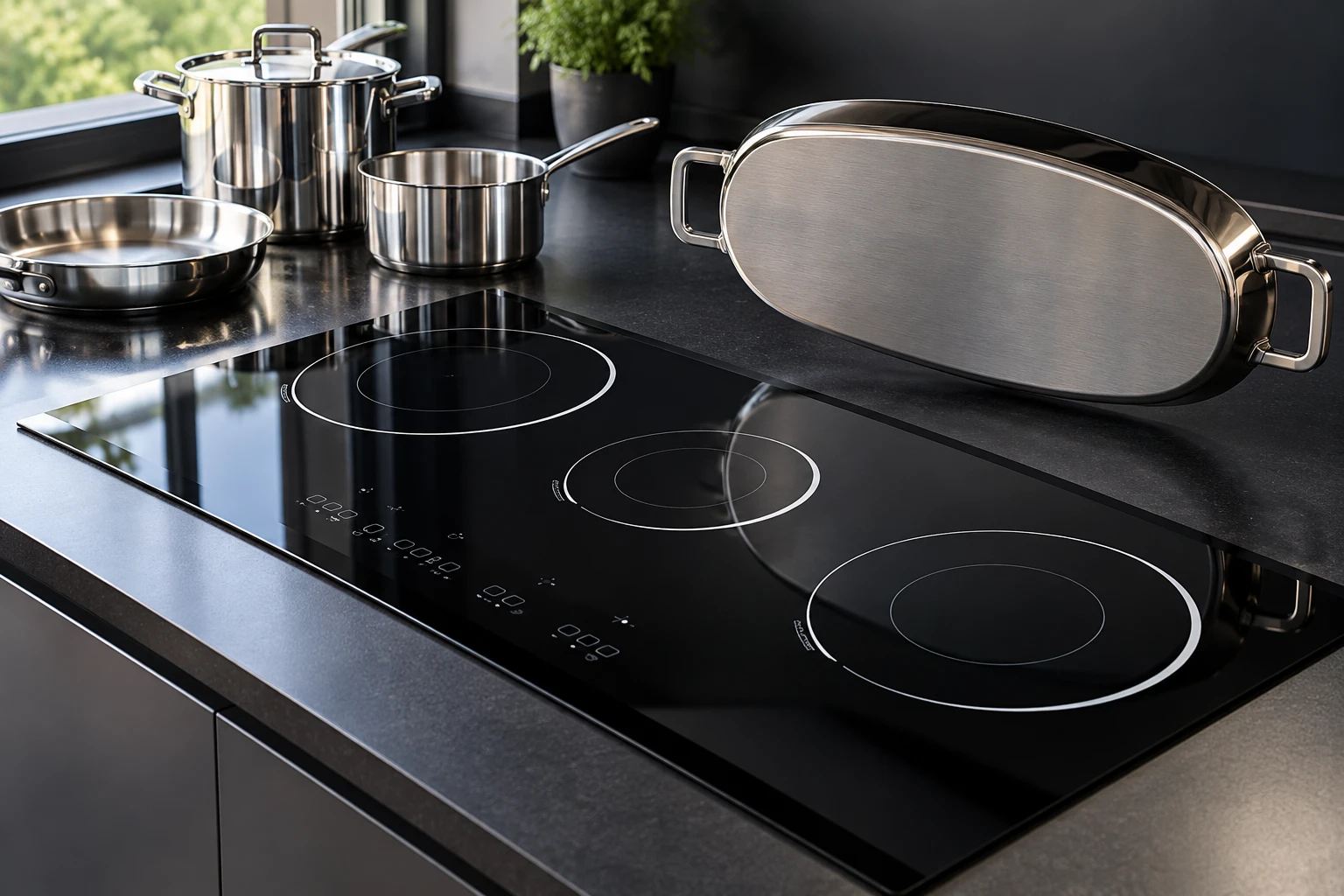
Look for the appliance guidance on permitted vessel shapes and cooking positions. If the hob has a documented flexible or combined zone, check its specific cookware requirements and activation instructions. If it does not authorize your proposed arrangement, choose a suitable pan or appliance combination. The fact that an oval vessel physically spans two printed circles does not create permission to energize both beneath it.
Avoid claiming that an oval base heats uniformly across its entire length on every induction hob. A printed zone outline is not a thermal map, and this article provides no measured temperature distribution. If the intended cooking task depends on performance beyond the supplied guidance, ask the responsible cookware and appliance suppliers for relevant evidence. Do not use repeated maximum-power trials to answer an unresolved suitability question.
An elongated pan can offer useful room for a long ingredient while still restricting a turning tool near its curved ends. Examine the cooking floor, wall slope and handle attachment. With everything cold, place the intended utensil in the empty pan and rehearse the movement. The objective is to identify whether the tool can approach without forcing the pan away from its permitted position.
Do not treat a delicate-food handling problem as proof of an induction defect. The pan shape, utensil, food preparation and cooking method are separate considerations. This selection guide can help establish usable access, but it cannot guarantee release or a particular culinary result. Choose utensils compatible with the actual surface and follow the cookware instructions rather than scraping with a tool intended for another material.
The magnetic-heating principle follows ENERGY STAR guidance on electric cooking products. Exact base requirements, permitted operating arrangements and handling limits belong to the chosen pan and hob documentation. This table records decisions to resolve before purchase; it supplies no universal dimensions or appliance settings.
| Selection question | Evidence to request | Decision before heating |
|---|---|---|
| Is it a shallow frying vessel? | Body depth, intended task and supplied components | Separate it from poachers and steaming pots |
| Does the bottom suit induction? | Exact model designation and base length and width | Compare with the hob cookware guidance |
| Is elongated placement allowed? | Appliance instructions for the proposed zone arrangement | Do not infer bridge permission from physical reach |
| Can the utensil approach? | Working floor and wall transition | Rehearse the movement cold and empty |
| Can it be lifted securely? | Grip method and suitable receiving surface | Resolve access before choosing a working load |
Look beyond whether the base fits. A long oval body can move a grip close to a wall, another pan or the edge of the counter. Rehearse placement and removal with the appliance off and the pan empty. Our article on keeping cookware handles clear of controls covers the related need to preserve control access and avoid projecting handles into a walking route.
Consider the intended contents together with the vessel’s size and weight. A second grip is a feature to check in the instructions, not a guarantee that every filled load is manageable. Identify a stable receiving area suitable for the actual hot cookware. Do not plan to balance the vessel on another cooking position or improvise a support after lifting it.
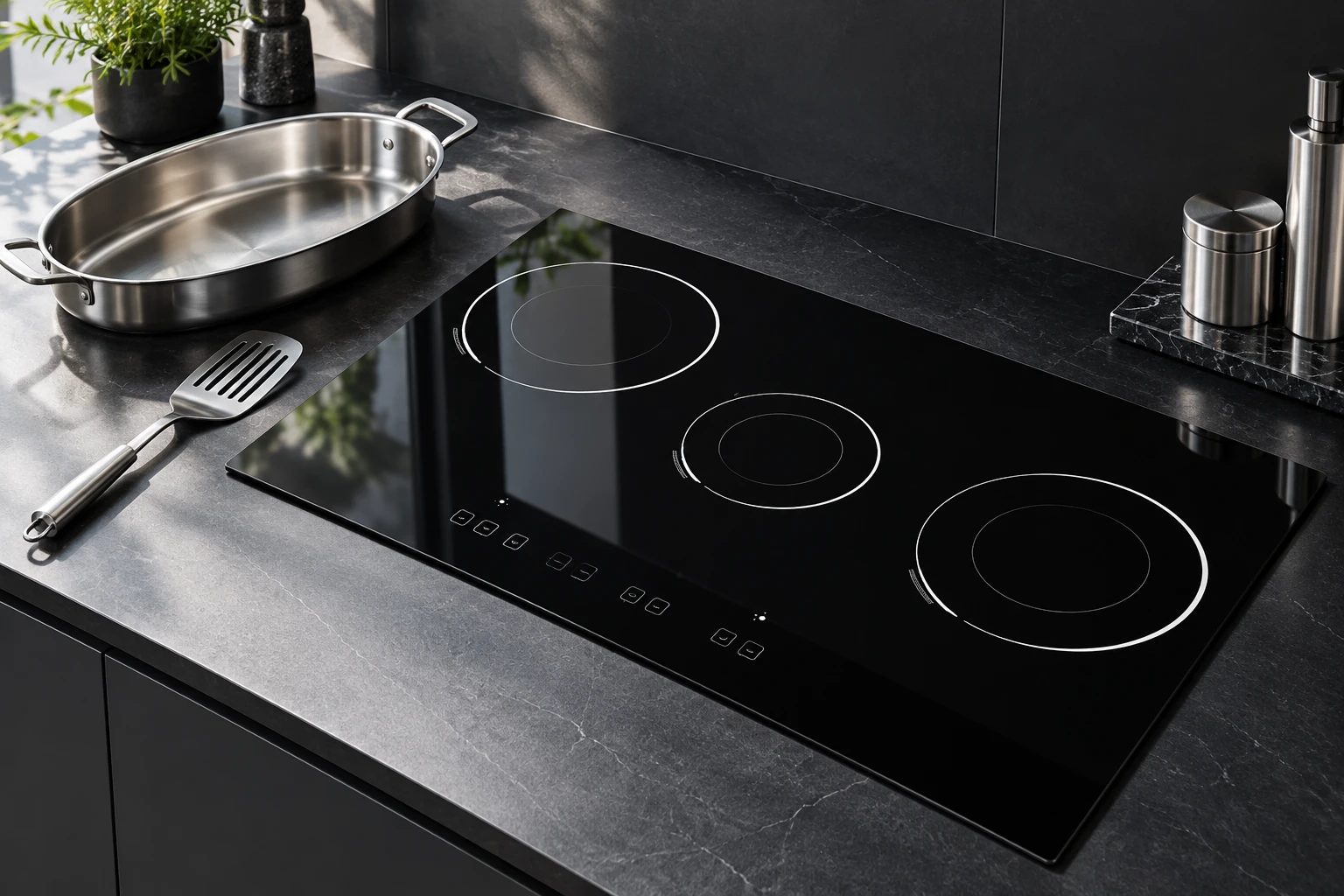
Follow the selected pan and appliance instructions for heating and adjustment. An online recipe’s numbered setting belongs to its equipment and method, and does not establish a universal starting point. Surface treatments may have particular requirements. Resolve any conflict between the desired cooking process and documented equipment use before starting instead of compensating with prolonged empty heating.
U.S. Fire Administration cooking-safety guidance advises remaining with cooking and keeping combustible objects away from the stovetop. Prepare the tool and receiving area before switching on. An elongated vessel does not justify leaving packaging, a towel or unused utensils beside an active zone. Follow the appliance’s stopping instructions if an abnormal condition occurs; this article does not replace local fire guidance or equipment support.
Some fish pans may be described for more than one heat source, but hob suitability does not establish oven suitability. Verify the complete vessel, including grips, attachments and any supplied lid. Obtain the actual temperature and use limits from the maker if oven transfer is part of the intended task. This guide deliberately supplies no generic oven limit for oval cookware.
Also check whether the complete pan can be moved through the intended route and accommodated in the receiving appliance as instructed. A long handle or helper grip can change that decision. Do not remove a fixed part or use an improvised extension to make a poorly fitting vessel serve another purpose. Choose equipment documented for the complete workflow rather than modifying it in the kitchen.
If the hob does not recognize the pan, consult its cookware guidance and record the exact displayed message, selected position and vessel model. Check the relevant bottom dimensions and permitted placement. Do not repeatedly slide the pan or add an unapproved adapter to force a response. A similar pan working on another appliance does not prove this combination meets the instructions.
If the complaint concerns awkward turning, an inaccessible grip or insufficient landing space, describe those observations separately. They do not diagnose a glass defect or electrical problem. Useful support information identifies what was observed and which actual components were involved. Keep any photographs as supporting records, while obtaining the instructions needed to decide whether the arrangement should be used.
Use the cookware maker’s method for the pan surface and underside. A cleaning process suitable for bare steel is not automatically suitable for a coating or another finish. Let the equipment reach the condition required by its instructions before cleaning. Inspect a loose handle, damaged coating or distorted bottom through the appropriate support process instead of treating cleaning as a repair.
Lift cookware rather than dragging it over the glass. Our guide to understanding glass surface marks distinguishes ordinary surface deposits from conditions needing further advice. Do not grind or hammer an oval bottom to improve apparent contact. Maintain the appliance surface according to its own instructions and keep debris from becoming trapped beneath the vessel during subsequent use.
Kanger’s Kanger black glass-ceramic cooktop panel and black glass-ceramic material overview provide context for the glass cooking surface. They do not certify a fish pan or establish a finished appliance’s heating distribution. OEM buyers should document panel geometry, printing and integration requirements separately from cookware validation. Keep the selected pan, appliance and any permitted operating arrangement traceable in the responsible project records.
For a buyer, the final check is a complete documented combination: correct vessel category, induction-designated base, permitted placement and manageable handling. Keep unresolved performance claims separate from confirmed dimensions and instructions. That produces a useful purchase decision without turning an attractive oval-pan photograph into an unsupported promise about every glass-surface induction appliance.
This neutral educational video explains induction heating and cookware geometry. It is background for evaluating a pan base, not permission for a particular oval pan, detachable grip or crepe pan.
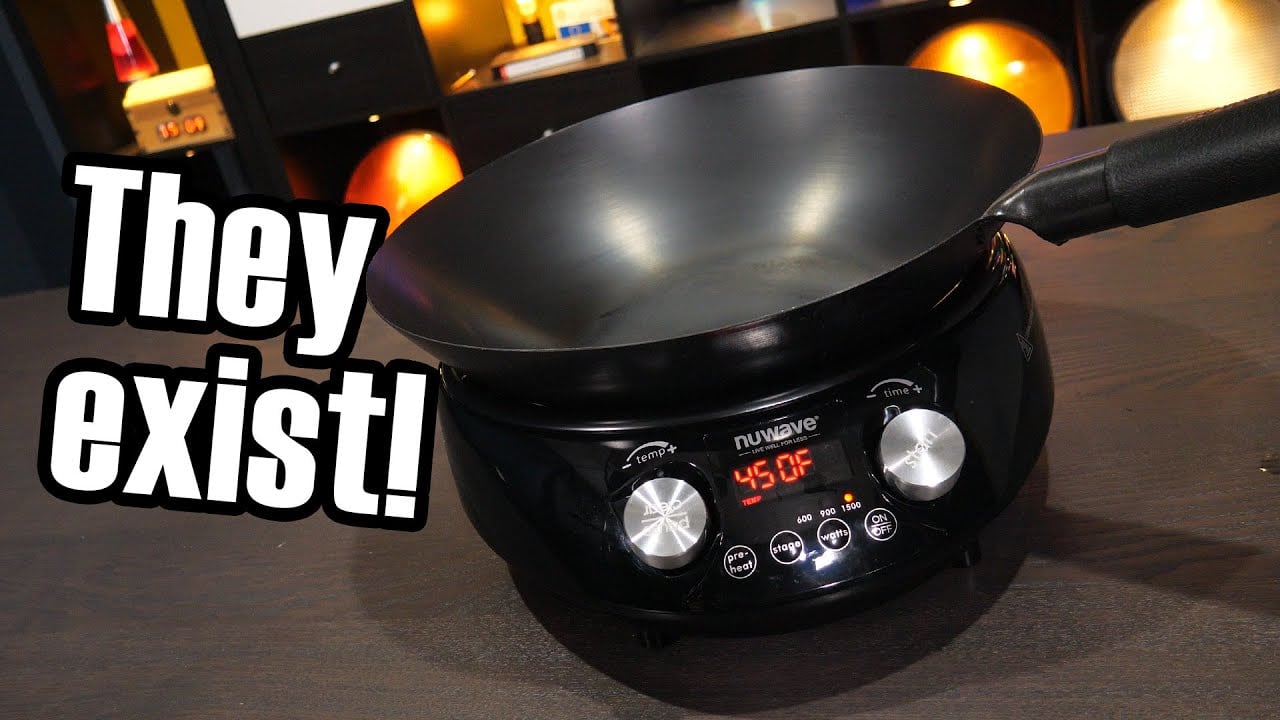
Video: Induction cooking – but what about woks?, Technology Connections. Open the educational video on YouTube.
No. Use only the arrangement permitted by the actual hob instructions; physical reach is not bridge approval.
No. Obtain the relevant bottom length and width and compare them with the appliance guidance.
No. A deep liquid-cooking vessel or rack system has a different task and handling method.
No. It does not provide a measured temperature distribution for every appliance combination.



