Induction cookware with a wooden handle needs separate checks for hob use and oven use. A compatible metal base does not make the handle suitable for the oven. Le Creuset’s care guidance specifically excludes its wooden-handled pans from oven use, and its Australian FAQ repeats that restriction for cast iron products with wooden handles. Identify your exact model and follow its own instructions; do not wrap, shield, remove, or replace the handle to improvise permission. If a recipe needs an oven-finishing stage, choose a vessel expressly approved for that whole method before you start cooking.
On an induction hob, the cookware’s base must meet the appliance’s compatibility and size requirements. In an oven, the complete product is exposed to a different heating environment. The vessel body, handle, lid, knob, finish, and attachments therefore need to be considered together. A statement about the metal base cannot be extended automatically to all those components.
A pan can be approved for a specified hob method while having a clear restriction on another method. This is not a contradiction in the instructions. It is a reason to read the whole product guidance rather than stopping at an induction symbol. The instruction limiting the assembled item takes priority over an assumption based on the metal body alone.
Do not borrow an oven temperature from a visually similar skillet with an integral metal handle. Even within one brand, different handle constructions may carry different instructions. A photograph of the bowl and cooking surface can conceal the very component that changes the answer. Ask for the exact product record, especially when buying a used, discontinued, or replacement-handled pan.
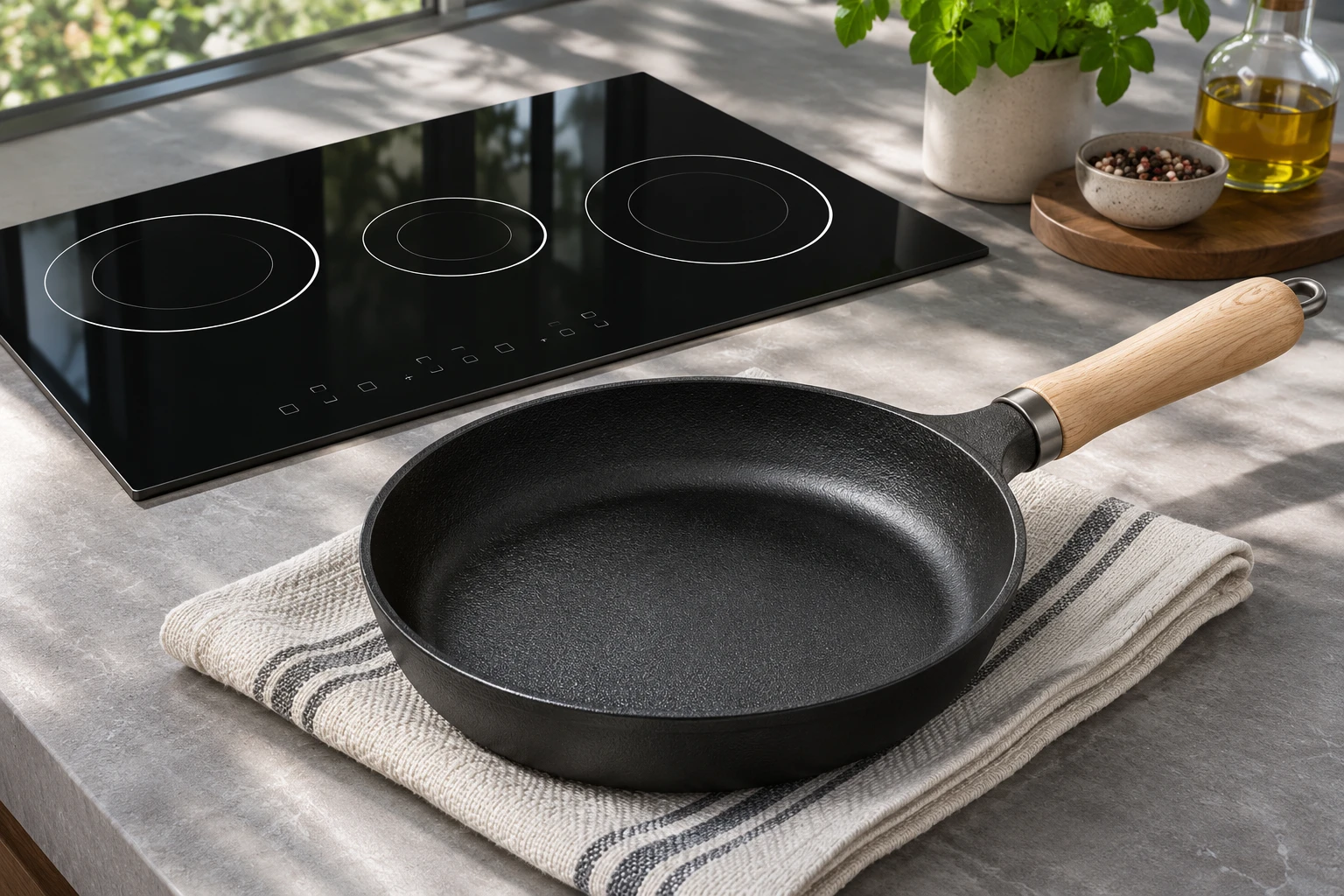
Start with the model name, underside marks, original packaging, and purchase information. Distinguish a wooden handle from a dark synthetic grip or a removable sleeve over another handle. These are different constructions, and visual resemblance cannot establish heat permission. If identification is uncertain, keep the item out of the proposed method and contact the maker with clear photographs.
Check whether the instructions describe the complete pan you have, including its lid and any accessories. A replacement part may not be equivalent to the original, and an online listing can combine photographs from more than one version. Do not assume that an aftermarket handle inherits the original product’s claims or that a family-level description settles a component-specific limit.
The manufacturer sources linked below provide a concrete wooden-handle example. They are not a universal certification system for every wooden-handled pan. For your item, retain the document version or product-page reference used for the decision. This makes a later support question easier to answer without relying on a remembered temperature or a general cooking forum recommendation.
A clear oven prohibition is a reason to choose a different vessel. It is not an invitation to remove a handle, cover it with foil, wet it, or position it outside a partly open oven. This article provides no disassembly procedure and no arrangement intended to bypass a manufacturer’s restriction. Changing the configuration can also change how the pan is supported and handled.
A removable-looking joint does not prove that the vessel is designed for cooking without the handle. A hook, threaded-looking end, or visible fixing may serve assembly or maintenance needs rather than consumer conversion. Only explicit instructions for the exact product could establish an approved alternative configuration. Do not infer that permission from the appearance of the joint.
If a handle is loose, cracked, altered, or unidentified, address that condition before any cooking use. Our separate loose cookware handle decisions article explains the stop-use and support route. This topic concerns a different question: a sound assembled pan may still be unsuitable for the oven because its documented method excludes that use.
| Question | Evidence to obtain | If unresolved |
|---|---|---|
| Hob compatibility | Exact base and appliance criteria | Do not assume from shape |
| Oven method | Complete-product permission | Choose another approved vessel |
| Handle identity | Actual material and model | Ask maker before use |
| Attachment condition | Sound documented assembly | Stop use and seek support |
| Recipe stages | Equipment for every heating step | Revise equipment plan first |
| Care method | Instructions for assembled item | Avoid borrowed cleaning rules |
This qualitative checklist organizes the exact-model instructions cited below. It supplies no universal rating, measured result or product approval.
Read ahead for changes in cooking method. A recipe that begins on the hob may later call for oven finishing, broiling, baking, or keeping the whole vessel warm. Select cookware documented for the complete planned sequence, or follow a recipe that explicitly provides an appropriate transfer stage. Do not improvise a transfer while holding a hot pan and trying to find another vessel.
If the instructions permit a transfer between separate suitable vessels, prepare the receiving vessel, landing area, utensils, and hand protection before heating. Follow the recipe’s food-handling directions as well as both products’ instructions. This guide does not establish a food-safe holding time or change the required cooking process; it helps you avoid choosing equipment that cannot follow that process.
For a model with a clear oven restriction, write that limit into your equipment note rather than relying on someone to remember it later. In a shared kitchen, keep the item’s instructions accessible. A concise identification record is more useful than a generic label saying heat resistant, which does not specify the permitted appliance or complete configuration.
For documented induction use, assess the usable underside, the appliance’s cookware criteria, and the space occupied by the handle. Our usable pan-base measurement guide separates base measurements from rim dimensions. The whole pan must sit as directed by the appliance manual, with suitable access to controls and without forcing adjacent cookware into an awkward position.
Do not assume that a wooden handle always remains cool or can be held without protection. Follow the pan’s guidance for the intended use and prepare suitable dry hand protection. Our dry oven-glove grip preparation article covers grip preparation. A comfortable material does not remove the need to check the complete handling route, the weight of the contents, and a stable separate landing place.
Keep unused accessories and care booklets off the glass and away from the cooking area. Check the pan’s underside and the appliance surface before use, and reposition according to the hob’s care instructions. This article supplies no scratch-proof claim for the pan, no safe clearance number, and no substitute for a model-specific installation or operation manual.
A dishwasher permission for a metal cookware body should not be extended automatically to a wooden handle. The linked Le Creuset guidance distinguishes wooden-handled products in its care advice. Read the instructions for the assembled item, and do not choose a cleaning method simply because another pan in the same collection permits it.
Allow the item to cool and follow the stated cleaning and drying method. Do not prescribe oil, solvent, abrasive, soaking duration, or replacement hardware from a general article. Those choices can depend on the material, finish, and assembly. When the care record is incomplete, ask the maker what is suitable for the exact product rather than experimenting with treatments.
A decorative change, darkening, or surface mark is not enough for this article to diagnose structural condition. Describe what you observe and request support if necessary. Keep photographs contextual: the whole pan, the joint, the handle, and the model information help identify the item. Do not heat-test a questionable handle to see whether it remains secure.
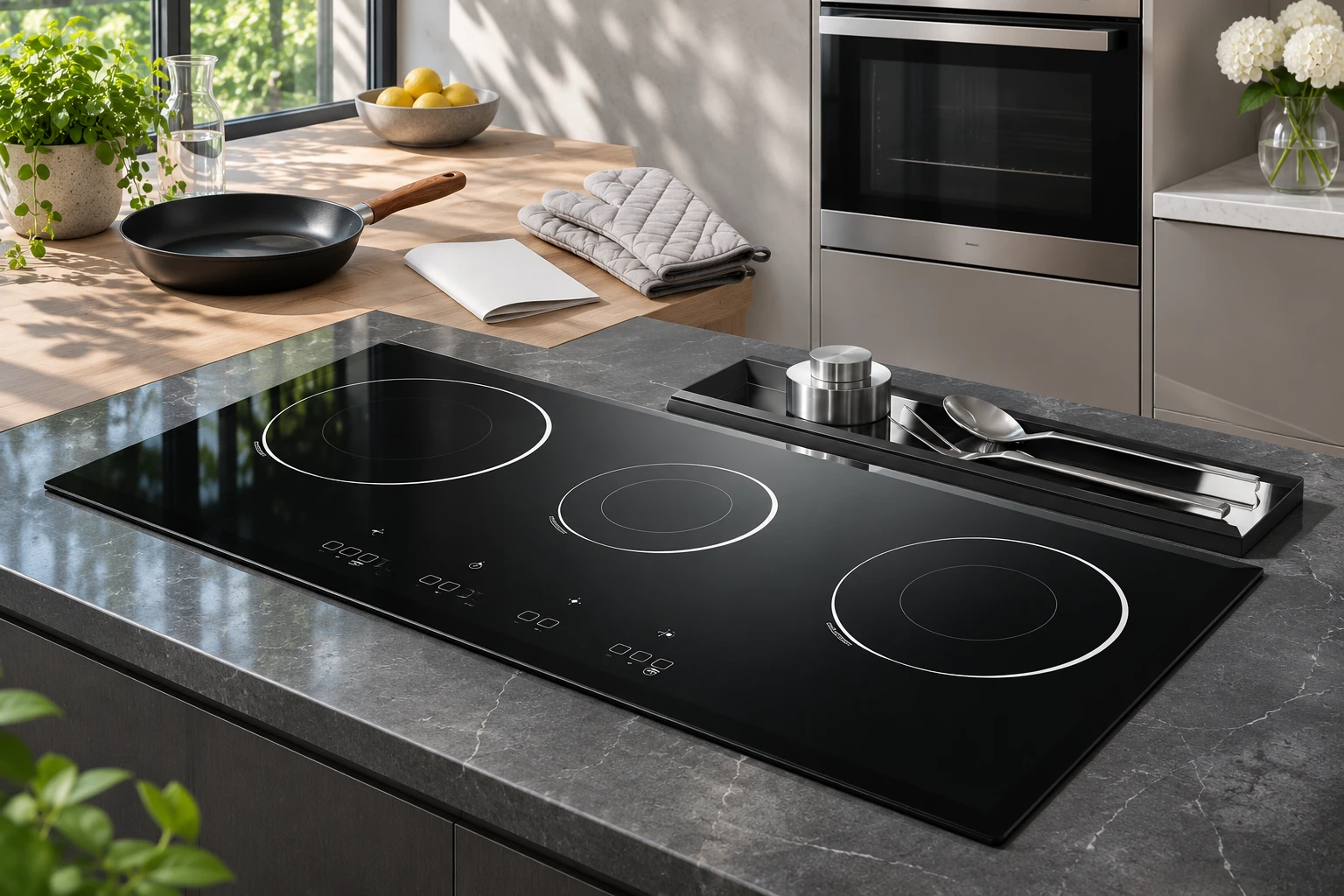
Kanger’s black glass-ceramic cooktop panels relate to the appliance’s glass surface. The panel does not determine whether a cookware handle can enter an oven. In a purchasing brief, distinguish the panel’s drawing and appliance requirements from the cookware maker’s operating instructions. A component supplier should not be asked to approve an unrelated assembled pan from a photograph.
Our stainless cookware and base guidance guide provides broader cookware and base context. A sound selection process records the compatible base, practical handle access, complete-product method permissions, and relevant care guidance together. None of these fields can replace another: a correct base can coexist with an oven prohibition, and an oven-approved body can be part of an assembled product with a limiting attachment.
Before ordering, ask the seller for the model, current care document, actual handle material, and permitted methods for the supplied configuration. If a recipe needs oven finishing, make that requirement explicit. If the answer remains uncertain, choose another documented vessel rather than buying on the assumption that a wooden grip can be dealt with later.
This neutral educational video explains induction cookware and appliance relationships. It provides background for separating the compatible base from the rest of the vessel. It does not assess a wooden handle, demonstrate an oven conversion, or certify a particular pan or Kanger panel installation.
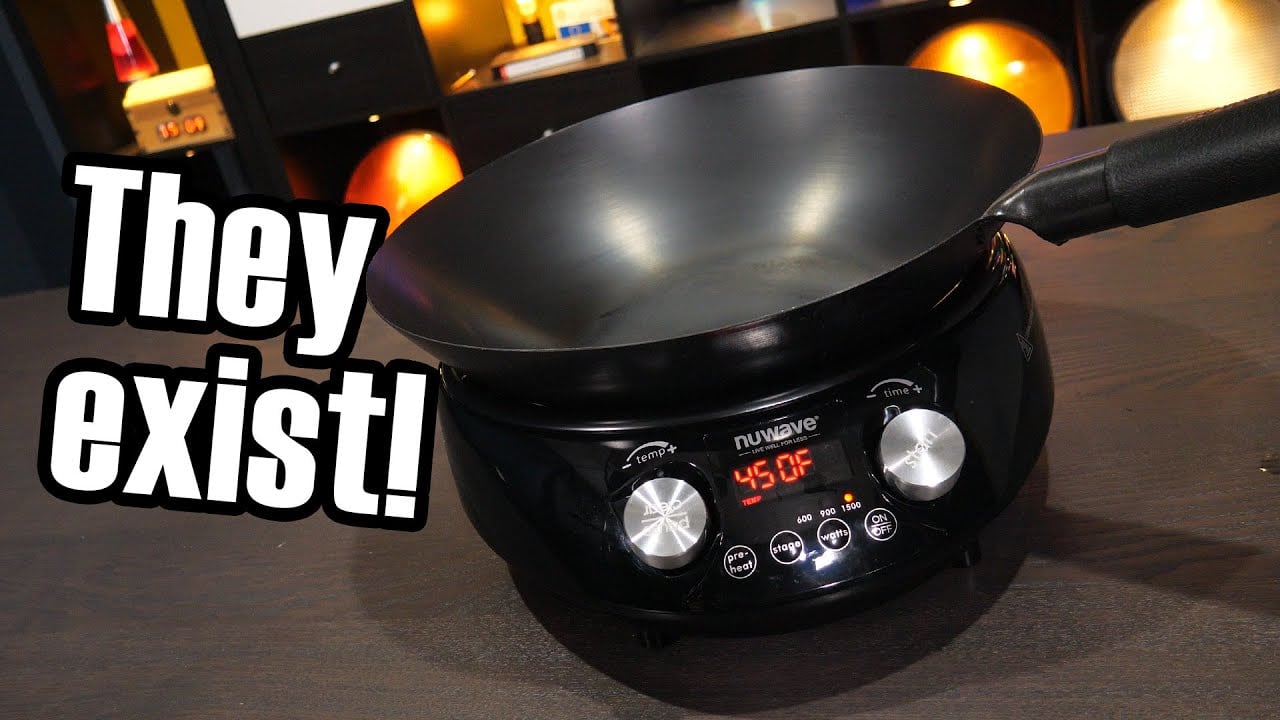
Video: Induction cooking – but what about woks?, Technology Connections. Open the educational video on YouTube.
No. Hob compatibility and oven permission are separate. Check the complete product’s instructions, including its handle, lid and attachments.
Do not improvise that conversion. A removable-looking joint does not establish an approved cooking configuration. Follow explicit instructions for the exact model or use another suitable vessel.
No workaround is approved by this guide. Follow the maker’s restriction and choose documented equipment for the required cooking method.
No. Wood, synthetic grips, sleeves and metal handles are different constructions. Identify the actual material and model rather than assigning permissions from color or appearance.
Cookware makers are cited for their own product instructions, not as glass suppliers or endorsements of Kanger. Model and market-specific guidance does not approve an unidentified item.



