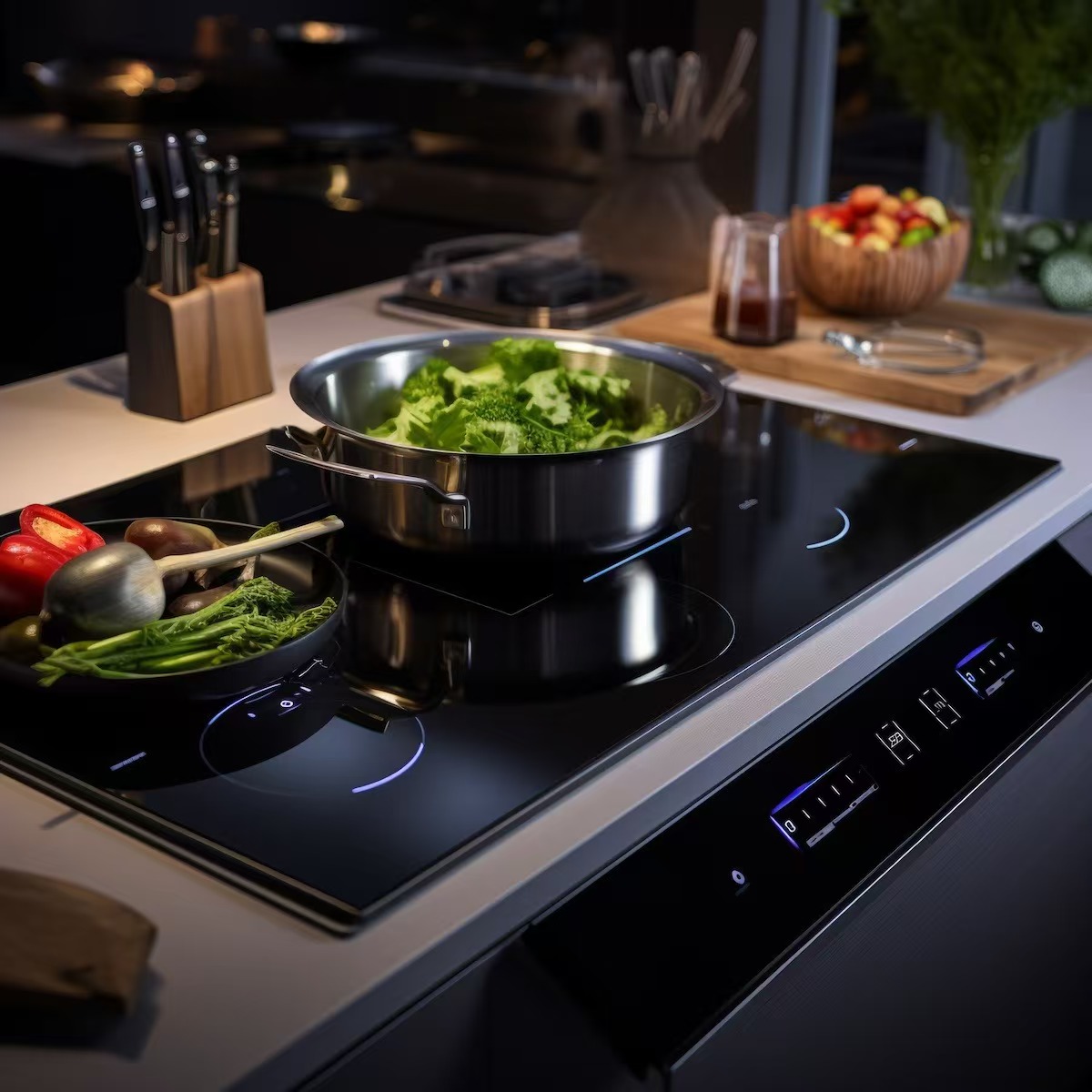
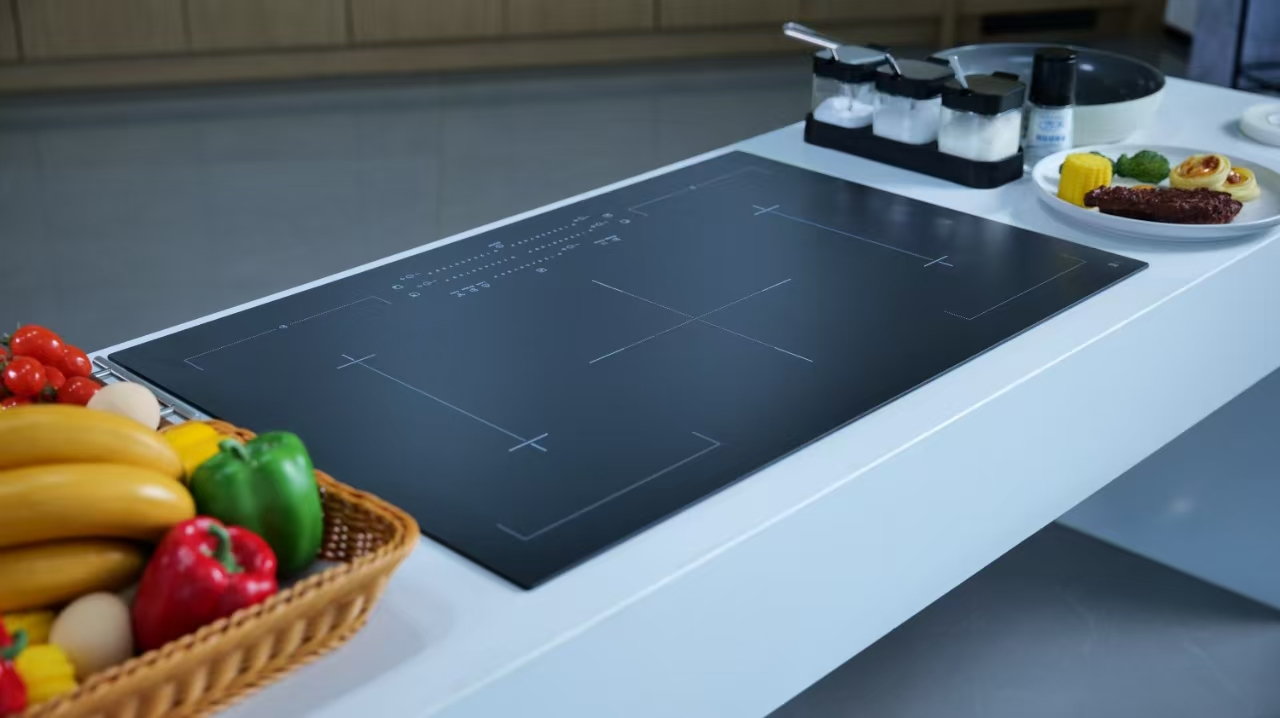
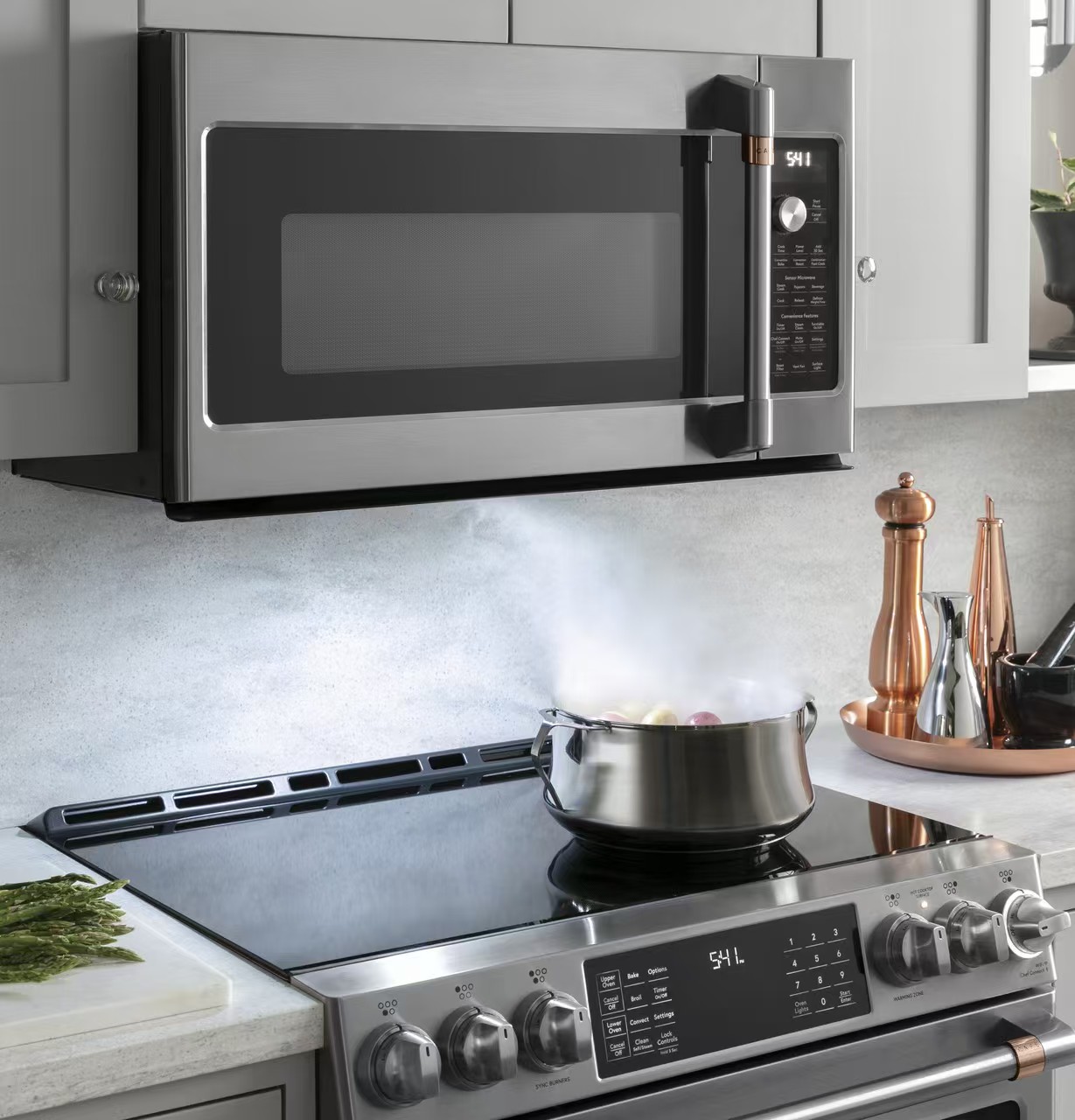
For cooktop and appliance-panel RFQs, “glass ceramic” and “ceramic glass” usually describe the same engineered glass-ceramic material class—not ordinary window glass or pottery ceramic. Buyers should normalize the material name, application, color variant, thickness, and thermal test fields before comparing supplier quotes.
This guide helps OEM sourcing teams, cooktop manufacturers, and importers align RFQ vocabulary with engineering datasheets. For brand context, see the Kanger glass-ceramic overview. For material comparison beyond wording, see the ceramic glass vs tempered glass comparison.
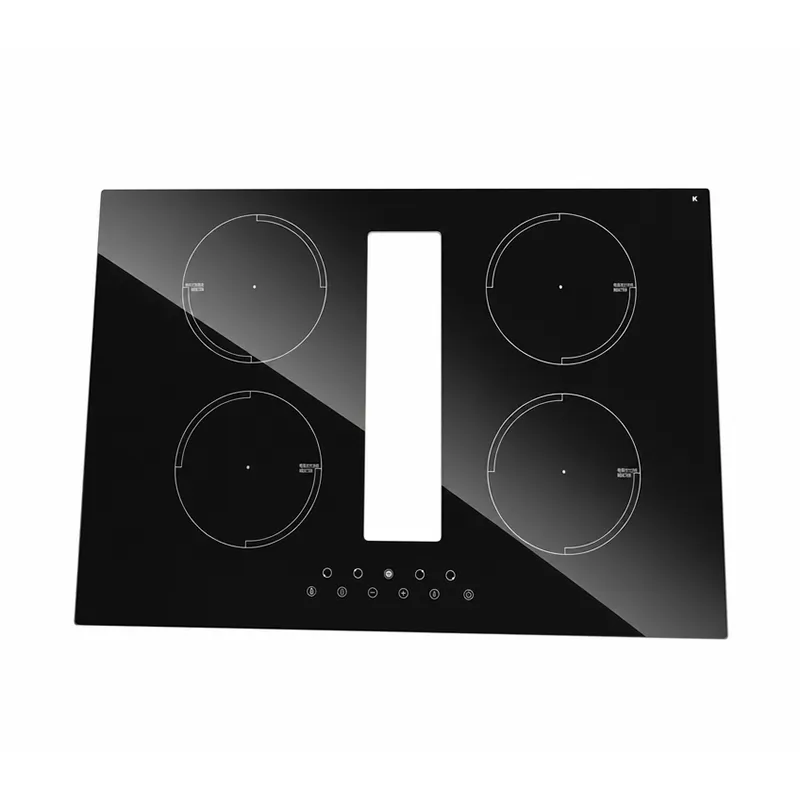
In appliance-panel procurement, both phrases typically point to glass-ceramic: a material made by controlled crystallization of glass so the panel keeps a smooth glass-like surface while gaining ceramic-like thermal stability. SCHOTT’s glass-ceramic materials overview describes this as a distinct class combining aesthetics and high-temperature performance.
Consumer content often treats “glass cooktop” and “ceramic cooktop” as interchangeable marketing labels for one smooth heating surface. That habit creates RFQ noise: buyers copy consumer wording while engineers expect datasheet fields. For B2B teams, the priority is not winning a grammar debate—it is making sure every supplier quotes the same material class.
| RFQ phrase seen | Likely intended class | Action |
|---|---|---|
| glass ceramic cooktop panel | glass-ceramic cooktop panel | Standardize to “glass-ceramic” in the spec header |
| ceramic glass for induction cooker | glass-ceramic induction panel | Add heating type + thickness + edge finish |
| cooktop glass / ceramic glass plate | glass-ceramic panel | Attach drawing; do not use “cooktop glass” alone |
| heat resistant glass panel | undefined | Specify cooktop vs fireplace vs oven door application |
Important: Word order alone does not prove a different factory grade. Two suppliers can use different labels for the same LAS-type cooktop panel. Compare completed datasheets, not adjectives. — Source: SCHOTT glass-ceramic materials overview
Glass-ceramic is not soda-lime window glass and not traditional pottery ceramic. Ordinary annealed or tempered soda-lime glass lacks the near-zero thermal expansion behavior expected in cooktop panels. Pottery ceramic refers to a different material family used in cookware bodies, not transparent or semi-transparent appliance panels.
Engineering durability on a cooktop comes from:
SCHOTT CERAN® technical documentation illustrates how cooktop-grade glass-ceramic is discussed using RTD and thermal shock language. Those fields belong in OEM RFQs even when marketing copy only says “durable” or “heat resistant.”
| Material label | Typical appliance use | RFQ risk if confused |
|---|---|---|
| Glass-ceramic (LAS-type) | Cooktops, some heating observation windows | Low expansion assumed |
| Borosilicate glass | Oven/microwave observation doors | Different thermal/chemical profile |
| Tempered soda-lime | Appliance doors, hood panels | Not interchangeable with cooktop glass-ceramic |
| Pottery ceramic | Cookware vessels | Wrong material family for panels |
Hyphenation mainly affects clarity, not chemistry. “Glass-ceramic” (hyphenated) is the most common technical spelling in manufacturer literature. “Glass ceramic” and “ceramic glass” appear frequently in B2B marketplaces and legacy buyer specs.
Standardize three elements in every document set:
glass-ceramic) and use it in title blocks| Document | What to normalize |
|---|---|
| RFQ email | Material class + drawing number |
| Purchase spec | Application + color + thickness |
| Quality plan | Thermal test fields + inspection criteria |
| Marketing brief | Consumer label (optional) separated from engineering spec |
If a supplier returns a quote for “ceramic glass” while another quotes “glass ceramic,” require both to complete the same datasheet template before price comparison.
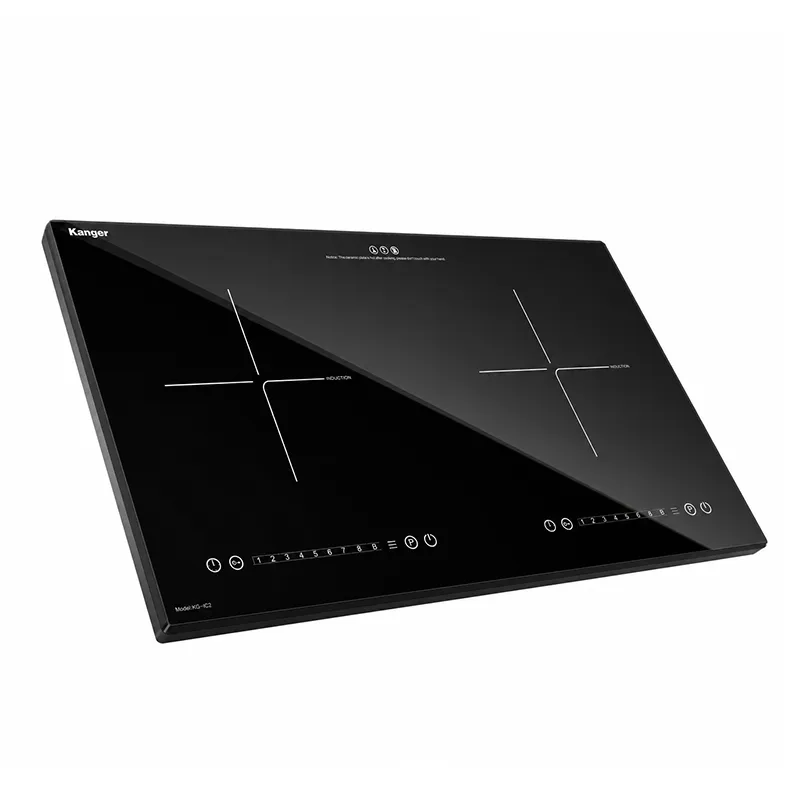
Application language prevents correct material from being quoted for the wrong duty. Kanger’s public portfolio groups appliance glass into cooktop microcrystalline panels (black, white, transparent, shaped), tempered appliance panels, and borosilicate oven/microwave glass. Terminology should route buyers to the correct line before discussing color.
| Buyer wording | Engineering application | Typical Kanger route |
|---|---|---|
| glass ceramic cooktop / ceramic glass cooktop | Cooking surface panel | Black / white / shaped cooktop lines |
| glass ceramic fireplace door | High-temperature observation assembly | Transparent glass-ceramic line |
| inspection window glass | Appliance observation port | Transparent line + drawing |
| oven glass ceramic / microwave glass ceramic | Door or cavity glass | Borosilicate or tempered line—not assumed cooktop grade |
| cover plates glass | Cooktop cover or protective plate | Cooktop line + edge specification |
Published Kanger messaging for the black cooktop line cites rapid temperature rise up to 750°C and very low thermal expansion. White and shaped lines publish different temperature bands on the public products narrative. Treat those figures as line-level marketing context until a drawing-specific datasheet is approved.
Regardless of whether the buyer wrote “glass ceramic” or “ceramic glass,” require the same technical fields. Industry datasheets such as Eurokera Keralite transparent glass-ceramic sheets show the pattern: CTE, maximum continuous-use temperature, ΔT resistance, thermal shock resistance, thickness, and available processing options.
| Field | Why suppliers need it |
|---|---|
| Drawing or CAD with finished dimensions | Quotes depend on size, holes, and cutouts |
| Thickness and tolerance | Affects strength and heating behavior |
| Color / opacity class | Black, white, transparent, or printed |
| Heating technology | Induction, infrared, gas overlay, or multi-zone |
| CTE target or “supplier standard cooktop grade” | Prevents soda-lime substitution |
| RTD / RTS requirement or reference test method | Defines thermal durability evidence |
| Edge finish and corner radius | Impacts assembly and stress |
| Printing / logo / coating side | Process routing and inspection |
| Required compliance documents | Model-specific; request list without assuming pass |
Several high-volume phrases in keyword research belong in hold_review for cooktop panel RFQs:
Mixing those terms into a cooktop RFQ invites the wrong material class or a consumer marketing article tone. Keep consumer phrases in market research files; keep the RFQ in engineering nouns.
| Scenario | Recommendation |
|---|---|
| Need cooktop heating zone panel | Glass-ceramic cooktop line with drawing |
| Need fireplace observation glass | Transparent glass-ceramic line |
| Need oven door viewing glass | Borosilicate or tempered line per duty |
| Need architectural facade glass | Out of scope for appliance glass-ceramic RFQ |
| Only have consumer “ceramic cooktop” wording | Rewrite spec using fields in Part 5 before sourcing |
After normalizing language, route the RFQ to the correct Kanger entry point:
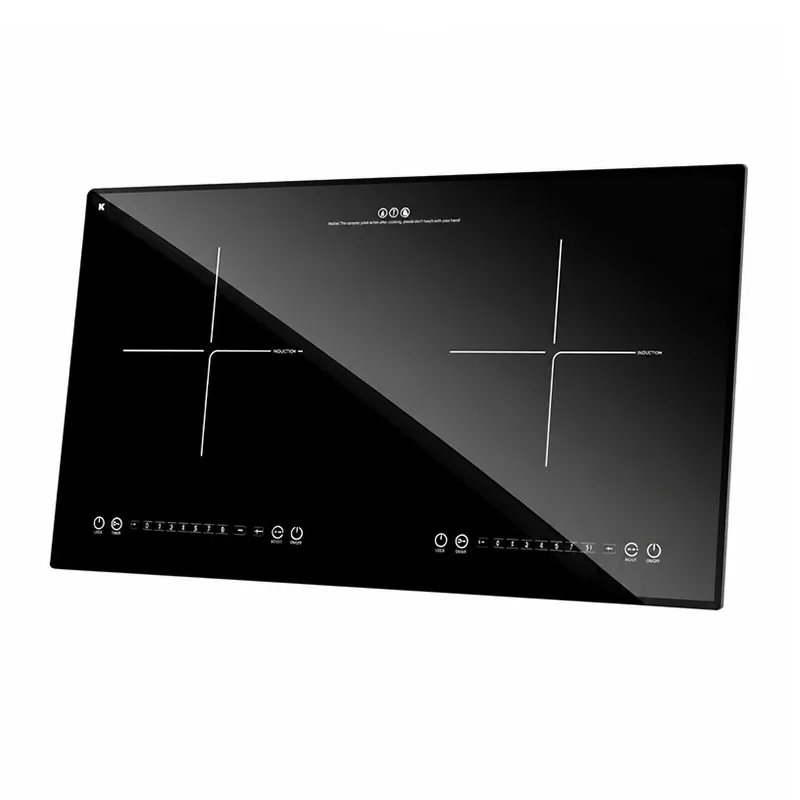
Use this routing table in internal sourcing notes:
| Normalized RFQ header | Send to |
|---|---|
| Glass-ceramic cooktop panel, black | Black cooktop product line |
| Glass-ceramic cooktop panel, white | White cooktop product line |
| Glass-ceramic cooktop panel, shaped/concave | Shaped cooktop product line |
| Transparent glass-ceramic fireplace/observation | Transparent fireplace line |
| Tempered appliance panel | Tempered glass line |
| Borosilicate oven/microwave door | Borosilicate line |
For additional cooktop context without duplicating this terminology focus, see the ceramic cooktop glass overview.
Are glass ceramic and ceramic glass the same for cooktops?
For cooktop panels, both phrases usually refer to glass-ceramic. Confirm with the supplier datasheet, not the word order.
Is glass-ceramic the same as tempered soda-lime glass?
No. Tempered soda-lime glass follows a different material system and duty rating. Cooktop panels require glass-ceramic grades with low expansion and defined thermal shock behavior.
Why do suppliers use different word orders?
Marketplace listings, legacy buyer specs, and translation habits vary. Standardize the RFQ header and require the same technical fields from every bidder.
What applications use glass-ceramic panels?
Common applications include cooktop surfaces, some fireplace or heater observation windows, and selected appliance viewing assemblies. Route oven and microwave duties separately.
What should an RFQ include besides the material name?
Include drawing, thickness, color, heating type, edge finish, thermal metrics, and required test documents.
Can consumer “glass top stove” wording replace an engineering spec?
No. Consumer labels are useful for market research but must not replace material class and thermal fields in OEM documents.
Which Kanger line matches a black cooktop glass-ceramic RFQ?
Use the black glass-ceramic cooktop product line entry and attach the panel drawing for confirmation.