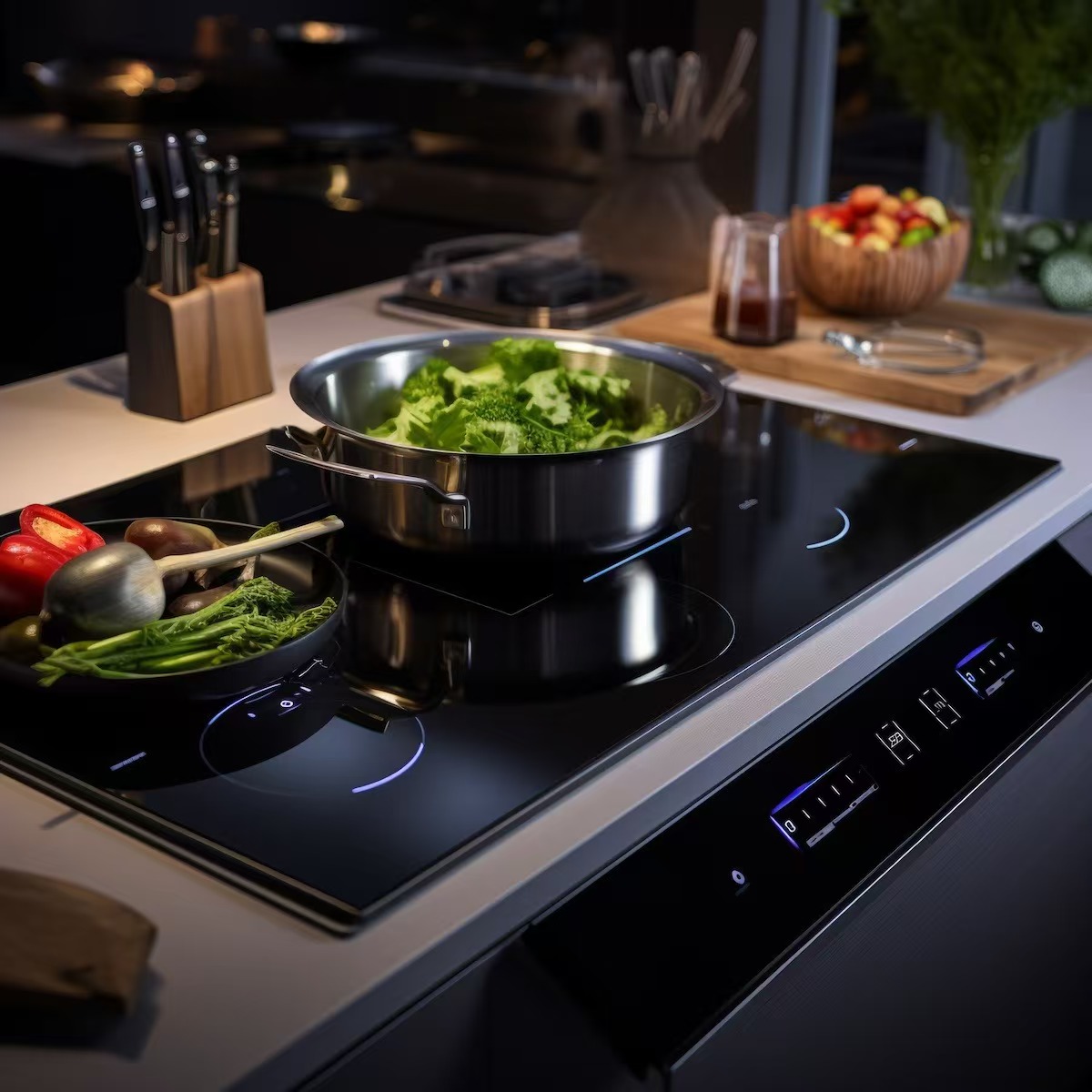
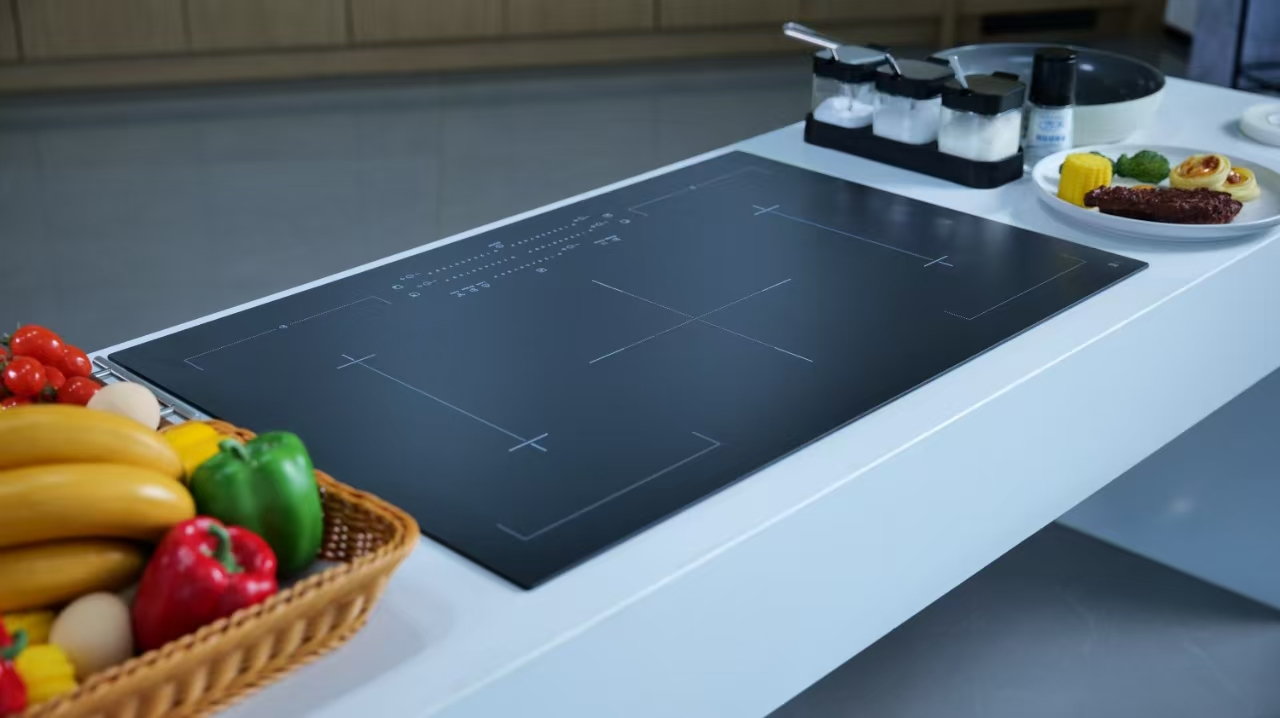
Define an infrared-heater glass-ceramic panel request with the appliance duty, exposure environment, mounting/interface conditions, controlled drawing, processing and finish, sample questions, destination market, and approval owner. A material name or product photograph is not an unverified temperature or safety rating.
An infrared-heater project can involve a visible cover, a radiant-facing panel, a decorative surface, or another appliance-specific glass position. Those positions should not be collapsed into one generic “heat-resistant glass” request. A reviewable brief connects the panel to the heater and records what remains unconfirmed.
Start by stating whether the panel is a visible cover, radiant-facing surface, inspection area, control-area cover, or another defined position. Add the heater type, operating sequence, exposure direction, and whether the sample is loose or installed. A supplier cannot select or confirm a panel route from the phrase “infrared heater” alone.
The KANGER transparent glass-ceramic product route lists infrared heaters and heating equipment among its applications. That statement identifies a product-family enquiry route; it does not assign a universal rating to every heater design.
Important: Do not infer a heater temperature, thermal-shock result, electrical insulation, or safety certification from a material name or photograph. Keep the exact product, appliance, market, and test basis together. — IEC and CSA standards catalogue
Record what surrounds the panel: air flow, frame or retainer, seals, supports, nearby controls, cleaning exposure, radiant direction, and any contact or clearance condition defined by the appliance drawing. These fields help the supplier distinguish a cover panel from a component that sees a different environment.
The transparent infrared-panel viewing-window RFQ guide covers a different viewing-window intent. Link to it when the request is genuinely about seeing a cooker or heater area; keep this article focused on the heater-panel request and its evidence boundary.
Attach the current drawing revision and list the panel outline, reference edges, holes, cutouts, corner treatment, thickness callout, face orientation, and hidden or visible zones. State the requested processing route—such as trimming, chamfering, polishing, drilling, printing, decoration, or coating—only when it is part of the project brief.
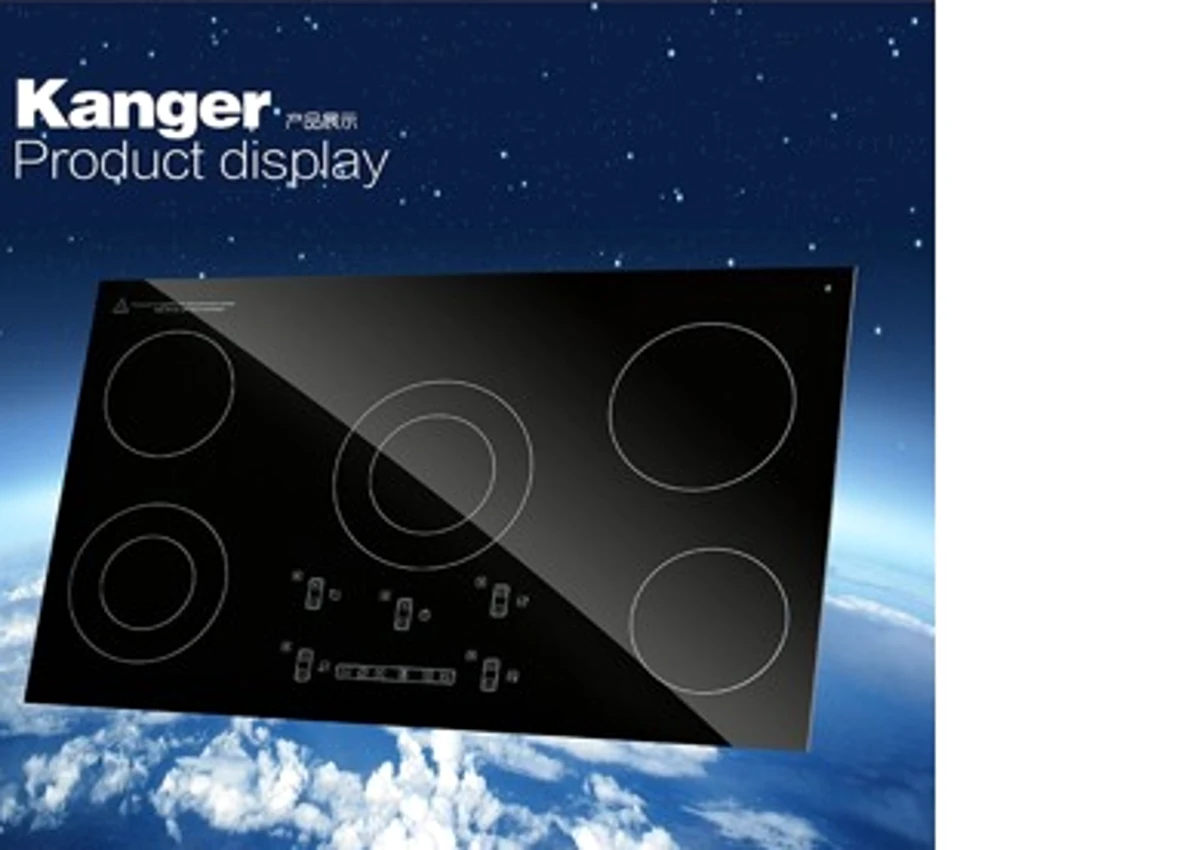
The ASME Y14.5 overview provides useful drawing-reference context. It does not supply a tolerance or heater rating for this project. If a feature is not controlled, mark it as an open question instead of filling the gap with a guessed number.
An infrared heater may include electrical controls, insulation, wiring, thermal protection, mounting parts, and a complete enclosure. The glass-panel request should name the approval owner and destination market, while the appliance team keeps the system-level safety and certification plan.
An applicable electric heating-appliance standard is not a declaration that a KANGER panel is certified to it. Use the IEC homepage and the CSA standards catalogue to identify the applicable market route with the responsible appliance team.
Keep the fields answerable and tied to the project revision.
| Buyer should provide | Why it matters | Common mistake |
|---|---|---|
| Heater type, duty, and exposure direction | Distinguishes cover, radiant-facing, and viewing positions | Sending only the word “infrared” |
| Environment and mounting/interface sketch | Shows supports, seals, controls, and surrounding parts | Omitting the frame or retainer |
| Controlled drawing and revision | Gives the supplier one geometry reference | Mixing old and current drawings |
| Face, finish, decoration, and clean zones | Connects processing to the correct surface | Assuming a product image defines all zones |
| Sample quantity and review questions | Makes the sample decision explicit | Requesting a sample without questions |
| Destination market and approval owner | Assigns system-level safety work | Asking the glass supplier to certify the heater |
Use ISO 9001 as general process context for controlled information and changes; do not turn it into a product-performance claim.
This guide fits OEM sourcing, design, and quality teams preparing an infrared-heater glass-ceramic enquiry. It does not determine a temperature rating, thermal-shock limit, electrical clearance, insulation result, installation method, certification, or final heater performance.
When a rating is needed, write down the exact test method, specimen, condition, acceptance owner, and product revision before asking for a conclusion. The KANGER products overview can help route a different glass family, but it cannot resolve an unprovided heater duty.
The transparent glass-ceramic product route is the relevant starting point when the application matches its listed infrared-heater or heating-equipment context. Attach the drawing, environment notes, interface sketch, processing request, quantity, destination market, and sample questions.
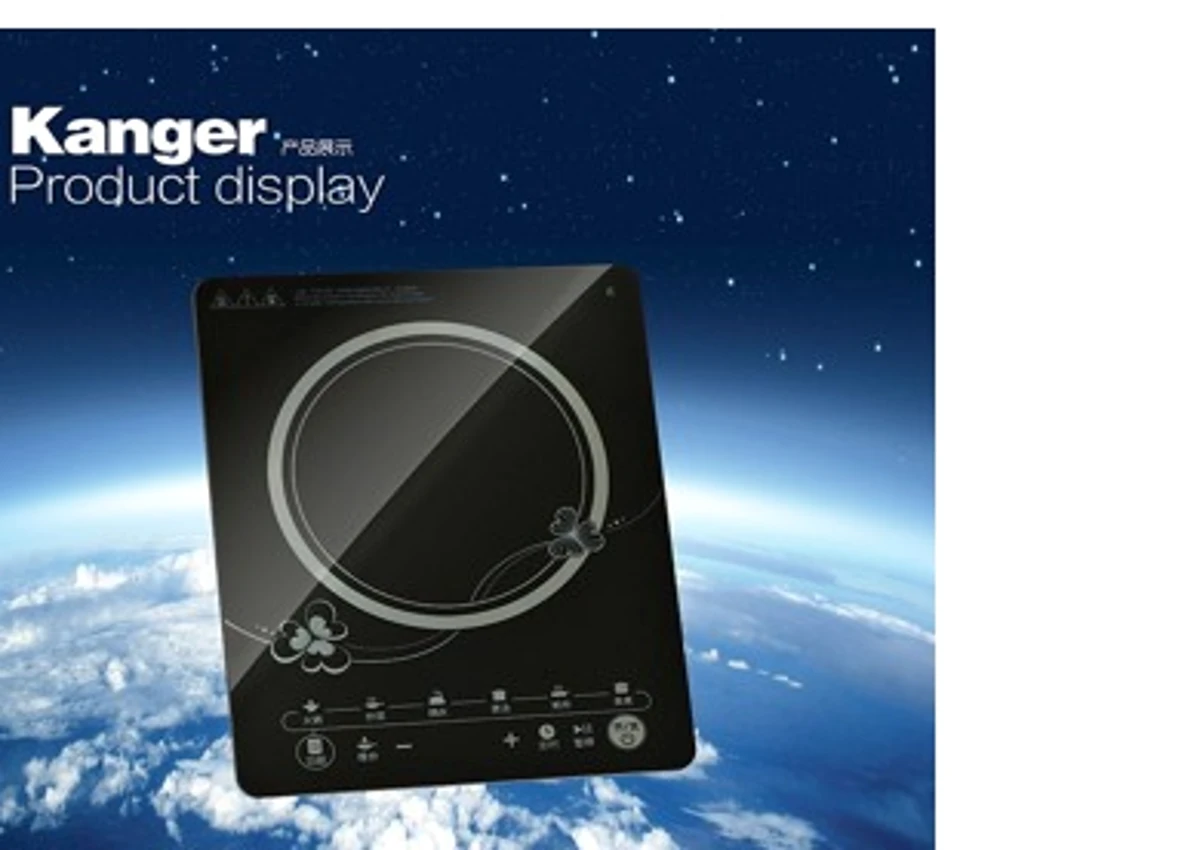
For a project-specific response, contact KANGER. Ask for unresolved fields to be returned against the same revision so that a sample discussion does not silently become an approval.
The answer depends on the heater position, exposure, interface, and project evidence. KANGER’s transparent glass-ceramic page lists infrared heaters and heating equipment as applications, but final suitability remains project-specific.
Name the heater duty, exposure environment, mounting/interface, drawing revision, face and finish, processing, quantity, destination market, and sample questions.
Only when the exact product, test condition, acceptance basis, and revision are documented. A material name, photograph, or general product page is not enough.
Include the appliance duty, environment, interface sketch, controlled geometry, processing and finish, sample quantity, review questions, and approval owner.
No. Complete electrical, thermal, installation, enclosure, and destination-market approval remains with the appliance-level compliance plan.
Ask the supplier to confirm the understood panel position, drawing revision, interfaces, finish, open evidence questions, and any information still needed for a project-specific review.