Induction cookware burnt food removal starts with the pan’s actual cooking surface and its care instructions, rather than a universal scrubber or chemical recipe. Let the vessel cool safely, identify whether its interior is coated or uncoated, and use only the method permitted for that model. Keep cleaning off the hob. If residue hides possible damage or the finish starts coming away, stop the cleaning attempt and request manufacturer advice before returning the vessel to use.
This guide is a decision workflow for food left inside cookware. It does not address melted material on the glass panel or certify an overheated pan as safe. An induction-compatible base does not make every interior finish suitable for the same care process.
If the event is still active, concentrate on the cooking hazard first. The U.S. Fire Administration cooking safety guidance explains why attention and appropriate responses to cooking fires matter. Do not turn a smoking or burning incident into a cleaning experiment. Follow the appliance and local emergency guidance appropriate to the situation; this article begins after the vessel can safely be handled.
Keep people away from hot handles and the cooling area. A pan that no longer looks hot can still need time before handling. Do not carry it across a busy room simply to start washing sooner. Use the handling and cooling instructions for the vessel, and keep the empty space around the appliance free of towels and cleaning products.
Locate the model reference and the cookware leaflet. A stainless outer shell, an induction symbol or a brand name does not settle which surface contacts the food. Check whether the interior is an uncoated metal, a nonstick coating, enamel or another finish. The care method must match that surface and any other exposed components.
For a mixed set, identify the individual piece. A saucepan and frying pan sold together may require different cleaning tools. If the instructions are missing, obtain the matching document from the maker rather than borrowing one from a similar-looking item. Use checking stainless cookware for induction for the distinct question of whether a stainless vessel’s base suits the hob.
Inspect the cooled pan under ordinary light without scraping at it. Record whether food covers the whole base, follows a cooking ring or sits in a localized patch. Photograph any visible lifting finish, joint opening or other concern before you change its appearance. A burnt meal and a damaged vessel are different questions, even if they occurred together.
Do not use smell, a photograph or successful pan recognition as proof that all components remain sound. If there was a severe overheating event or the construction looks changed, ask the manufacturer what inspection is required. Cleaning can remove residue; it cannot by itself establish the condition of a coating, handle assembly or bonded base.
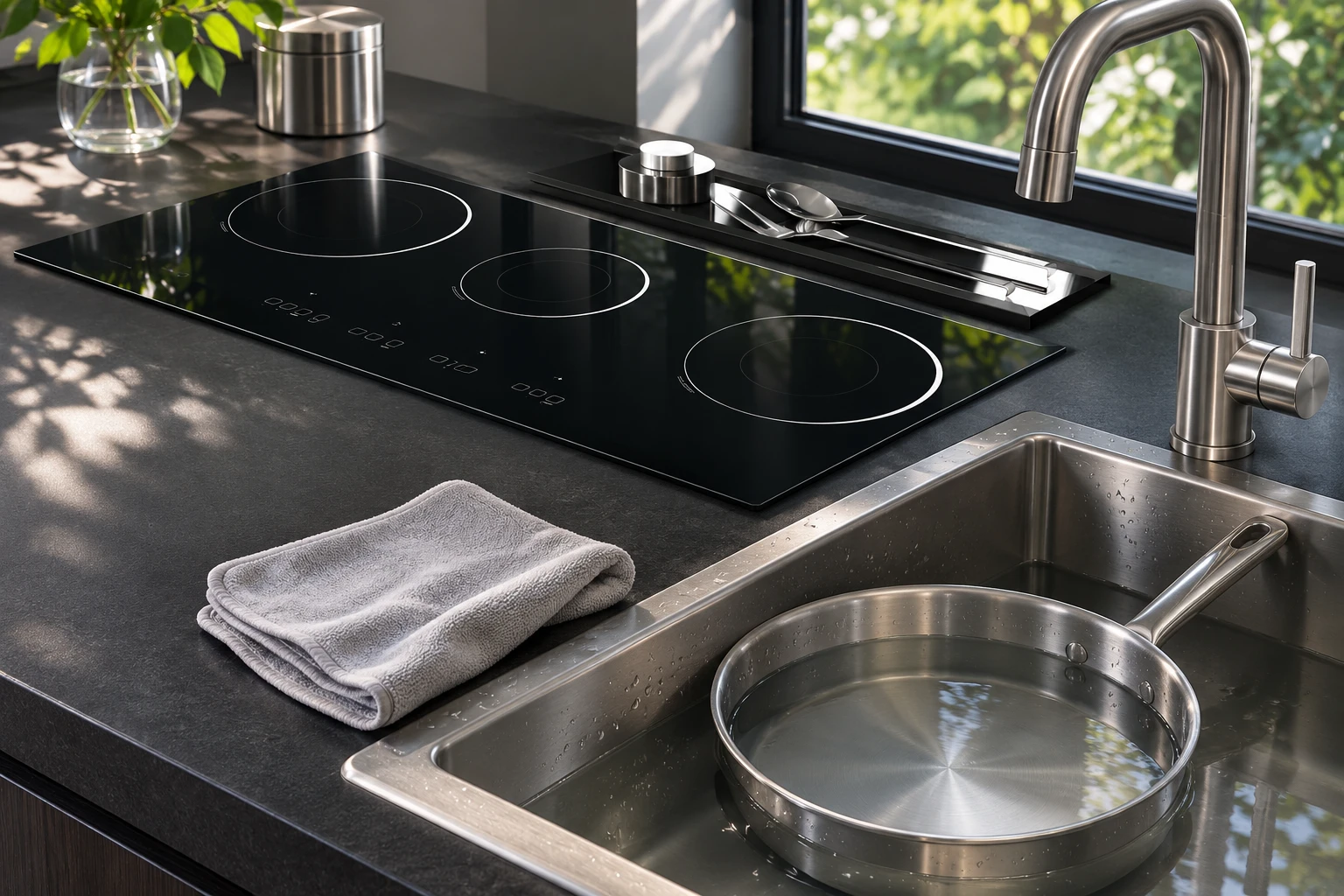
The All-Clad care guide separates its stainless and nonstick product care. Its instructions demonstrate why the product category matters. They do not approve a cleaner for an unidentified pan. Use the relevant maker’s own procedure, including its limits on soaking, cleaning agents and contact with handles or attachments.
Set out the permitted soft tools, a suitable washing location and the care leaflet before starting. Follow the stated sequence rather than adding a second household remedy midway. Never mix cleaning chemicals. If the manufacturer names a commercial product, check that you have the correct formulation and follow its label as well as the cookware instructions.
Where the model instructions permit a soak or gentle washing, follow their conditions. Check progress without increasing pressure simply because a patch remains. Rinse and inspect as directed so you can distinguish a loosened deposit from a change in the finish. A longer or hotter process is not automatically an improvement over the specified method.
If the first permitted attempt leaves an unexplained patch, photograph the result and ask support what to do next. Do not introduce sharp blades, power tools or abrasive compounds as improvised rescue steps. The practical objective is an assessed usable vessel, not the removal of every visible mark regardless of what happens to its surface.
| Finding | Check first | Action to document |
|---|---|---|
| Residue on an identified intact finish | Exact care instructions | One permitted cleaning method and its result |
| Interior finish is unknown | Model-specific product description | Request identification before choosing chemicals |
| Coating appears to lift or flake | Photographs before further treatment | Stop and ask the manufacturer to assess |
| Food remains after permitted care | Cleaner, tool and sequence already used | Seek the next approved step instead of escalating abrasion |
| Exterior base carries residue | Permitted exterior-care method | Clean separately and inspect before use |
This checklist organizes the enquiry. It supplies no universal soak duration, temperature or chemical dose. Product-specific care and any service instructions take priority over a general cleaning suggestion.
A clean interior does not mean the underside is ready. Check the cold base for loose residue and anything that may transfer to the cooking panel. Use only the permitted exterior method and dry the vessel as directed. Keep the hob clear while doing this; the glass surface is not a support for scraping tools or dirty cookware parts.
If a spill reached the appliance, deal with it through the separate appliance instructions. responding to an induction hob boil-over describes the distinction between cleanup and restart decisions. A pan cleaner must not be assumed compatible with the panel’s markings, trim or seals. Keep the two cleaning tasks and their tools separate when product directions differ.
Write down the actual cooking setting, food and sequence while the event is fresh in memory. Note whether the issue occurs with one vessel or with several, without conducting new high-heat tests. Support can use that account to ask the right questions. It is more informative than a statement that induction always burns food.
Review the recipe and the matching cookware instructions before the next attempt. Induction controls, vessel geometry and food preparation are separate variables. Do not make a blanket change to all cookware based on one meal. If an appliance fault is suspected, use its service route rather than treating vigorous pan cleaning as a repair.
Store the applicable care instructions where another user can find them. Identify which tools belong to coated interiors and which are permitted for other surfaces. Keep products in their original containers. A simple named process reduces the chance that someone will repeat a harsh cleaning attempt without knowing what has already been used.
For staff or rental-property handovers, include the exact model and a contact route for unresolved residue. Avoid a vague instruction to “scrub until clean.” It leaves the user to guess the finish, tool and acceptable force. A documented stopping point also preserves evidence when a maker needs to assess a possible defect or misuse concern.
A visibly cleaner pan is a cleaning outcome. It is not an independent material test, a renewed warranty or confirmation that an earlier overheating event caused no damage. Keep any manufacturer assessment separate from before-and-after photographs. Where support asks for an inspection, follow that process instead of treating appearance as the final decision.
Likewise, a remaining discoloration is not enough to name a structural failure. Describe it accurately and request guidance. Avoid discarding an otherwise assessable item solely because an online image looks similar, and avoid approving it solely because a forum calls such marks normal. The responsible maker can relate the observation to the particular construction.
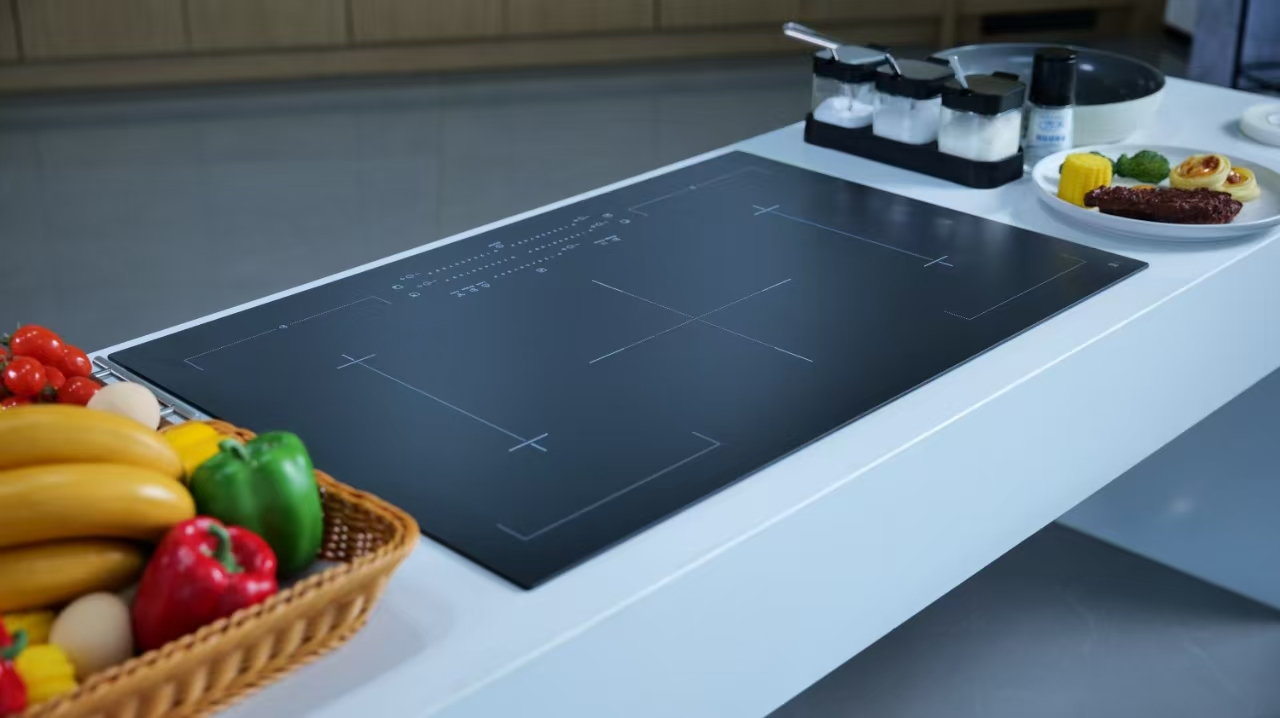
Kanger black glass-ceramic cooktop panels and the black glass-ceramic material guide concern the glass-ceramic panel side of the system. A project handover should explain who handles cookware care and who handles panel or appliance service. Include separating films and marks on hob glass for the separate question of films on hob glass, keeping its procedures out of the pan-care instructions.
For a distributor, the useful outcome is a clear route from a customer’s photo to the right product record. Record the surface, model and care already attempted before recommending any treatment. That helps prevent a cookware incident becoming a panel-cleaning problem and keeps unsupported compatibility promises out of the after-sales response.
This independent explanation covers induction heating and vessel geometry. It provides background for separating the heating system from the cooking surface; it does not demonstrate corrosion diagnosis, cleaning chemicals or utensil durability.
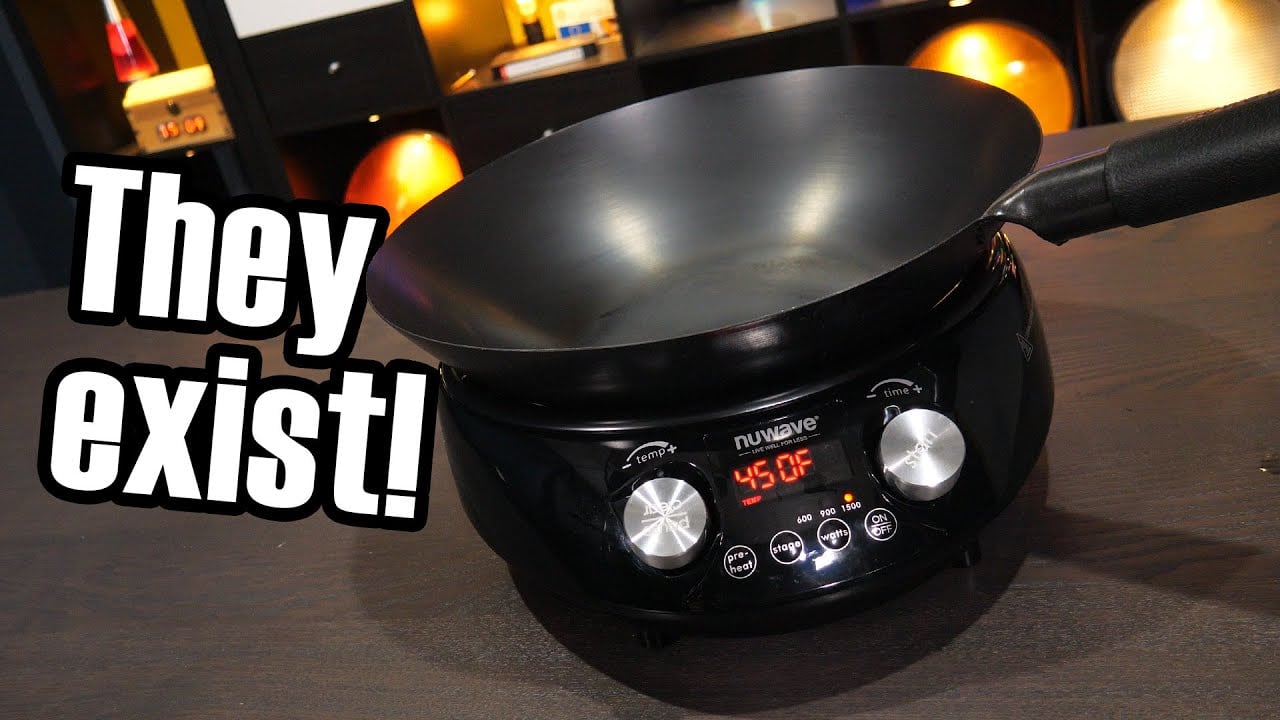
Video: Induction cooking – but what about woks?, Technology Connections. Open the educational video on YouTube.
No. The heating compatibility of the base does not identify the interior finish. Follow the exact vessel’s care instructions.
Follow the maker’s cooling and handling directions. Do not rush a hot vessel into an improvised cleaning process.
Record the method and the result, then ask the maker for the next permitted step. Avoid escalating to sharp or powered tools.
No. Cleaning appearance does not assess every component. Ask the manufacturer about inspection when damage or a severe event is suspected.