Induction cookware exposed copper band care starts by identifying the exact cookware and the surface that needs attention. A narrow decorative band around a stainless pan is different from its cooking interior, induction base or a fully exposed copper vessel. Let the pan cool, consult the current model instructions and use only a cleaner approved for the surface concerned. A change in shine does not by itself establish structural damage, and polishing does not resolve a sharp edge, loose attachment or damaged base.
A copper-colored feature may be exposed metal, a coating or part of another finish. Begin with the maker’s product description instead of deciding by color alone. Record the collection, model, purchase market and any relevant markings. If the product is unidentified, ask the manufacturer before applying a specialist cleaner. A container labelled for copper is not evidence that every neighboring surface tolerates it.
All-Clad’s current support information describes tarnishing of the exposed band on its Copper Core cookware and recommends a copper-approved commercial cleaner for restoring that detail. That statement concerns the identified collection. It should not be transferred to another brand, to a coated copper-colored pan or to a damaged bonded edge. Check the current instructions for the item you actually own.
Separate the observation into location and appearance. Is the change confined to the narrow exterior band, spread over stainless steel, or associated with an edge you can no longer safely handle? A clear photograph of the whole pan plus a close view of the affected area is more useful than calling every stain corrosion. Avoid rubbing an unknown sharp edge while examining it.
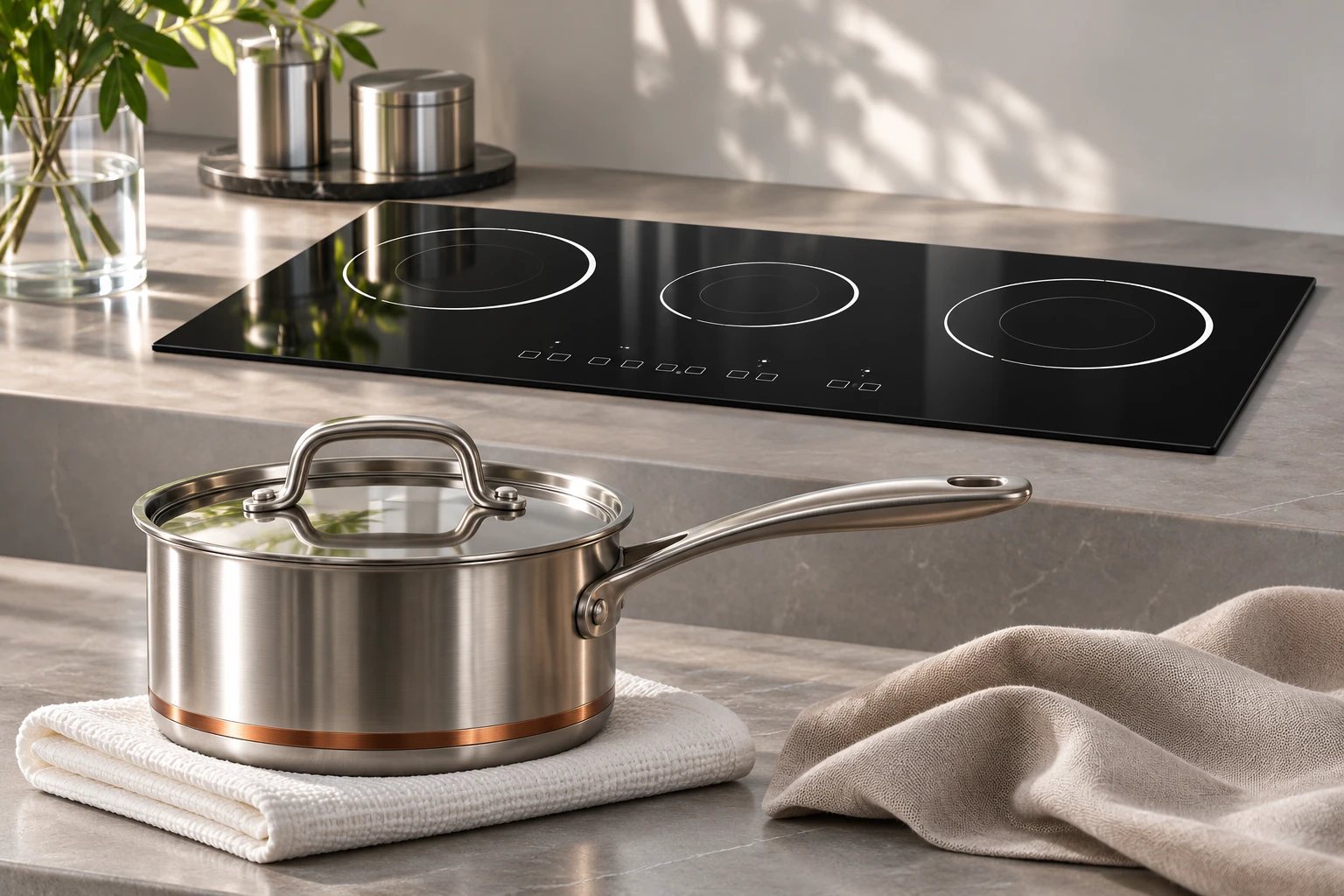
This article addresses ordinary surface care within documented instructions. It does not diagnose the integrity of a bonded pan. If you find an unexpected sharp rim, lifting material, an unstable base or a loose handle, stop the cosmetic work and ask the maker about continued use. Do not use polish to conceal the condition before photographing it for support.
Tarnish is a term used by the manufacturer for the changing appearance of its copper detail. The presence of brown coloration elsewhere does not automatically identify the same process. Burnt residue, water marks and finish changes may require different treatment. If the location or texture does not match the maker’s description, describe what you can observe without assigning a cause you cannot confirm.
For attachment movement, use loose cookware handle decisions rather than trying to tighten or repair the pan during cleaning. For stainless discoloration, stainless surface and care distinctions addresses a different surface question. Keeping these tasks separate prevents an instruction for one material from becoming an all-purpose treatment for the whole assembly. The correct next step can be documentation and support rather than stronger abrasion.
Use this checklist before opening a cleaner. It helps connect each instruction to the relevant part of the pan and gives you a stopping point when the documentation is incomplete. It does not supply a universal chemical recipe or a guarantee that a finish can be restored.
| Surface or observation | Document to check | Next decision |
|---|---|---|
| Exposed band | Exact collection care section | Use only permitted copper treatment |
| Stainless body | Stainless-specific instructions | Keep method separate from copper |
| Coating or unknown finish | Maker identification | Avoid speculative polishing |
| Sharp or lifting edge | Model support assessment | Stop cosmetic work and ask about use |
| Cleaner | Label and pan instructions together | No conflicting or mixed method |
| Glass panel | Completed hob manual | Keep cookware cleaner off appliance |
This qualitative checklist organizes the exact-model instructions cited below. It supplies no universal rating, measured result or product approval.
Keep the cleaner’s label alongside the cookware instructions while planning the work. If the two conflict, ask for clarification instead of combining methods. Permission to clean an exposed copper detail does not authorize use on enamel, a nonstick interior, handles or the glass panel below. Treat each surface as its own compatibility question.
Allow the cookware to cool as directed before cleaning. Set up beside the sink or on a suitable protected counter, away from the cooktop controls. Gather a soft cloth, an appropriate nonabrasive cleaning tool and the permitted washing materials. The aim is to keep the cleaning process controlled rather than to restore a showroom finish in one aggressive pass.
Start with the routine washing method allowed for your exact product. Inspect the clean, dry result before deciding whether additional appearance care is necessary. Food film can obscure the area you are evaluating. Do not jump from a stained photograph directly to an abrasive polishing routine without first identifying the material and reading the product instructions.
When a copper-approved cleaner is allowed, follow its own application, rinse and handling directions together with the pan maker’s restrictions. This article supplies no improvised mixing formula or contact time. Avoid combining cleaning chemicals or substituting an oven cleaner based on an online demonstration. A surface-care problem should stay within documented methods rather than become an uncontrolled chemistry experiment.
Care recommendations can differ between collections, markets and document versions. Save the exact current page or supplied leaflet you relied on, including the model it describes. An old PDF can help explain terminology, but it should not silently override newer guidance for your pan. If there is a genuine conflict, send both references to the manufacturer and ask which applies.
For routine care, the All-Clad support page recommends handwashing and discusses the copper band separately. The practical lesson is to read both the general care section and the collection-specific answer. Do not quote a single dishwasher sentence as approval for every bonded pan from every year. A product identity and a current instruction are stronger evidence than a forum recollection.
If the pan has already been through a dishwasher, document the present condition rather than assuming a particular outcome. A change in appearance is a different observation from a sharp or damaged edge. Ask support about any unexpected physical change. Choosing handwashing going forward does not erase the need to evaluate a condition that has already developed.
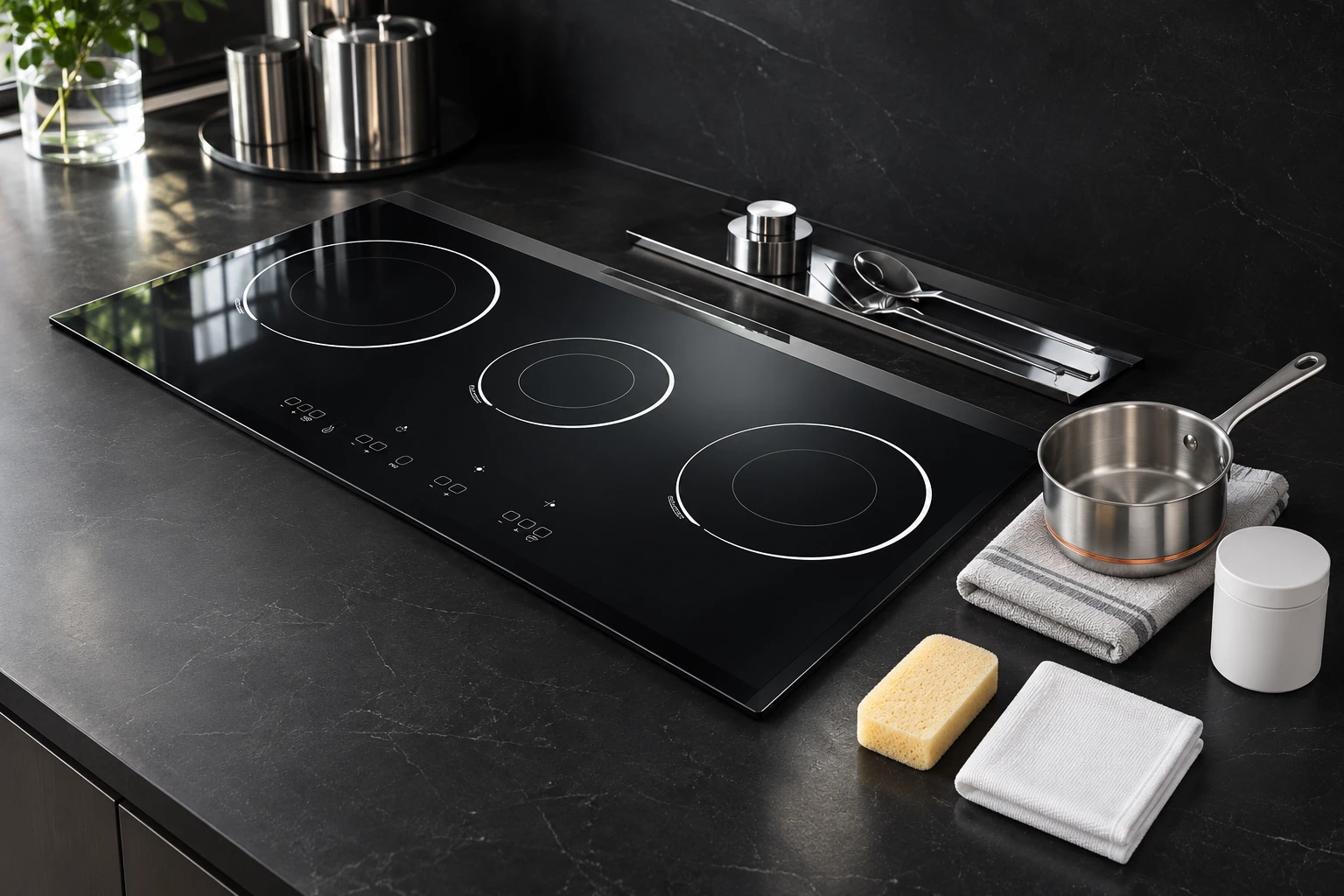
The pan and appliance have separate care instructions. Clean cookware at a suitable work surface, then make sure its underside is clean and dry before its next permitted use. Do not polish the exterior while it rests on an induction zone. A product recommended for copper does not become a glass-ceramic cleaner simply because the cookware will later be used on a glass-topped appliance.
Kanger supplies black glass-ceramic cooktop panels. The product is a useful reference for the glass interface, but a photograph of it cannot identify a stain on an unknown finished hob or authorize a cleaning chemical. Obtain the completed appliance’s instructions for its panel, controls and trim. If the appliance model is unclear, resolve that identity before applying a specialist product.
For any suspected transferred mark on the hob, record the location and consult the appliance care guidance separately. Do not infer that copper from the pan caused a mark solely because the two were used together. Cleaning evidence should distinguish the observed surface condition from an unverified cause. Keep your photographs before and after permitted routine care if you need supplier assistance.
Induction cookware works through a suitable base and its interaction with the appliance, not through the brightness of an exterior decorative band. The Department of Energy’s induction explanation provides background on that process. It does not establish that an unidentified pan is compatible, and it does not turn polishing into a remedy for appliance detection problems.
Check stainless cookware and base guidance for the separate base and cookware assessment. If an appliance reports that it cannot detect a pan, follow its instructions and the cookware maker’s documented compatibility. Do not keep increasing power or cleaning the decorative strip in the hope of changing detection. A functioning cosmetic surface and a suitable induction base are different checks.
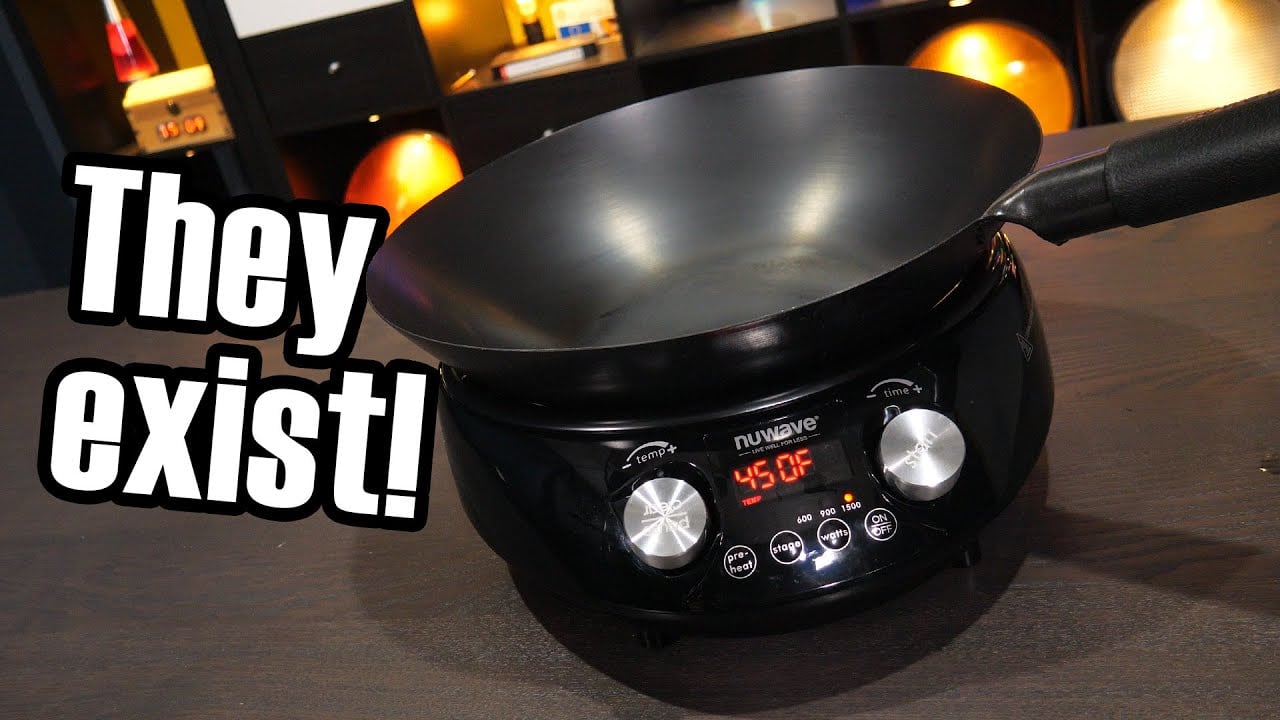
Video: Induction cooking – but what about woks?, Technology Connections. Open the educational video on YouTube.
This educational video explains induction operation. It is not a copper-cleaner demonstration and does not validate a cleaning product or a particular pan’s condition. Keep the cleaning decision grounded in the exact cookware instructions rather than copying a method from a visually similar vessel in a video.
If ordinary permitted care leaves an unexplained change, take consistent photographs in neutral light. Include the complete pan, the band, the underside and the product marks. Record the cleaner name and method actually used, without guessing what an earlier owner may have applied. Keep purchase and model details together so the support conversation does not begin with uncertain identity.
Ask a specific question: is this the expected appearance change for this model, and what current care method is approved? If you observe physical damage, describe that separately and ask about continued use before cooking again. Do not promise a customer that a copper band will return to its original appearance unless the maker has assessed that particular item and method.
For commercial kitchens or resellers managing several similar pans, label records by item instead of treating the entire shelf as one case. Collections that look alike can have different finishes or histories. A short individual record prevents one approved cleaning instruction from spreading to unidentified stock. The useful result is an appropriate, repeatable care decision rather than a universal polishing claim.
Color alone is insufficient. Identify the exact surface and compare the condition with the maker’s description. Unexpected sharp edges, lifting material or unstable parts need a separate support assessment.
Only where the cookware instructions and cleaner label both permit it. Approval for an exposed copper detail does not automatically extend to stainless interiors, coatings, handles or glass-ceramic appliances.
No such conclusion follows from appearance care. Check the documented cookware base and appliance criteria separately. Do not use repeated heating attempts as a test of an unidentified or damaged pan.
Confirm the model, market and document versions, then ask the manufacturer which instruction applies. Preserve the references and its response rather than selecting whichever cleaning method seems most convenient.
Cookware makers are cited for their own product instructions, not as glass suppliers or endorsements of Kanger. Model and market-specific guidance does not approve an unidentified item.



