Putting a paper towel on an induction cooktop underneath a pan is not a sound default scratch-prevention method. Induction heats suitable cookware, and that hot cookware can transfer heat to whatever touches it. Keep paper and other combustible materials away from the cooking area, and follow the exact hob instructions instead of copying a demonstration from another model. A surface without a visible flame is still part of a hot cooking system. This guide separates paper used during approved cold cleaning from paper deliberately left beneath cookware while heating.
An induction hob uses an electromagnetic field to heat suitable cookware. It does not need to heat a glowing element first, but the pan and its contents still become hot. The glass can receive heat back from the vessel. The Department of Energy’s induction analysis explains the basic heating mechanism. It should not be read as approval to put a combustible sheet in the contact area.
A household demonstration may show one pan at one setting for a short time. It does not establish behavior when the contents boil away, a second zone is used, the paper shifts or another user changes the power. The lack of a problem in that demonstration is an observation about that occasion, rather than evidence for a universal accessory recommendation.
The US Fire Administration’s cooking-surface guidance specifically includes paper towels among materials to keep away from the stovetop. This is a useful starting rule for a shared kitchen: the cooking surface should not become storage for things that can burn.
These three activities have different conditions. Cleaning a cool surface with a material allowed by the appliance instructions does not authorize leaving that material beneath a heated pan. Likewise, a paper towel placed briefly on a nearby worktop is not the same arrangement as paper compressed between cookware and glass.
For cleaning, wait for the condition required by the manual and use its approved method. Special spills can have special procedures, so do not convert a general cold-cleaning rule into advice for every substance. For ordinary cooking, place approved cookware as instructed, with no improvised sheet below it. For storage, keep the cooking area clear so it can be checked easily before anyone switches it on.
| Situation | Question to resolve | Practical action |
|---|---|---|
| Paper beneath a pan during cooking | Combustible material contacts a heated assembly | Do not adopt this as a protection method; follow the hob manual |
| Wiping a cool surface | Which cleaning materials are approved? | Use the model’s care instructions, then remove cleaning materials |
| Paper roll beside the controls | Could it move into the cooking area? | Store it away from the stovetop |
| Paper has browned or stuck | Is there damage or a continuing heat hazard? | Stop cooking, keep clear and seek the manufacturer’s guidance as needed |
This table distinguishes tasks; it does not establish a safe temperature or time for paper under cookware. No such operating limit is proposed here.
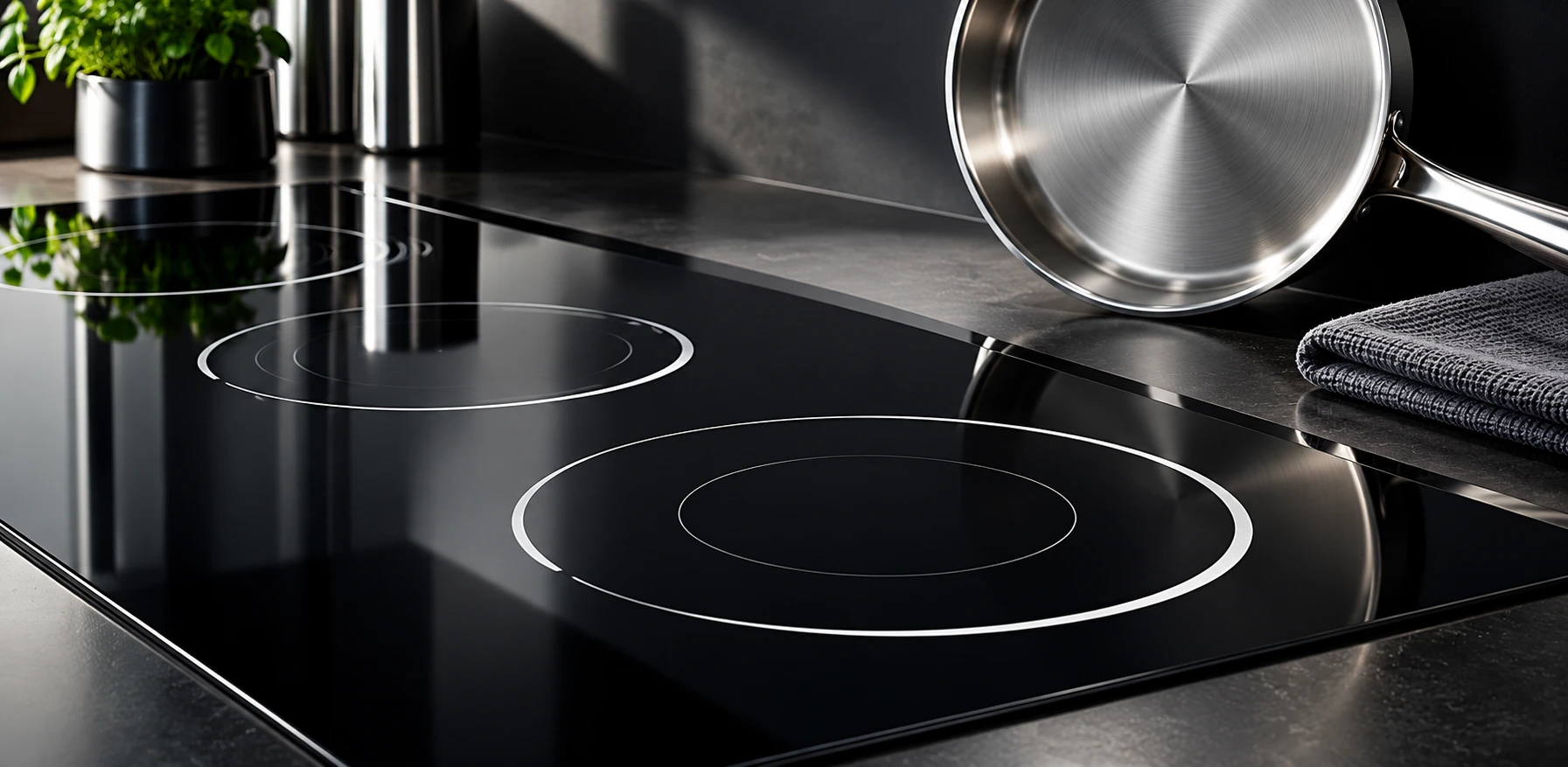
Start with the pan and surface. When safe and cool, inspect the underside for stuck food or grit and clean it using the cookware maker’s method. Check the cooking surface according to the hob’s care instructions. Lift cookware instead of dragging it, and avoid using the glass as a place to sort tools, packaging or groceries.
A rough or damaged pan base should prompt a cookware review. Paper is not a repair for a defective base. Nor does a sheet guarantee that particles cannot become trapped under it. A simple housekeeping routine is easier for another user to follow than an improvised arrangement whose limits have never been defined.
GE Appliances’ guidance on scratches provides one appliance-maker example of the importance of cookware and care practices. Apply the instructions for your own appliance rather than assuming that one cleaning product or technique fits every surface.
For material evaluation, scratch-resistance testing for appliance buyers explains why a controlled test differs from an informal kitchen observation. A glass panel’s documented performance does not make every contact material or abrasive cleaning method acceptable.
Removing paper does not automatically make silicone, cloth, foil or a baking liner an approved replacement. Each is a different material and accessory category. The relevant question is permission for the actual hob and use, not whether the substitute is sold for a kitchen somewhere.
The separate silicone-mat compatibility checklist addresses accessory approval. This article has a narrower purpose: paper is a combustible item that should not become a cooking interface. It is not a recommendation to shop for a different protector.
Similarly, a cold decorative cover is intended for a different task from cooking. Remove anything the appliance instructions require you to remove before operation. In a shared home or demonstration kitchen, store covers where their purpose is clear and check the surface before energizing any zone.
Stop using that arrangement. Treat the cookware and the contact area as hot after switch-off, and do not reach under a pan to pull out material. Follow the appliance’s shutdown and cooling instructions. If there is smoke or fire, prioritize getting people to safety and contacting emergency services; do not continue an experiment to discover how long the paper can last.
Once the appliance is safe to inspect, record whether the paper is discolored, stuck or associated with a surface mark. A brown patch does not tell you the temperature history, and an unmarked sheet does not prove compatibility. Avoid assigning a precise ignition threshold from a photograph or from an undocumented online claim.
Do not attack stuck material with an arbitrary blade, abrasive pad or solvent. Ask the maker how to remove it without creating a second problem. If the glass is cracked or operation has changed, keep the appliance out of use pending qualified advice. Cleaning the visible residue is not a substitute for evaluating suspected damage.
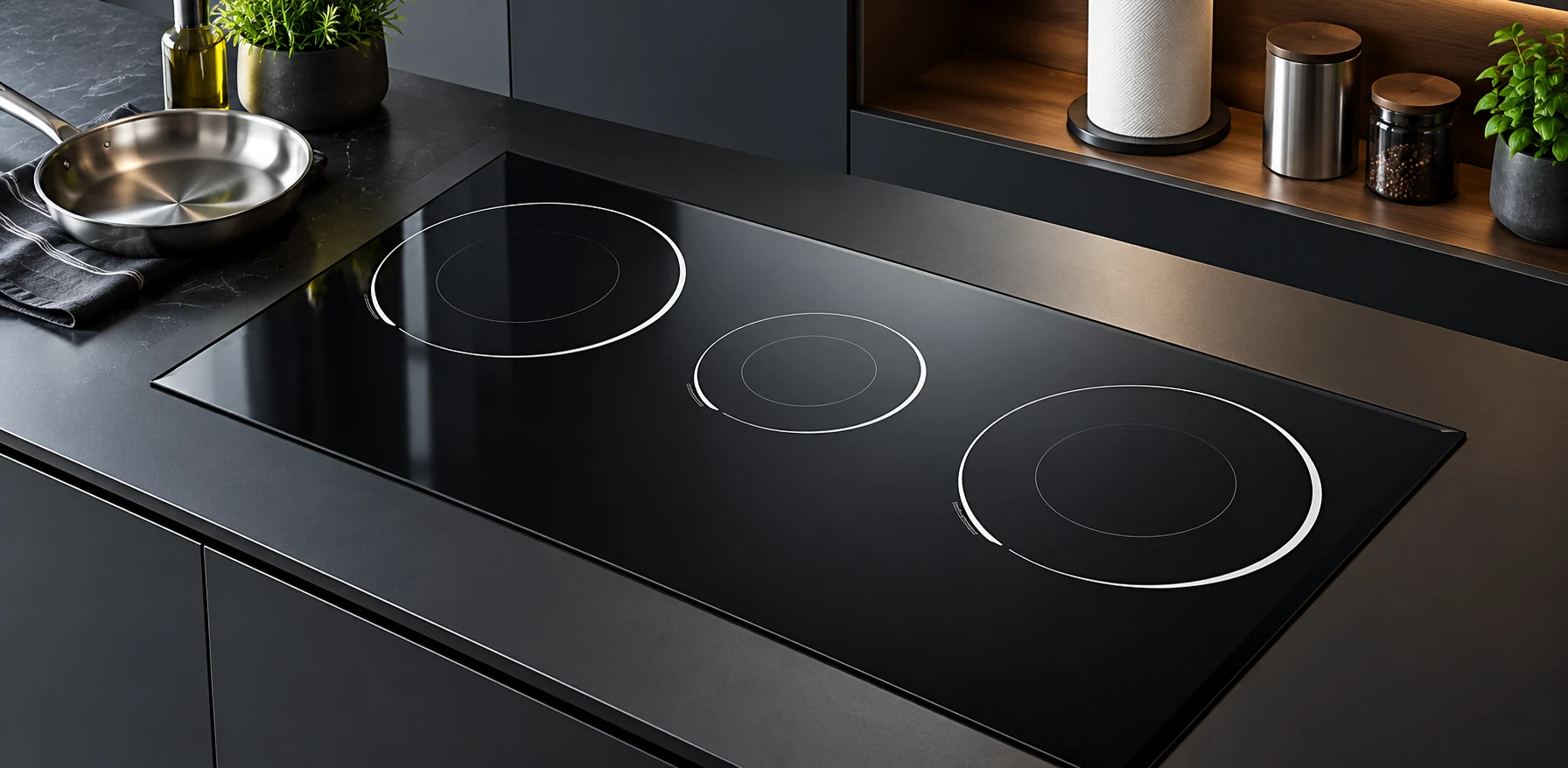
Before cooking, clear the surface and control area, inspect the approved cookware and check that the relevant instructions are available. Store towels, packaging and paper rolls away from the hob. Keep the routine the same whether the appliance uses induction, radiant elements or another cooking system; a visitor may not recognize the difference by looking.
Explain the reason to other users in concrete terms: the pan is hot, so things touching the pan can become hot too. That is easier to remember than a technical explanation that accidentally suggests the area is harmless whenever there is no flame. Do not ask someone to touch the surface as a test.
After cooking, allow the normal cooling sequence to finish and clean only when and how the manual allows. Put cleaning materials away when finished. A clear surface lets the next person notice an overlooked object or spill before it is covered by cookware.
For a workplace handover, record the appliance model and the location of its manual. Remove leftover packaging after deliveries and give cleaning staff the approved care instructions. This reduces the chance that a temporary paper covering is mistaken for something meant to remain during cooking, especially when several people use the same space.
The black glass-ceramic panel product family relates to the cooking-surface material, while foreseeable-use instructions belong to the assembled appliance program. A panel purchase should not include unsupported promises that paper barriers are safe, that the surface cannot become hot or that scratch resistance eliminates the need for careful handling.
For an OEM review, document the proposed care instructions, the finished assembly and any accessory assumptions. Ask who approves the final user instructions and who checks illustrations for misleading behavior. A marketing photograph that shows paper beneath a pan can imply permission even if a paragraph elsewhere says to consult the manual.
When reviewing a draft manual, keep cleaning illustrations separate from cooking illustrations. Identify the appliance’s safe state, the approved cleaning material and the point when it is removed. A clear instruction set is more useful than a broad statement that the panel is durable. Any claim about the finished appliance needs evidence from the responsible manufacturer.
For broader material context, see the ceramic cooktop glass overview. Material identity, appliance approval and the care procedure are separate parts of the decision.
The following neutral educational video explains induction cooking and vessel geometry. It helps explain why a hot pan remains the central object to manage even when the appliance has no visible flame. It does not endorse paper towels, protectors or other improvised barriers, and it is not a cleaning demonstration.
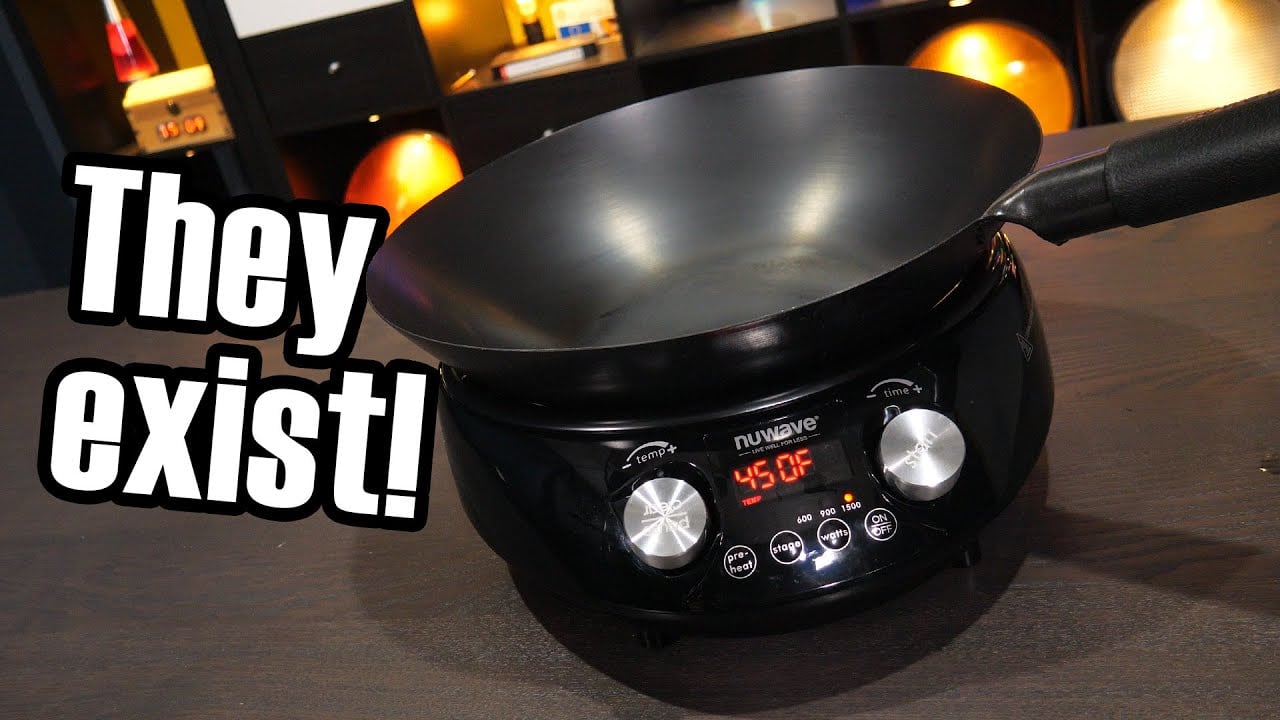
Video: Induction cooking – but what about woks?, Technology Connections. Open the educational video on YouTube.
Do not adopt it as a cooking interface. Use approved cookware, clean surfaces and the handling practices specified by the hob maker.
No. Heated cookware can transfer heat to material touching it and to the cooking surface.
No. Cleaning and operating the appliance are different tasks with different conditions and instructions.
No. An accessory also needs explicit permission for the appliance and intended use.



