Induction cookware warranty claim documentation starts with identifying the exact pan, the seller and the purchase region, then recording the concern without changing the item. Keep the receipt or order record, photograph the complete cookware and the affected area, and read the applicable manufacturer's claim instructions before shipping anything. A warranty is not a promise that every stain, scratch or heating problem qualifies. If the condition makes continued use uncertain, stop using the pan and ask the responsible support team for guidance rather than running another heating experiment.
A saucepan and the appliance beneath it are separate products. Record which one appears affected and avoid assigning the cause before an assessment. A pan that is not detected, for example, has a different starting question from a loose handle or a damaged coating. The magnetic cooking base, the glass surface and the appliance electronics each have different roles. A photograph alone rarely establishes why something happened.
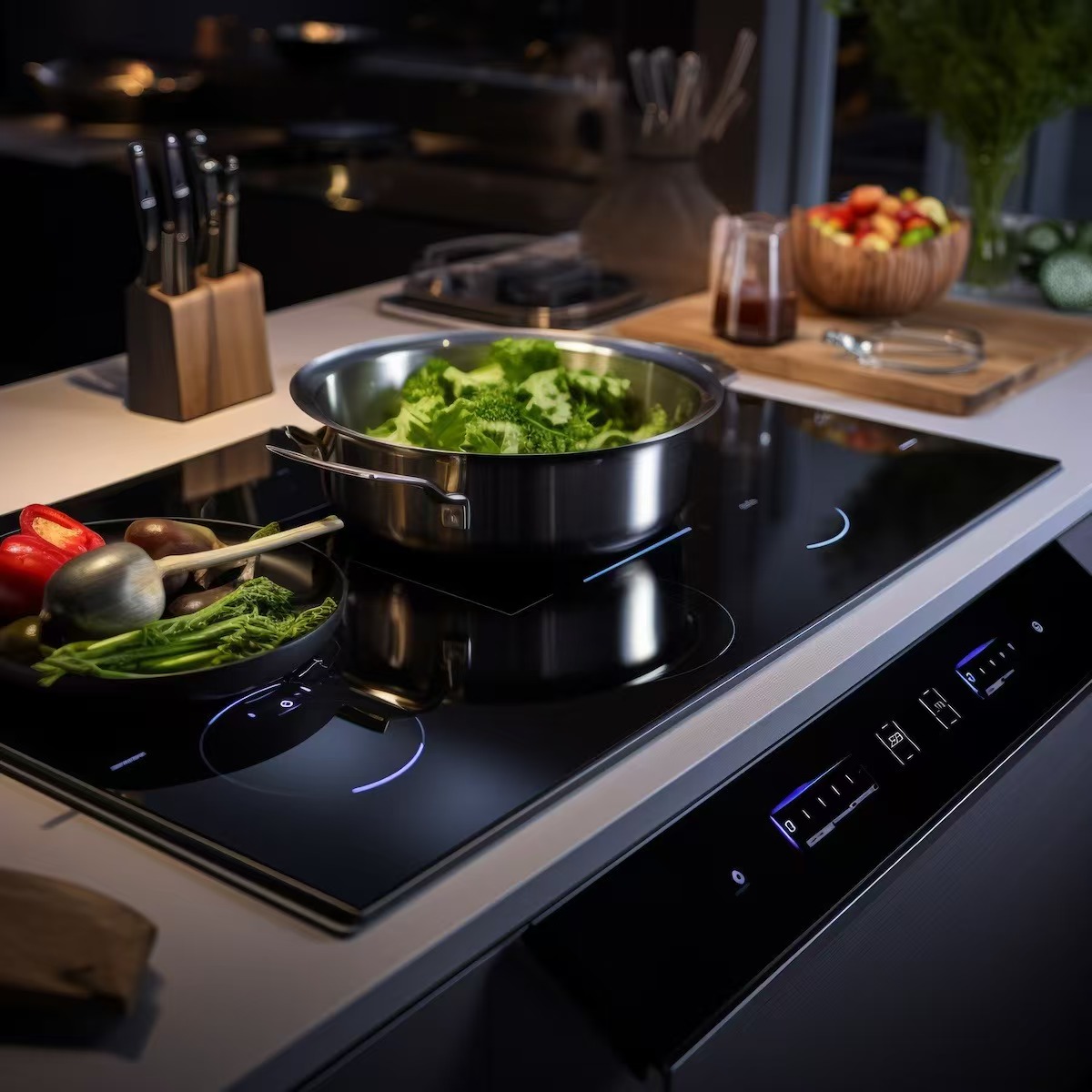
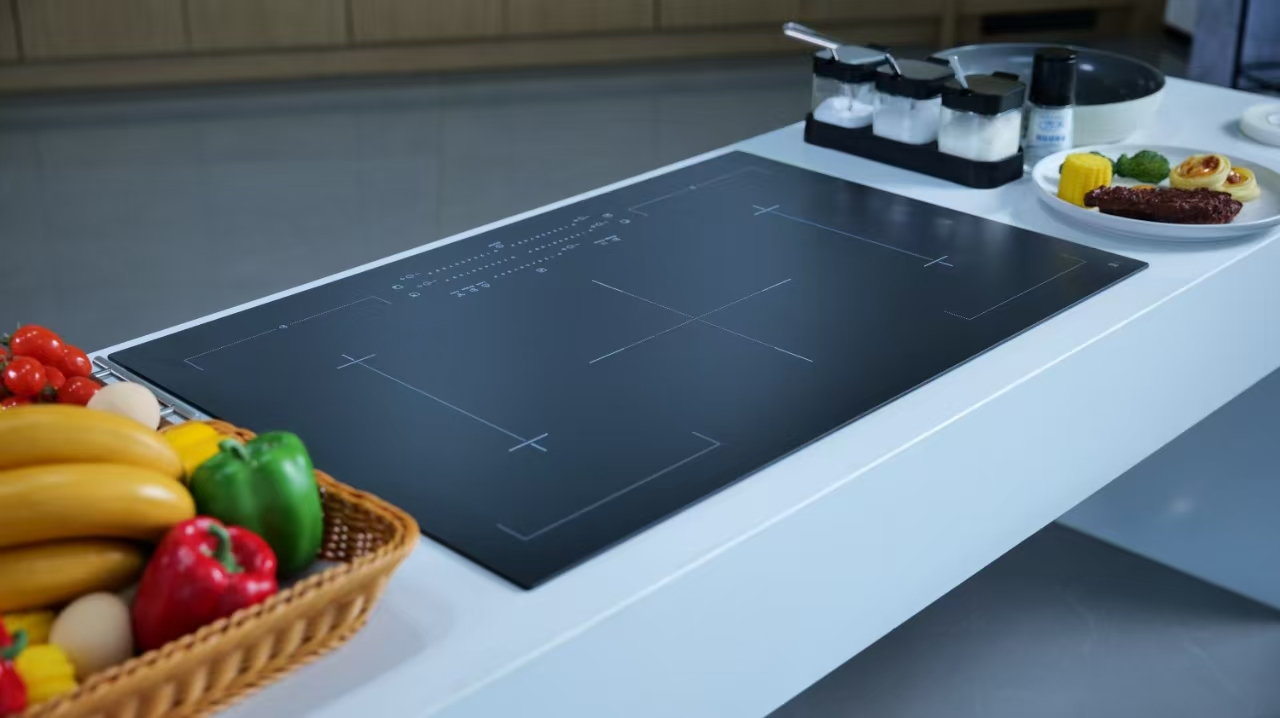
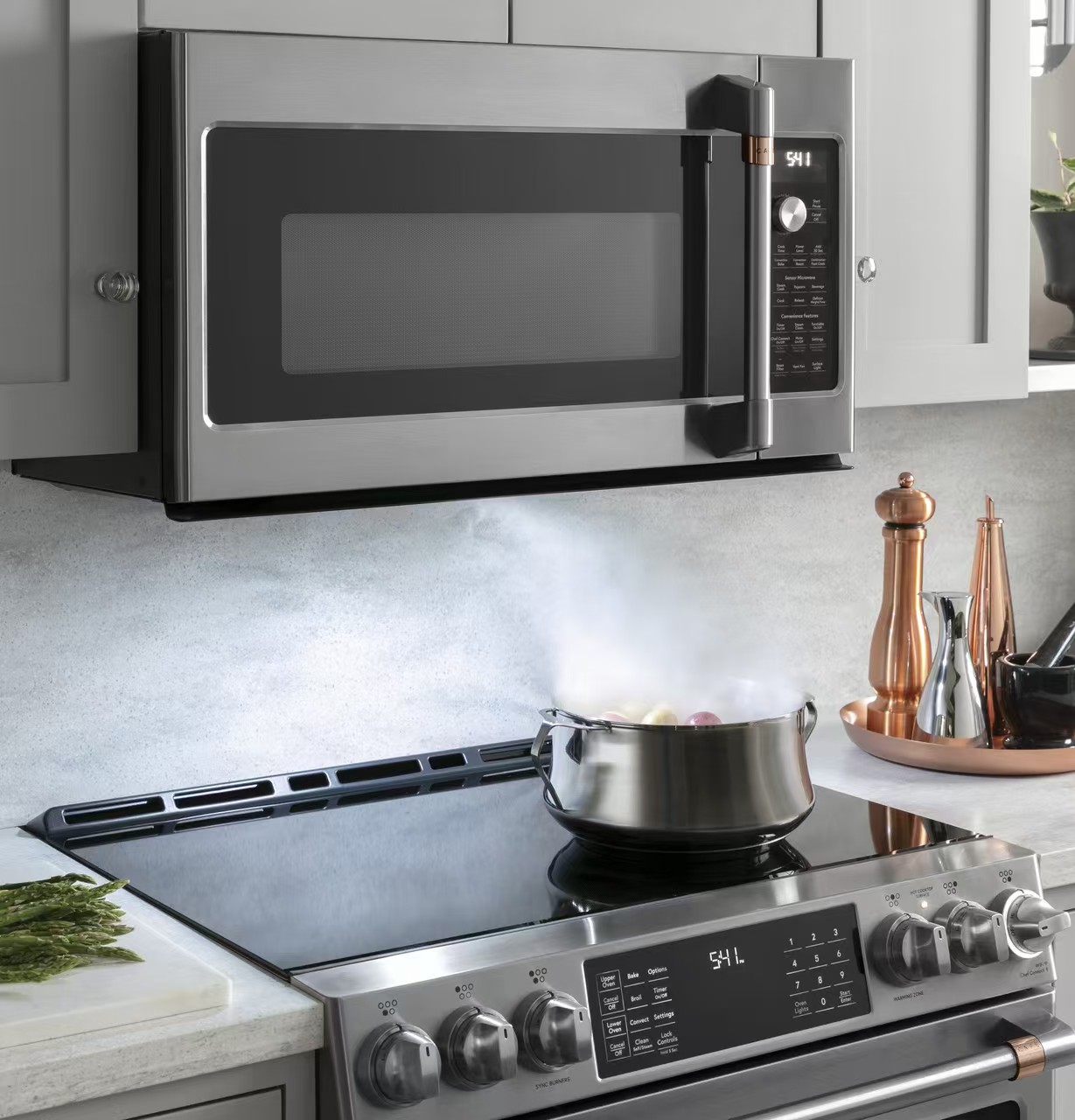
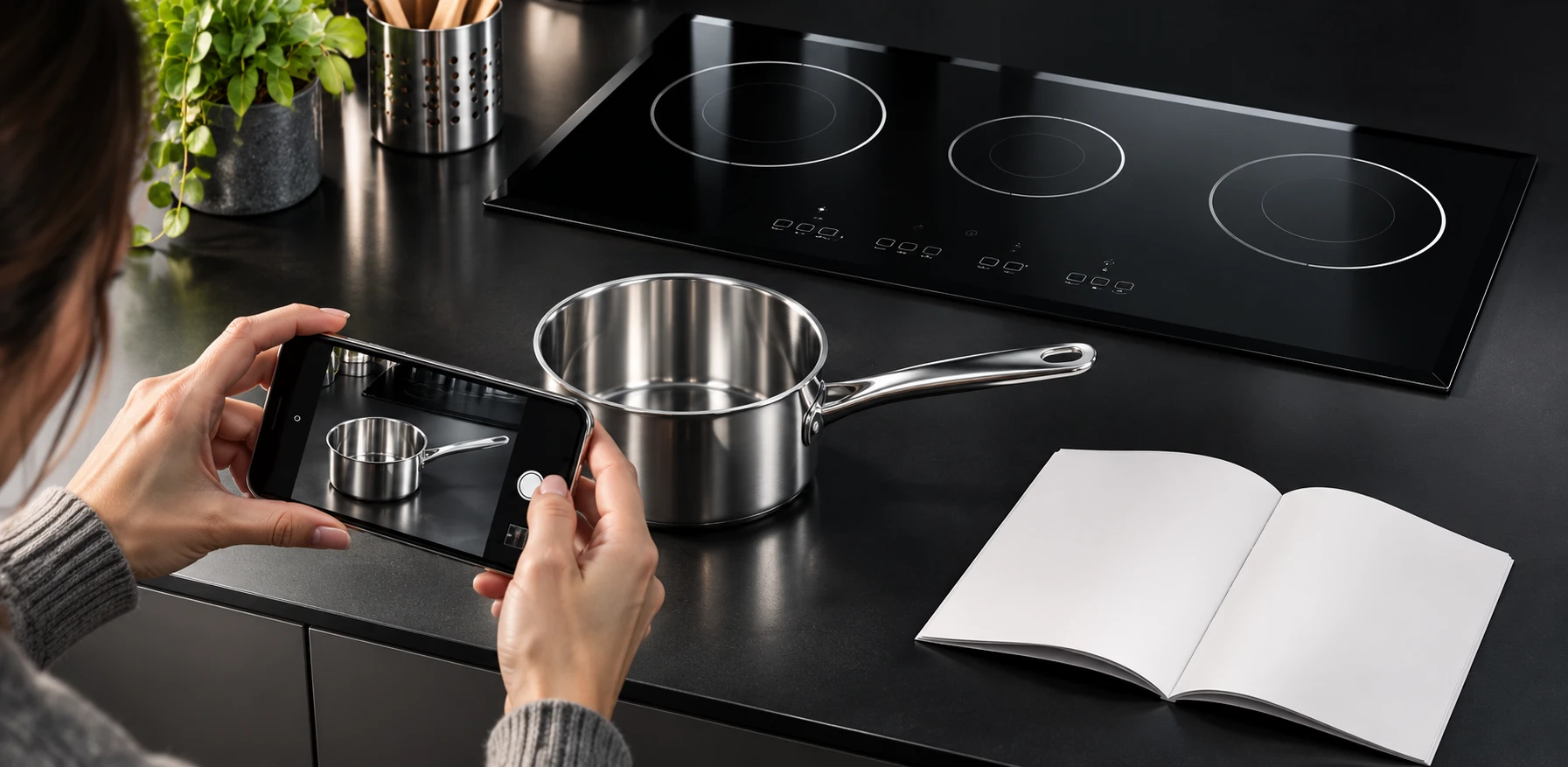
Kanger's black glass-ceramic cooktop panels belong to the glass-component side of this distinction. Product imagery in this article illustrates that context; it does not identify the maker of your cookware or show an actual warranty failure. For an introduction to cookware construction, use the stainless cookware and base guidance. The claim workflow here concerns evidence and routing, rather than a new cookware recommendation.
Describe the observation in ordinary language. Write “a dark area remained after the normal wash” rather than “the metal is defective,” unless that conclusion has been confirmed. If the issue involves an appliance error message, record the displayed message and consult the appliance instructions. Do not dismantle the hob, alter the pan base or try to reproduce an uncertain event just to make a stronger claim.
Start with the official website for the country in which the product was purchased, and identify the actual product collection. Similar-looking cookware may belong to different materials, coatings or accessory categories. A lid knob, a kettle and an enameled cast-iron pot need not share the same terms. Save the page address and the date you consulted it so you can return to the same information later.
Le Creuset's U.S. warranty information is organized by product category and explains that conditions vary. Its UK guarantee page describes a different regional process. These examples show why a search result carrying the word “lifetime” cannot replace the applicable product terms. Do not combine the most favorable wording from different countries or assume a secondhand purchase is treated like an original-owner purchase.
A retailer's return process and a manufacturer's warranty assessment can also be separate routes. If you have just received the item, begin with the seller's delivery and return instructions. If a problem developed later, follow the relevant support route. Ask where to send the evidence before posting the cookware: an unsolicited parcel can create avoidable cost and make tracking the case harder.
| Record | What to retain | Why it helps |
|---|---|---|
| Identity | Full item and model markings | Matches the correct product terms |
| Purchase | Seller, date, region and original record | Identifies the appropriate route |
| Condition | Whole item plus contextual and detail photos | Shows where the concern occurs |
| History | Observed event and care already performed | Avoids guessing the cause |
| Correspondence | Case number and written instructions | Keeps follow-up in one record |
| Return | Authorization and tracking if requested | Connects item to assessment |
This qualitative workflow organizes the official product guidance linked below; it supplies no universal rating, guarantee or measured result.
Keep original image files and a copy of the order confirmation together. Use a short folder name that identifies the product and purchase date without exposing payment information. When making a copy of a receipt for submission, check what details the support form requests. Keep the unedited original privately, and avoid putting personal addresses or full transaction details into public reviews or discussion boards.
Record the complete item identity, including any legible model, collection or underside marking. Photograph the whole piece before making close views. If a set contains several pans, distinguish the affected item from the rest. A capacity printed on the box does not necessarily identify the particular pan in a mixed set, and a replacement lid purchased later may have its own documentation.
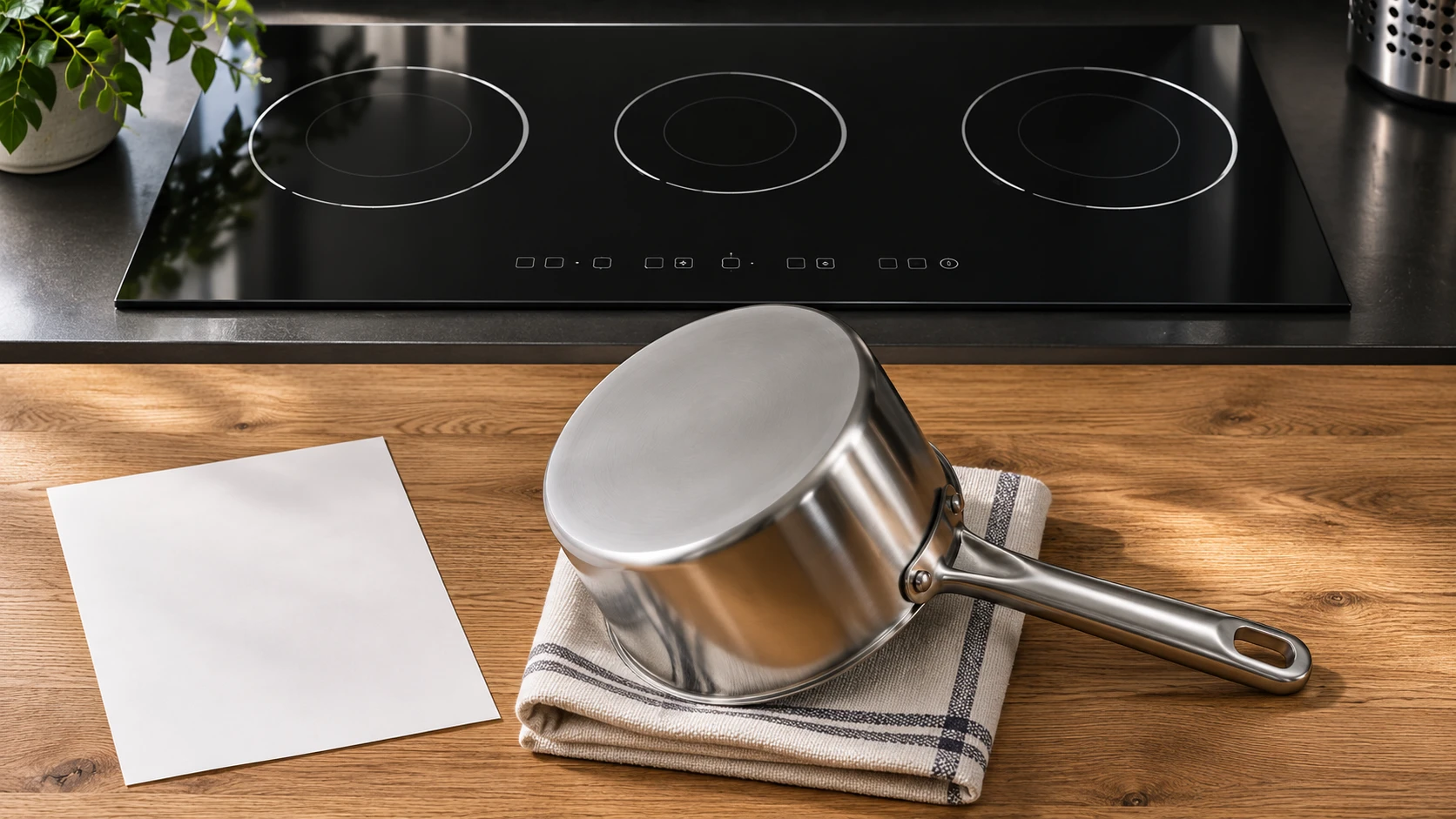
Use good diffuse light and a plain background. Make one image that shows the entire pan, a second that places the affected area within that pan, and a close view that shows the condition clearly. For a handle concern, include the connection and the overall vessel. For an underside concern, support the cold cookware securely on a protective surface without balancing it on its rim.
Do not edit a mark into sharper colors, add simulated damage or crop away information that changes the impression. A close photograph can exaggerate texture or reflections, so retain the wider image alongside it. If the issue changes with lighting, explain that fact. Include a ruler only when a dimension actually helps the support team, and do not present a casual photograph as a laboratory measurement.
If support asks for a video, follow its instructions and keep the demonstration safe. A cold view of an existing condition is different from deliberately overheating cookware or operating an uncertain handle. Do not repeat a hazardous event for a camera. If the requested demonstration is unclear, ask the support team how to document the concern without using the item.
A short chronology is more useful than a long argument. State when the item was bought, when the concern first appeared, what ordinary task was being performed and what care steps had already been used. Distinguish things you directly observed from things another person reported. If you do not remember a detail, say so instead of supplying a precise setting or duration from guesswork.
Include the heat-source type when relevant and the appliance model if you can identify it. A numbered power setting does not have the same meaning across all induction appliances. Mention any unusual event honestly, without assuming that it proves or disproves coverage. The support team needs a reliable account to decide what information to request next.
Check the actual care document before applying another cleaner. The purpose at this stage is to preserve the evidence and avoid making the condition worse. Some apparent marks can be handled through ordinary approved care, while others need assessment; this article does not diagnose them from appearance. Our stainless surface and care distinctions covers routine care as a separate task, and cookware recall identification addresses official product identity checks rather than warranty eligibility.
Use the contact route linked from the manufacturer's regional website or the seller's confirmed order correspondence. Include the item identity, a clear description, purchase information and the requested photographs. A practical message might say that you have stopped using the item because of the observed condition and would like advice on the appropriate assessment process. It should not demand a predetermined technical conclusion.
Keep the case reference and a copy of the submission. If the form accepts only a few files, choose the whole-item photograph, the contextual view and the clearest detail. Explain that additional originals are available. Do not send repeated near-identical claims through several channels at once; use the existing reference when following up and provide only the additional information requested.
Before returning the item, obtain the correct destination, packing instructions and any required authorization. Clarify who arranges shipping and how the item will be identified on arrival. Do not assume reimbursement or a replacement color, model or timeline. Regional terms and the individual assessment control the outcome, and the examples here are not a ruling on anyone's rights.
The educational video below explains induction and the relationship between cookware and the appliance. It helps separate the pan from the glass-panel context when describing a problem. It does not assess damage, interpret warranty terms or approve a claim. Your written description and the applicable official documentation remain necessary even if the video makes the heating principle easier to understand.
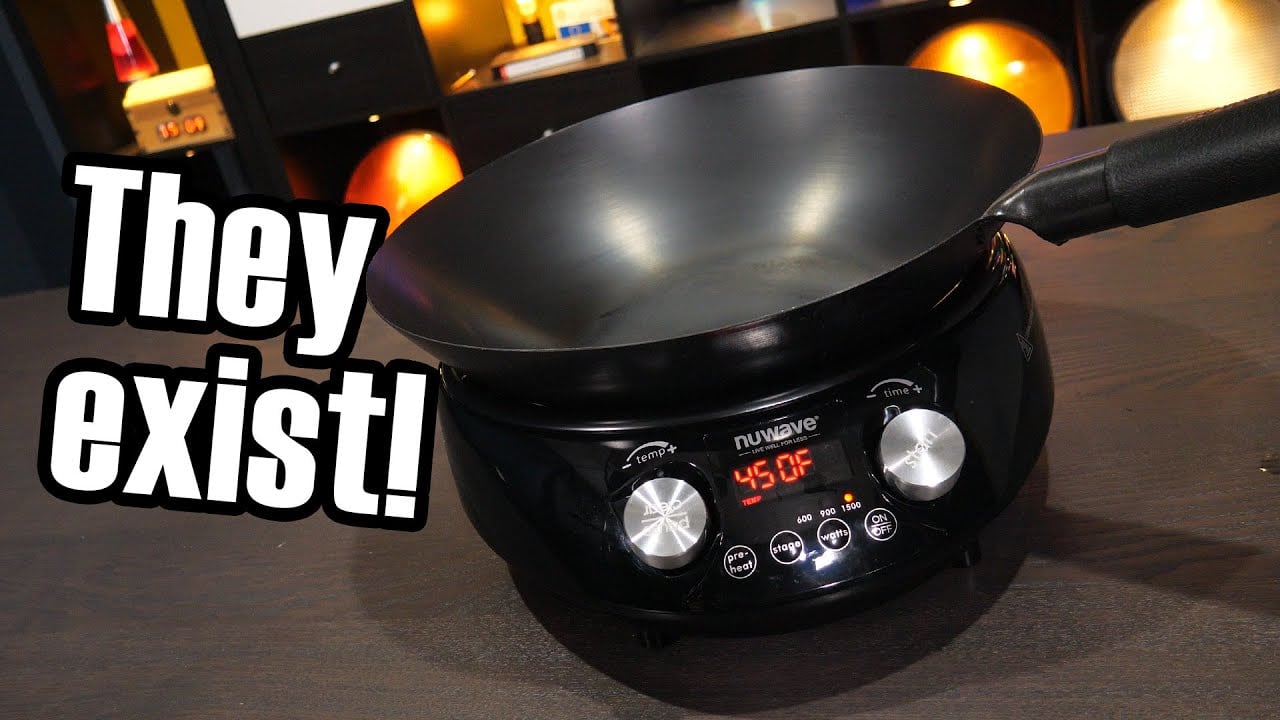
Video: Induction cooking – but what about woks?, Technology Connections. Open the educational video on YouTube.
For purchasing teams, apply the same evidence discipline to batches: connect the supplier item reference, purchase order and affected unit photographs without treating one unit's outcome as proof about every unit. Confirm the agreed commercial terms directly with the supplier. Consumer warranty examples should not be copied into an industrial glass-component purchase agreement or presented as Kanger's commitments.
No. Compatibility concerns whether the identified cookware is permitted for the appliance and heat source. Coverage depends on the applicable product and regional terms plus the support team's assessment. A magnetic base or an induction symbol does not establish the cause of damage or guarantee a replacement.
Look for the original order confirmation, retailer account history or gift documentation, then ask the official support team what evidence it will accept. Do not invent a purchase date or alter another document. Missing proof can affect the route available, but the applicable provider must explain its requirements.
Photograph the existing condition first and keep those originals. Then follow the exact product's care instructions or support advice. Avoid aggressive treatment, polishing or repair intended to make the claim look clearer. Record any approved cleaning you have already performed so the assessment has an accurate history.
No. A claim asks a seller or manufacturer to assess a particular item under applicable terms. A recall check matches product identity against an official safety notice and its stated actions. If a relevant notice exists, follow that notice rather than treating ordinary warranty correspondence as permission to continue use.
Cookware makers are referenced for their own instructions, not as glass suppliers or endorsements of Kanger. Country-specific terms are examples for the stated market and do not establish universal rights or product approval.