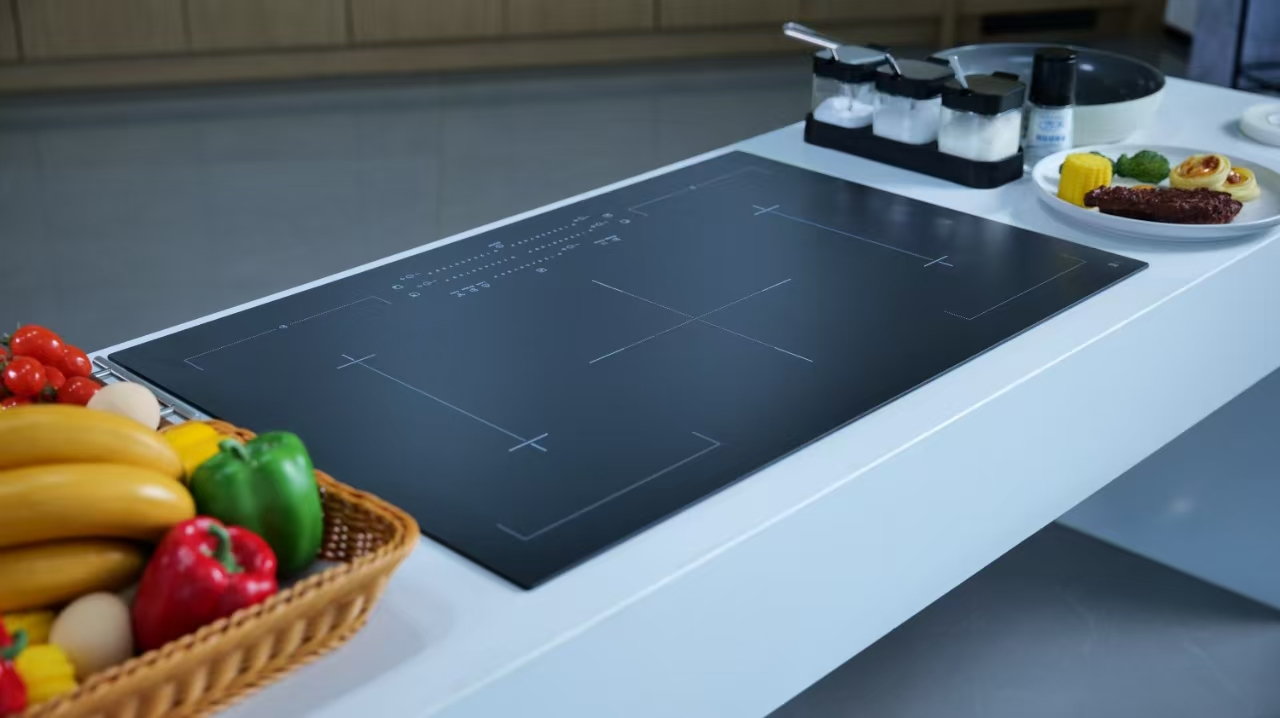
An OEM glass-ceramic sample should be approved against a controlled requirement, not against a memory of a prior part. Start with the drawing revision, record the sample purpose, and close each approval or exception in writing before a production decision.
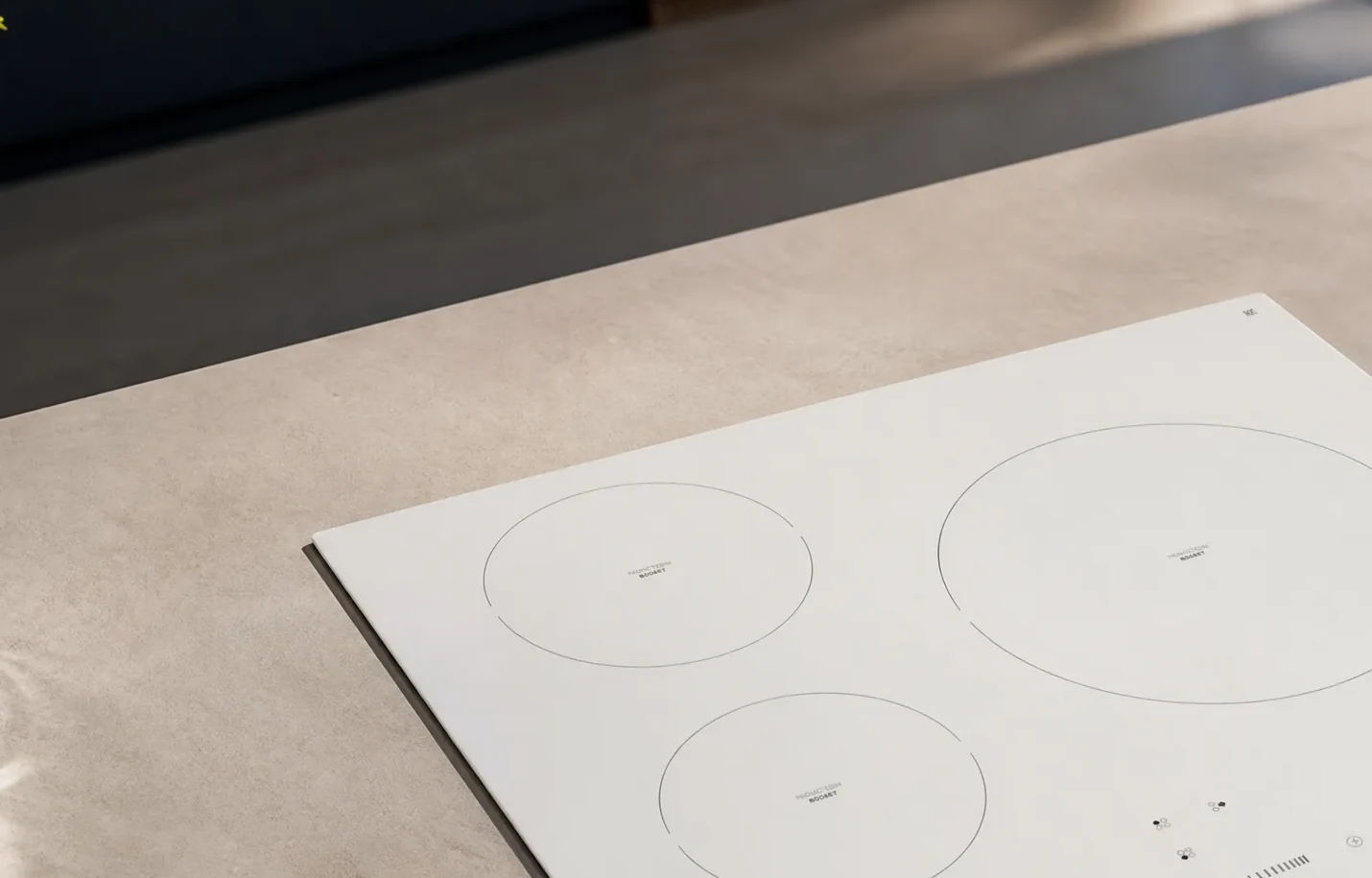
A sample can support different decisions: checking an appearance reference, reviewing a component interface, confirming a proposed manufacturing interpretation, or deciding whether an open issue needs engineering input. The request should identify one or more of these purposes before the sample is made.
| Sample purpose | Buyer input | Approval output |
|---|---|---|
| Appearance review | Controlled artwork or visual reference | Accepted reference or recorded deviation |
| Geometry review | Current drawing and datum notes | Confirmation of the reviewed revision |
| Interface review | Adjacent-component information | List of fit questions or accepted assumptions |
| Documentation review | Requested evidence list | Decision on whether evidence is sufficient for the next stage |
The approval team needs a shared baseline. Mark the drawing revision, sample identifier, intended application, and any temporary condition before circulation. Without that record, comments about a sample can be mistakenly carried into a later design revision.
| Control item | Why it protects the review | Practical record |
|---|---|---|
| Drawing revision | Connects the sample to the right geometry | File name, issue, and date |
| Sample identifier | Prevents comments from being attached to the wrong piece | Unique sample label or log entry |
| Review purpose | Stops broad approval language | Appearance, interface, or evidence scope |
| Open items | Makes uncertainty visible | Decision owner and required follow-up |
Important: Do not treat a sample as blanket approval for an unreviewed drawing revision or different application condition. Sample observations must remain attached to the reference used for the review. Source: this article’s controlled-reference and claim-boundary research record; this is a controlled-review practice, not a Kanger production-capability or certification claim.
Sample review is most useful when observations distinguish between a confirmed requirement, a proposed variation, and a question that needs a new engineering decision. That distinction avoids informal email comments becoming an undocumented specification change.
| Observation type | Review action | Record to retain |
|---|---|---|
| Matches the approved reference | Mark the relevant item accepted | Sample ID and reference revision |
| Differs from the reference | Describe the difference without assigning blame | Deviation note and decision owner |
| Cannot be assessed from the sample | Request the missing condition or evidence | Open-item log |
| Changes the component definition | Return to drawing control | New or revised engineering decision |
Before the program moves forward, each exception needs one explicit outcome: accepted for the stated project, rejected, or held pending more evidence. The decision record is more valuable than a generic “approved” message because it states the exact reference and remaining conditions.
| Decision record field | Buyer provides | Supplier response or next action |
|---|---|---|
| Approved reference | Drawing issue and sample identifier | Confirm the same basis was reviewed |
| Decision scope | What is approved and what is excluded | Restate any limitation or open point |
| Exception status | Accepted, rejected, or pending | Identify required follow-up |
| Change trigger | What requires re-review | Escalate a new revision for review |
RFQ input for this article is embedded in the decision-record table: submit the controlled drawing, sample purpose, application context, approval scope, and required documentation. A request with no named review purpose should be held until its approval boundary is clear.
Material information helps a team ask appropriate questions, but it does not substitute for approval of a supplied component. SCHOTT’s glass-ceramic materials overview provides useful material context; its descriptions and values should not be transferred to a proposed Kanger part.
| Information source | Appropriate use | Not an approval for |
|---|---|---|
| Material overview | Framing questions for a supplier | A project-specific component result |
| Supplier proposal | Understanding the offered scope | A changed drawing without review |
| Sample review record | Capturing observations against a reference | Future revisions not listed in the record |
| Product family page | Selecting an inquiry path | Compatibility with every appliance design |
For material naming before a sample request, the glass-ceramic terminology guide is a useful companion. For supplier-assessment questions before sampling, see the glass-ceramic supplier evaluation checklist.
The workflow is appropriate for an OEM team with a controlled component request. It is not a substitute for an appliance test plan, a certification decision, or acceptance of a product without the agreed drawing and conditions.
| Scenario | Appropriate action |
|---|---|
| Reference and review purpose are clear | Run the sample review and document the result |
| A new drawing issue appears | Restart the review against the new revision |
| The application or interface is unknown | Define the component before sample approval |
| A claim needs certification or test evidence | Request project-specific evidence and review its scope |
| The buyer wants a consumer replacement recommendation | Use a consumer support route instead of this OEM workflow |
When the component definition is ready, contact Kanger with the drawing revision, sample purpose, application context, desired approval record, and unresolved questions. This gives the review a clear basis instead of asking a supplier to infer the decision standard.
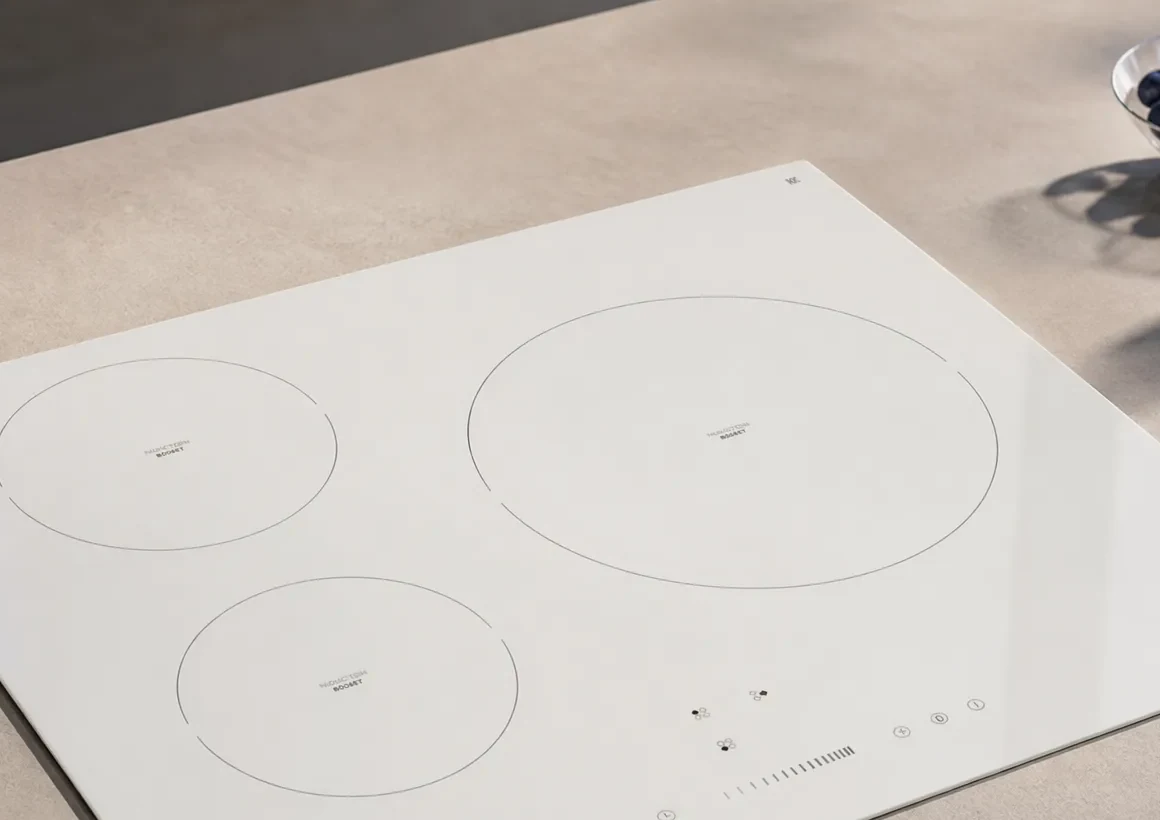
Use this route for a documented OEM component request. Final suitability, scope, timing, dimensions, test requirements, and production commitments need review against the actual project package.
It should identify the sample, the drawing or visual reference used, the review purpose, the decision scope, and each open or exceptional item.
The revision connects comments to a defined component state. Without it, an approval can be incorrectly applied after geometry, interfaces, or appearance requirements change.
No. The approval should state its scope and conditions. A changed drawing, different application condition, or unresolved item may require another review.
Describe the difference from the controlled reference, assign a decision owner, record whether it is accepted or pending, and state what triggers re-review.
No. Material context can guide questions, while a sample review checks the defined component request and its agreed reference.
Include the controlled drawing, sample purpose, application context, review scope, requested documentation, and the questions that remain open.