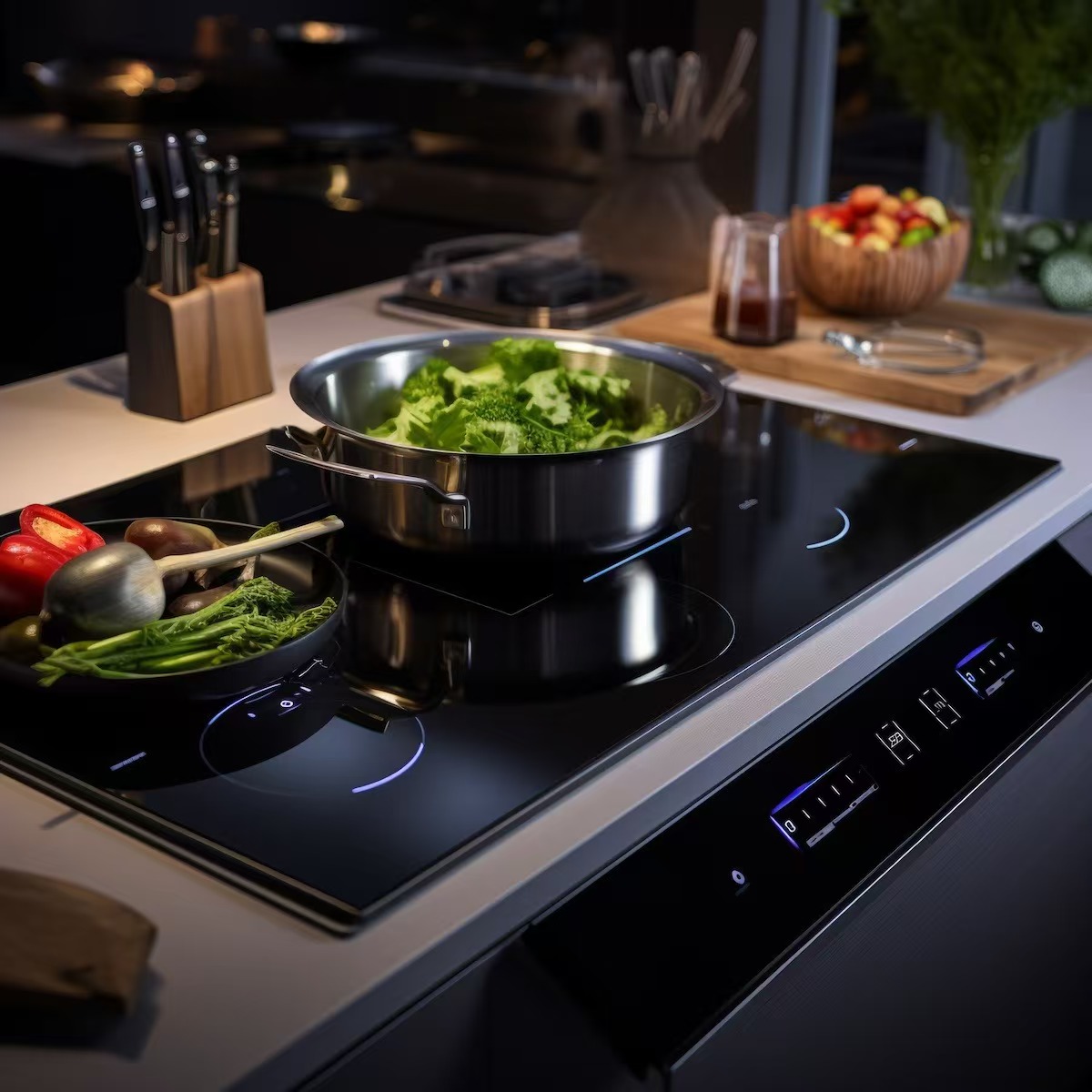
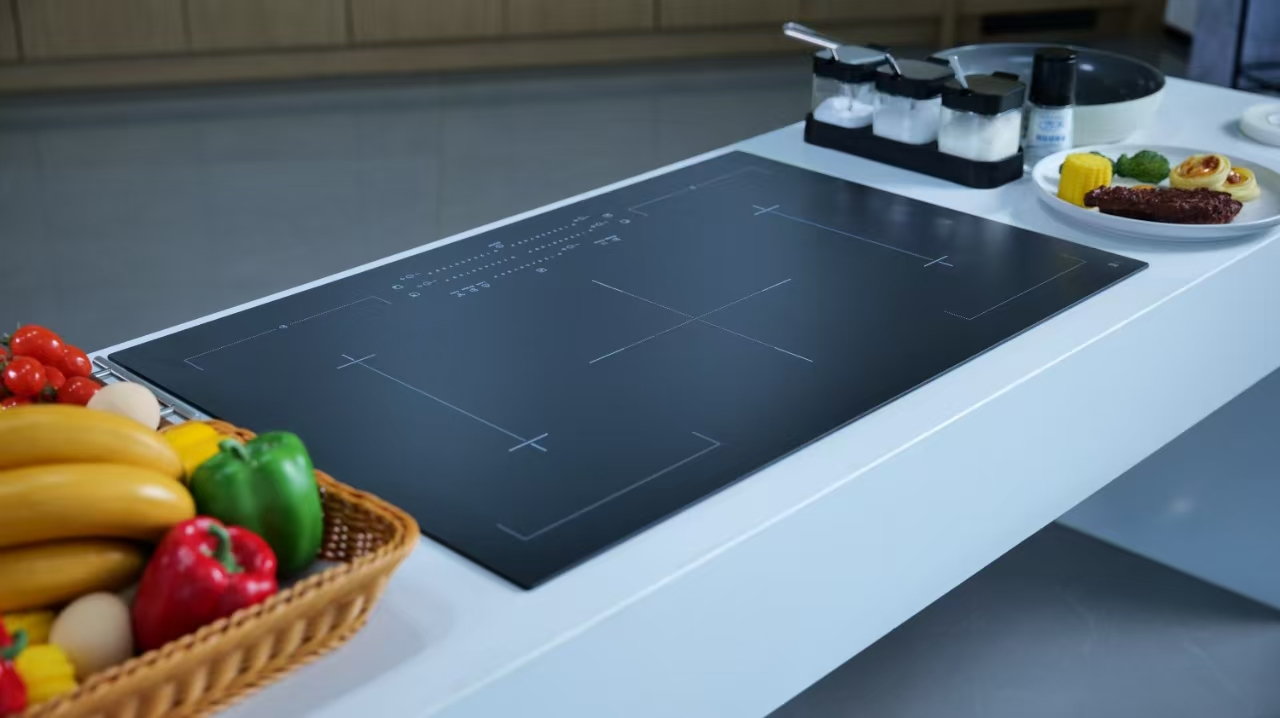
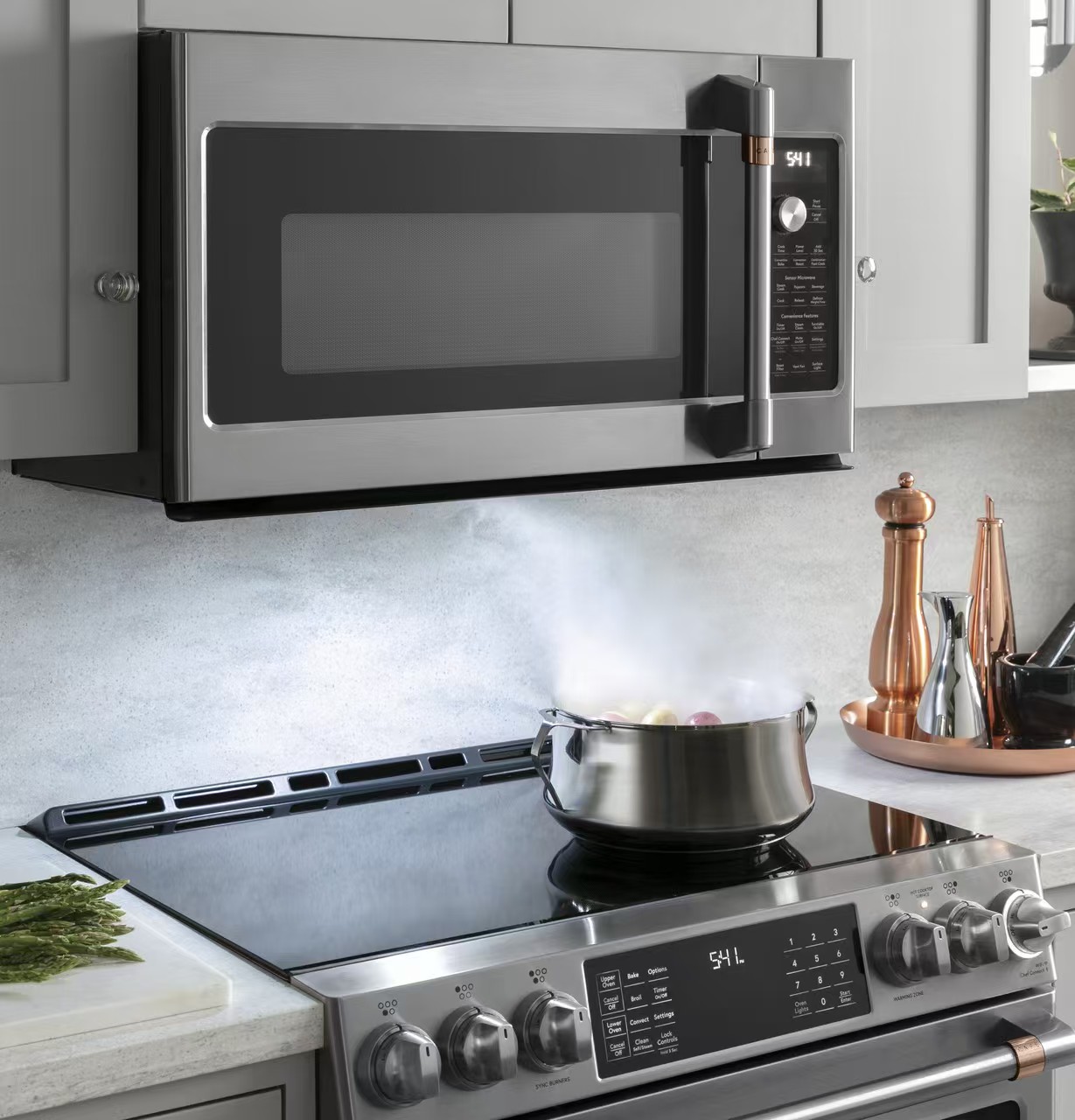
An appliance glass-panel photo record should identify the panel, orientation, drawing or sample revision, viewing condition, file label, observed feature, and the person responsible for the next review.
An image is useful evidence only when the reader can tell what it depicts and how it relates to the current project reference. The record travels with the observation, rather than leaving the receiver to guess from a filename.
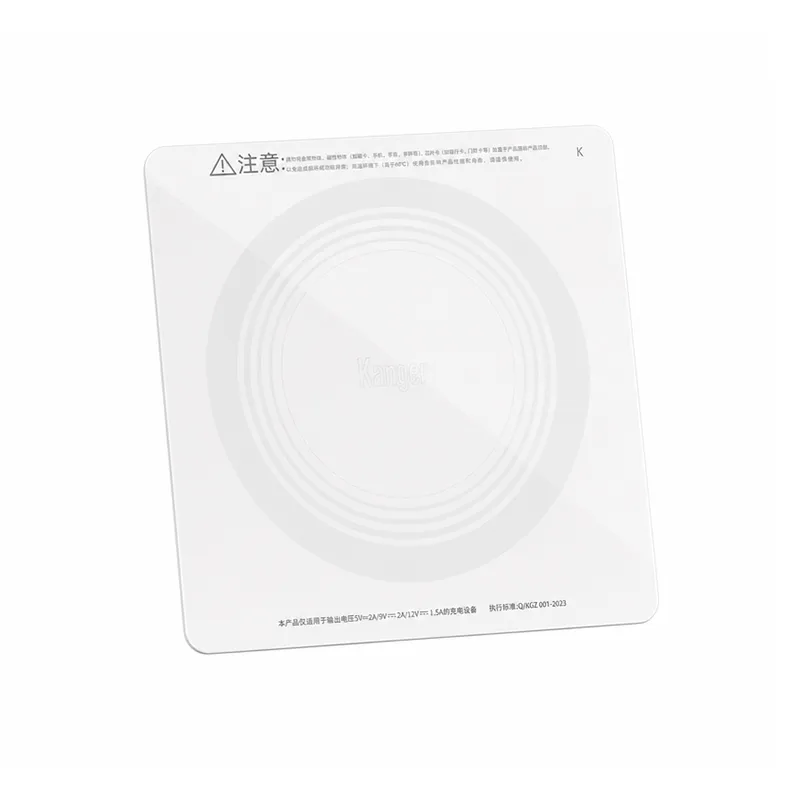
It preserves what was visible at a stated moment and connects that view to a panel, sample, or drawing reference. It does not replace the controlled drawing or create a result that the image cannot measure.
ASME’s Y14.5 overview offers context for identifying features consistently. The record should borrow that discipline without claiming that a photograph is a dimensioning or acceptance standard.
Important: A photograph alone does not prove a defect, durability result, thermal duty, certification, or final assembly fit. Keep those conclusions with the applicable project evidence. — Source: ASTM C162 overview
Use a file label that points to the project, panel or sample identifier, drawing revision, view, and capture sequence. The exact local naming convention belongs to the project; the important point is that the label can be traced without opening a chain of unrelated messages.
Record whether the image shows a loose panel, an installed view, a marked sample, or a comparison reference. For a broader approval sequence, see the OEM glass-ceramic sample approval workflow.
State the face, direction, and relevant surrounding condition. If a comparison depends on a light direction, mounting state, cleanliness, or observation distance, record that context beside the image rather than presenting the image as self-explanatory.
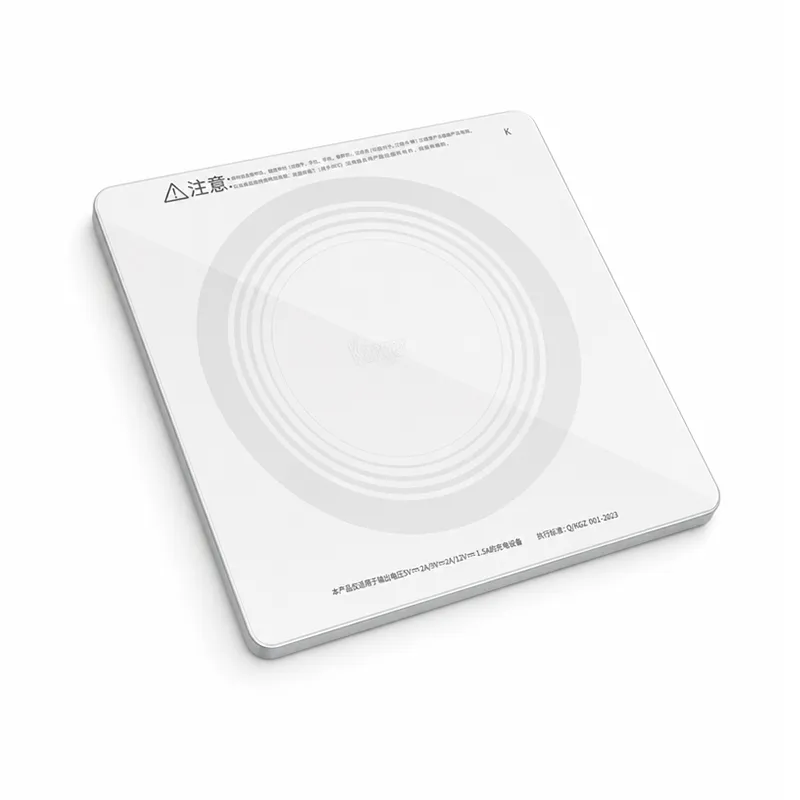
The goal is repeatability of the conversation, not an invented universal photo protocol. For an appearance decision that requires its own review, use the black panel appearance review as a separate route.
Keep the visible observation and its context together in the supplier package.
| Photo-record field | Why it belongs beside the image |
|---|---|
| Panel or sample identifier | Tells the receiver which physical object is shown. |
| Drawing or sample revision | Connects the image to the current reference. |
| Orientation and view | Explains the face, direction, and framing. |
| Viewing condition | Records context that may affect what is visible. |
| Observation | States what the reviewer actually saw. |
| Next-review owner | Keeps the follow-up decision assigned. |
This is an RFQ and quality-record aid. It does not turn the image into a test report or acceptance decision.
A photograph can support a discussion about a visible feature. It cannot independently prove material behaviour, print durability, a dimension, or compliance. Those decisions need their own records and conditions.
ISO’s standards catalogue is a reminder to identify the applicable basis before using a standard term. A photo record should remain honest about what it captures and what it leaves unresolved.
When a reviewer cannot tell whether a mark is an appearance concern, a drawing mismatch, a handling observation, or a performance question, assign the uncertainty rather than resolving it by caption. The drawing owner, quality owner, or project engineer can then choose the next evidence.
This keeps a visual record useful without turning a supplier acknowledgement into an approval. For application-specific inspection inputs, see the oven glass-panel inspection-input guide.
When the image identity, orientation, revision, conditions, and observation are ready, attach them to the tempered appliance-panel route.
Ask for supplier feedback against the project reference. If a different glass family is involved, begin at the KANGER products overview. For a project-specific question, contact KANGER.
It records a visible view with an identified subject, orientation, revision, conditions, observation, and next-review owner.
The label connects the file to the correct panel, sample, drawing revision, and view instead of leaving context in an unsearchable message.
It can document an observation, but it cannot alone establish a defect, acceptance limit, test result, or performance conclusion.
Record the panel or sample identifier, revision, orientation, viewing condition, observation, and owner for the next decision.
Compare them only after their subject, revision, orientation, and viewing conditions are known; otherwise the apparent difference may be contextual.
The project should name the owner appropriate to the question, such as drawing, quality, or engineering, without assuming that a photo itself grants approval authority.