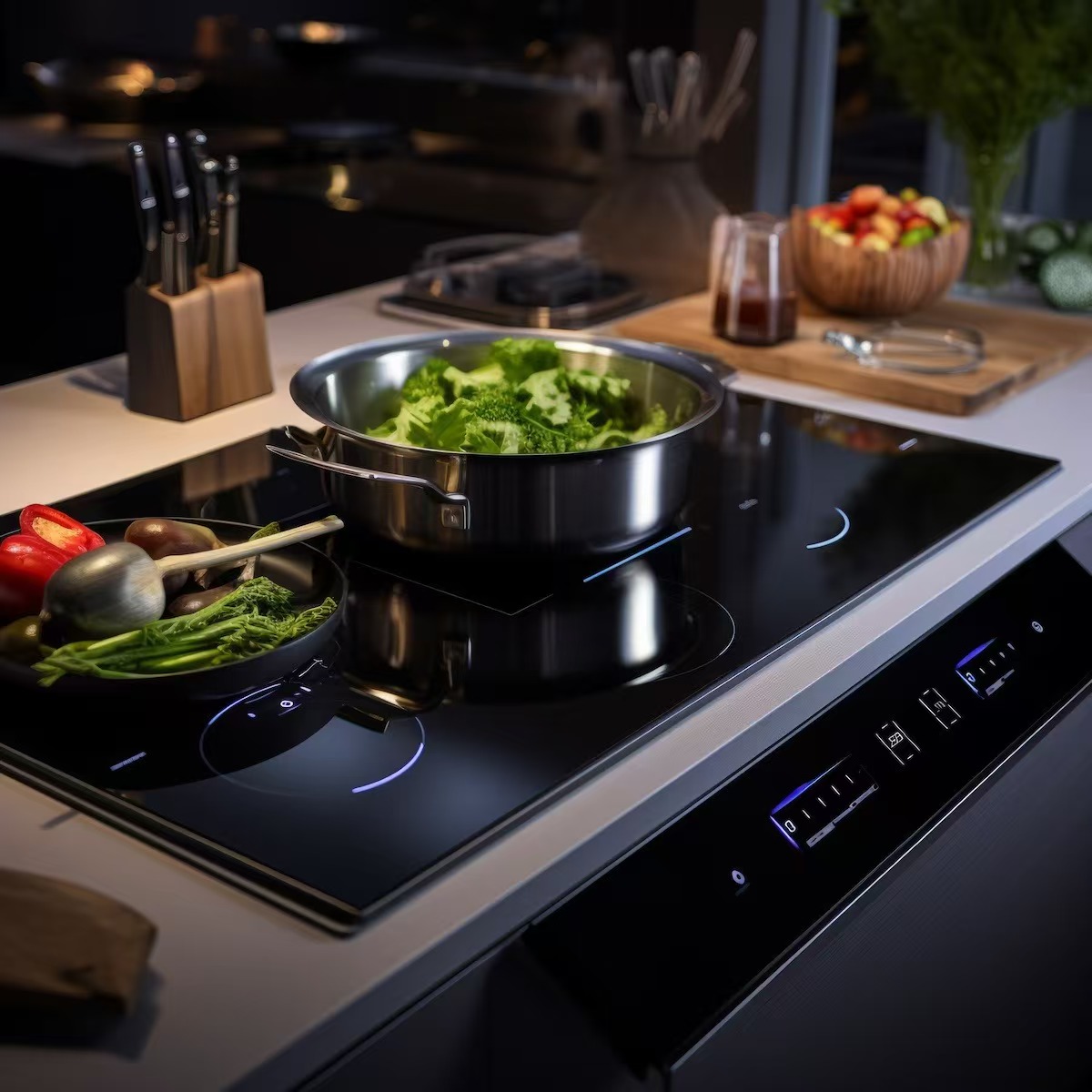
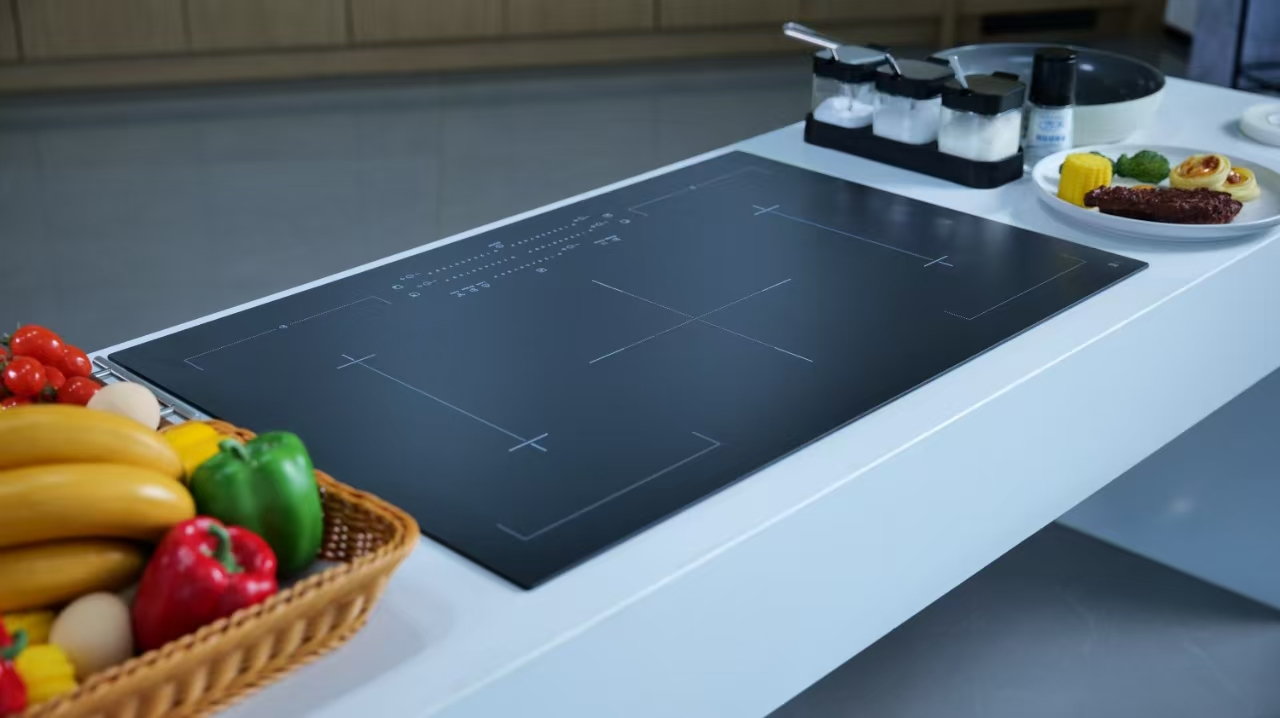
Document the panel and drawing revision, quantity, face/edge condition, package identity, agreed packaging basis, dispatch evidence, receiving observation, and owner for any exception. One package or one test should not be presented as proof of safe transit for every panel.
Packaging is part of the handoff, not a substitute for a controlled panel record. The receiver needs to know which panel was shipped, which revision it represents, what condition was observed at dispatch, and how an exception will be reviewed.
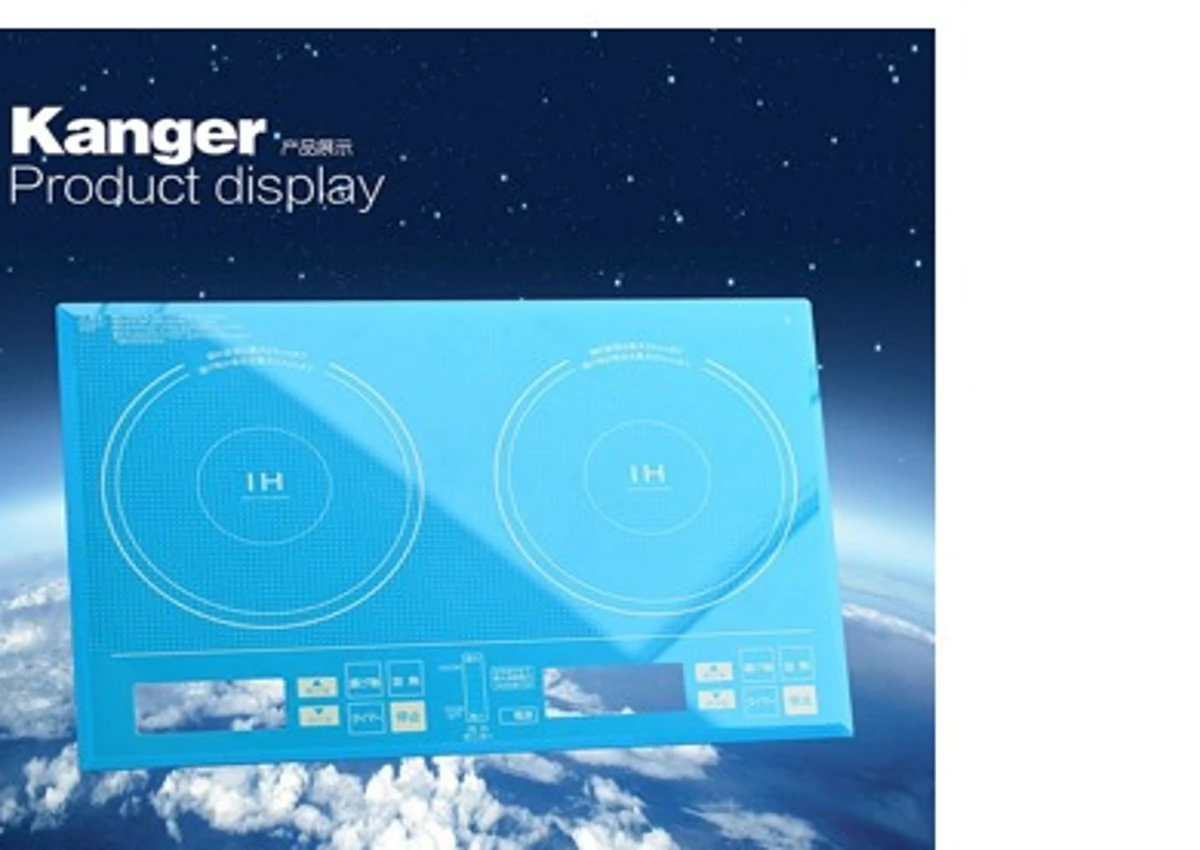
Record the panel or sample identifier, drawing or sample revision, quantity, face, edge, and shipment reference before the package is closed. If the item is a loose panel or an installed assembly component, state that distinction.
The transparent glass-ceramic product route gives first-party product context. It does not define a universal package construction or delivery term for every project.
Important: Do not treat a package label, photograph, or dispatch note as proof that the panel will meet every transit, installation, or finished-appliance requirement. Keep the project’s packaging basis and acceptance owner explicit. — ISTA and ISO 9001 standard page
Describe the package identifier, visible package condition, panel face and edge condition, protection status, and any mark or opening observed. A package record without panel identity cannot be matched reliably to a receiving observation; a panel photograph without package identity cannot explain the handoff.
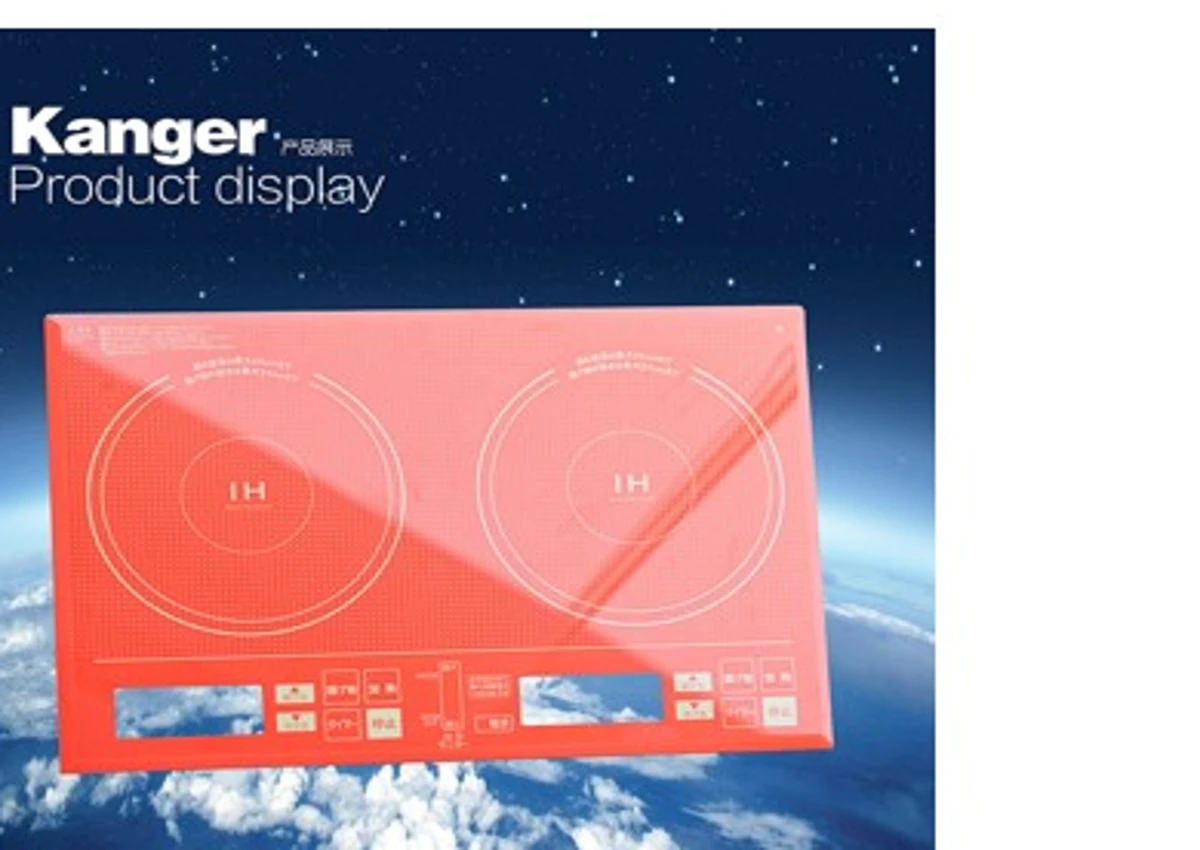
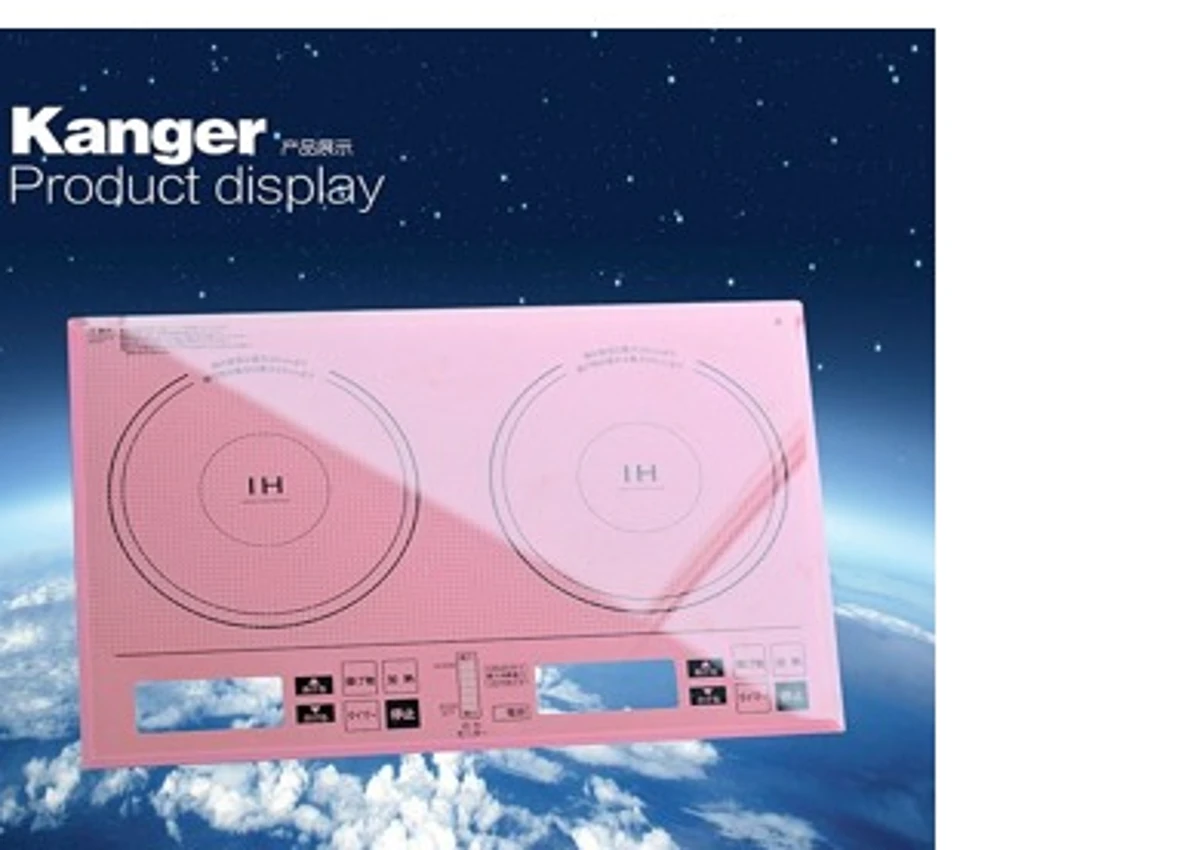
Use the appliance glass-panel photo record for a consistent subject, orientation, revision, and observation record. This article adds the package and dispatch link.
State the agreed packaging basis in project language: package drawing, handling note, route, destination, and any test or review document the buyer has actually approved. Do not turn a generic “export package” phrase into a fixed material, drop height, stack limit, or vibration result.
The ASME Y14.5 overview is useful context for tying a package label or drawing callout to a controlled revision. It does not specify this shipment’s packaging design.
At dispatch, record the package ID, panel count, visible condition, closure state, and responsible reviewer. At receipt, repeat the identity check before opening and record package condition, panel condition, and any discrepancy separately. If photos are used, keep their subject and revision visible.
The KANGER glass-ceramic sample approval workflow is the right sibling when the question becomes sample approval. A shipment record should not silently become acceptance.
Give the supplier and receiver the same fields.
| Buyer should provide | Why it matters | Common mistake |
|---|---|---|
| Panel/sample ID, revision, and quantity | Matches the shipment to the controlled item | Using a purchase-order line only |
| Face, edge, and condition at dispatch | Creates a comparison baseline | Recording only the outer carton |
| Package ID and agreed packaging basis | Makes the pack reviewable | Saying “standard export packing” without a reference |
| Destination and handling route | Connects the package to the project route | Assuming every carrier or route is equivalent |
| Dispatch and receipt evidence owner | Assigns the observation and follow-up | Leaving exceptions unassigned |
| Open damage or test questions | Separates evidence from a conclusion | Calling a transit event a material defect immediately |
For process-control context, see ISO 9001; for packaging-test terminology, use the project basis referenced by ISTA.
This guide fits OEM sourcing, quality, and logistics teams preparing a glass-ceramic panel shipment handoff. It does not define a package drawing, transit-test protocol, damage threshold, logistics term, insurance decision, certification, or warranty.
When a panel or package looks different at receipt, preserve the package identity, panel revision, images, quantity, and handling timeline. Route the cause question to the project owner instead of labeling it automatically as packaging failure, material failure, or supplier fault.
Use the transparent glass-ceramic product route with the panel identity, revision, quantity, face/edge condition, package basis, dispatch evidence, destination, and exception questions.
For a project-specific response, contact KANGER. Ask any packaging or test assumptions to be returned against the same revision.
Identify the panel or sample, drawing revision, quantity, face and edge, package ID, dispatch condition, receiver, and open questions.
No. Package requirements depend on the panel geometry, condition, route, destination, handling basis, and project evidence.
Record package condition, panel condition, identity, revision, images, quantity, and handling timeline separately before assigning a cause.
Include the panel and revision, quantity, face/edge baseline, package basis, destination, dispatch/receipt owners, and open test or damage questions.
It can preserve dispatch and receipt observations, but it does not by itself prove material performance or establish a cause without the project’s evidence basis.
The project should name the responsible quality, logistics, design, or supplier owner based on the question; the package record should show that assignment.