OEMs should specify chemically resistant induction cooker panels by naming cleaner classes, spill modes, induction interface details, and drawing-controlled documentation—not by pasting the marketing phrase into a quote request. This article maps those chemical fields, shows how they sit beside induction geometry and zone printing, keeps heat-duty documentation in its own lane, and points dark induction programs to the black glass-ceramic cooktop route.

It means the glass-ceramic induction surface is expected to stay serviceable under the cleaning agents and kitchen soils your program actually allows—not that every acid, abrasive, or oven spray is harmless.
Glass-ceramic is a polycrystalline material made by controlled crystallization of glass. Materials references list chemical durability among the properties that composition and heat treatment can tune.
On an induction cooker panel, that property only becomes purchasable when the RFQ names the detergent classes, spill chemistries, and care limits that belong in the appliance manual. A chemically resistant glass ceramic cooktop claim without those fields is still only a label.
Procurement teams often meet the phrase on supplier induction cooker glass ceramic pages that also advertise thermal stability and OEM cutting or printing. Treat those pages as category signals. They do not replace a field list for your SKU, and they do not prove that two factories tested the same cleaner set.
List the cleaner classes and spill modes the finished appliance will endorse, plus any agents you explicitly forbid, before you compare unit prices.
Cooktop-grade glass-ceramic literature commonly ties chemical resistance to recommended detergents and care products. Brand care guidance also warns that abrasive pads, oven sprays, and other aggressive agents are outside normal compatibility.
Unsuitable cleaners can leave lasting discoloration such as rainbow marks. Community threads show the opposite habit in the field: mild abrasives, scrapers, and specialty glass-ceramic creams after burnt-on messes or melted plastic.
Your RFQ has to choose one published care story so quotes are answering the same glass ceramic cooktop chemical exposure. Name cleaning agents and food spills explicitly instead of assuming “kitchen use” covers both.
| Exposure field | What to state in the RFQ | Why induction programs need it |
|---|---|---|
| Approved cleaner classes | Cream cleaners, cooktop-specific detergents, or other named classes in the manual | Stops “chemically resistant” from meaning every store-bought spray |
| Prohibited agents | Ammonia glass cleaners, chlorine bleach, oven sprays, scouring powders if banned | Matches warranty/care language buyers already see on finished goods |
| Spill modes | Sugary boil-overs, salty residues, oils/grease, melted packaging plastics | Separates soil chemistry from scratch-only language |
| Print/decoration contact | Whether zone inks/logos must survive the same cleaner set | Induction panels usually carry printed zones that cleaners touch |
| Evidence requested | Supplier chemical-care summary or test reference for the stated agents | Makes two quotes comparable on the same agent list |
Important: Sugary spills can damage a hot glass-ceramic surface if they are left to react instead of being removed promptly, and unsuitable cleaners can leave rainbow discoloration that polishing will not erase — brand care guidance for glass-ceramic cooktops, reflected in OEM manuals that limit approved agents. (SCHOTT CERAN care)
If your team still needs the broader cooktop chemical-exposure checklist without the induction interface focus, use the live guide on what chemical exposure cooktop RFQs should document.
State that the heating method is induction, then attach the geometry and marking details that sit over the coil system, next to the chemical list.
Chemical fields alone describe kitchen contact. Induction interface fields describe how the panel joins the appliance: overall outline, thickness callouts, edge finish, coil-zone openings or keep-outs, and silk-screen or other zone markings.
The induction heating interface and zone printing both meet the same cleaning agents on a finished hob. Supplier OEM pages routinely bundle size, edge, drilling, and printing with chemical-stability slogans. Your RFQ should unbundle them so chemistry and interface are each explicit.
For programs that also run infrared or radiant SKUs, keep technology comparison in its own request. The live buyer guide on comparing induction and infrared cooker glass-ceramic covers that split; this article only needs the induction marker beside chemical fields.
Attach a revision-controlled drawing and ask each supplier to answer the same chemical-exposure list against that drawing.
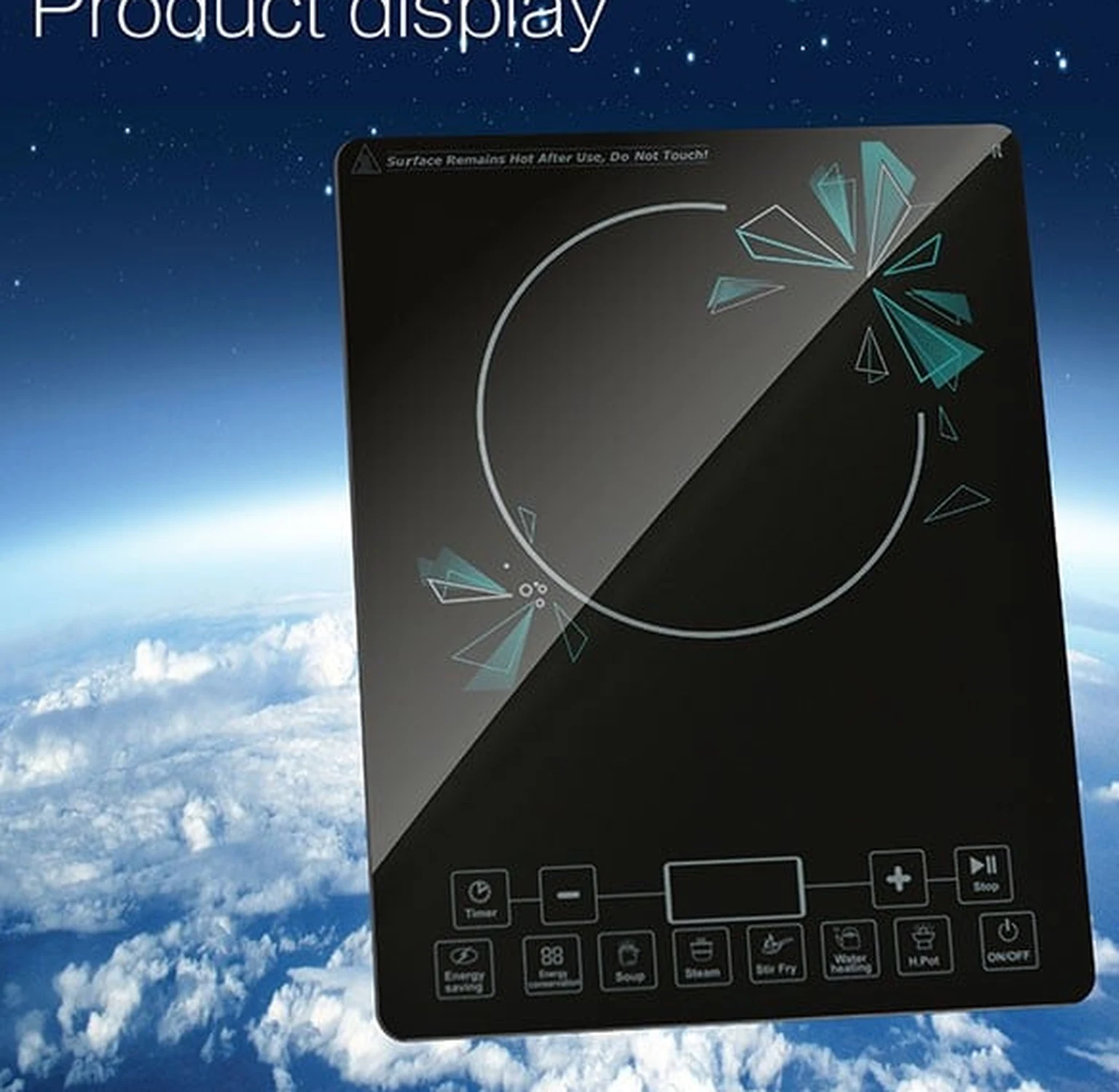
Two induction quotes that both say “chemically resistant” are not comparable if one assumes cream cleaners only and the other assumes any household spray. Put the exposure table, the induction interface callouts, and the document request on one package.
| Field group | Buyer provides | Supplier responds |
|---|---|---|
| Drawing identity | File name, revision, date | Confirms the revision reviewed |
| Geometry | Outline, thickness, edge, cutouts | Flags deviations or assumptions |
| Induction interface | Heating method = induction; zone/print notes | Confirms print/process scope |
| Chemical exposure list | Approved/prohibited agents and spill modes | States coverage or exclusions |
| Documentation | Care summary or chemical test reference requested | Provides available evidence and limits |
| Open items | Unknown agent or decoration decisions | Written proposal, not silent assumption |
Kanger’s black glass-ceramic cooktop resource hub already asks RFQs to identify heating method, panel geometry, thickness, edge finish, and thermal evidence. Add the chemical-exposure list on top of that base when chemical resistance is a named requirement.
Keep thermal evidence in heat-duty fields. Do not treat a chemical-resistance slogan as proof of thermal shock, continuous heat, or CTE performance.
Induction supplier pages often print chemical stability beside large temperature marketing lines. Those are different decisions.
Chemical fields answer cleaner and spill contact. Heat-duty fields answer operating temperature, thermal-shock expectations, and related test notes for the approved drawing.
If your program’s primary question is heat resistance for induction glass panels, use the dedicated heat-resistant induction cooker glass panels OEM guide in this publishing batch rather than overloading this chemical article. Likewise, questions that only compare chemical-resistance marketing language with “standard” cooktop glass belong in the selection article on separating chemical-resistance claims from cooktop selection. Here the job is narrower: induction panel + chemical RFQ fields.
Route dark induction cooker panels through Kanger’s black glass-ceramic cooktop line after the chemical exposure list and induction interface fields are written.
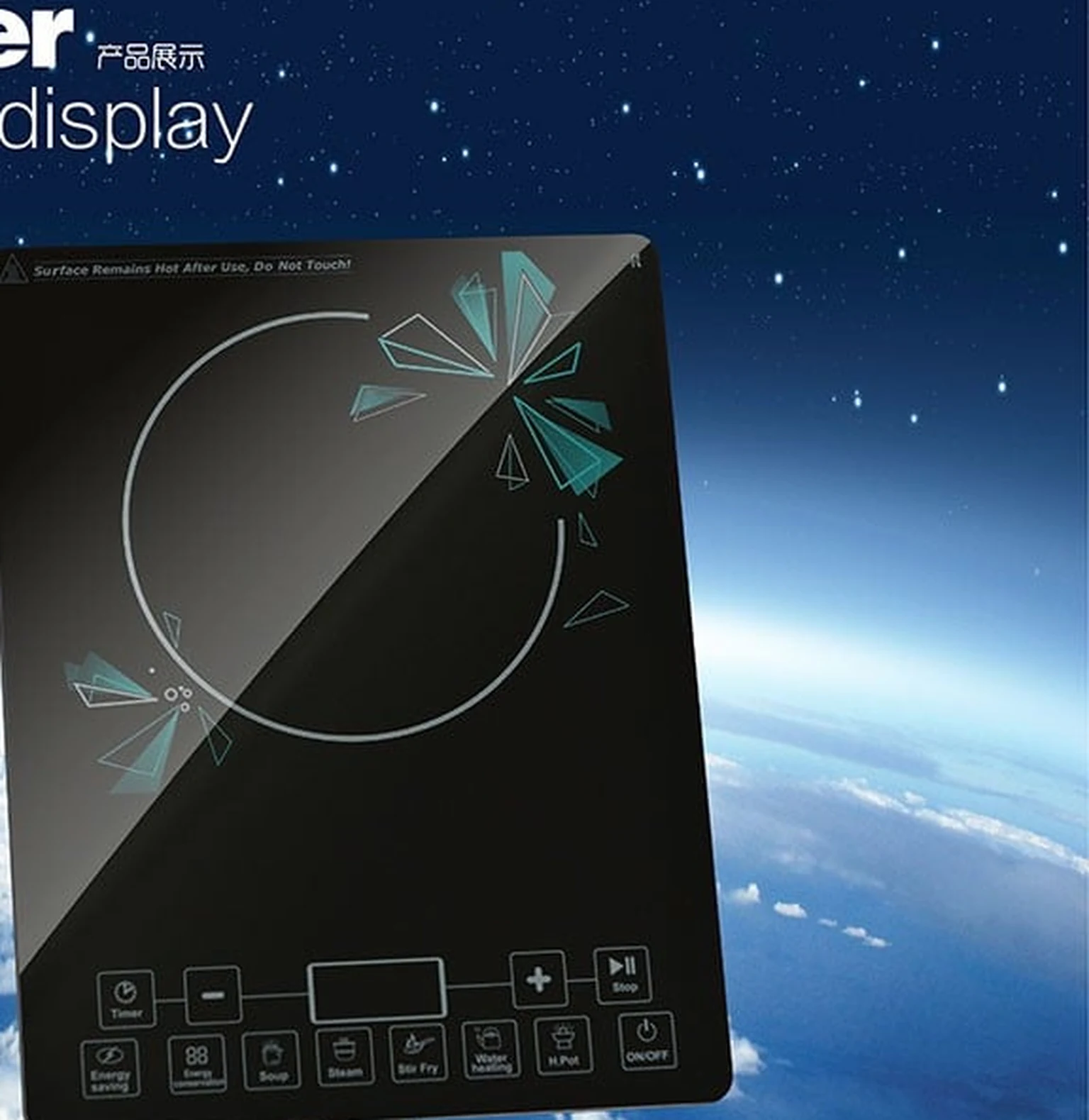
The black glass-ceramic cooktop panels hub is built for appliance OEMs that need a dark, smooth cooktop surface with a defined material, drawing, and thermal-test brief.
That is the right door for black induction panels once heating method, geometry, and chemical exposures are explicit. It is the wrong door when the part is white, transparent fireplace glass, or a shaped wok geometry—those need their matching lines.
One headline temperature or chemical phrase still does not cover every color or outline. When the package is ready, send the drawing and exposure list through the hub or contact Kanger with the same field set.
Safe cleaners are the classes named in the appliance manual and matched in the panel RFQ—typically cooktop-specific creams or other approved detergents—not every ammonia glass cleaner or abrasive powder on the shelf.
No. Chemical resistance in procurement means compatibility with defined agents. Vinegar, ammonia glass cleaners, and oven sprays are frequent consumer shortcuts and often sit outside approved care lists.
Approved cleaner classes, prohibited agents, spill modes, decoration/print contact, and the chemical documentation you want returned against the drawing.
Yes. Induction heating method, zone markings, and related geometry travel with the chemical list so suppliers are quoting the same induction cooker glass ceramic panel, not a generic sheet.
No. Keep thermal evidence in heat-duty fields. Chemical slogans do not prove thermal shock or continuous-heat performance.
That article documents chemical exposure for cooktop RFQs in general. This one adds the induction interface pairing and keeps infrared comparison and pure heat-duty guides in their own URLs.
Unsuitable cleaners are a documented cause of shimmering or rainbow discoloration on glass-ceramic cooktops. Prevention is an approved-agent problem, not a polish-only problem.
Dark induction panels usually open against the black glass-ceramic cooktop hub after chemical and interface fields are listed; white, transparent, or shaped parts use their own lines.