Induction hob condensation is a moisture observation that needs a location and a history before it becomes a diagnosis. Water seen on a hood, nearby splashback or glass surface may be associated with cooking vapor meeting cooler surfaces, but a drip can also have another source. First follow the appliance instructions for spills, moisture or damage. Do not assume that every wet patch is harmless condensation or that changing the glass panel will fix it. Record where the moisture begins, what was cooking and whether it returns when cooking stops, then use the appropriate appliance or ventilation support route.
Look from a safe position without reaching across operating pans. Is moisture first visible on the underside of the hood, on the backsplash, around the edge of a lid or near the hob controls? Those observations describe different paths. Water that falls from above can make the hob wet without originating inside it. A liquid spill around a saucepan is another possibility and should not be reclassified as condensation by assumption.
For a routine inspection, stop cooking and follow the manufacturer’s instructions for safe access and cleaning. If there is a suspected electrical or liquid-ingress problem, follow the prescribed isolation and support procedure. Do not remove a filter, reach beneath the hob or open a cabinet appliance enclosure while investigating. The objective is to document the visible origin, not to dismantle equipment in search of a theory.
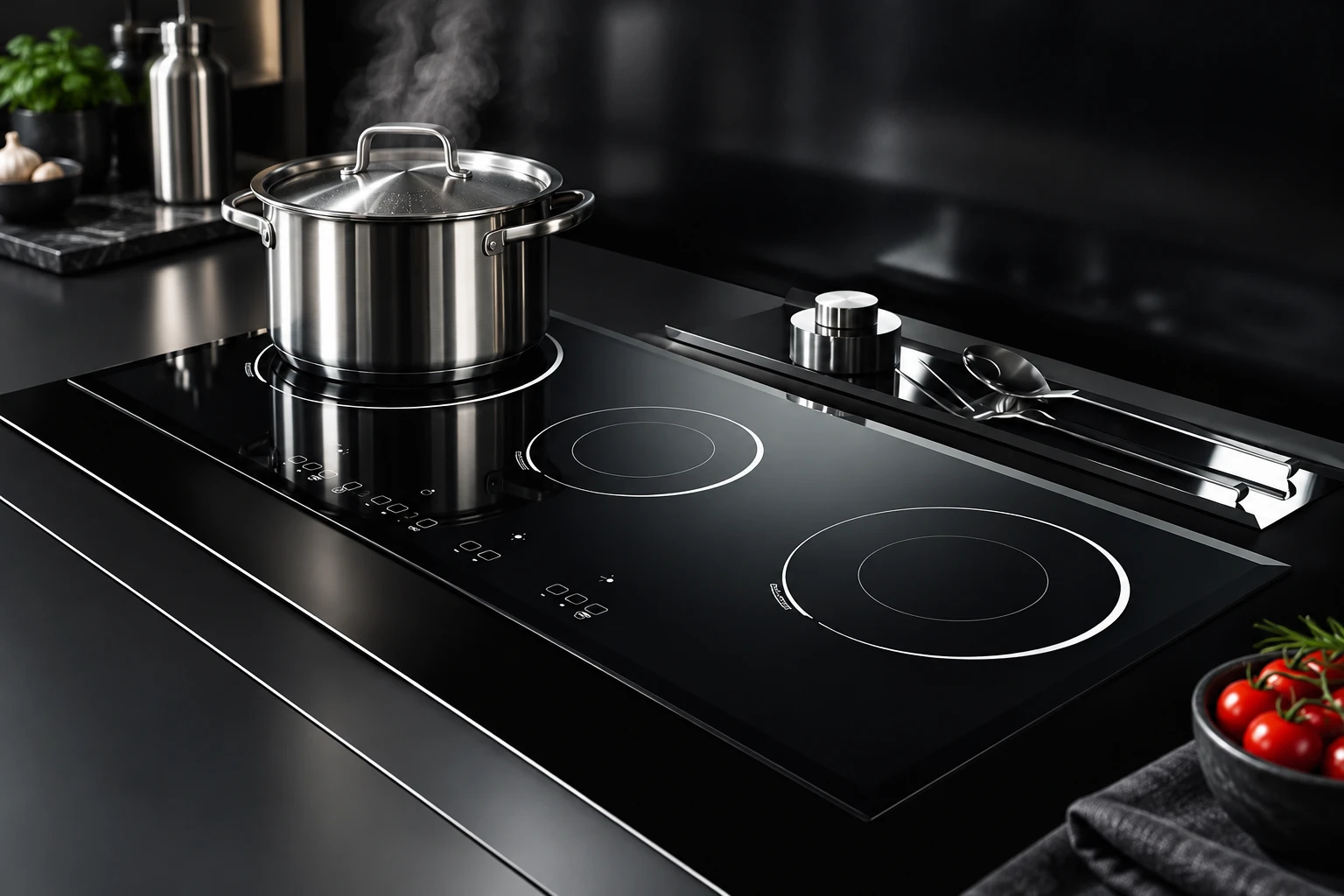
The EPA moisture guide explains why condensation can appear on cold surfaces. Cooking releases moisture as well as other emissions. Water vapor can become liquid when it meets a surface cool enough under the surrounding conditions. That explains a possible mechanism for droplets, not proof that a particular hood is correctly installed or that every wet mark is normal. Amount of cooking, lid use, room conditions and the surfaces encountered can all change the observation.
Avoid a simplistic claim that induction cannot produce steam because there is no gas flame. The contents of the pan can still release moisture. Equally, the presence of droplets does not reveal an extraction rate, room humidity or equipment defect. A proper investigation needs the actual conditions and product documentation. Do not copy a generic airflow number or humidity threshold into a service conclusion.
The hob’s cooling arrangement and the kitchen hood serve different purposes. A fan beneath the glass is not the same system as extraction above the cooking area. Our cabinet cooling and kitchen extraction explains the installation coordination question. This article addresses the narrower task of tracing observed moisture after the appliances are in use. Do not block a cooling opening or alter cabinetry as an experiment to reduce a hood drip.
EPA guidance on ventilation and indoor air quality describes source control and ventilation as approaches to indoor air quality and notes the role of kitchen fans exhausting outdoors. That supports reviewing the extraction arrangement; it does not certify a particular hood or guarantee a condensation-free surface. Use the actual equipment instructions to establish its operation and maintenance. If the route or configuration is unclear, ask a qualified installer to confirm it.
Note which zone was used, what kind of cooking was taking place and whether the pan was covered. Record the extraction mode and setting, where known, without guessing undocumented airflow. Include when droplets first appeared and whether the surface was already wet before cooking. A short consistent record is more useful than a claim that the kitchen always steams up.
Compare observations only under permitted normal use. Do not deliberately boil a pan dry, create excessive vapor or run an unsafe setup to reproduce the problem. If a comparison is reasonable, change one condition at a time and stop if the instructions identify a hazard. A photograph can show the location and pattern of moisture, but it cannot measure ventilation performance or prove the internal condition of the hob.
| Observation | What to document | Appropriate route |
|---|---|---|
| Droplets begin under the hood during steaming | Origin, cooking task and extractor operating mode | Hood care and ventilation review |
| Water runs from a pot or lid | Vessel position and spill path | Appliance spill instructions |
| Moisture appears near controls with a warning | Displayed message and timing | Hob manual and qualified support |
| Wet area returns without cooking | Time, surrounding conditions and visible source | Investigate other moisture sources |
| Persistent wet cabinetry or damage | Location and photographs without dismantling | Installation or building inspection |
These routes help organize a service request. They are not a diagnosis and do not authorize continued operation of wet or damaged equipment. Follow the most relevant product instructions immediately when they call for stopping use or professional assessment.
Read the hood’s instructions for its normal starting sequence, operating modes and maintenance. Check whether you know the installed configuration rather than assuming it exhausts outdoors because it has a fan. A recirculating arrangement and a ducted arrangement need different documentation. The label on the control is not evidence of where air actually goes.
Ask an installer to review an uncertain route, termination or altered installation. Do not remove parts or make unapproved changes to chase a drip. Likewise, avoid assuming that a special product name solves every moisture problem. The important evidence is the actual installation and whether it is operated and maintained as specified. Keep any proposed change linked to the equipment model and a responsible professional’s assessment.
Follow the stated cleaning or replacement procedure for the hood’s filters. Record when it was done and whether a required component was reinstalled correctly. Do not operate an incomplete system or substitute a different filter simply because it looks similar. If access is difficult, use the approved service route instead of balancing over the hob.
Finding a dirty filter does not establish that it caused every droplet, and cleaning it does not prove the whole ventilation system works. Continue documenting the actual moisture path after the approved maintenance. Avoid turning a plausible contributing condition into a definitive diagnosis. A support request should distinguish what was observed, what was maintained and what remains uncertain.
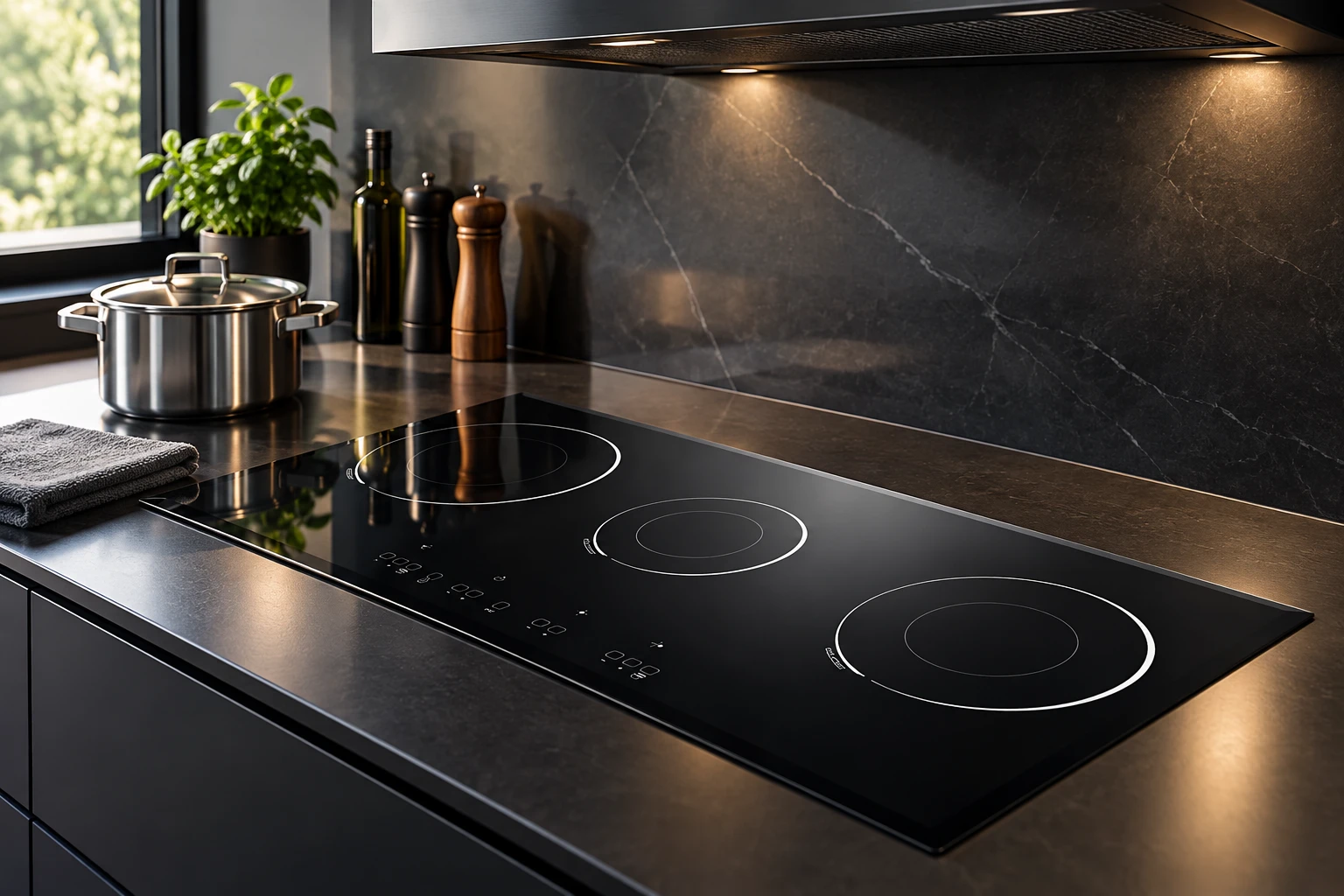
For moisture on the panel, follow the hob’s care and spill instructions. Do not pour water or spray cleaner into controls, edges or openings. Use only the approved routine and safe access conditions. Our boil-over and spill response addresses spills and boil-over, while touch-control operation explains the separate touch-control interface. Wetness alone does not establish that the touch sensor or panel needs replacement.
If controls behave unexpectedly, document the message and circumstances. Do not repeatedly operate them with wet hands to test a theory. If liquid may have entered restricted areas or the appliance shows damage, stop and contact qualified support as directed. A surface becoming dry does not by itself certify an internal electrical condition. Keep a visible cleaning observation separate from service clearance.
Moisture that returns when no cooking is taking place needs a broader source investigation. Note nearby plumbing, building surfaces or other equipment without opening or altering them. If cabinetry remains wet, finishes deteriorate or a recurring source cannot be located, seek an appropriate inspection. Do not attribute every kitchen moisture problem to induction merely because the hob is nearby.
For concerns involving indoor dampness or health, use qualified building or health advice appropriate to the actual case. This article does not identify mold, assess exposure or prescribe remediation. Its purpose is to collect useful appliance and moisture observations and direct them to the right person. A repeated unexplained drip should remain an open issue until its source and appropriate response are established.
The Kanger black glass-ceramic cooktop panel connects this discussion to Kanger’s cooking-surface business. A panel drawing defines the intended visible part and assembly interface. It does not establish the room’s moisture balance, the extraction route or a guaranteed absence of condensation. A product photograph cannot reveal internal sealing or certify the finished appliance’s resistance to a particular spill.
The black glass-ceramic material overview gives material context for panel sourcing. For an OEM concern, record the assembled appliance, panel revision, visible moisture path and relevant operating conditions. Let the appliance design and verification process establish any ingress-related requirements. Avoid changing glass material, printing or seals by guesswork when the observed source might be above or beside the panel.
Give support the hob and hood model numbers, photographs of the first wet location, the cooking task and the timing. State the operating mode, known configuration and maintenance already completed. Include whether the problem occurs without cooking and whether any warning appeared. Do not describe an unmeasured airflow rate or claim a hidden component is wet unless that was actually established.
Agree the next action and who will perform it: approved cleaning, operating guidance, installation review or appliance service. Retain that response with the model documents and avoid repeating unsafe trials while waiting. A clear evidence trail helps resolve the issue without replacing unrelated parts or treating a persistent moisture source as an unavoidable property of black glass.
Berkeley Lab introduces cooking emissions and their investigation. It supports the reason for kitchen extraction; it does not diagnose condensation, prescribe a hood setting or establish a moisture limit for your installation.
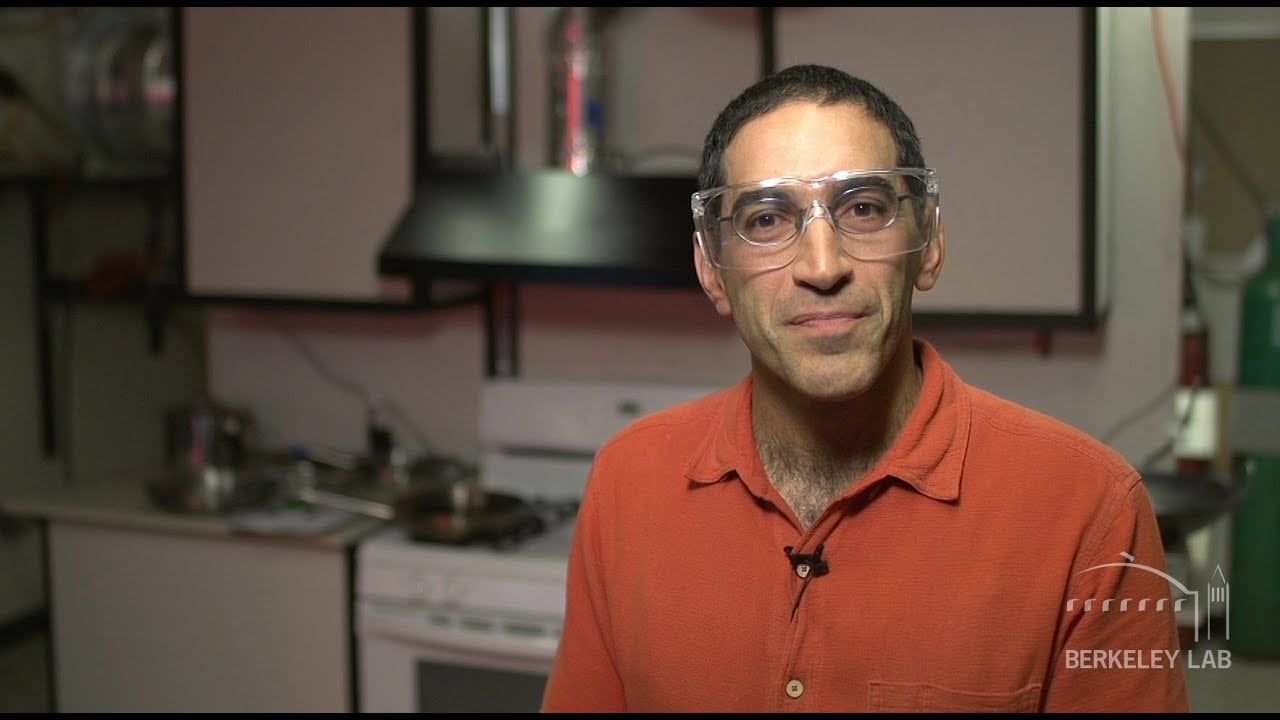
Video: Looking for Hazardous Pollutants in Your Kitchen, Berkeley Lab. Open the educational video on YouTube.
No. Trace the first wet location and consider cooking vapor, spills, the hood and other sources. Follow appliance warnings and support advice.
Do not assume so. Cabinet cooling and kitchen extraction are separate arrangements with their own instructions.
Follow the exact appliance’s moisture, spill and warning instructions. Dry appearance alone does not certify the internal condition.
First establish the source and installation conditions. A drip from above is not evidence that a replacement panel solves the cause.



