Copper pans on induction need a compatible base; the copper colour or copper body alone does not establish that the hob can heat the vessel. Some cookware combines copper with an induction-compatible construction, while a traditional vessel may lack that feature. Check the exact pan model and size, the manufacturer’s induction designation and the appliance’s cookware requirements. Inspect the cold underside and use a magnet only as an initial screen. Also read the lining and care instructions for the complete vessel. A beautiful exterior is not evidence of compatibility, and an induction marking does not replace the remaining use limits.
A cookware listing may describe a copper body, a copper layer within a construction or a copper-coloured finish. These are different descriptions, and an attractive photograph cannot distinguish them reliably. Ask what the supplier means before comparing prices or heat-source claims. Record the construction in plain terms rather than assuming that every vessel marketed with the same word behaves identically.
For induction, focus on the manufacturer’s designation for the exact item. ENERGY STAR guidance on induction cooking explains the role of suitable ferromagnetic cookware and suggests a magnet as a practical first check. That principle does not identify the layers in a particular copper pan. A supplier drawing or product statement can explain the base; the visible colour cannot.
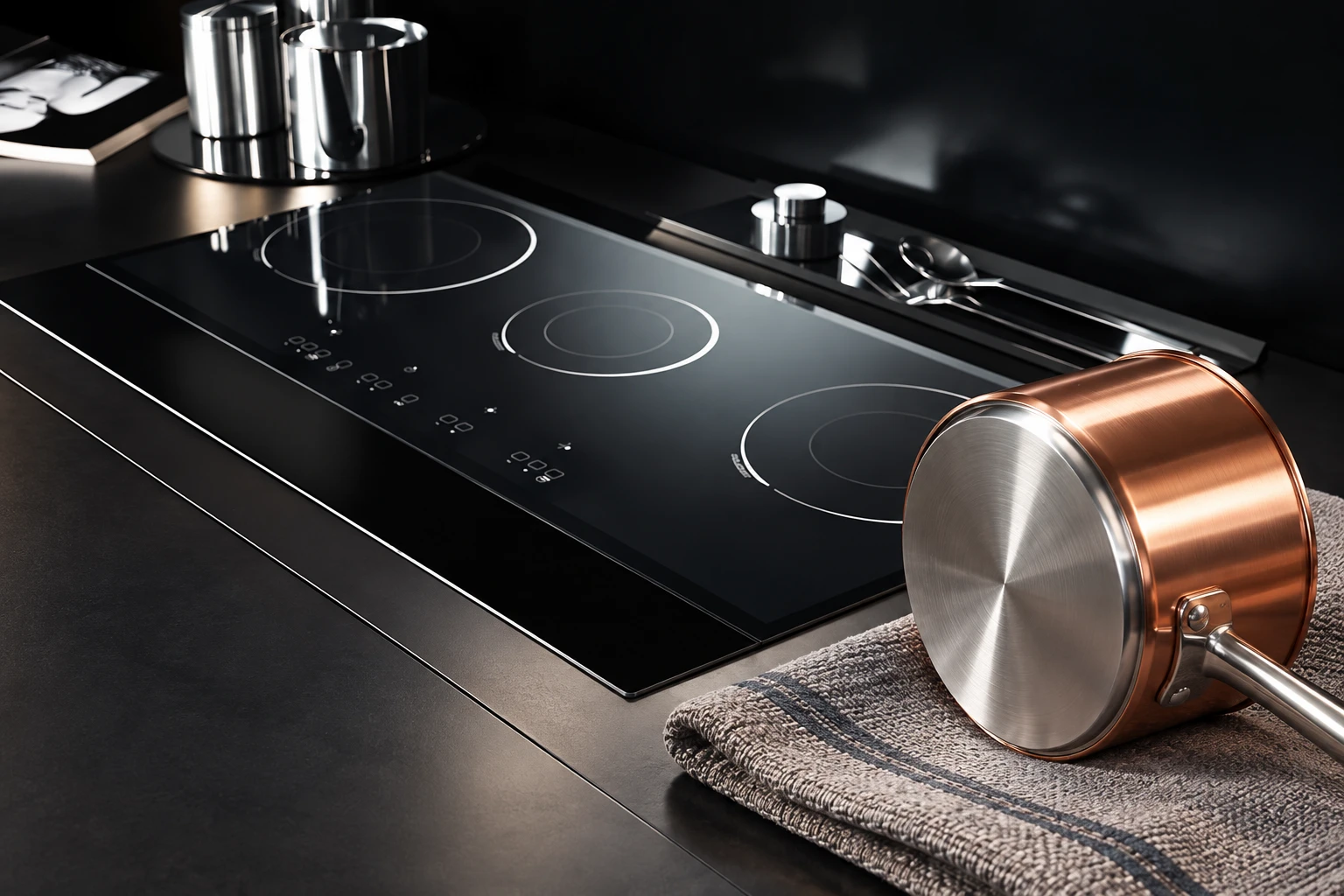
Do not assume an older copper vessel is induction-compatible because a new product from the same maker is. A range can include different constructions and heat-source designations. Inspect the actual pan and consult information covering its model, age and size. If the identification is missing, ask the maker or a competent cookware specialist rather than borrowing specifications from a current listing.
An induction-ready copper product may include a base intended for that heat source. The detail belongs to the manufacturer’s construction description. Do not prescribe a universal layer count or thickness, and do not claim a visible silver disc proves how the entire vessel was made. Treat an unknown construction as an unanswered question until the supplier provides useful evidence.
The surface that touches food has its own use and care conditions. Those conditions do not follow automatically from the induction designation. Read the actual lining information and any limits on heating, utensils and cleaning. If the lining is damaged or unidentified, obtain the appropriate supplier assessment before use rather than inferring its condition from a clean exterior.
This article does not certify a food-contact material, assess exposure or recommend a repair method. The purpose is to keep the procurement questions distinct: intended heat source, vessel construction, usable dimensions and lining care. A pan might satisfy one of those questions while another remains unresolved. Do not turn partial evidence into approval of the whole vessel.
Compare the base dimensions requested by the hob manual with those supplied for the pan. The rim diameter may be larger than the area relevant to induction. A tall copper vessel can look substantial while its contact area is smaller than expected. The separate usable pan-base size guide explains the sizing issue; use its method alongside the appliance’s own requirements.
Check placement, handle clearance and access to controls. The base should occupy the permitted position for the selected zone without relying on an improvised support. A pan that is suitable for one zone is not automatically suitable for every zone. Where a supplier lists only a nominal diameter, request the missing base information before choosing a set for an unfamiliar appliance.
| Description or observation | What it does not establish | What to obtain |
|---|---|---|
| Copper-coloured exterior | Body composition or induction suitability | Exact construction and heat-source declaration |
| Copper body stated | Presence of an induction-compatible base | Model-specific induction designation |
| Magnet attracted to underside | Correct size, condition or cooking performance | Base dimensions and appliance requirements |
| Induction marking | Unlimited heating or lining durability | Current care and use instructions |
| Matching appearance within a set | Identical base construction for every piece | Designation for each intended size |
Use this table to organize evidence, not to rank copper alloys or promise a cooking result. No numerical magnetic threshold or layer specification is implied. If documentation is inconsistent, seek clarification for the precise item rather than averaging claims from several retailers.
Follow the cookware maker’s handling instructions and inspect the underside when cold. Look for residue, grit, obvious deformation, loose parts or damage requiring assessment. Do not scrape off a component to discover whether it is magnetic. Avoid polishing the base with an unapproved abrasive simply to improve its appearance before testing.
If a magnet check is appropriate, use it on the relevant base area and keep it away from items that restrict magnets. Attraction at a handle rivet is not evidence about the cooking base. Record what was checked. A cold visual inspection is useful but cannot reveal every internal condition, so it should support documentation rather than replace it. For a second-hand copper vessel, request clear photographs of the actual underside, interior and identification marks. Ask whether any repair or relining was performed and obtain the relevant records where available. An undocumented modification should remain an open question for a competent supplier, rather than being accepted because the pan looks polished.
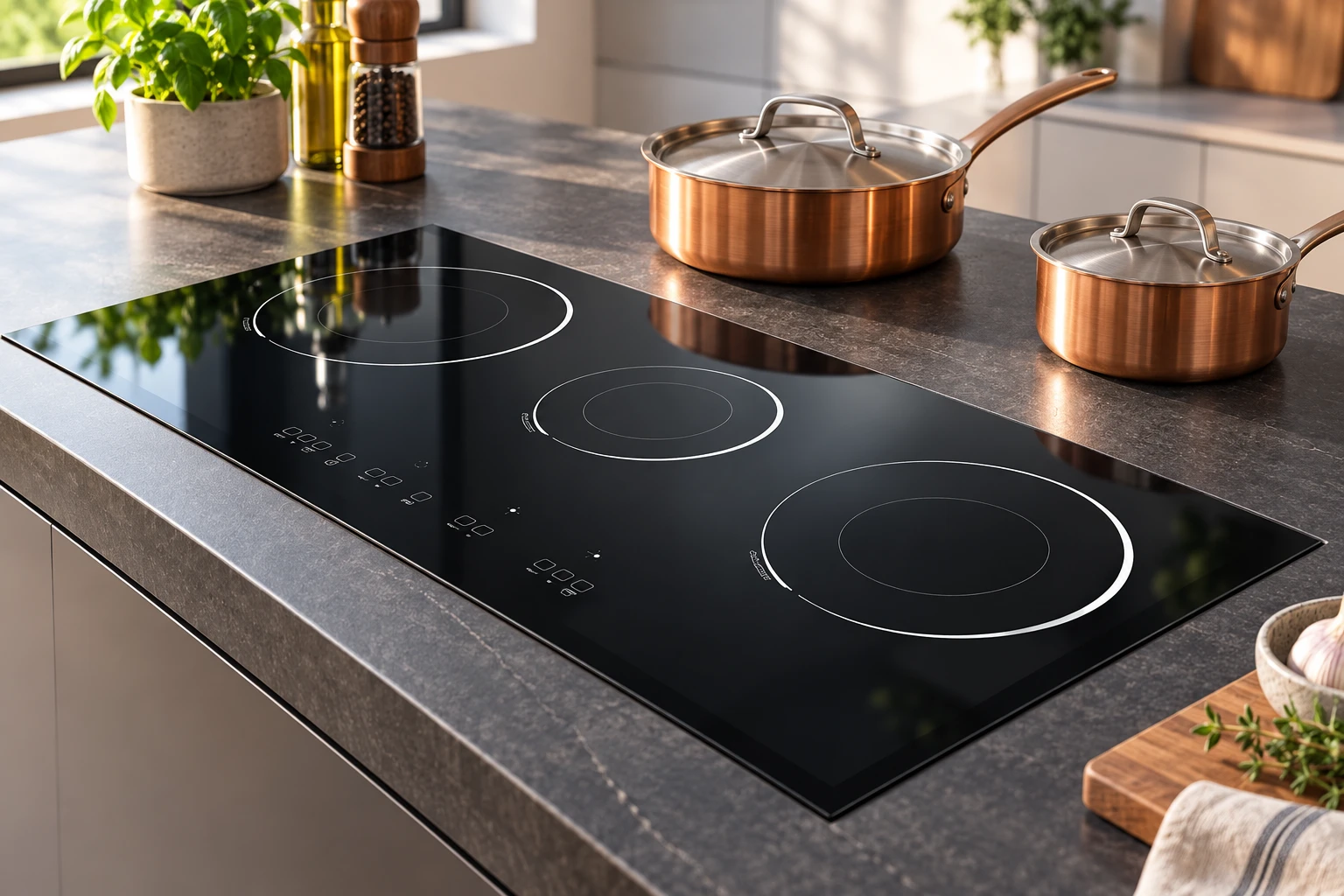
Where a trial is permitted, use suitable contents and the normal appliance instructions, with supervision. Note the exact vessel, selected zone, function and task. Do not compare unlike quantities of food or different starting conditions and attribute every difference to copper. Keep the evaluation focused on whether this particular documented combination suits the practical use.
A compatible vessel can respond differently from an older pan. Adapt the recipe within the cookware instructions, watching the actual cooking rather than assuming the same control number always gives the same result. Our finding an appropriate simmer setting addresses simmer selection. A household observation does not measure laboratory efficiency, prove uniform temperature or establish service life across every appliance.
If the vessel is not approved for induction, do not add an adapter without checking the exact appliance and accessory instructions. A marketed accessory is a separate component with its own limitations. It does not automatically approve traditional copper cookware for a hob that restricts such use. Never attach loose steel or an improvised plate to the vessel.
Do not remove a fitted base or alter the lining to change compatibility. These actions can affect the vessel in ways a kitchen inspection cannot evaluate. If the information is insufficient, ask the manufacturer or choose cookware documented for the appliance. Keep any accessory question separate from an unresolved warning or an apparent damage condition requiring qualified support.
Copper cookware can have substantial handles and body weight, depending on its construction and contents. Use the approved lifting method and suitable protection. Keep the underside clean and avoid dragging contaminants across the glass. Do not assume a soft-looking exterior makes the entire base harmless to the surface, or that a visible mark proves copper transfer.
Follow the hob’s cleaning and spill instructions. If a mark or damage remains uncertain, document it and seek appropriate advice before applying an unapproved cleaner. U.S. Fire Administration cooking-safety guidance also emphasizes attending cooking. Induction compatibility does not remove the need for supervision, a clear work area and handling appropriate to the actual vessel.
The Kanger black glass-ceramic cooktop panel is relevant to the black glass cooking surface, while the black glass-ceramic material overview provides material context. Neither a panel photograph nor a glass material description certifies a particular copper pan. For an OEM project, define the panel drawing and assembly interface separately from the finished appliance’s permitted cookware and evaluation conditions.
Keep the cookware model, construction statement, base dimensions and care sheet with the appliance documents. Our stainless cookware base verification addresses stainless vessels as a separate material question. If a customer reports poor heating with copper cookware, collect the model, zone and displayed message before changing a panel specification. A documented mismatch calls for a compatibility decision; it does not establish a glass defect.
Technology Connections explains induction and cookware geometry. The demonstration provides physical background; it does not certify the material, coating, base or size of a particular vessel, or approve accessories for your appliance.
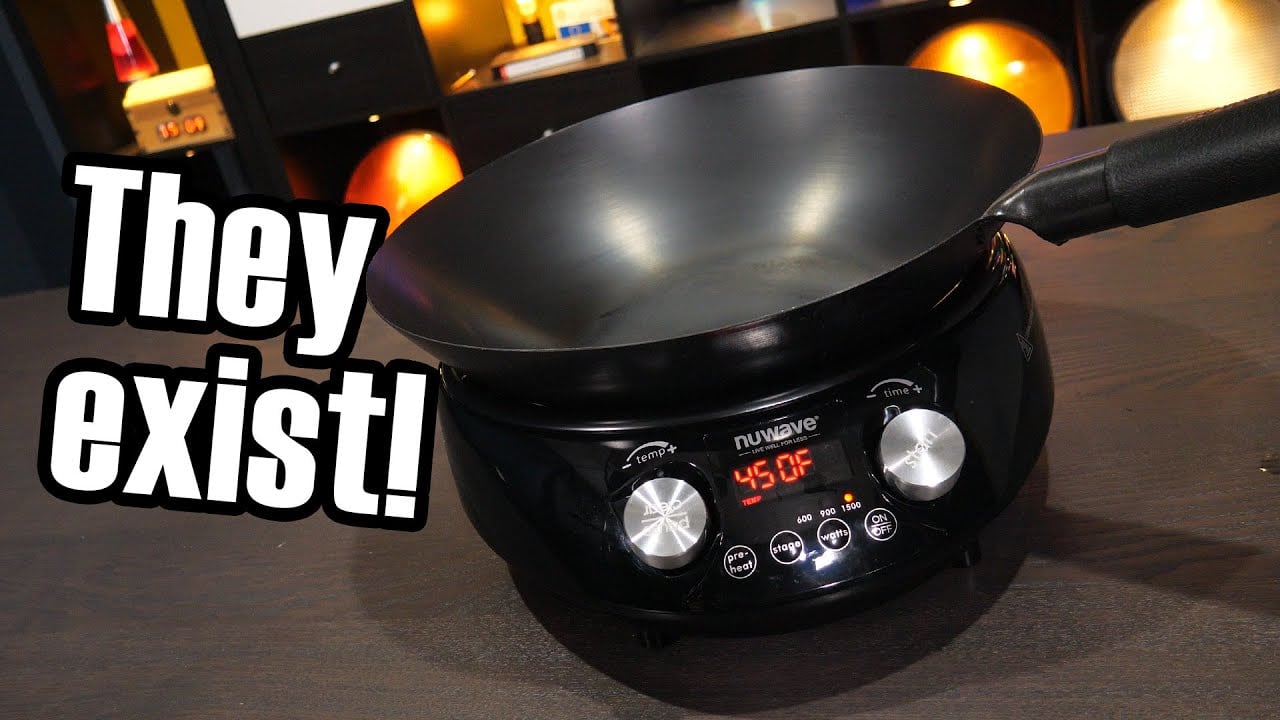
Video: Induction cooking – but what about woks?, Technology Connections. Open the educational video on YouTube.
No. Check whether the exact pan has a compatible base and is designated for induction.
It can, but colour does not identify construction. Use the model-specific manufacturer information.
No. Follow the separate heating, utensil and cleaning conditions for the actual lining and vessel.
No. Check the exact appliance and accessory restrictions; do not improvise or assume approval.



