Induction cookware utensil surface compatibility depends on the pan’s interior finish and the utensil maker’s instructions. An induction symbol describes a heating application; it does not approve metal edges, sharp corners or a particular spatula for the cooking surface. Identify the exact vessel, confirm which tools its maker permits, and inspect the tool’s food-contact edge before use. If the finish or a tool’s condition is uncertain, resolve that question before cooking rather than testing it by scraping the pan.
This guide concerns the contact between a utensil and a vessel interior. It does not set universal utensil temperature ratings or turn a coated surface into an uncoated one. The separate contact between a pan base and the glass hob still needs its own care instructions.
Read the model-specific cookware description. Stainless steel can describe the outer body while the interior has a coating. A dark interior also cannot identify a particular coating by appearance alone. For a set with several pieces, check each piece. A single material name on the carton may not explain all the surfaces in the set.
Map the relevant contact areas: bottom, side wall, rim and any pouring feature. A tool that suits a broad flat base might have a corner that catches against a tighter side-wall curve. Check the shape and intended use as well as the named material. Do not force an unsuitable tool to reach a corner by increasing pressure.
The magnetic base and its geometry concern interaction with the appliance. checking stainless cookware for induction addresses that selection question. They do not provide evidence about which utensils may contact the inside. Keep the cookware leaflet open at the care section when choosing tools instead of relying on an induction badge or an assumption about professional kitchens.
The Le Creuset stainless cookware guide distinguishes coated and uncoated interiors when discussing utensil choice. That distinction illustrates why the finish matters. Apply its specific permissions only to the products covered there, and obtain the corresponding instructions for another manufacturer’s vessel.
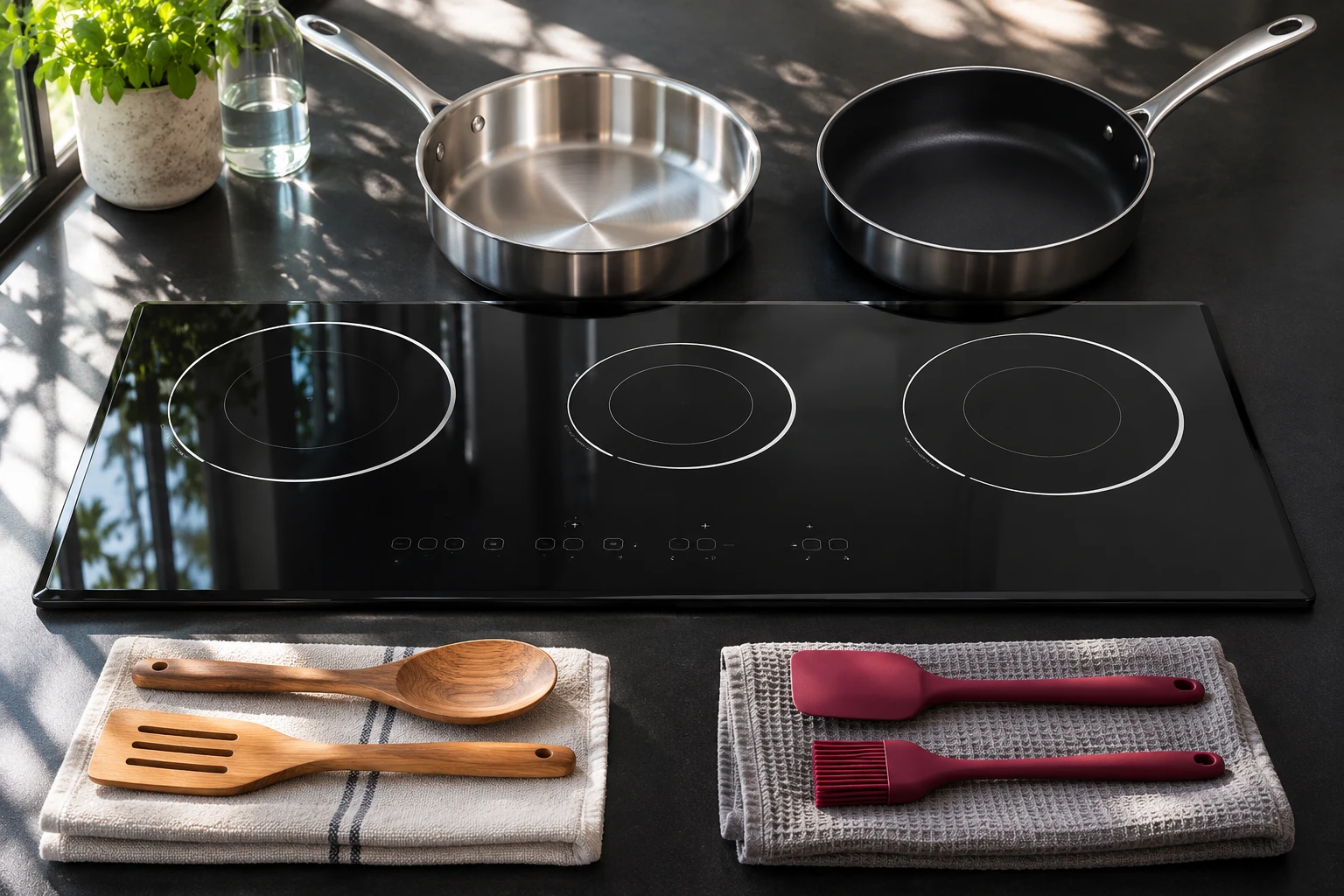
Examine a clean cold utensil under ordinary light. Look at the part that will touch the pan, including corners, joints and any exposed insert. A familiar material name is not enough when the actual edge has changed. Remove an uncertain tool from the working set while asking its maker whether it can be serviced or should be replaced.
Do not sharpen, sand or coat a utensil to make it seem compatible unless the responsible manufacturer specifies that treatment. Such changes can alter both the contact edge and the care requirements. Record the original tool model when requesting advice. A photograph of the whole item and a close view of the edge helps avoid confusion with a similar product.
Stirring a liquid, folding an egg and lifting a heavy portion involve different movements. Choose an approved tool that can perform the intended task without forcing the edge into the surface or leaning the whole vessel against it. If food is stuck, switch to the permitted food-release or cleaning process rather than using the utensil as a scraper by default.
A manufacturer’s permission to use a material is not a direction to cut food against the pan or strike the rim. Check the actual operating limitations. Keep knives and other task-specific tools on the appropriate preparation surface. A cooking vessel should not become a substitute cutting board merely because its interior is metal.
| Question | Evidence to find | Decision |
|---|---|---|
| What is the interior finish? | Exact cookware model and care leaflet | Identify it before selecting the utensil |
| Which contact materials are permitted? | Cookware maker’s explicit guidance | Choose within that permission |
| Does the edge remain smooth and intact? | Cold visual inspection and tool instructions | Set aside an uncertain or damaged tool |
| Does the shape fit the task? | Vessel contour and intended movement | Avoid forcing corners or levering against the rim |
| Can the tool stay near heat? | Utensil maker’s stated conditions | Do not invent a temperature rating or resting permission |
This table is a selection record, not a laboratory abrasion rating. Product-specific instructions remain necessary even when two tools appear to be made from the same material.
A tool can have an apparently gentle edge yet still need particular handling around heat. Read its own instructions for permitted contact, rest positions and care. Do not assume that the word silicone, nylon or wood supplies a universal heat limit. Handles, joins and working ends can have different restrictions within one item.
Keep a suitable utensil rest outside the hob’s hot and control areas. Avoid leaving a tool balanced across a vessel where it could slip, obstruct a lid or interfere with access. For the separate vessel-layout issue, use keeping handles clear of controls. Plan a clear route to the controls before the pan contains food, rather than rearranging equipment in response to a hot spill.
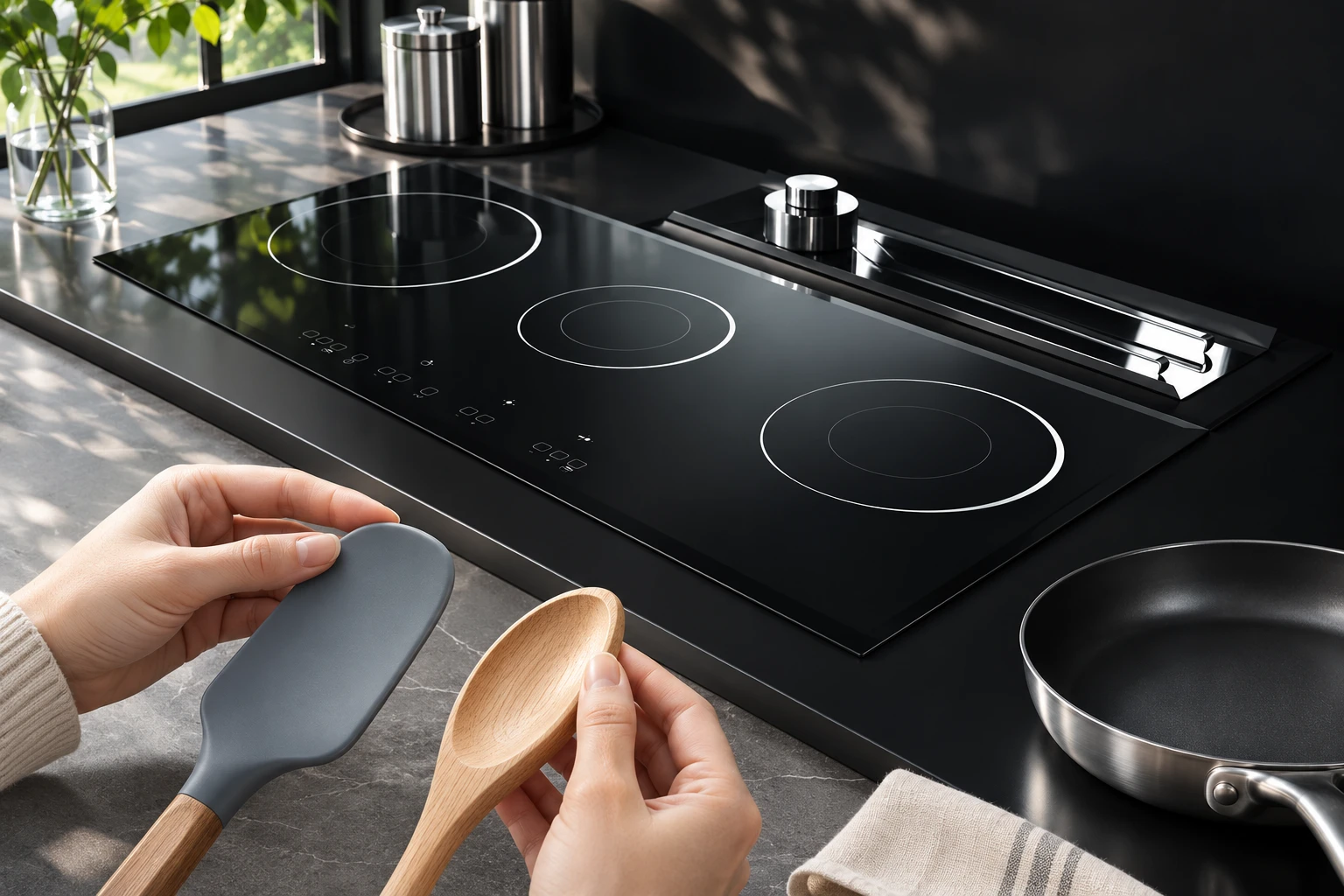
Stop the particular action and inspect only once handling is safe. Photograph the affected pan area and the tool that was used. Describe the movement and the model details without assuming that the utensil caused every visible line. Earlier wear, residues and the actual finish are relevant facts the maker may need to assess.
Do not continue scraping to see whether the mark becomes clearer. If a coating appears to lift or other damage is suspected, leave the affected vessel out of service pending advice. A photo cannot provide a universal food-contact assessment. Ask the cookware manufacturer whether inspection is needed and keep its answer with the product record.
Follow each tool’s care instructions and allow it to dry as directed. Inspect the working edge when putting it away, not just when a problem has already occurred. Keep any uncertain item separate so another user does not pick it up without knowing why it was set aside. Do not return it to a shared drawer merely because its handle looks familiar.
Storage should make the approved tool easy to identify. Where several similar spatulas are present, keep the model or care information available rather than relying only on color. A replacement that looks the same may have different conditions. Check new items against the cookware permissions before adding them to the everyday set.
For each frequently used vessel, record the interior finish, permitted tool materials and the location of its care leaflet. Add the actual utensil models used for the main tasks. This need not be a long manual: a clear record is useful when someone replaces a tool or hands the kitchen over to another operator.
Keep observations separate from approvals. “Used without a visible mark last week” is an observation; it does not override a maker’s restriction. Conversely, a supplier’s generic claim that a tool is non-scratch may not address the actual cookware finish. Resolve any conflict with the responsible manufacturers before treating the combination as accepted.
The appliance surface is another contact interface. Do not place sharp tools or cleaning implements on it while checking a pan. Remove loose particles from the permitted work area and check the vessel base before use according to the appliance instructions. Tool approval inside the pan does not authorize dragging that tool across the hob.
For concerns already located on the glass, separating films and marks on hob glass explains a separate observation process. Do not use a utensil to test whether a panel mark can be scraped away. If food spills during the task, follow the appliance’s response instructions and the U.S. Fire Administration cooking safety guidance where relevant, giving the immediate cooking situation priority over appearance.
Kanger black glass-ceramic cooktop panels and the black glass-ceramic material guide describe the relevant Kanger glass-ceramic business context. They do not supply third-party utensil ratings or cookware coating approvals. An appliance handover should make that boundary clear while giving users a useful route to the right product instructions and service contacts.
For procurement, ask a supplier to identify the product and document the intended contact conditions rather than accepting an unsupported “works with induction” statement as a complete answer. Retain the cookware and utensil information together. That makes future substitutions easier to review and helps keep after-sales advice specific to the actual materials in use.
This independent explanation covers induction heating and vessel geometry. It provides background for separating the heating system from the cooking surface; it does not demonstrate corrosion diagnosis, cleaning chemicals or utensil durability.
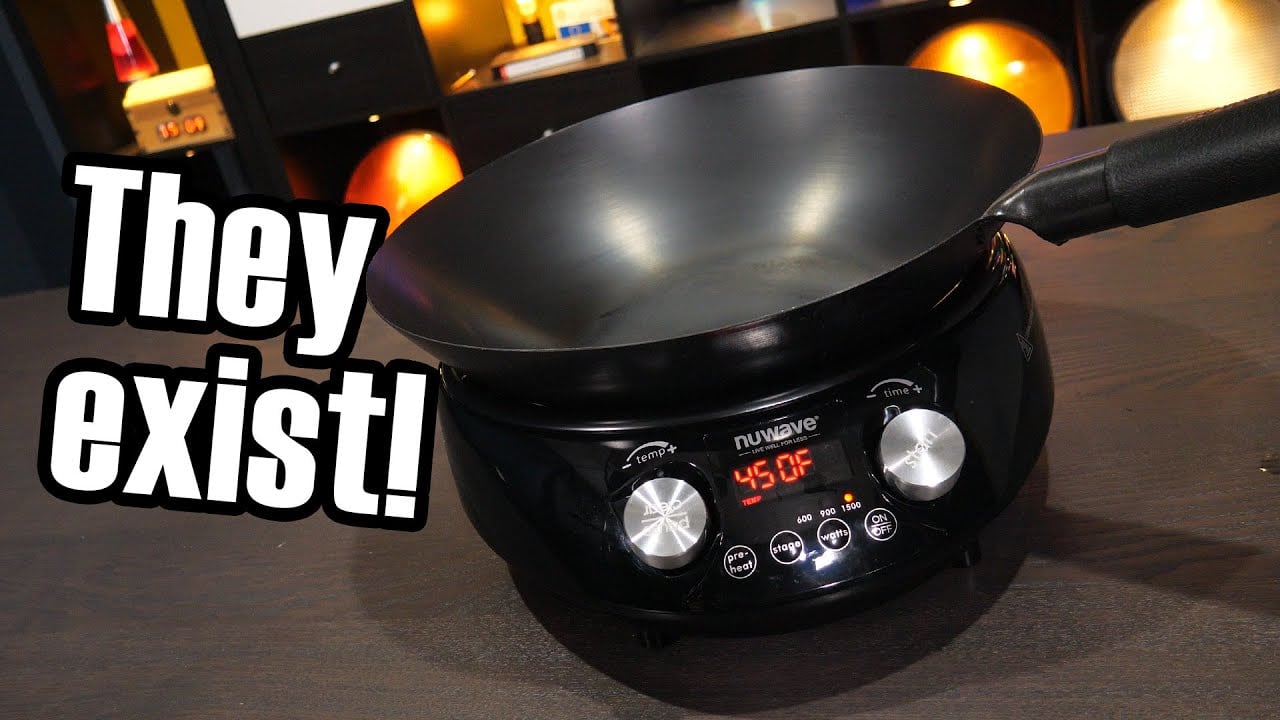
Video: Induction cooking – but what about woks?, Technology Connections. Open the educational video on YouTube.
No. Identify the cookware interior and read its specific utensil permissions. Base heating suitability is a different question.
No universal approval follows from the material name. Check both products’ instructions, the tool condition and its intended task.
Avoid deliberate surface-damage tests. Ask for the applicable instructions or manufacturer assessment instead.
Keep the pan and utensil models, photographs of both contact surfaces, and a factual account of the action. Ask the cookware maker for the next step.



